Top Songwriter Tony Haselden Passes

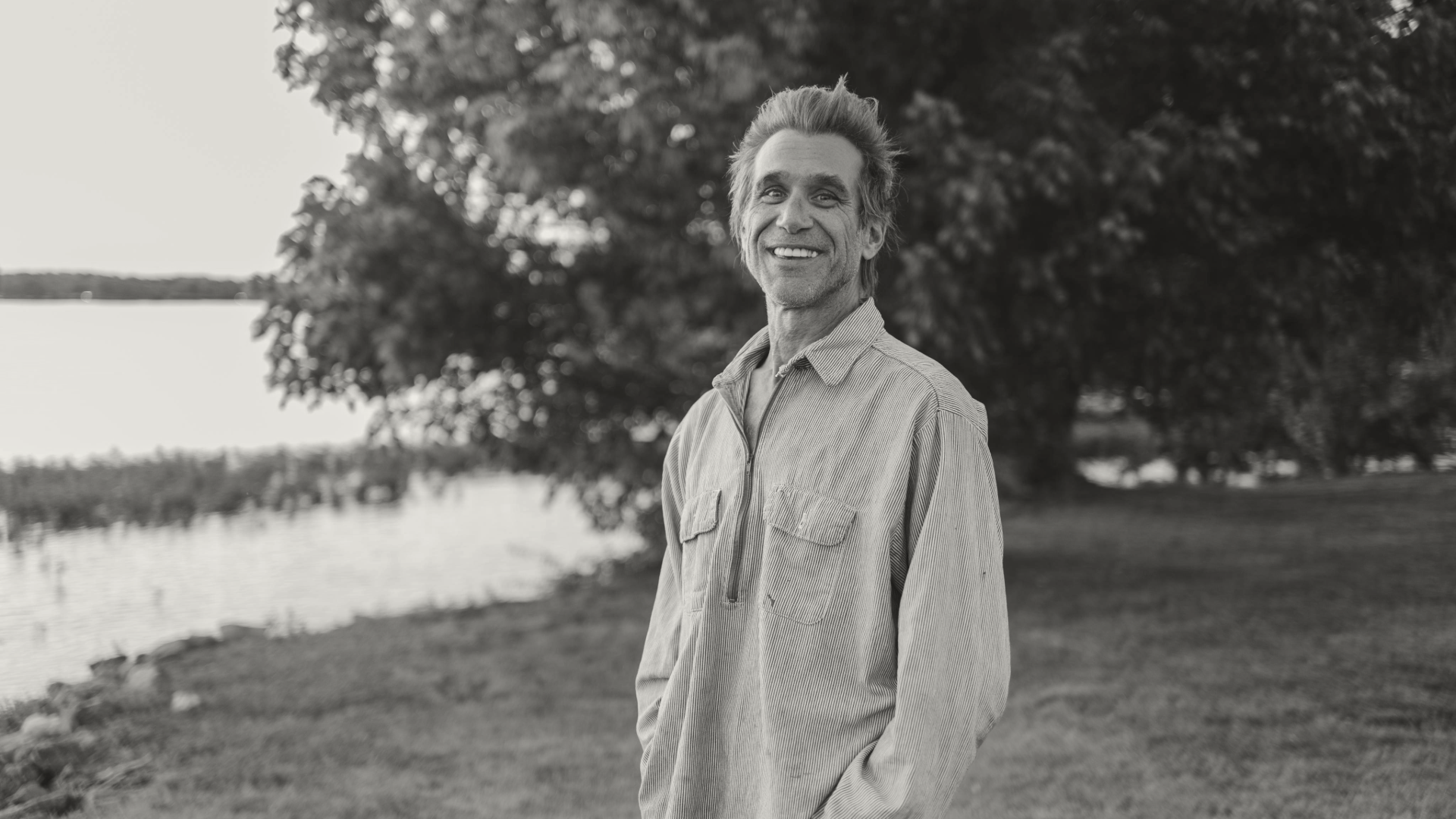
Tony Haselden, who succeeded as both a rock artist and a country songwriter, died last Friday (May 16) in Louisiana at age 79.

Haselden was in the cult-favorite rock band LeRoux and wrote the group’s biggest hit, 1982’s “Nobody Said It Was Easy.” LeRoux was founded in Baton Rouge and was active in 1977-85. Haselden then became a hit country songwriter in Nashville with dozens of cuts and five top 10 hits on his resume.

He wrote or co-wrote Shenandoah’s “Mama Knows” (1988), Keith Whitley’s “It Ain’t Nothin’” (1990), George Strait’s “You Know Me Better Than That” (1991), Michelle Wright’s “Take It Like a Man” (1992) and Collin Raye’s “That’s My Story” (1994), among dozens of other country favorites. More than 40 Nashville artists recorded his works.

Tony Haselden was born in South Carolina, but moved to Louisiana as a teenager. During his four-year service in the Navy, he taught himself to play guitar. Following his discharge, he earned a college degree.

He co-founded LeRoux in 1977. Originally named Louisiana’s LeRoux, the band recorded five albums during its heyday. It initially signed with Capitol, but found greater success after it shortened its billing and signed with RCA. Its 1982 LP Last Safe Place contained the group’s rock-chart success “Addicted,” as well as Haselden’s “Nobody Said It Was Easy.” Other LeRoux fan favorites included “New Orleans Lady,” “Take a Ride on a Riverboat” and “Carrie’s Gone.”

The band’s national TV appearances included Solid Gold, The Midnight Special and Don Kirchner’s Rock Concert. During its eight years of national touring, the band shared stages with the Allman Brothers, Journey, Kansas, Heart, the Doobie Brothers, Foreigner, ZZ Top and The Charlie Daniels Band, among others. It also contributed instrumentally to albums by Tab Benoit, Clarence “Gatemouth” Brown and The Nitty Gritty Dirt Band.

When LeRoux split up, Haselden made his way to Nashville. His country songwriting career took off when Shenandoah scored with “Mama Knows.” In 1990, Sweethearts of the Rodeo had a mid-sized hit with “This Heart,” which was revived and charted again for Jon Randall in 1994. The Whitley and Strait No. 1 hits with Haselden songs occurred in 1990-91. They were followed by Shelby Lynne’s version of “Don’t Cross Your Heart” and Martina McBride’s single of “That’s Me” in 1991-92.

Haselden’s streak with female vocalists continued with the Michelle Wright hit in 1992, plus Shania Twain’s career-launching “What Made You Say That” in 1993. Collin Raye scored with “That’s My Story” the following year. Also charting with Haselden songs were Billy Ray Cyrus (1995’s “Fastest Horse in a One-Horse Town”), Reba McEntire (2006’s “Love Needs a Holiday”) and Kid Rock (2017’s “Po-Dunk”).

The songwriter’s “Music Is What I See” was introduced by Mike Dekle, but achieved more prominence as the title tune of Rhonda Vincent’s 2021 bluegrass album. Several of Haselden’s titles were recorded by Tim Mensy, who was his frequent songwriting collaborator. The rock bands Uriah Keep and Bobby & The Midnites both recorded Haselden’s “Lifeline.”

During his Nashville career, Haselden’s songs were embraced by such top country artists as Toby Keith, Glen Campbell, Conway Twitty, Barbara Mandrell, The Statler Brothers, Patty Loveless, Tracy Lawrence and Janie Fricke. Among the many who recorded his works were also Rodney Atkins, Pam Tillis, Marie Osmond, Billy Dean, Doug Stone, Highway 101, Rick Trevino, Joe Nichols, Suzy Bogguss, Mark Wills, The Forester Sisters and Gary Puckett. Haselden also became a Nashville record producer. He worked in the studio crafting tracks for The Kinleys, The Wilkinsons and Georgia Middleman.

A greatest-hits album, 1996’s Bayou Degradable: The Best of Louisiana’s LeRoux, inspired Haselden and LeRoux to regroup and return to performing. In 1997, the band filmed a special for Louisiana Public Broadcasting. It also resumed recording.

Tony Haselden and his family left Nashville and returned to Louisiana in 2008. Two years later, he was inducted into the Louisiana Music Hall of Fame.

He is survived by Julia, his wife of more than 50 years, and by his daughter Casey and three grandchildren. Funeral arrangements were trusted to Ordoyne Funeral Home, 1489 Saint Patrick Street Thibodaux, LA 70301. A memorial service will be scheduled for a later date.

Sugar Hill’s Barry Poss Passes

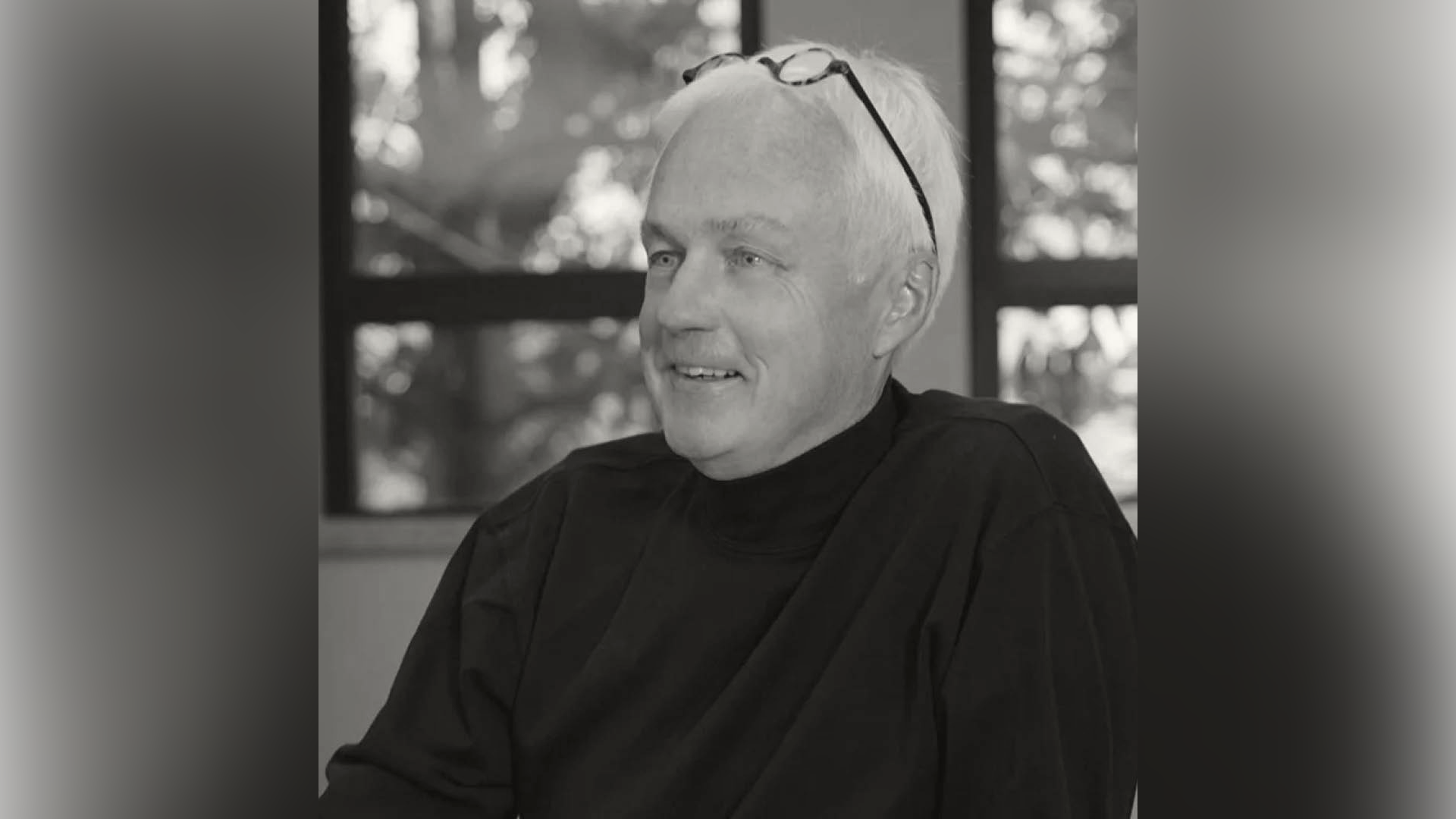
Barry Poss

Barry Poss, the founder of the esteemed roots-music label Sugar Hill Records, died this week in North Carolina at age 79 following a battle with cancer.

Sugar Hill is best known as the home of a who’s-who of bluegrass music. It was also a launchpad for the careers of Marty Stuart, Ricky Skaggs, Nickel Creek and The Whites. At various times, Rodney Crowell, Dolly Parton, Kathy Mattea, Willie Nelson, Connie Smith, Johnny Paycheck, Sweethearts of the Rodeo, Sara Evans, Don Williams, Lee Ann Womack, Wanda Jackson and Uncle Kracker recorded for Sugar Hill, as did such troubadours as Guy Clark, Townes Van Zandt, Pat Alger, Jewel, Lyle Lovett, Robert Earl Keen and Jesse Winchester.

Recordings on the imprint have won 13 Grammy Awards in the bluegrass, country and folk categories, including two for Parton’s efforts and two for collections by The Nashville Bluegrass Band.

Barry Lyle Poss was born in rural Ontario, but moved to Toronto as a boy. After college at the city’s York University, he moved to North Carolina in 1968 to pursue a degree in sociology from Duke University. While he was a graduate student, he attended the Union Grove Fiddlers Gathering and fell in love with traditional sounds.

Poss went to work for the Virginia bluegrass labels County Records and Rebel Records. He learned the roots-music business from County’s Dave Freeman. He and Freeman co-founded Sugar Hill in 1978. The label’s first record was by Boone Creek, which featured Skaggs and Jerry Douglas, both of whom would go on to issue solo LPs for the label. Douglas also went on to produce a number of Sugar Hill’s other artists. Poss took full control of Sugar Hill Records in 1980 and moved the company to Durham, North Carolina.

The firm quickly became the home to such stellar bluegrass bands as The Osborne Brothers, The Bluegrass Cardinals, The Country Gentlemen, Hot Rize, Doyle Lawson & Quicksilver, The Seldom Scene, New Grass Revival and The Del McCoury Band. Noted for its classy graphics, excellent distribution and musical integrity, Sugar Hill also attracted Tim O’Brien, Peter Rowan, Sam Bush, Chris Hillman, Carl Jackson and other influential stylists.

Barry Poss was known as a good-humored, warm-hearted record executive who had a hands-off attitude about his artists’ creativity. In the studio, he produced with a light touch, embracing the musicians’ judgement about their own music. He relinquished more power than most label chiefs. In short, he offered what recording artists all yearn for, artistic control.

He said that he wanted people to see the Sugar Hill name and trust that any record on the label would be worthwhile. John Prine said he was inspired by Poss to form his own company, Oh Boy Records.

As Sugar Hill grew, Barry Poss embraced a wider vision of what later became known as Americana music. Artists as diverse as The Austin Lounge Lizards, Clarence “Gatemouth” Brown, Jonathan Edwards, Pat Green, Jeff Bridges, The Red Clay Ramblers, James McMurtry, Joey + Rory, Tom Paxton, Doc Watson and Maura O’Connell recorded for the label.

In 1998, Poss sold Sugar Hill to The Welk Music Group. He remained with the label as its president and in 2002 was named its chairman. He moved Sugar Hill to Nashville in 2007, but did not move with it. Sugar Hill continues to operate as an imprint today.

In 2015, the label was acquired by the Concord Music Group, the world’s leading independent music company. This umbrella firm has also absorbed such imprints as Vanguard, Stax, Rounder, Fantasy, Milestone, Prestige, Specialty, Vee Jay, Razor & Tie, Riverside, Fania, Easy Eye Sound and several other notable firms.

Barry Poss was in the 1985 group that forged the International Bluegrass Music Association (IBMA) and was a founding board member of the Bluegrass Music Hall of Fame, located in Owensboro, Kentucky. He also served on the boards of the Carolina Theater, the Center for Documentary Studies at Duke, Merle Fest and the North Carolina Folklife Institute, among others.

He was given a Distinguished Achievement Award by IBMA in 1998. The Americana Music Association presented him with its Lifetime Achievement Award in 2006. Charmed by his label’s name, Parton wrote a song called “Sugar Hill” and included on her 2002 Halos & Horns album for the company.

“Barry gave me a sense of direction and opened doors for me when all others were shut,” recalled Hillman. Even more succinctly, Keen said, “Barry Poss is one of a kind. There is no other.”

The executive was modest about his legacy. “I used to joke that I had the perfect qualifications for being in the music business,” Poss said. “I had no business training…no formal music background, either. But I teach Sociology of Deviant Behavior.” His business plan was simple: “Keep it real. Know and love what you record. And put it out into the world.”

Barry Poss died on Tuesday, May 13, in Durham. He is survived by wife Michele Pas, sons Aaron and Jonathan, four grandchildren and many cousins, friends, relations and colleagues. Funeral services were held yesterday, May 15, at Beth El Synagogue, followed by burial at Durham Hebrew Cemetery. In lieu of flowers, the family requests contributions in his name to Beth El Synagogue, to the Food Bank of Central & Eastern North Carolina or to a charity of your choice.

Country Star Johnny Rodriguez Passes

Johnny Rodriguez

Johnny Rodriguez, one of country music’s biggest stars of the 1970s, died in Texas on Friday (May 9) at age 73.

Famed for such hits as “Pass Me By” and “Just Get Up and Close the Door,” Rodriguez was a ground-breaking Latino artist in the country field. Songs such as “Eres Tu” and “Love Put a Song in My Heart“ were performed in both Spanish and English. Between 1972 and 1989, Johnny Rodriguez placed 45 songs on the country charts.

Born in Sabinal, Texas, Juan Raoul Davis Rodriguez was a juvenile offender. As a teenager, he was paroled to entertain at the Alamo Village tourist attraction near San Antonio. This was when he was dubbed “Johnny.” Tom T. Hall heard him there and took him under his wing.

Hall brought Rodriguez to Nashville to become a member of his Storytellers band. Rodriguez signed with Hall’s label home, Mercury Records. Hall’s brother Hillman Hall wrote the 21-year-old Texan’s 1972 debut single, “Pass Me By (If You’re Only Passing Through).” It became the first of a string of 15 consecutive top-10 smashes for the youngster. The song became a modern country standard recorded by more than 35 artists, including a 1980 hit revival by Janie Fricke.

Rodriguez and Tom T. Hall co-wrote “You Always Come Back (To Hurting Me).” In 1973, it became the first of his six No. 1 hits. Rodriguez also wrote “Ridin’ My Thumb to Mexico” (1973) and “Dance With Me (Just One More Time)” (1974). He won the ACM Award as Top New Male Vocalist of 1973 and was nominated for the CMA’s Horizon Award.

Music City’s top-tier country songwriters soon began providing Rodriguez with material. Larry Gatlin wrote “I Just Can’t Get Her Out of My Mind” (1975) and “If Practice Makes Perfect” (1977). Linda Hargrove wrote “Just Get Up and Close the Door” (1975) and “Savin’ This Love Song for You” (1977). In 1976, Mickey Newbury offered “I Wonder If I Ever Said Goodbye” and Billy Joe Shaver provided “I Couldn’t Be Me Without You.” Ben Peters was behind 1975’s chart-topping “Love Put a Song in My Heart,” and Dan Penn and Johnny Christopher co-wrote 1976’s “Hillbilly Heart.”

Rodriguez revived Lefty Frizzell and Whitey Shaffer’s “That’s the Way Love Goes” in 1974. The song later became a big hit for Merle Haggard, too. The 1978 Rodriguez hit “We Believe in Happy Endings” was penned by Bob McDill. Ten years later, it was revived in a duet by Emmylou Harris and Earl Thomas Conley.

The new star’s yearning tenor easily adapted pop tunes for country listeners, notably George Harrison’s “Something” (1974), Barry Mann and Cynthia Weil’s “We’re Over” (1974) and The Eagles’ “Desperado” (1977).

“Love Me With All of Your Heart” had been a huge hit for the pop chorale The Ray Charles Singers in 1964, but the song originated in Mexico as “Cuando Calienta El Sol.” In 1978, Johnny Rodriguez’s bilingual country hit brought the song back to its roots. “Eres Tu (Touch the Wind)” was an international smash for the Spanish pop group Mocedades in 1974. Rodriguez adapted it for country music three years later.

The handsome young country star guested on such TV shows as Adam 12 and The Dating Game. He was also featured in the 1976 B-movie Nashville Girl. He toured internationally, appearing in countries such as Switzerland, England, South Korea, France, Spain, Germany, Japan, Belgium, Guam and Poland, as well as Canada and Mexico.

The hits came less frequently after Johnny Rodriguez signed with Epic Records. His co-written “Down on the Rio Grande” was a top-10 hit in 1979. The 1983 releases “Foolin’” and “How Could I Love Her So Much” repeated the feat. He wrote his Epic singles “Born With the Blues” (1982) and “Back on Her Mind Again” (1983). Other highlights during his tenure with Epic included the top-20 singles “Fools For Each Other” (1979, another song he co-wrote), “What’ll I Tell Virginia” (1979), “North of the Border” (1980) and “Too Late to Go Home” (1984). “I Hate the Way I Love It” was a 1979 duet with label-mate Charly McClain.

His final top-20 success came when he signed with Capitol and issued “I Didn’t (Every Chance I Had)” in late 1987. When Johnny Cash, Waylon Jennings, Kris Kristofferson and Willie Nelson recorded their debut album as The Highwaymen in 1985, they invited Rodriguez to provide a Spanish vocal for their version of Woody Guthrie’s song “Deportee.” Another late-career highlight was his performance of “Across the Valley From the Alamo” on the CMA-nominated Asleep at the Wheel CD Tribute to the Music of Bob Wills & The Texas Playboys in 1994.

He remained a popular concert attraction, particularly back home in Texas. Rodriguez performed for the presidential inauguration of Texan George H.W. Bush in 1989. The singer was married three times, including a seven-month union with Willie Nelson’s daughter Lana in 1995.

Rodriguez developed drug and alcohol problems. In 1998, he shot and killed an acquaintance, believing him to be a burglar in his home. A jury acquitted him of murder in 1999.

His career never recovered. Rodriguez recorded little-noticed, independent-label albums for Intersound (1993), Hightone (1996), Paula (1996), Intercontinental (2001), KRB (2007), RunninWide (2012) and other small imprints. He continued to perform in the Lone Star State into his 60s and 70s. Johnny Rodriguez was inducted into the Texas Country Music Hall of Fame in 2007. He staged a triumphant revival at the CMA Music Fest in 2017.

Johnny Rodriguez entered hospice care last week. His death was announced by his singing daughter, Aubry Rodriguez. Her debut single is “Pass Me By” as a tribute to her father. No funeral arrangements have been announced.

Notable Music Journalist Gerry Wood Passes

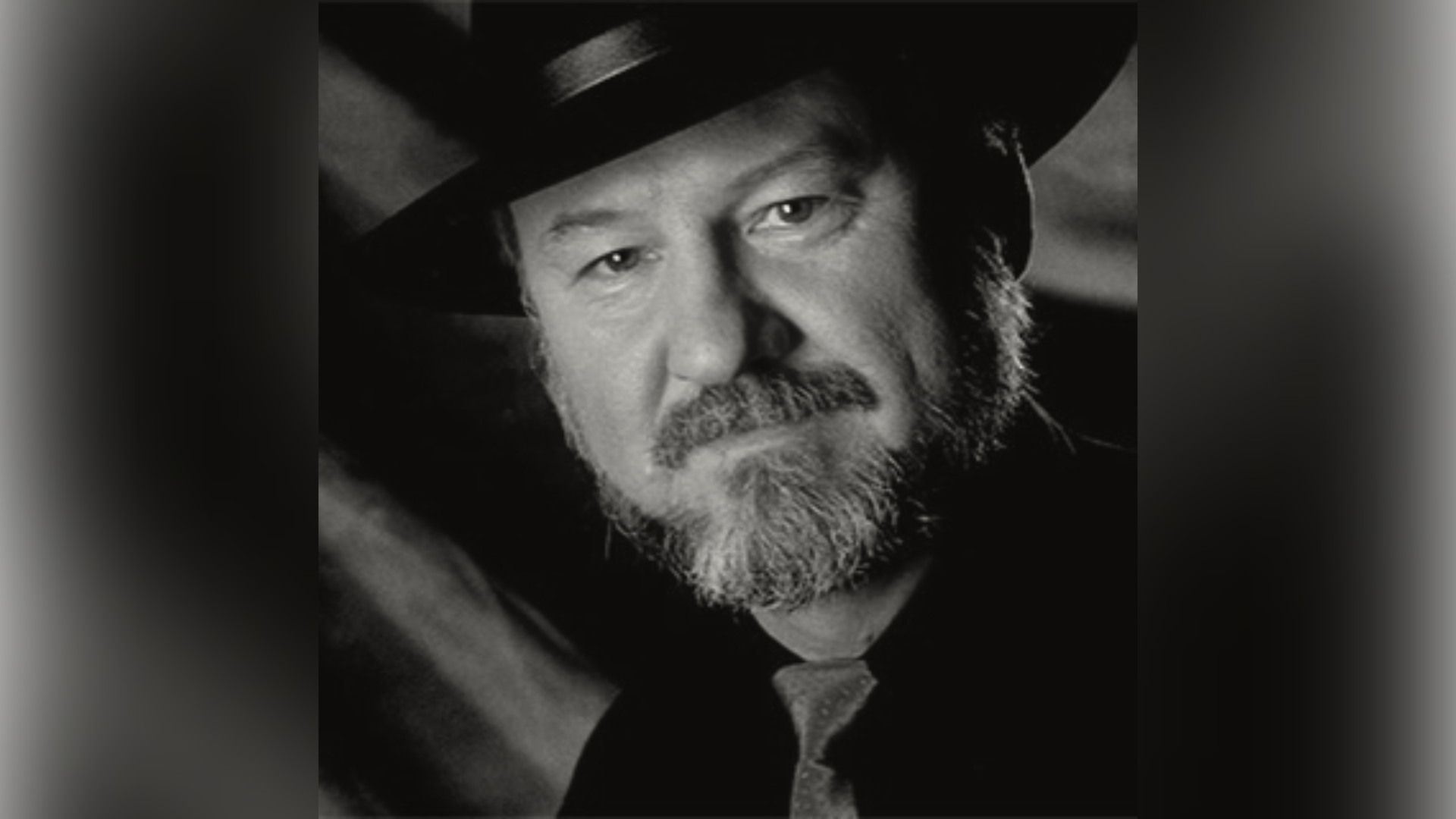
Veteran music journalist and colorful Nashville media figure Gerry Wood died in Florida last Saturday (May 3) at age 87.

Wood was the manager of the Billboard office in Music City. He was also a popular local television personality in the 1980s.

Born Gerald E. Wood in Lewiston, Maine, he began his entertainment career in radio. He was a news and sports reporter at WSON in Henderson, Kentucky, then polished those skills while also becoming a DJ at WVJS in Owensboro, Kentucky. He graduated from the University of Kentucky in 1960 and went on to earn a masters degree from Vanderbilt University in 1965.

Gerry Wood continued to combine his news acumen and on-air personality skills at WAKY in Louisville and WKDA in Nashville (1964-66). He then shifted to working on Music Row. He worked in public relations at Vanderbilt (1966-69) and ASCAP (1969-75). Wood began his first stint at Billboard in 1975. He was named the publication’s editor-in-chief in New York in 1980.

He moved back to Music City to become editor at Nashville magazine (1983-84) and Nashville correspondent for People magazine (1984). Gerry Wood returned to Billboard to become the general manager of the publication’s Nashville bureau in 1986.

On local television, he became known as “The Gamboling Gourmet” on WTVF-TV. He was also a regular reviewer on the TNN cable channel in the mid 1980s.

Boundlessly enthusiastic, he was omnipresent at music-biz parties and junkets. He was also a travel enthusiast.

His then-wife Ellen Wood became a publicist in the BMI Nashville office. They worked with an emerging group of media folks, including Ed Morris, Debbie Holley, Chuck & Sandy Neese, Jimmy Buffett and Kip Kirby. Wood won a Journalistic Achievement Award from SESAC in 1981.

Gerry Wood wrote a number of books. Ain’t God Good (1975) and Let the Hammer Down (1978) were collaborations with country comedian Jerry Clower. Other titles included The Grand Ole Opry Presents the Year in Country Music (1997) and Tales From Country Music (2003).

Gerry Wood wrote for Country Weekly, as well as many other publications as a freelance journalist. He was a member of the CMA, the GMA, NSAI and the Recording Academy. He served on the board of the Nashville Entertainment Association.

Following his divorce, he moved to Florida and wrote books as well as articles for local publications on the Gulf Coast. He passed away in Inverness, Florida. No funeral arrangements have been announced.

Lulu Roman, Beloved ‘Hee Haw’ Star & Gospel Artist, Dies At 78

Lulu Roman. Photo: Jeremy Westby

Lulu Roman, the country and gospel music singer, comedian and beloved star of the long-running variety show Hee Haw, passed away on Tuesday (April 22) in Bellingham, Washington. She was 78.

A native of Dallas, Texas, Roman was born with a thyroid condition and placed in an orphanage at birth, facing significant early-life challenges on her path to becoming one of country entertainment’s most beloved figures. Before finding fame, she worked in Dallas nightclubs under the stage name “Lulu Roman, the World’s Biggest Go-Go Dancer,” in venues owned by Jack Ruby.

In 1969, with the endorsement of country legend Buck Owens, Roman joined Hee Haw, where she quickly became known for her infectious laughter, impeccable comedic timing and soul-stirring vocals. She also starred in the Hee Haw spinoff Hee Haw Honeys, the stock car film Corky, and appeared in episodes of The Love Boat and Touched by an Angel.

Roman’s journey wasn’t without challenges. During her early years on Hee Haw, she struggled with drug addiction, which led to a temporary departure from the show in the early 1970s. Her eventual recovery and conversion to Christianity sparked a second act as a gospel artist. Her music career flourished, earning her a Grammy nomination and multiple Dove Awards. Albums like You Were There and Take Me There blended her powerful testimony with moving performances that brought hope and healing to listeners.

Over the years, Roman recorded more than a dozen albums and was inducted into both the Country Gospel Music Hall of Fame and the Christian Music Hall of Fame. In 2013, she released At Last, an album of musical standards featuring duets with Dolly Parton, T. Graham Brown, Linda Davis and George Jones. She also shared her life story in her 2019 autobiography, This Is My Story; This Is My Song.

Beyond music and television, Roman devoted her time to numerous charitable efforts, championing causes related to children’s welfare, heart health, and addiction recovery—deeply personal missions that reflected her own path to healing and redemption.

Funeral arrangements have not yet been announced.

Music Row Musician & Mogul David Briggs Passes

David Briggs. Photo: Courtesy of the Country Music Hall of Fame and Museum

Keyboardist David Briggs, who performed with a who’s-who of rock and country greats, has died at age 82.

A 60-year veteran of Music Row, Briggs was also a song publisher, studio owner, songwriter and arranger. He was a member of the Musicians Hall of Fame as well as the Alabama Music Hall of Fame.

His career began in Florence, Alabama in the 1950s as a teenager who performed on local television and won boogie-woogie talent contests. Across the river was Muscle Shoals, which began to emerge as a music capital in the early 1960s. Songwriter Earl “Peanutt” Montgomery invited Briggs to recording sessions at FAME Studio, and the piano player soon became a key member of the original Muscle Shoals Rhythm Section. He and Muscle Shoals bass player Norbert Putnam became lifelong friends and collaborators.

Briggs played on all of the early Muscle Shoals hits, including those of Arthur Alexander, Joe Tex, Jimmy Hughes and Al Green. He began to write songs during this era. Brenda Lee, Percy Sledge and Dan Penn were among those who recorded his early songwriting efforts.

Recording sessions in Alabama weren’t constant. He and many of the other Muscle Shoals players relocated to Nashville, where session musicians worked around the clock. David Briggs arrived in Music City in 1965. During his first year in Nashville, he played on 140 recording sessions. This soon accelerated into 400+ sessions a year.

His versatility was one reason for his success. Those sessions were for such diverse artists as Johnny Cash, Bob Seger, Kenny Rogers, Connie Smith, Jerry Lee Lewis, Dean Martin, Willie Nelson, Joan Baez, Loretta Lynn, The Pointer Sisters, Ronnie Milsap, B.B. King, Waylon Jennings, Leon Russell, Joe Cocker, Hank Williams Jr., Linda Ronstadt, Roy Orbison, B.J. Thomas, Tony Joe White, Chet Atkins, Dolly Parton, Kris Kristofferson, The Monkees, Reba McEntire, John Prine, Dobie Gray, K.T. Oslin, Don McLean, Donovan, Billy Bob Thornton, Kenny Chesney, Nancy Sinatra, Charley Pride, The Everly Brothers, Eddie Rabbitt, Carl Perkins, Barbara Mandrell, Alice Cooper, George Harrison, Peter, Paul & Mary and many other music legends. He had more than 10,000 music credits on his resume.

During his journey to prominence as an “A Team” session musician, David Briggs also recorded solo albums and performed live, including as a member of the Nashville session supergroup Area Code 615 in 1969-71. In 1974, he was a member of The James Gang. The musician first backed Elvis Presley in 1966. Many recording sessions later, he performed in Presley’s TCB Band throughout 1976.

Briggs was also the music director for network and cable television specials. In addition to playing on records, he was a noted string arranger.

He branched out into other areas of the music business. In the late 1960s, Briggs partnered with Norbert Putnam to open Quadrafonic Sound. It became the premier studio in Nashville for visiting pop and rock musicians, including Neil Young, Dan Fogelberg and Jimmy Buffett. Briggs went on to create his own House of David recording studio nearby.

Also with Putnam, Briggs founded the publishing company Danor Music. The firm signed such Nashville Songwriters Hall of Fame members as Troy Seals and Will Jennings.

In 1999, David Briggs was inducted into the Alabama Music Hall of Fame. 10 years later, he and his fellow Muscle Shoals Rhythm Section members entered the Musicians Hall of Fame, which is located in downtown Nashville.

Younger brother John Briggs became an executive at ASCAP and U.S. Bank.

David Briggs died on Tuesday (April 22). He is survived by two sons, Darren and Gabriel. Funeral arrangements have not been posted.

Entertainment Attorney Steve Weaver Passes

Steve Weaver

Entertainment attorney Steve Weaver passed away April 12 following a battle with Posterior Cortical Atrophy, a rare form of Alzheimer’s disease. He was 76.

Weaver had a 40-year career as an entertainment attorney in Memphis and Nashville. In his early years, he was also a musician, songwriter, guitar instructor and entertainment agent. After graduating from law school, Weaver relocated to Atlanta and was employed as an Assistant Professor and Director of the Commercial Music/Recording Program at Georgia State University. He later began his private practice, the Law Office of C. Stephen Weaver, in 1983, with offices in Memphis and Nashville. In 1995 he moved all offices to Nashville’s Music Row. He was a partner in artist management firm Streetlight Management from 2008-2010.

Throughout his career he was a member of the American Bar Association, Tennessee Bar Association, Nashville Bar Association, Country Music Association, Academy of Country Music, Gospel Music Association, Copyright Society of the South and Nashville Songwriter’s Association International.

Weaver is survived by his wife, Connie James Weaver; son, Lorne Mills of Phoenix; step-daughter, Katie Moore of Los Angeles; brother, Barton Weaver (Ella) of Bossier City, Louisiana; sister, Karen Singleton (Don) of Memphis; nephews and nieces Hayden Weaver, Kirk Weaver, Lindsey Shelton, and Becky Aston; sister-in-law, Sharon James Grubbs (Don); and his beloved dogs, Bubba and Leon.

Memorials in Weaver’s honor can be made to Alive Hospice of Nashville or Proverbs 12:10 Animal Rescue. A private memorial will be scheduled at a later time.

BREAKING: Joel Katz, Prominent Music Industry Attorney, Passes Away

Joel Katz

Renowned music industry attorney Joel Katz has passed away at the age of 80, MusicRow has confirmed.

Katz was the founding chairman of the global entertainment and media practice at Greenberg Traurig and played a pivotal role in shaping the careers of countless artists, producers and executives. Over his decades-long career, he represented a wide-ranging roster of legendary clients, including James Brown, Jimmy Buffett, Jamie Foxx, Steve Harvey, Faith Hill, Julio Iglesias, Alan Jackson, the Estate of Michael Jackson, Kris Kristofferson, Little Big Town, Ludacris, Tim McGraw, L.A. Reid, George Strait, James Taylor, Justin Timberlake, TLC and many more. He also served as counsel to major industry organizations such as the Recording Academy and the Country Music Association.

Beyond artist representation, Katz helped shape the modern entertainment industry by facilitating corporate acquisitions and mergers and consulting for multi-national and multi-media entertainment companies.

Born and raised in the Bronx, Katz earned his law degree from the University of Tennessee and spent the majority of his life and career in Atlanta.

In 2021, he stepped down from Greenberg Traurig and joined Barnes & Thornburg, bringing clients including Mike Dungan and Randy Goodman with him.

At one time, Katz was ranked Billboard’s No. 1 entertainment attorney on its Power 100 list of the music industry’s most powerful executives. He also made a lasting impact on education, endowing and establishing a commercial music program at Kennesaw State University—now one of the largest music education programs in the U.S. In recognition of his contributions, the University of Tennessee College of Law named its library in his honor: the Joel A. Katz Law Library.

Katz was also known for his philanthropy, particularly his support of City of Hope and the T.J. Martell Foundation. Over the years, he was honored numerous times, including receiving the Recording Academy’s prestigious Trustees Award.

A service for Katz will be held on Tuesday, April 22 at 3:00 p.m. at Arlington Memorial Park (201 Mt Vernon Hwy NW, Sandy Springs, GA 30328) followed Shivah at 5:00 p.m. on Tuesday, Wednesday and Thursday at Temple Sinai (5645 Dupree Dr., Atlanta, GA 30327.)

In lieu of flowers, the family suggests that donations in Katz’ memory may be made to the Mayo Clinic: Joel and Rikki Katz PSP Research Fund (Mayo Clinic, 200 First Street SW, Rochester, MN 55905.)

Stellar Guitarist & Songwriter Mac Gayden Passes

Mac Gayden. Photo: Jim McGuire, courtesy of the Country Music Hall of Fame and Museum

Nashville pop/rock pioneer Mac Gayden died on Wednesday (April 16) at age 83.

Gayden left his mark on Music City as a songwriter, a guitarist and a performer. He co-wrote such soul classics as “Everlasting Love” and “She Shot a Hole in My Soul,” co-founded the Southern rock bands Barefoot Jerry and Area Code 615, recorded a number of solo LPs and played lead guitar on albums by Kris Kristofferson, Bob Dylan, Elvis Presley, Linda Ronstadt and many others.

Born McGavock Dickinson Gayden and raised in a prominent Nashville family, Gayden pursued music as a career despite his family’s wish that he become a doctor. As a teenager, his guitar skills earned him membership in the pioneering Nashville rock & roll band The Escorts, featuring future Country Music Hall of Fame member Charlie McCoy. In the early 1960s, The Escorts toured regionally and played local gigs, including many fraternity parties at Vanderbilt University.

At one of those Vanderbilt gigs, he met local soul singer Robert Knight. Gayden and Buzz Cason co-wrote “Everlasting Love” for Knight and produced his 1967 hit record of the song. “Everlasting Love” went on to become a pop standard. It has been a hit in various countries 12 times, including U.S. versions by Carl Carlton (1974), Rex Smith & Rachel Sweet (1981) and Gloria Estefan (1995). Superstar rockers U2 issued their rendition of the song in 1994.

Robert Knight introduced Gayden & Cason’s “Love on a Mountain Top” in 1968. The song was a favorite in Pittsburgh and Philadelphia, but failed to catch on nationally. But in 1974, Knight’s single became a top-10 in Finland, Ireland and the U.K. The songwriting team also crafted Knight’s 1968 single “My Rainbow Valley,” which became a top-10 U.K. hit via a version by The Love Affair.

Gayden and Chuck Neese co-wrote the beach-music mainstay “She Shot a Hole in My Soul,” which was originated by Clifford Curry in 1967. The song was subsequently recorded by The Box Tops, John Fred & His Playboy Band, Huey Lewis & The News and others.

By the late 1960s, Mac Gayden’s prowess as a guitarist had attracted the attention of Nashville’s top session musicians and producers. With Wayne Moss, Kenny Buttrey, McCoy and others, he formed Area Code 615 in 1969. The group members all maintained their Music Row studio work and split up after two albums. Gayden and Moss formed Barefoot Jerry, which was active in 1971-72 with Gayden in its lineup. The widely admired Barefoot Jerry was mentioned in the Charlie Daniels Band 1975 rock hit “The South’s Gonna Do It Again.”

Like most of the other members of his early bands, Mac Gayden became a popular session musician. Already an accomplished slide guitarist, he fed his playing through a wah-wah pedal to create the ear-catching sound on the 1972 J.J. Cale pop hit “Crazy Mama.” Gayden’s innovative playing was also heard on records by Simon & Garfunkel, Charlie Rich,Leonard Cohen, John Hiatt, Charley Pride, Tammy Wynette and Loudon Wainwright, as well as the superstars cited above.

Gayden’s style was deeply influenced by R&B. In addition to Knight and Curry, he played on soul records by Roscoe Shelton, Arthur Alexander, The Pointer Sisters, Ivory Joe Hunter, Gene Allison and Joe Simon, plus The Valentines, whom he produced (notably on his song “Gotta Get Yourself Together”). Out-of-town visitors Connie Francis, Bobby Vinton, Patti Page, Ian & Sylvia, Robert Mitchum, The Alarm, Jerry Jeff Walker, Michael Martin Murphey and Karen Black had Gayden’s guitar on their sessions, too.

He also continued to record his own music. Mac Gayden issued McGavock as his debut solo LP in 1972. ABC Records signed him for Skyboat (1975) and Hymn to the Seeker (1976). His 1996 collection Nirvana Blues was the most critically praised of his albums.

As a record producer, Gayden created albums with Dianne Davidson and Steve Young. His songs were recorded by Bobby Bare, Porter Wagoner, The Crickets, Gary Lewis & The Playboys, James & Bobby Purify, Carol Chase and The Crickets, among others.

In later years, Mac Gayden worked with a number of independent recording artists. He also operated his label, Wild Child Records. Gayden chronicled his life, music, and search for inner harmony in a 2013 memoir, Missing String Theory: A Musician’s Uncommon Spiritual Journey.

That same year, the Country Music Hall of Fame & Museum featured him in its “Nashville Cats” interview series. Gayden was also a key figure in two of the museum’s major exhibitions, “Night Train to Nashville: Music City Rhythm & Blues” and “Dylan, Cash, and the Nashville Cats.” The “Night Train” commemorative album won a Grammy Award and included Gayden’s tunes “Everlasting Love,” “She Shot a Hole in My Soul” and “Gotta Get Yourself Together.”

Mac Gayden’s brother Joseph Gayden (1947-2004) managed Quadraphonic Sound Studios in the 1980s and was a sculptor. Brother Hamilton Gayden is a retired Davidson County Judge.

His death was announced by The Country Music Hall of Fame & Museum. Funeral arrangements have not been posted.

Hit Country Songwriter Larry Bastian Passes

Larry Bastian

Longtime Major Bob Publishing songwriter Larry Bastian died on Sunday (April 6) at age 90.

Bastian co-wrote such Garth Brooks hits as “Unanswered Prayers,” “Rodeo” and “The Old Man’s Back in Town” in 1991-92. The superstar recorded many other Bastian songs, as did a who’s-who of country music.

Larry Bastian was born and raised in California’s agricultural San Joaquin Valley, and he lived throughout his life in the Springville/Porterville area. He was from a farming family. Following high school, he spent his early years farming and cowboying. Bastian then worked for 15 years as a biologist for the Department of Agriculture for Kern and Tulare Counties.

But he always made music. Touring country artists who heard his songs, encouraged him to send his music to Nashville. In the 1970s, Larry Bastian decided to devote himself to songwriting.

His first notable success was when his “This Ain’t Tennessee and He Ain’t You” was recorded by Janie Fricke in 1980. Although never a hit, it became the songwriter’s most recorded song, with a version by Tom Jones, among several other notables. In 1981, Sammi Smith’s recording of “Sometimes I Cry When I’m Alone” became the songwriter’s first top-40 hit. Shortly afterward, David Frizzell & Merle Haggard recorded “Lefty,” Bastian’s tribute to Lefty Frizzell, who was David’s brother and Merle’s idol.

Bastian songs also charted for Ray Price, Wyley McPherson and The Kendalls in the 1980s. In 1988, Conway Twitty had a top-10 smash with “Saturday Night Special.” Garth Brooks began his run of Bastian-penned successes in 1991. Sammy Kershaw had a top-20 hit with “Yard Sale” in 1992 and repeated the feat with “If You’re Gonna Walk, I’m Gonna Crawl” in 1997. Bastian’s last notable chart success was in 2004 with Craig Morgan’s version of “Look at Us.”

During his songwriting career, Larry Bastian’s works were also recorded by George Jones, Reba McEntire, Willie Nelson, Vern Gosdin, Eddy Arnold, Buck Owens, Tammy Wynette, Tracy Byrd, Lacy J. Dalton, Moe Bandy, Rhett Akins, The Whites, Neal McCoy, Con Hunley and many others.

His songs also found a home in bluegrass music.

Larry Bastian passed away in Porterville, California. No funeral arrangements have been announced.