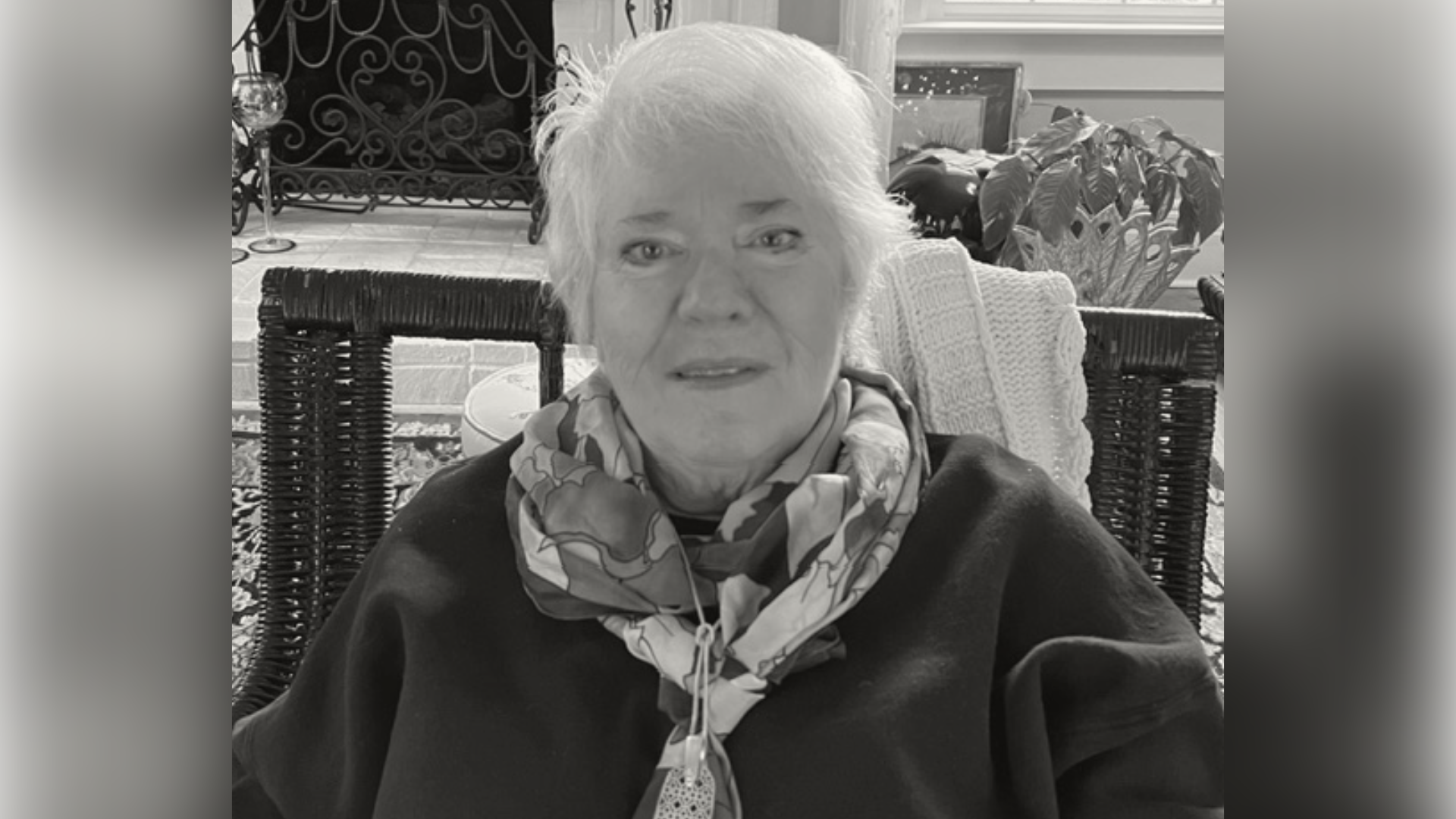
Taylor Red’s Nicole Taylor Passes

Nicole Taylor.

Nicole Taylor of the sister trio Taylor Red passed away on Sept. 28 at the age of 35 following a four-year battle with cancer.

A native of South Mississippi, Taylor Red garnered attention in 2021 with the viral track “Country Money.” The band earned over 700 thousand streams combined on their first three Spotify singles and were featured in the national Sonic Drive-In campaign commercials for 2020-2021. The trio performed over 1,000 live shows with dates across America and internationally in Norway and Canada, sharing stages with the likes of Amy Grant, Charlie Daniels, Diamond Rio, Don Williams, High Valley, Josh Turner, and Michael W. Smith.

In 2024, Taylor joined Taste of Country as part of the syndicated morning radio show Taste of Country Mornings with Wood and Nicole. The show ran until October of 2025. She continued to make social media content with her sisters.

Taylor’s sisters Nika and Natalie confirmed the news of her passing in a statement posted to social media on Monday (Nov. 2).

“Nicole, the oldest of us three sisters, will be greatly missed,” they shared in a statement posted to the trio’s website. “She was our leader and our best friend. We are heartbroken, but we know she is in Heaven and will see her again.”

The family held a private funeral service. Memorials in her honor can be made to Samaritan’s Purse.

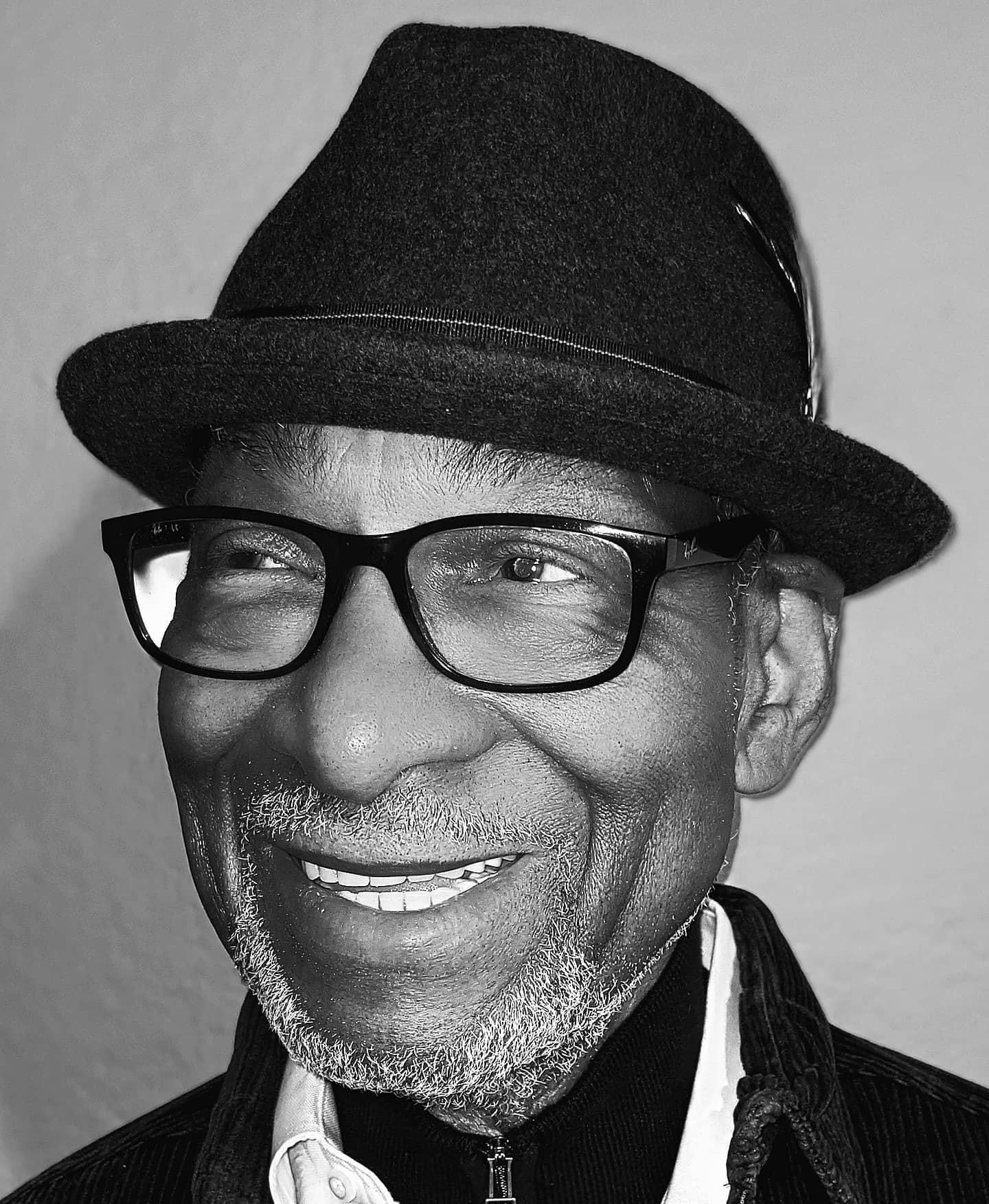
Music Champion Lorenzo Washington Passes

Lorenzo Washington. Photo: Courtesy of family

Music champion and Jefferson Street Sound Museum founder Lorenzo Washington has died at age 83 after a short bout with cancer.

Born in 1943, Washington grew up in East Nashville during a time of segregation and racial tension in the city. At the same time, he was surrounded by the rich culture of Nashville’s Black community and a thriving music scene that would leave a lasting impact on him.

Washington chased his passion for music in the early 1970s by founding Soul Shack Records and Boutique, giving him an opportunity to become involved in the industry despite not being a musician himself. His work eventually led him to connect with Moses Dillard and Jesse Boyce of Dillard & Boyce Productions. In 1976, the three partnered to release “Come On Dance” by the Saturday Night Band. The single went on to reach No. 2 on the charts.

In 2011, Washington founded the Jefferson Street Sound Museum to preserve the legacy of Nashville’s African American music pioneers and the community that had shaped his own love of music. For decades, Jefferson Street served as a hub for Nashville’s Black music scene, with its clubs and venues welcoming artists including Jimi Hendrix, Ella Fitzgerald and Tina Turner, among many others. The area also provided a stage for generations of local and upcoming musicians, becoming integral to Nashville’s rich musical history.

Through the Museum, Washington worked to preserve that history and ensure the artists who came through Jefferson Street remained part of Nashville’s music story. The collection he curated includes photographs, instruments and other memorabilia documenting the musicians, venues and community that once flourished on Jefferson Street.

Washington’s dedication to preserving Nashville’s Black music history earned recognition across the city. In 2023, Mayor Freddie O’Connell proclaimed April 3 Lorenzo Washington Day, with an annual fundraising gala held in his honor to support the Jefferson Street Sound Museum. The following year, the National Museum of African American Music celebrated his work with its “Living Legends: Lorenzo Washington” exhibit, which featured a curated selection of objects from the Jefferson Street Sound Museum’s collection. Earlier this year, the Museum was added to the U.S. Civil Rights Trail, further recognizing the history Washington spent years working to preserve.

Washington is survived by his wife Karen Coffee and children Dwayne, Patricia, Ryan and Tracey.

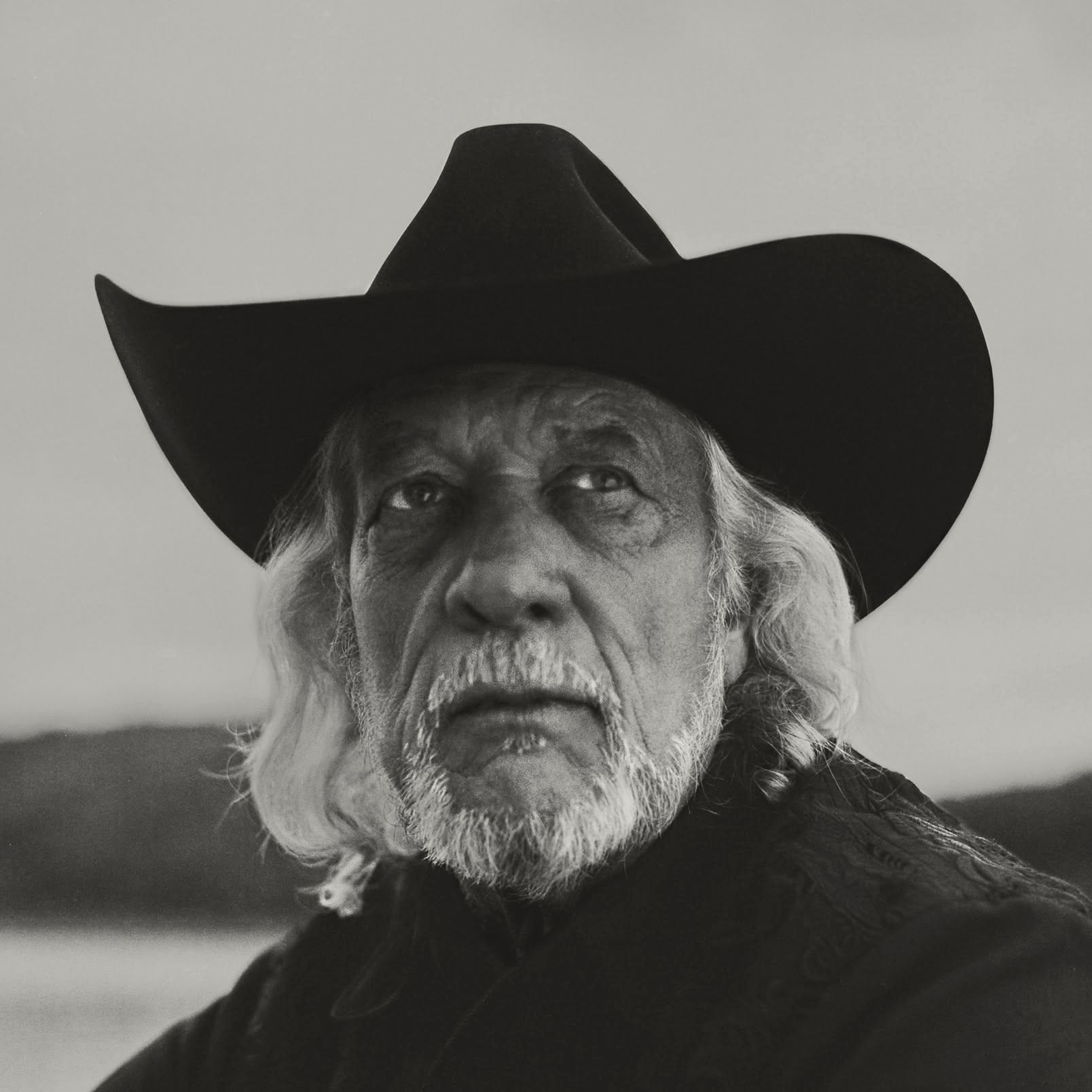
BREAKING: Country Music Hall Of Famer John Anderson Passes

John Anderson. Photo: Alysse Gafkjen

John Anderson, a member of the Country Music Hall of Fame, has passed away. He was 71.

Known for his unmistakable drawl and a sound that blended traditional country with rock, Anderson scored chart-toppers including “Wild and Blue,” “Swingin’” and “Money in the Bank.” His 1991 single “Straight Tequila Night” sparked a major career resurgence, and the following year’s “Seminole Wind” became his signature song, selling three million copies. He earned the CMA’s Single of the Year and Horizon Award in 1983 and the ACM’s Career Achievement Award in 1994, and he was inducted into the Country Music Hall of Fame in 2024.

The news was shared on Anderson’s official social media pages.

“It is with the heaviest of hearts that we share the passing of our beloved husband, father, grandfather, and best friend,” the post reads. “To the world, he was a gifted country music singer whose voice and songs touched countless lives. To us, he was so much more. He was the heart of our family, the one who made us laugh, loved us fiercely, and made every ordinary moment feel special. We are completely heartbroken.”

A cause of death has not been shared.

The below bio was provided by the Country Music Hall of Fame at the time of his induction, in 2024.

Some singers get the knock of being too Country for rock and too rock for Country. That was never the case with John Anderson. At his best, Anderson was too rock and too Country, as likely to sing songs by Van Morrison or Willie Dixon as he was ones by Lefty Frizzell or Marijohn Wilkin.

Born December 13, 1954, John David Anderson grew up in Apopka, FL, named for the large lake just northwest of Orlando. As a youth, he played in local rock groups like the Living End and the Weed Seeds. He soon turned to Country Music and counted Merle Haggard as one of his heroes.

He moved to Nashville shortly after graduating high school in the early 1970s, following his older sister Donna, singing with her in a duo. While in Nashville, he performed gigs for a few dollars a night and worked odd jobs. Of those, the one he held the longest, he told the Orlando Sentinel in 1979, was a construction gig where one of his jobs involved helping roof the Grand Ole Opry House prior to its 1974 opening.

He briefly recorded for a small independent label, which quickly folded, but not before he cut a song called “What Did I Promise Her Last Night.” This got the attention of publisher Al Gallico, who got him a publishing deal and signed to Warner Bros. Records. He then moved to Texas to check out the progressive Country scene but soon returned to Nashville.

Norro Wilson produced his early records for the label. Each of Anderson’s singles tended to do a little better than the previous one, enough so that Warner Bros. stuck with him, finally releasing his first, self-titled album in 1980. He’d put out seven singles, and with their echoes of Haggard, Frizzell, and Hank Williams, modest early hits like 1979’s “Your Lying Blues” and “She Just Started Liking Cheatin’ Songs” preceded fellow traditionalists Ricky Skaggs, George Strait and Randy Travis. In an era of pop overtures and crossovers, Anderson favored shuffles, waltzes, and heartbreak ballads sung with a back-of-the-throat drawl that could sound like he was choking back tears. His first Top 5 hit — a version of Billy Joe Shaver’s “I’m Just an Old Chunk of Coal (But I’m Gonna Be a Diamond Someday)” — came nearly four years after his label debut.

In late 1982, as the title track for Anderson’s fourth album, Wild and Blue, co-produced by Anderson and Frank Jones, was on a trajectory to become his first No. 1 single, several radio stations began playing another song from the album, one Anderson had written with Lionel Delmore, the son of the Delmore Brothers’ Alton Delmore. The buzz on the other record became so loud that Warner’s promotion team had to encourage programmers to wait until “Wild and Blue” had run its course. Sure enough, three weeks after “Wild and Blue” hit No. 1, “Swingin’” hit the Country charts. Ten weeks after that, the mildly suggestive number became Anderson’s second chart-topper. The record became so popular that some rock and pop stations began spinning it.

The Country Music Association recognized “Swingin'” as the Single of the Year at the 1983 CMA Awards, where Anderson also was named the Horizon Award winner.

Anderson and Delmore wrote several other songs together, including the 1995 Top 3 single “Bend Until It Breaks.”

Anderson had five Top 5 singles, including three No. 1s, in two years, but subsequent records peaked farther down the charts as the next wave of young performers arrived.

Following brief stints with MCA Records Nashville and Universal Records, Anderson signed with BNA Records, a subsidiary of RCA, in 1991. When “Straight Tequila Night” came out late that year, Anderson had had just one Top 10 single in seven years.

But “Straight Tequila Night” brought Anderson’s career roaring back, making him one of only a handful of acts who’d begun releasing records in the 1970s who continued to have major successes into the 1990s.

Anderson’s 1990s run equaled what he’d done a decade before as he hit with records like the Dire Straits cover “When It Comes to You,” the chart-topping “Money in the Bank,” and the regret-filled “I Wish I Could Have Been There.”

One of those 90s hits, “Seminole Wind,” had a localized, environmentally conscious theme that did not initially strike BNA executives as particularly commercial. Though Anderson did not write it as such, he knew it was capable of commercial success. Written after a visit with his 95-year-old grandmother in Florida, the song referenced the development of the Everglades in Anderson’s native Florida, flood control efforts that decreased its size by half in a century, and the 19th-century Seminole resistance leader Osceola. Though the record peaked at No. 2, 1992’s “Seminole Wind” sold three million copies and became a career-defining record for Anderson.

After BNA, Anderson recorded for Mercury Records, Columbia Nashville, the Warner imprint Raybaw Records, Country Crossing, and Bayou Boys Music. In 2020, he worked with Johnny Cash collaborator David Ferguson and the Black Keys’ Dan Auerbach on his 22nd studio album, Years.

In addition to Anderson’s two 1980s CMA Awards, he participated in the 1994 Album of the Year win for Common Thread: The Songs of the Eagles, on which he covered “Heartache Tonight.” That same year, the Academy of Country Music honored him with its Career Achievement Award.

Truly living out his songs, Anderson has lived the Country lifestyle for more than 45 years. When not on the road, Anderson enjoys spending time with his family, hunting, fishing and gardening. Anderson and his wife of more than 40 years, Jamie, share two daughters and their families. “I’ve been very fortunate and blessed to have such a great family life,” Anderson says.

With a discography spanning more than 40 years, Anderson’s career track has had enough peaks and valleys and twists and turns to resemble a rollercoaster. His musical vision hasn’t always aligned with the fashion of the times. But whatever John Anderson decides to sing, as soon as he starts, there’s no mistaking who it is. That voice is timeless, and it has found a forever home in the Country Music Hall of Fame.


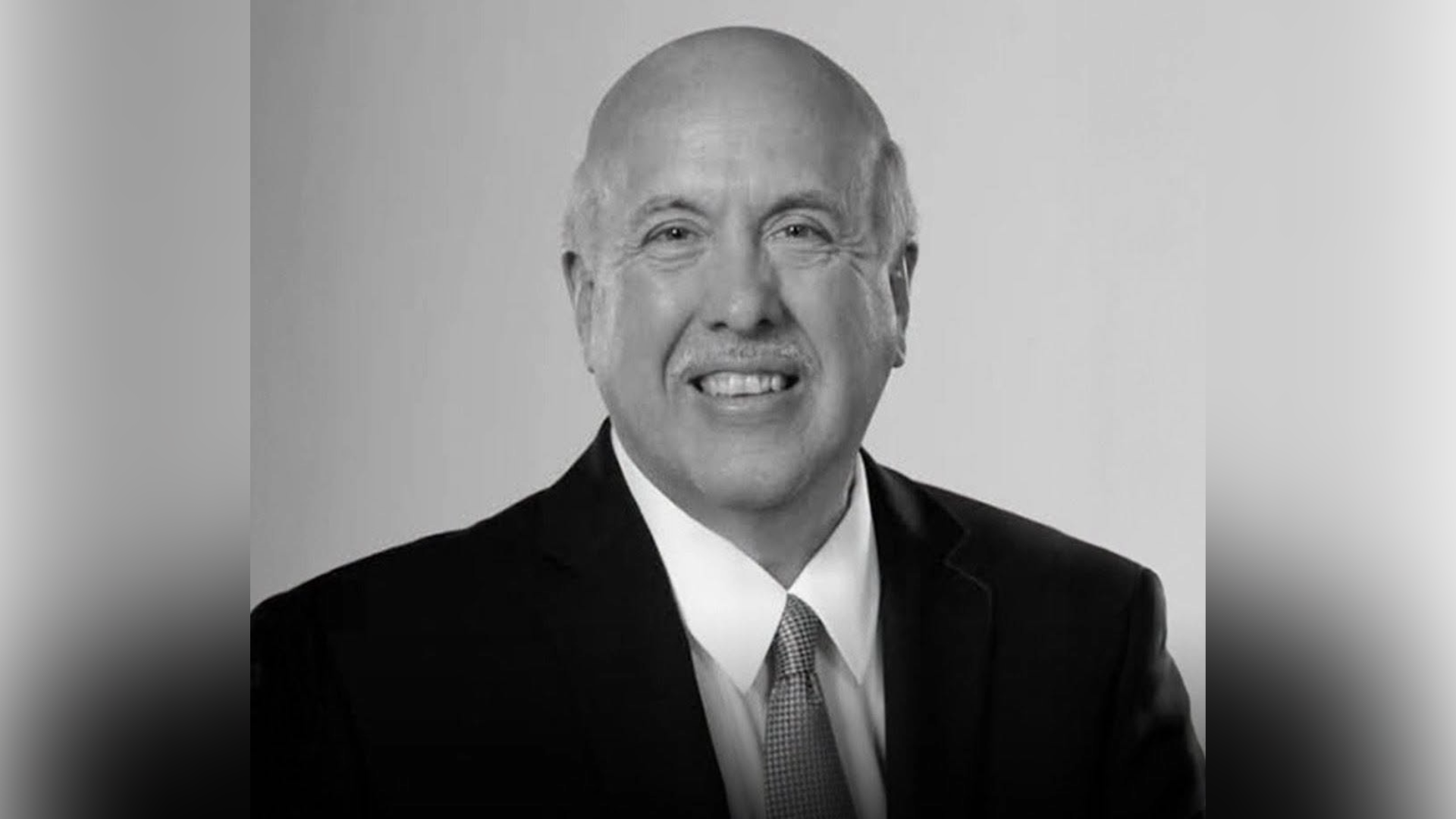
Veteran Entertainment Reporter Jimmy Carter Passes

Jimmy Carter

Beloved veteran Nashville-based entertainment reporter Jimmy Carter passed away on Oct. 13. He was 73.

Carter worked in journalism and broadcasting for over 50 years, providing an inside look and red carpet coverage and interviews at awards shows, film premieres and other Music Row events. Over 20 of those years were spent working as WSMV-TV Channel 4’s entertainment reporter, as well as in Nashville radio for decades, often as a frequent reporter on WSM’s Coffee, Country & Cody. He also served as a correspondent for years for the nationally syndicated country radio and TV shows Crook & Chase, and interviewed an array of artists and celebrities throughout his career including Dolly Parton, Alan Jackson, Garth Brooks and countless more.

The Montgomery, Alabama native attended Auburn University, where he helped launch campus station WEGL-FM before working in radio, TV and production roles. His expansive resume included early work as a street reporter covering civil rights, hurricanes and controversial politics in his home state of Alabama; as a UPI award-winning TV news producer at NBC’s Birmingham station; and as producer of The Scene at Six on WSM-TV. As Executive Producer at CBS’s Houston station, his work included coverage of everything from NASA to major airline crashes and Texas politics.

Carter received a regional Emmy for his public service TV work and multiple Emmy nominations for his news, children’s, sports and public affairs specials. He was the recipient of an IRIS award for his special on the Iroquois Steeplechase, and his affiliation with Barbara Mandrell productions as a writer/producer resulted in two of the highest-rated specials in The Nashville Network’s history.

His work covering Hollywood for the Crook and Chase shows took him all over the world, from James Bond premieres in London to the Academy Awards in Hollywood, where he interviewed major film stars of the last 40 years including Clint Eastwood, Sean Connery, Jack Lemmon, Robert Redford, Kevin Costner and Sylvester Stallone, among others. Carter also shared Nashville news and entertainment stories on his YouTube channel in recent years, which had nearly 22,000 subscribers.

A visitation for Carter will be held Nov. 5 at St. Henry Catholic Church (6401 Harding Pike, Nashville, TN 37205) at 9 a.m., followed a funeral service at 11 a.m.

Songwriter Rory Bourke Passes

Rory Bourke

Nashville Songwriters Hall of Fame member Rory Bourke has died at age 84.

Bourke is noted for co-writing such country standards as Charlie Rich’s “The Most Beautiful Girl,” George Strait’s “You Look So Good in Love” and Anne Murray’s “A Little Good News.” Between 1972 and 2015, there were 61 charted versions of his songs, 42 of which became top-20 successes. Also among those songs were 29 top-10 hits and 10 No. 1 smashes.

Rory Michael Bourke was born in Cleveland, Ohio. As a youngster, he was fascinated by movie musicals, which led him to imagine a career in the music industry. Following college, he headed for Nashville in 1964.

He entered the country-music business as a promotion executive at Mercury Records on Music Row. But he yearned to become part of Nashville’s songwriting community. He met Eddie Rabbitt (1941-1998), who was also an aspiring songwriter at the time. They co-wrote “Patch It Up,” which Elvis Presley recorded in 1970 and “Captured,” which later became a 1974 Terry Stafford single.

Bourke quit his dependable job and decided to plunge into songwriting full-time. He was determined to succeed, no matter what. “There was no Plan B,” he recalled. Publishers Don Gant and Henry Hurt encouraged him, and the latter signed him to Chappell Music as a staff songwriter in 1971. The following year, Mel Tillis sang Bourke’s co-written “Neon Rose,” and it became the fledgling songwriter’s first top-10 success.

Bourke teamed up with songwriter Norro Wilson and producer Billy Sherrill to craft “The Most Beautiful Girl,’ which became a No. 1 smash for Charlie Rich in 1973. The ballad sold a million; topped the pop, country and easy-listening charts; and became an international hit on German, Irish, French, Canadian, Dutch, Belgian, Australian, and Norwegian charts.

Although chiefly known as a songwriting collaborator, Bourke wrote solo songs that became chart entries for Bobby Borchers, Johnny Carver, Ronnie Prophet, Kim Charles and Lynn Anderson during his early songwriting years.

Teaming with others, he was responsible for top-10 hits by Billy “Crash” Craddock, Mickey Gilley, and Cristy Lane during the 1970s.

Rory Bourke’s most successful and prolific songwriting collaborator was fellow Nashville Songwriters Hall of Fame member Charlie Black (1949-2021). In 1979, the new team had a No. 1 hit when Anne Murray recorded their “Shadows In the Moonlight.”

The Black/Bourke partnership continued to find success in the 1980s. Sometimes as a songwriting duo and sometimes with added collaborators, they provided Murray with “Lucky Me” (1980), “Blessed Are the Believers” (1981), “Another Sleepless Night” (1982), and “A Little Good News” (1983). The last named won the CMA Single of the Year and earned Murray a country-vocal Grammy Award. Bourke and Black were also credited on “I Know a Heartache When I See One” (Jennifer Warnes, 1979) and “Do You Love As Good As You Look” (The Bellamy Brothers, 1981).

Rory Bourke was noted for mentoring up-and-coming tunesmiths. When singer-songwriter K.T. Oslin (1942-2020) arrived on the Nashville scene, Bourke collaborated with her on “Round the Clock Lovin’” (Gail Davies, 1982) and “Lonely But Only for You” (Sissy Spacek, 1983), as well as on Oslin’s own singles “Two Hearts” (1990) and the chart-topping “Come Next Monday” (1990).

Mike Reid was another of Bourke’s frequent collaborators. They co-wrote Ronnie Milsap’s No. 1 hit “Where Do the Nights Go” (1987), Tanya Tucker’s “It’s Only Over for You” (1987), Don Williams’s “I Wouldn’t Be a Man” (1987), Gene Watson’s “Back in the Fire” (1989), and Lorrie Morgan’s “He Talks to Me” (1990).

Working with a variety of other cowriters during the 1980s, Bourke’s credits also included such major hits as “You Look So Good In Love” (George Strait, 1983), “Baby I Lied” (Deborah Allen, 1983), “Let’s Stop Talkin’ About It” (Janie Fricke, 1984), and “Too Good to Stop Now” (Mickey Gilley, 1984).

In recognition of his outstanding song catalog, Rory Michael Bourke was inducted into the Nashville Songwriters Hall of Fame in 1989.

His songwriting success continued into the 1990s. Bourke’s co-written hits in the decade included “I Couldn’t See You Leaving” (Conway Twitty, 1991), “Tender Moment” (Lee Roy Parnell, 1993), “Little Red Rodeo” (Collin Raye, 1997), and “Bye-Bye” (Jo Dee Messina, 1998).

Rory Bourke and Phil Vassar co-wrote “Carlene” (2000), which became Bourke’s last top-10 songwriting hit to date. In 2010, Josh Turner revived Bourke’s co-written “I Wouldn’t Be a Man.” In 2014, The Voice TV-competition winner Craig Wayne Boyd revived “You Look So Good In Love.” Others who have recorded his cowritten songs include Gary Stewart, Jeanne Pruett, Con Hunley, Louise Mandrell, Johnny Rodriguez, Crystal Gayle, Tommy Overstreet, and Shelby Lynne, among others.

During his hit-studded career, Bourke was named ASCAP’s Country Songwriter of the Year in 1975, 1979, and 1983. He earned 11 BMI Awards and 45 ASCAP performance awards.

Rory Michael Bourke passed away on Saturday, Oct. 10. Visitation will take place at 10:30 a.m. – 12 p.m., immediately followed by a memorial service at Westminster Presbyterian Church in Nashville.

Pop/Country Stylist Ronnie Dove Passes

Pop balladeer Ronnie Dove passed away last week at age 91.

Between 1964 and 1969, he placed 21 singles on the Billboard hit parade, six of which became top-20 pop hits. All of them were recorded on Music Row with Nashville’s “A-Team” of session musicians.

Ronald Eugene Dove was born and raised in Virginia. While serving in the Coast Guard, in the 1950s, he began performing in Baltimore nightclubs. The city remained his home base throughout the rest of his long career.

After a stint performing and recording in the group The Bell-Tones, he signed as a solo artist with Diamond Records. Producer and label executive Phil Kahl brought Dove to Nashville to record at Fred Foster’s studio.

Their biggest successes were “Right Or Wrong” (written by Wanda Jackson) (1964), “One Kiss for Old Time’s Sake” (1965), “A Little Bit of Heaven” (1965), “When Liking Turns to Loving” (1966), “Let’s Start All Over Again” (1966) and “Cry” (1966). Peaking just outside the pop top-20 were “I’ll Make All Your Dreams Come True” (1965), “Kiss Away” (written by Billy Sherrill & Glenn Sutton) (1965), and a remake of the Eddy Arnold classic “I Really Don’t Want to Know” (1966).

Dove starred in his own Baltimore TV series in 1966. He guested on such national programs as American Bandstand, Where the Action Is, The Mike Douglas Show, The Merv Griffin Show and The Ed Sullivan Show. He was named Billboard’s Top Easy Listening Artist of 1965.

In 1970, Diamond was sold to Nashville’s Certron Records. Dove subsequently recorded for several small labels and began aiming his ballads at the country-music market. He made minor ripples on the country charts with six singles in 1972-1987. His biggest country success came on Motown’s Melodyland label with his version of Bobby Darin’s “Things,” which rose to No. 25 in 1975. During the 1970s, he made the rounds of country’s TV shows —  That Nashville Music, Nashville Now, The Shotgun Red Variety Show, etc.

Dove opened his own nightclub in Baltimore and performed there regularly during the 1980s. He revived Diamond Records in 1987 and recorded a 1988 comeback album at Woodland Sound with producer James Stroud, among others.

The singer owned his own master recordings and repeatedly reissued his hits during the CD era. He continued to perform throughout the 1990s. He retired in 2023.

Dove died at home under hospice care on Sept. 15. He is survived by wife Marty, by children Michael, Ronnie Jr., Wayne, Don, Kelli, and Kimm and also by five grandchildren and seven great-grandchildren. There was no viewing; his body was cremated. There will be a Celebration of Life at a later date.

Journalist, Author, Poet, Playwright Ed Morris Dies

Ed Morris

Veteran Nashville entertainment journalist Ed Morris passed away on Thursday (Sept. 17) at age 90.

He is best known for his 14-year tenure at Billboard, but was published in dozens of other periodicals. He also authored eight books, published his poetry, and was the writer of a theatrical production.

Morris grew up in Elkview, West Virginia. His family was not well to do and did not own a car, so he hitchhiked daily from Elkview to Charleston to attend Morris Harvey College (now the University of Charleston). After his graduation with a bachelor’s degree in English in 1958, he earned a master’s degree in journalism from Ohio University.

While at OU, he met musical-theater performer Norma Chapman. They married in 1960 and remained wed for 61 years. She was a talented pianist as well as an editor, photographer, and author. She also taught him to drive.

Following their marriage, Ed Morris taught English and journalism at Findlay (Ohio) College, Bowling Green (Ohio) State University, Alice Lloyd College (Kentucky), and Edinboro (Pennsylvania) State College. He then served as assistant editor at Writer’s Digest, the monthly trade publication for writers.

He began writing freelance articles for Billboard in 1972, moved to Nashville in 1980, and joined the magazine’s staff in 1981. He rose to become its country-music editor and chief Nashville columnist. Norma became a Music Row publicist working with clients such as Ralph Stanley and Steve Wariner.

In addition to Billboard, Ed Morris’s byline appeared in such publications as Advertising Age, TV Guide, McCall’s, Hollywood Reporter, Amusement Business, Book Page, The Journal Of Country Music, Mother Earth News, Bluegrass Unlimited, Saturday Evening Post, and other national periodicals. He left Billboard in 1995 and became a monthly columnist in Music City News. He also had a weekly column as a humorist in The Nashvillian.

He wrote liner-note essays for albums and box sets by The Judds, Keith Whitley, Eddy Arnold, Guy Clark, Hank Snow, Chet Atkins, and others. Morris was named Print Journalist of the Year in 1993 by the International Bluegrass Music Association (IBMA).

In 1999, Ed Morris began a 20-year tenure as a writer for CMT online. He continued in this role until the COVID pandemic of 2020, which led to staff layoffs. Since then, he had been writing a column for his local newspaper The Kingston Springs Gazette.

Ed Morris was honored at Belmont University’s annual International Country Music Conference (ICMC) with its Charlie Lamb Journalist of the Year award in 2002. He has guest-lectured at Belmont, Vanderbilt University and Trevecca College in Nashville.

His books include Edward Morris’ Complete Guide To Country Music Videos (1997), Garth Brooks: Platinum Cowboy (1993), Alabama (1985), At Carter’s Stanley’s Grave: Musings on Country Music & Musicians (2011), and Scorched Mirth and Acid Reflux (2019), among others. In addition, he has contributed to such reference works as the prize-winning Country: The Music & The Musicians (Abbeville Press), Classic Country (Time-Life Books)  and Country On Compact Disc: The Essential Guide To The Music (Grove Press).

In 2016, Morris wrote his first play, The Passion of Ethel Rosenberg, which had multiple productions and performances in Nashville and Santa Fe, plus a public reading at New York’s Museum of Jewish Heritage. The play reflected his lifelong support of leftist political causes.

Norma Morris was diagnosed with the onset of Alzheimer’s and Parkinson’s Disease in 2015. The couple had been living separately for several years, but Ed moved into her home to care for her. He chronicled their experience in a series of extraordinarily moving Facebook blogs, which became his 2020 book Stardust: An Alzheimer’s Love Story. Norma died in 2021.

Reflecting on his long and varied career, Ed Morris once said, “You hear musicians say that they would do it for free if they weren’t paid for it. And I feel the same way about writing. I love to write with the anticipation of amusing people or getting arguments started or whatever…..Anything that happens, if you treat it right, can be turned into a piece of prose. And that’s what I do.”

Ed Morris is survived by daughters Erin Morris Huttlinger and Rachel Serrato, and by son Jason Morris. He is also survived by six grandchildren and seven great-grandchildren. Funeral arrangements have not been announced.

Video Director Jon Small Passes

Jon Small, a video producer/director for dozens of Nashville stars, has died of cancer at age 79.

Small’s subjects in Music City included such Country Music Hall of Fame members as Reba McEntire, Garth Brooks, Ricky Skaggs, Toby Keith, Brooks & Dunn, Marty Stuart, Vince Gill, Ray Charles, and the four members of The Highwaymen — Johnny Cash, Willie Nelson, Kris Kristofferson and Waylon Jennings. He created network television specials and concert films as well as music videos.

Jonathan Craig Small was a native of Long Island whose longtime friend and collaborator was fellow Long Islander Billy Joel. The two joined the rock band The Hassles in 1964, with Small as the group’s drummer. After the band broke up in 1969, he and Joel worked as a duo dubbed Attila. Joel became a solo star in 1973. Small continued to perform as a drummer before working his way into music videos in the 1980s.

He directed Joel’s clip for “Tell Her About It” in 1983, and several more videos. He also produced six TV specials for the Rock & Roll Hall of Famer. Other early credits included directing Run DMC’s duet with Aerosmith on 1986’s “Walk This Way” and producing Whitney Houston’s 1986 clip for “The Greatest Love of All.” He also worked with such pop stars as Anita Baker, Van Morrison, Twisted Sister, Sting, Luther Vandross, Kool & The Gang, Herb Alpert, Janet Jackson, Barry Manilow, Neil Diamond, Chicago, and Lynyrd Skynyrd, among others.

Small first worked in country music in 1986 when he co-directed McEntire’s “Whoever’s In New England” video. She and he collaborated on at least seven more videos during the next nine years. By the early 1990s, Jon Small was focussed almost exclusively on country music. In 1994, he began a long association with Brooks, directing videos for “Standing Outside the Fire” (1994), “To Make You Feel My Love” (1998), and other clips, as well as three TV specials.

The videos for Jo Dee Messina’s 1998 star-making “Bye Bye” and “I’m Alright” were both directed by Small. So were Travis Tritt’s “It’s a Great Day to Be Alive” (2001), Brooks & Dunn’s “It Won’t Be Christmas Without You” (2002), and Joe Diffie’s “It’s Always Somethin’” (1996). He also directed music videos for Aaron Tippin, Faith Hill, and Rascal Flatts, among others in Nashville.

Small’s television specials included Billy Joel Live at Yankee Stadium (1990), Garth Brooks in the Life of Chris Gaines (1999), Brad Paisley 5th Gear (2007), Blake Shelton: It’s All About Tonight (2010), Billy Joel Live at Shea Stadium (2011), The Highwaymen Live at Nassau Coliseum (2018), and Garth Live at Notre Dame (2018). He was a producer on A Toby Keith Classic Christmas (2007), Garth Brooks Double Live (1998), and the TV series Nashville Star (2003-08), among many other credits.

One of Small’s last projects was co-directing the music video for 2020’s “Does to Me” with Luke Combs and Eric Church. The producer/director died on Friday, Sept. 4, in West Palm Beach, Florida.

SOURCE Hall Of Fame Member Gayle Hill Passes

Gayle Hill

SOURCE Hall Of Fame member Gayle Hill passed away on Aug. 18 at her home in Ashland City, Tennessee. She was 90 years old.

Just three years after Hill took her first job on Music Row with producer Glen Sutton, she produced Dottie West’s famous “Country Sunshine” jingle for Coca Cola. It was the beginning of a role for Hill that integrated country music with national advertisers at a level of prominence never achieved before. Along with West, Hill also hired other stars for the Coke account including Loretta Lynn, Sonny James and the Glaser Brothers.

In 1973, she formed G Hill & Company, which was initially a PR agency that produced jingles on the side. She became a go-to-jingle producer for GMC, Miller Beer, Kraft, Rubbermaid, Stouffer’s, Pizza Hut and Mellon Bank, among others. Hill’s ability to link national advertisers with country artists and music earned her executive positions on the boards of CMA and NARAS (now the Recording Academy). In 2019, SOURCE Nashville honored Hill’s legacy by inducting her into their Hall of Fame.

Hill is preceded in death by sisters Janice Owens of Abilene and Shirley Medaris of Dallas, and brothers Delbert Berry of Glendale, Arizona and Carl Berry of Abilene. She is survived by her sister Joyce Johnson (Chuck) of Denver, her son, Bob Hill (Stephanie Reeves) of Ashland City, Tennessee. Grandchildren Lora Criner of Lebanon, Tennessee, Robert Hill of Nashville, and Gabriel Hill and Tonya Gentry of Chattanooga, as well as numerous nieces and nephews.

A Celebration of Life for Hill will be held on Sept. 26 at 1025 Ed Burgess Road starting at 1:30 p.m., with fellowship immediately following the Celebration at Hill’s home.

‘Blackland Farmer’ Hit Maker Frankie Miller Passes

Frankie Miller

Texas-based country singer Frankie Miller, who originated the evergreen “Blackland Farmer,” has died at age 95.

Miller was born in East Texas in 1931. He excelled at football during his teen years. He formed a band called The Drifting Texans and signed with Gilt Edge Records (a subsidiary of 4-Star) in Houston. His 1951 efforts for that label were unsuccessful.

He joined the Army during the Korean War and earned a Bronze Star. Frankie Miller signed with Columbia Records in 1954 and joined the cast of Fort Worth’s Cowtown Hoedown later in the 1950s.

His heyday began when he signed with Nashville’s Starday Records in 1959. The label issued his self-penned “Black Land Farmer” that year, and it rose to No. 5 on the country hit parade. Miller followed it with “Family Man,” another top-10 hit.

Merle Kilgore’s sentimental “Baby Rocked Her Dolly” hit No. 15 for Miller in 1960. Frankie Miller was named the Most Promising Male Country Singer of 1960 by Cash Box magazine. He joined the cast of The Louisiana Hayride on KWKH in Shreveport.

Thanks to renewed airplay in Texas and Michigan, “Black Land Farmer” became a hit for Miller a second time in 1961. The song has since been recorded by Faron Young, Elizabeth Cook, Wink Martindale, Hard Working Americans, Pat Boone, Willie Nelson, Jimmy Gilmer, Steve Young, Sleepy LaBeef and a number of others.

Miller’s final chart entry was 1964’s “A Little South of Memphis.” He signed with United Artists in 1965, but no further hits ensued.

His straightforward, spare, honky-tonk style was out of step with the more-produced Nashville Sound stylists that were then ascending. In addition, he reportedly lacked ambition and suffered from stage fright.

Miller left the music business. He went to work at a Chrysler dealership in Arlington, Texas.

In the 1980s, he became a cult figure, with record collectors avidly championing him as a nearly forgotten country stylist. Reissues of his tunes were issued by Germany’s Bear Family Records label in 1983. In 2006, Frankie Miller returned to recording via the Heart of Texas Records label.

Tracy Pitcox, President of Heart of Texas Records, shared the news of his death, writing, “Frankie had just completed work and released his biography, The Blackland Farmer: Life Among Country Music Legends, written by Greg Wilson. He remained active in the industry and continued to enjoy making music into his 90s. He even was a special guest and performed with his long-time friend Willie Nelson a few years ago at the Luck Reunion.”

Miller is survived by his daughters Sandi Wilson and Lori Chaney, their husbands Greg Wilson and William Chaney, six grandchildren, and two great-grandchildren.

Services have not yet been announced.