Lydia Vaughan Enters Top 20 On MusicRow Top Songwriter Chart

Lydia Vaughan

Lydia Vaughan has moved into the top 20 on the MusicRow Top Songwriter Chart. Jason Aldean’s “Don’t Tell On Me” and Corey Kent’s “Empty Words” put the songwriter at No. 20 this week.

Ella Langley remains in the No. 1 spot for the 12th consecutive week with “Be Her,” “Bottom Of Your Boots,” “Choosin’ Texas,” “Dandelion,” “I Can’t Love You Anymore” and “Loving Life Again.” Austin Goodloe stays at No. 2 with “Dandelion,” “Empty Words,” “I Can’t Love You Anymore,” “No Need For Leavin’” and “Rocky Mountain Low.”

Joybeth Taylor (No. 3), HARDY (No. 4) and Chase McGill (No. 5) round out this week’s top five.

The weekly MusicRow Top Songwriter Chart uses algorithms based upon song activity according to airplay, digital download track sales and streams. This unique and exclusive addition to the MusicRow portfolio is the only songwriter chart of its kind.

Click here to view the full MusicRow Top Songwriter Chart.

Thomas Rhett & Niall Horan Deliver Cross-Genre Showcase In Nashville [Recap]

Niall Horan & Thomas Rhett. Photo: Nick Bastoky

Thomas Rhett and Niall Horan brought two worlds together Thursday night (July 9), launching their co-headlining two stadium run with a hit-filled performance at Nashville’s GEODIS Park. The longtime friends traded individual sets before joining forces for a collaborative finale.

After opening sets from Emily Ann Roberts and Kashus Culpepper, Horan opened his set with “Heartbreak Weather” before moving into the swagger of “Nice to Meet Ya” and “Meltdown.” He introduced newer material with “Dinner Party” and “Tastes So Good,” while longtime favorites “This Town” and “Seeing Blind” offered quieter moments that allowed the audience to sing nearly every word.

Thomas Rhett. Photo: Nick Bastoky

The Irish singer continued with “She Gets It From Her Mother,” “Cross Your Mind,” and “If You Leave Me,” before working through “Flowers,” “Little More Time,” “Black and White,” “Save My Life” and “Fighting Over Nothing.” He wrapped his solo performance with the crowd favorite “Slow Hands,” bringing the stadium to its feet.

Rhett wasted little time matching the energy, kicking off his headlining set with “Make Me Wanna” before rolling through “Look What God Gave Her,” “Gone Country,” and “T-Shirt.” He kept the pace moving with “Ain’t A Bad Life” and “Sixteen,” then surprised fans with the live debut of unreleased track “Sky Falls.”

Returning to familiar territory, Rhett performed “Beautiful as You,” “Half of Me” and “Marry Me,” followed by “Life Changes” and “Craving You.” The back half of his set featured “Somethin’ ‘Bout a Woman,” “What’s Your Country Song,” “It Goes Like This,” “After All the Bars Are Closed” and a celebratory rendition of “Crash and Burn.”

The night’s final chapter belonged to both artists. Horan returned to the stage for a collaborative encore that opened with his hit “Heaven,” before the pair performed their duet “Old Tricks.” They continued with a spirited cover of Ella Langley’s “Choosin’ Texas,” followed by one of Rhett’s signature ballads, “Die A Happy Man.”

The evening closed with a nod to Horan’s One Direction roots as the duo led the crowd through “Steal My Girl,” making the stadium erupt into a roaring send off.

The two will perform at Hersheypark Stadium in Pennsylvania this Saturday (July 18).

Photo: Nick Bastoky

Niall Horan & Thomas Rhett. Photo: Nick Bastoky

Photo: Corey Miller

Thomas Rhett. Photo: Corey Miller

Pictured (L-R): Harry Lyons (G Major), Tara Traub (Live Nation), Joey Lee (WME), Thomas Rhett, Virginia Bunetta (G Major), Duane Clark (FBMM) and Samantha Thornton (G Major). Photo: Corey Miller

MusicRow Weekly (Brittany Schaffer, News, Charts, More…)

This week’s edition of The MusicRow Weekly is packed with major executive moves, artist signings and industry milestones that signal continued momentum across Nashville. Click here to see the full edition.

Leading the headlines, the Country Music Association has named Brittany Schaffer as its next Chief Executive Officer. Schaffer will join the organization on Sept. 8 as part of a strategic leadership transition before officially succeeding current CEO Sarah Trahern on Jan. 1, 2027.

Triple Tigers Records also announced significant leadership changes. Kevin Herring is stepping back from his role as Co-President, while Raffaella Braun has been elevated to Co-President, serving alongside Annie Ortmeier as the label continues its next chapter.

Country Radio Broadcasters unveiled one of next year’s most notable honors, revealing that legendary broadcaster and longtime industry leader Lon Helton will receive the 2026 CRB President’s Award in recognition of his lasting impact on country radio.

On the management front, Morris Higham Management has welcomed Clark Mims Tedesco as Vice President of Marketing.

Several artists celebrated major career milestones this week as well. Niall Horan officially made his Grand Ole Opry debut on July 7. Meanwhile, Morgan Wade has signed with Warner Records Nashville, Ty Herndon has signed exclusively with Universal Attractions Agency, Charlie Worsham has partnered with ONErpm, and Abbey Cone has joined the roster at Endurance Music Group.

Publishing activity remained strong across Music City. Dallas Wilson signed a new publishing agreement with Warner Chappell Music Nashville in partnership with The Core Entertainment, while Universal Music Publishing Group Nashville and ONE4 Music announced the launch of a new joint publishing venture. The partnership has already made its first signing, welcoming Hunter Flynn as the flagship songwriter for the new venture.

In addition, the latest MusicRow CountryBreakout Radio Chart is included. Morgan Wallen remains in the No. 1 spot with “Don’t We.” Explore more chart data here.

The MusicRow Weekly is delivered every Friday, featuring Nashville’s top music industry news, exclusive interviews, song reviews, radio and songwriter charts and more. Sign up for free here.

Morgan Wallen Extends MusicRow Radio Chart Reign With ‘Don’t We’

Morgan Wallen. Photo: Spidey Smith

Morgan Wallen extends his reign atop the MusicRow CountryBreakout Radio Chart as “Don’t We” earns a sixth consecutive week at No. 1.

The hit comes off his fourth studio album I’m The Problem and was written by Wallen, Rocky Block, John Byron, Ashley Gorley, Blake Pendergrass and Charlie Handsome.

Wallen is currently on the road wrapping up his Still The Problem Tour with three final stops in Baltimore, Ann Arbor, and Philadelphia.

“Don’t We” currently sits at No. 2 on the Billboard Country Airplay chart and No. 3 on the Mediabase chart.

Click here to view the latest edition of the MusicRow Weekly containing the MusicRow CountryBreakout Radio Chart.

DISClaimer Single Reviews: Little Big Town & Ashley Monroe Team For Disc Of The Day

Little Big Town & Ashley Monroe

The country veterans show the kiddies how it’s done in this edition of DISClaimer. 

Hall of Famers Reba McEntire, Randy Travis and Ricky Skaggs set the pace, and the new stars scamper to keep up. The Disc of the Day belongs to the groovy Little Big Town & Ashley Monroe collaboration.

Riley Green’s tour mate Hannah McFarland earns this week’s DISCovery Award.

PARKER McCOLLUM & LEE ANN WOMACK / “Killin’ Me”
Writers: Monty Criswell/Parker McCollum/Randy Rogers; Producers: Eric Masse, Frank Liddell; Label: MCA
– Honky-tonk romance with steam heat. The unexpected duet is a worthy and marvelous country-music surprise. Drawn from the deluxe edition of Parker’s ACM Album of the Year.

RILEY GREEN & HANNAH McFARLAND / “Go Again”
Writer: Riley Green; Producers: Dann Huff, Jimmy Harnen, Scott Borchetta; Label: Nashville Harbor Records & Entertainment
– McFarland has an ear-catching singing style with lovely, delicate, heart-in-throat vocal curlicues and catches. It’s a nice, contrasting compliment to Green’s plain-spoken country delivery. The ballad is simply produced with plenty of open space to showcase their sexy story.

JESSE WELLES / “Masks Off”
Writer: Jesse Welles; Producer: Eddie Spear; Label: JW
– This road warrior, neo-folk troubadour introduces his new album with its title tune. He cranks his acoustic style up with electric guitar as he spits a political/poetic lyric about the bald-faced, shameless effrontery of America’s right-wing leadership. The Arkansan continues to be our closest modern torch bearer of the legacies of Woody Guthrie and early Bob Dylan. Welles is nominated as Artist of the Year in this year’s Americana Music Awards, to be presented in Nashville on Sept. 16.

RICKY SKAGGS / “Say a Prayer”
Writers: Ben Cooper/Gordon Kennedy; Producers: Gordon Kennedy. Ricky Skaggs; Label: Skaggs Family Records
– Skaggs looks around him and doesn’t like what he sees is happening to America. Amidst a nicely arranged contemporary instrumental stew, he sings an upbeat anthem of hope. This is the first new music from this Country Music Hall of Famer in more than a decade and is a welcome return to form.

JESSE & NOAH / “Lina Rose”
Writers: Jesse Bellamy/Noah Bellamy; Producers: Jesse Bellamy, Noah Bellamy; Label: Usonia
– David Bellamy’s sons have all it takes to achieve independent stardom. Their new LP The Sunshine Shop features this power-drill, twang-soaked country rocker with a doom-y lyric about a scary wife bent on murderous mayhem. Highly recommended. The collection also includes collaborations with Tess Frizzell (”On Again Off Again”) and Riders in the Sky (”Old Cowboys”).

ELLA LANGLEY / “Loving Life Again”
Writers: Devin Dawson/Ella Langley/Ernest Keith Smith; Producers: Ben West, Devin Dawson, Ella Langley, Miranda Lambert; Label: SAWGOD/Columbia
– Sweet, gentle, sentimental and peaceful. When she gets down in the dumps, music and memories bring her back to loving life. Tuneful, wistful.

GAVIN ADCOCK & HUDSON WESTBROOK / “Cheap Thrills”
Writers: Gavin Adcock/Hudson Westbrook/Reid Haughton; Producers: Jay Rodgers, Ryan Youmans; Label: Warner Records Nashville
– A party-hearty stomper with jerky shifts in tempo and loads of attitude.

TUCKER WETMORE / “Who Told You That”
Writers: none listed; Producer: none listed; Label: MCA
– His vocal might be some kind of accelerated country, but this sounds like a pop-rock song to me.

RAELYNN & RHETT AKINS / “We’re American Made”
Writers: Amy Stroup/Bob DiPiero/Pat McManus; Producer: Corey Crowder; Label: Red Van Records
– Sunny and lively. They took the Oak Ridge Boys “American Made” hit from 1983 and rewrote the lyrics to be a celebration of the country. Nashville Songwriters Hall of Fame member Akins has been invited to become a member of the Grand Ole Opry cast, and you can bet I’ll be there when they induct him. Meanwhile, RaeLynn is kicking up her heels of the Luke Bryan tour this summer.

THE BAND PERRY & KAITLIN BUTTS / “You Lie”
Writers: Aaron Henningsen/Brian Henningsen/Clara Henningsen; Producer: Beau Bedford; Label: Nashville Harbor Records & Entertainment
– Kimberly Perry updates her 2011 hit by duetting with Butts on it. The original was better.

RANDY TRAVIS / “Fish On”
Writers: Randy Travis/Ron Avis; Producer: Kyle Lehning; Label: Warner Records Nashville
– Perfect for summer listening. This lickety-split bopper is previously unreleased. Which is amazing, since it has more hooks than a tuna boat and Travis never sounded better than he does on this merry, breezy, octave-spanning performance. Absolutely play this.

LITTLE BIG TOWN & ASHLEY MONROE / “Sucker for a Sad Song”
Writers: Ashley Monroe/Karen Fairchild/Shelby Lynne; Producers: Gena Johnson, Karen Fairchild; Label: MCA
– Groove-saturated, bluesy/moody, wafting heartbreak. Sad country song titles whisper in and out of the lyric while the sensuous rhythm swirls.

REBA McENTIRE / “Ain’t Gonna Keep It Waitin’”
Writers: Brett Beavers/Connie Harrington/Kelley Lovelace; Producer: Dave Cobb; Label: Rockin’ R Records
– Roll down the windows, put the car in highway drive and crank up this delightfully bright country rocker. Rolling audio pleasure.

A Decade of Growth: Inside First Horizon Bank’s Music Industry Expansion [Interview]

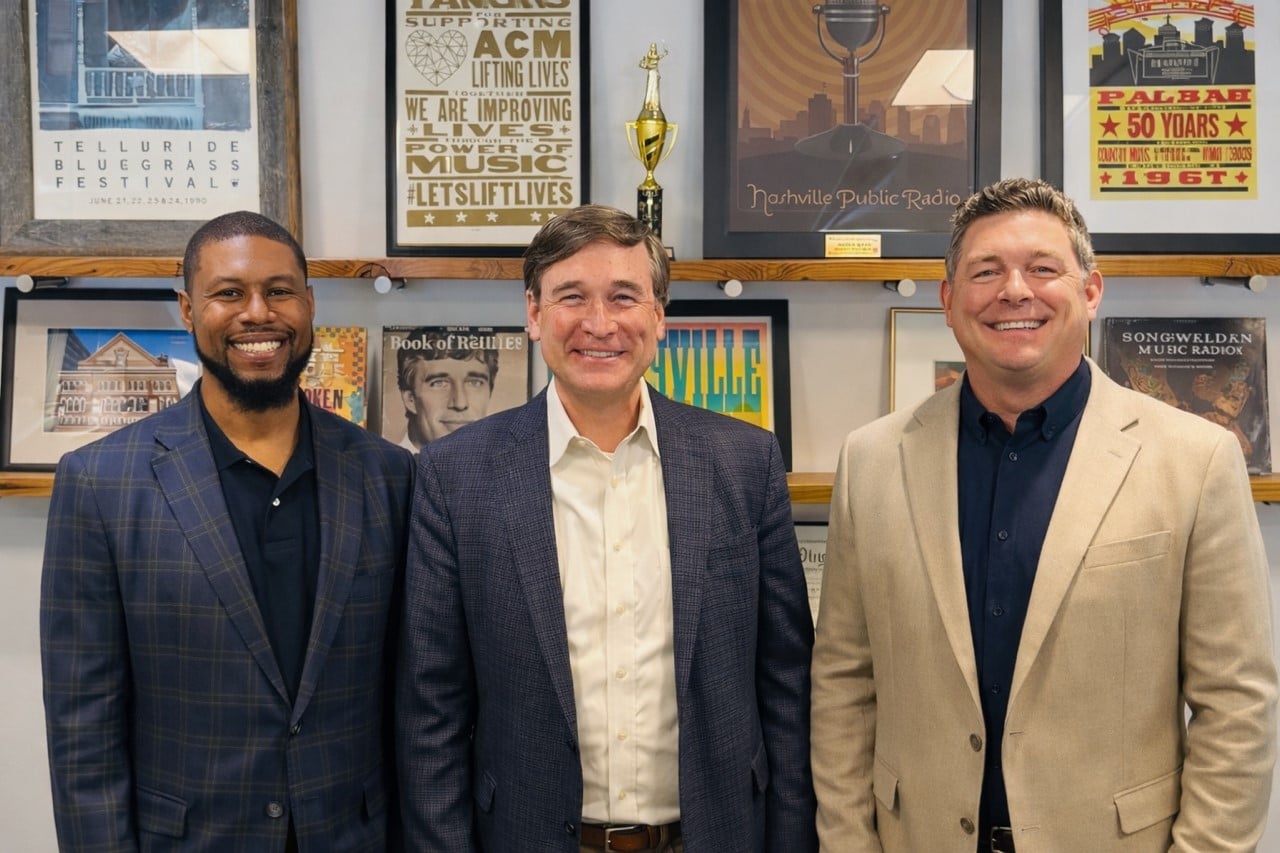
Pictured (L-R): Ben James, Senior Vice President and Managing Director, Music, Sports and Entertainment Group for First Horizon Bank; Andrew Kintz, Executive Vice President, Music, Sports and Entertainment Group for First Horizon Bank; Bryan Bolton, Senior Vice President and Managing Director, Music, Sports and Entertainment Group for First Horizon Bank. Photo: Courtesy of First Horizon Bank

It started with borrowed furniture, a sublet office on Music Row, and zero loans, deposits, or revenue. When First Horizon’s Music, Sports and Entertainment (MSE) group launched in the summer of 2016, Andrew Kintz and Bryan Bolton felt the pressure to generate business quickly.

Ten years later, they have grown into a coast-to-coast team of 21 bankers operating out of Nashville, Atlanta, and Miami, with clients spanning New York and Los Angeles and beyond.

The group has originated over a billion dollars in financing for the music industry. What began as a scrappy bet on a niche market has grown into a well-established specialty lending and private banking operation in the entertainment business.

Today, approximately 89 percent of the group’s revenue flows from five cities: Nashville, Atlanta, Miami, New York, and Los Angeles. This concentration speaks to both the geography of the music business and the intentional focus the team has maintained.

Kintz, Executive Vice President, Bolton, Senior VP and Managing Director, and Ben James, Senior VP and Managing Director, are key members of the leadership team. Kintz and Bolton operate out of Nashville’s Music Row office. James leads the firm’s East operations from Atlanta. Together, they sat down with MusicRow to reflect on what the last decade has taught them, what has changed in the music industry, and where they see things heading next.

Pictured (L-R): Andrew Kintz, Executive Vice President, Music, Sports and Entertainment Group for First Horizon Bank; Bryan Bolton, Senior Vice President and Managing Director, Music, Sports and Entertainment Group for First Horizon Bank. Photo: Courtesy of First Horizon Bank

While Kintz and Bolton set up their first office inside SESAC’s Nashville building in 2016, James joined the team through a parallel journey. After years of experience in music finance at SunTrust, James was recruited into Iberia Bank’s Sports & Entertainment group, founded by longtime music finance leader Alex Hernandez.

Iberia Bank and First Horizon merged in 2019, and Hernandez and Kintz brought the teams together to form First Horizon Bank’s Music, Sports and Entertainment Group.

While the merger was a key inflection point in the bank’s growth, streaming changed everything.

If there is a single moment the team points to as the catalyst for explosive growth, it is 2016, the year streaming revenue finally turned upward after years of declining revenue in the music industry.

For years, banking had been comfortable lending against the underlying music copyrights of publishing rights. Record label revenue had cratered from the early 2000s and the cash flows from master recordings were simply too unpredictable to leverage. 2015 was the first year many industry observers realized streaming wasn’t just a niche revenue stream.

Then streaming changed the math.

As Kintz explains, the cash flows from master recordings started behaving similarly to those of publishing assets with some predictability and measurable growth.

“All of a sudden, this entire huge group of clients we were not calling on became open to us and we got super excited,” shares Kintz. “In the overall industry, people got really interested in these assets from both a strategic perspective and as a financial asset.”

Labels, funds, and investors who had been sitting on master recordings suddenly had a bankable asset. And First Horizon was positioned to move fast.

James adds, “You started to see the investor pool broaden as more traditional investors started getting into the copyright game because they started to better understand it. Over the years, it has become a more traditional asset class as investors look for yield.”

Bolton shares that one of the group’s most innovative contributions to music industry finance is an option to “replace the advance” which offers an alternative financing structure. In the traditional model, a label or publisher advances money to an artist or writer, then recoups that advance from the future royalties. For the artist or writer, it comes with real costs. The full advance is considered taxable income and often commissionable. Also, the label or publisher ties up its own capital in the process.

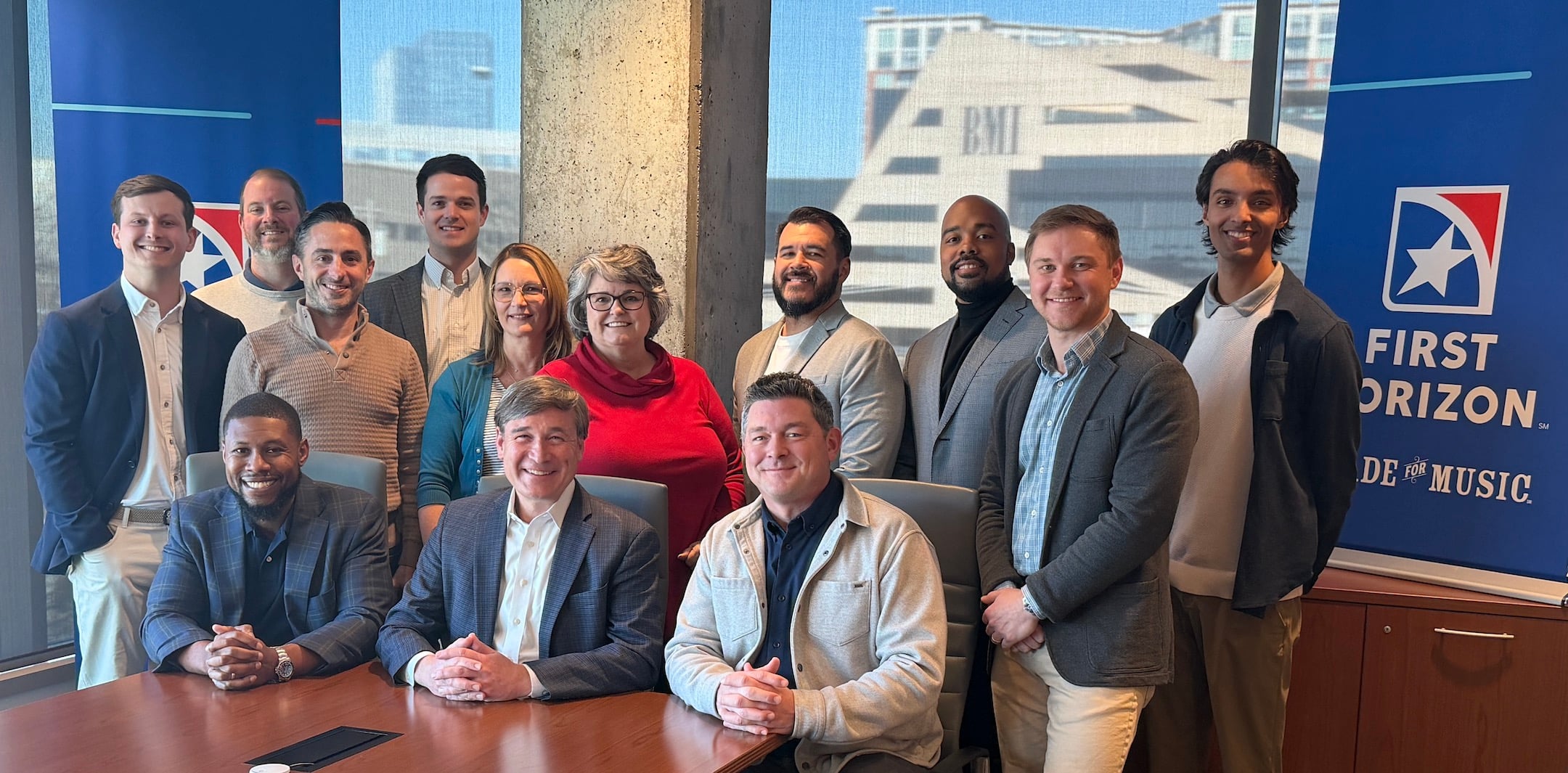
Pictured (L-R): First Horizon Bank’s Jack Spangler, Tyler Marler, Daniel Webster, Ben James, Ben Jelks, Christy McDaniel, Debbi Hooper, Andrew Kintz, Colby Shepperson, Reuben Coopwood, Bryan Bolton, Alex Strong and Parker McRoy. Photo: Courtesy of First Horizon Bank

The alternative structure is more nuanced. The artist or writer comes directly to First Horizon for a royalty loan. The loan incurs interest but is repaid as royalties come in. Because it is structured as debt rather than income, the artist pays taxes only as royalties arrive each year, not on the lump sum advanced in the beginning of the deal. Commissions are not triggered until the royalties are earned and the label retains its capital to invest elsewhere.

“It is literally the efficient allocation of capital. It is more efficient for us to put bank capital to work,” says Kintz. The deal works for everyone at the table and it represents exactly the kind of creative financial structuring that defines how First Horizon approaches client services.

For a long time, investing in music felt like a vanity play. You could see and touch a building. You could run the numbers on a manufacturing company. But for the music industry, the investable side felt abstract, emotional, volatile, and unquantifiable.

That perception has fundamentally changed, and the team at First Horizon has watched it happen in real time over the last decade.

Several forces drove the shift. The first was data integrity. Kintz points to the contrast between the 1980s, when tracking a song’s global consumption was essentially impossible, and today, when streaming platforms generate granular, real-time royalty data at scale. When a bank can see exactly how much a copyright is earning, in every market, on a monthly basis, the asset becomes much easier to value and underwrite.

Another force was the arrival of institutional capital. Private equity giants such as KKR, The Carlyle Group, Blackstone, and Apollo have all launched specialized vehicles and joint ventures to actively acquire music catalogs, royalties, and publishing rights. The influx of institutional money has done more than just validate the asset class. It has brought powerful advocates to Capitol Hill lobbying for songwriter and artist rights.

The Music Modernization Act is one example of how advocacy translated into laws that help not only copyright owners, but also make music more bankable.

Relationships drive their business, not transactions. Bolton describes the foundation as deceptively simple by doing what you say you are going to do, tell the truth even when the news is hard, and never resist picking up the phone.

James adds, “It’s important to not be transactional. I try to never forget it’s always about the people.”

That culture runs through the internal team as much as the client roster. Kintz describes their banking group as genuinely invested in one another. This fosters a work environment that is the kind of place where a colleague’s baby shower becomes a team event and where people show up not because they have to, but because they care about the person.

Looking into the future, no conversation about the music business is complete without addressing AI, and the First Horizon team receives this question constantly.

Their take is measured. For their core business, lending against established catalogs with multi-year track records and proven fan bases, they are not particularly worried. The cash flows are stable, the consumption data is clear, and the emotional bond between audiences and artists is not something an algorithm can manufacture.

Speaking of the deep emotional connection people have to music, Kintz shares, “We do not believe AI can take that away. Velvet Sundown, [an AI-generated artist], might be an interesting listen, but at the end of the day, there is no deep emotional connection.”

Where the team sees real risk is for emerging artists. A market flooded with AI-generated music makes discovery harder for early-stage creators trying to break through the noise.

But they also see AI as a tool. Songwriters are already using it to test arrangements, explore alternate tempos, and develop ideas faster. And companies are building AI-powered royalty collection tools that could help ensure artists actually get paid what they are owed. The winners and losers dynamic is real, but it mirrors what the industry experienced with the internet.

A decade in, First Horizon no longer feels like the younger sibling in the music banking world. The team is being invited into deals led by other institutions, and they are leading deals that bring others to the table. The steady, compounding growth they have built in headcount, deal volume, revenue, and geographic reach has earned them a seat at the table.

Kintz sees consistent growth, expanding relationships, and a business that continues to attract bankers who are equally passionate about music and finance.

“The pie keeps getting bigger and that, to me, is an encouraging sign,” says Kintz.

From a sublet office with borrowed furniture and no revenue to a billion-dollar origination business in ten years, First Horizon has proven that the music business, understood on its own terms, is as bankable as any industry in the world.

My Music Row Story: MooTV’s Scott Scovill

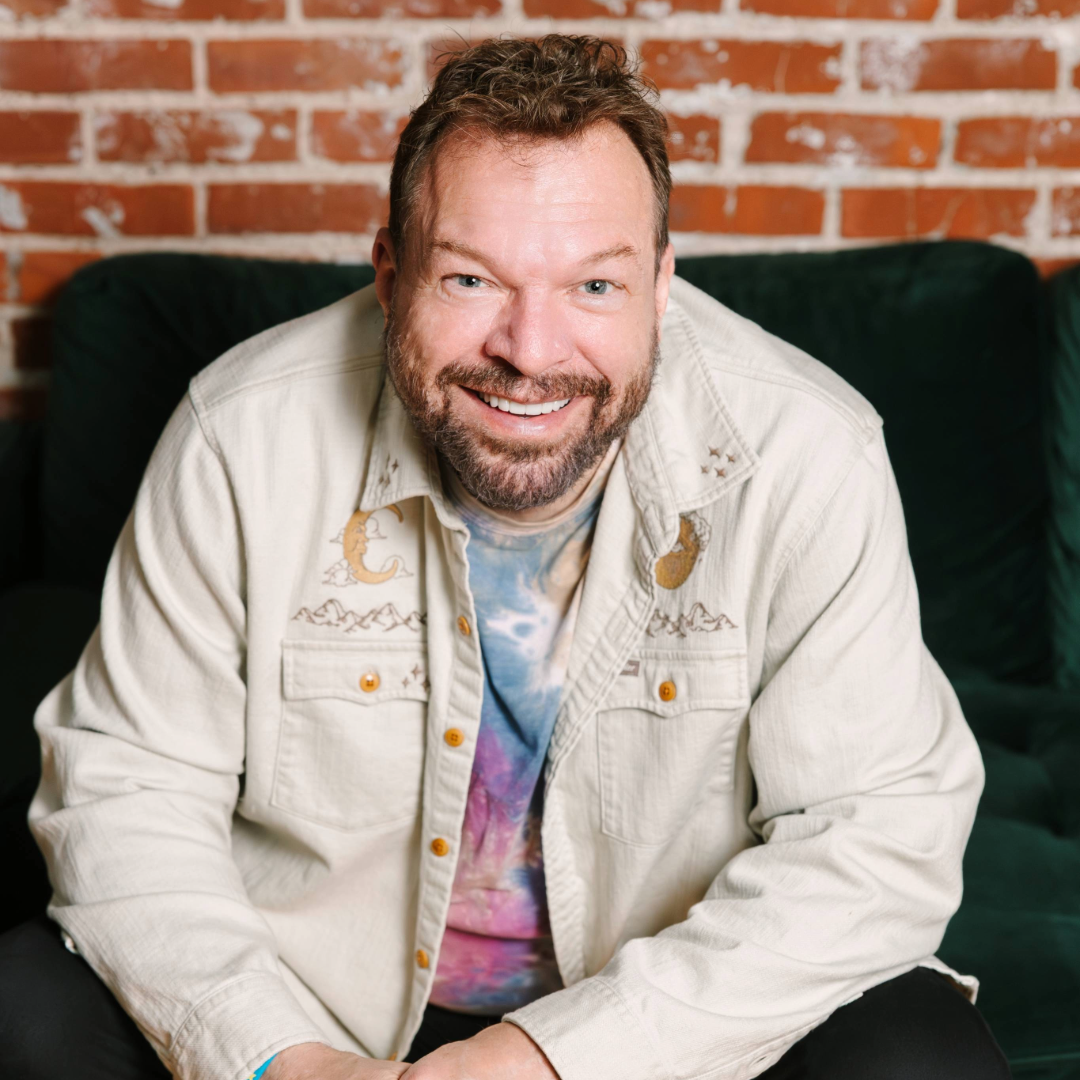
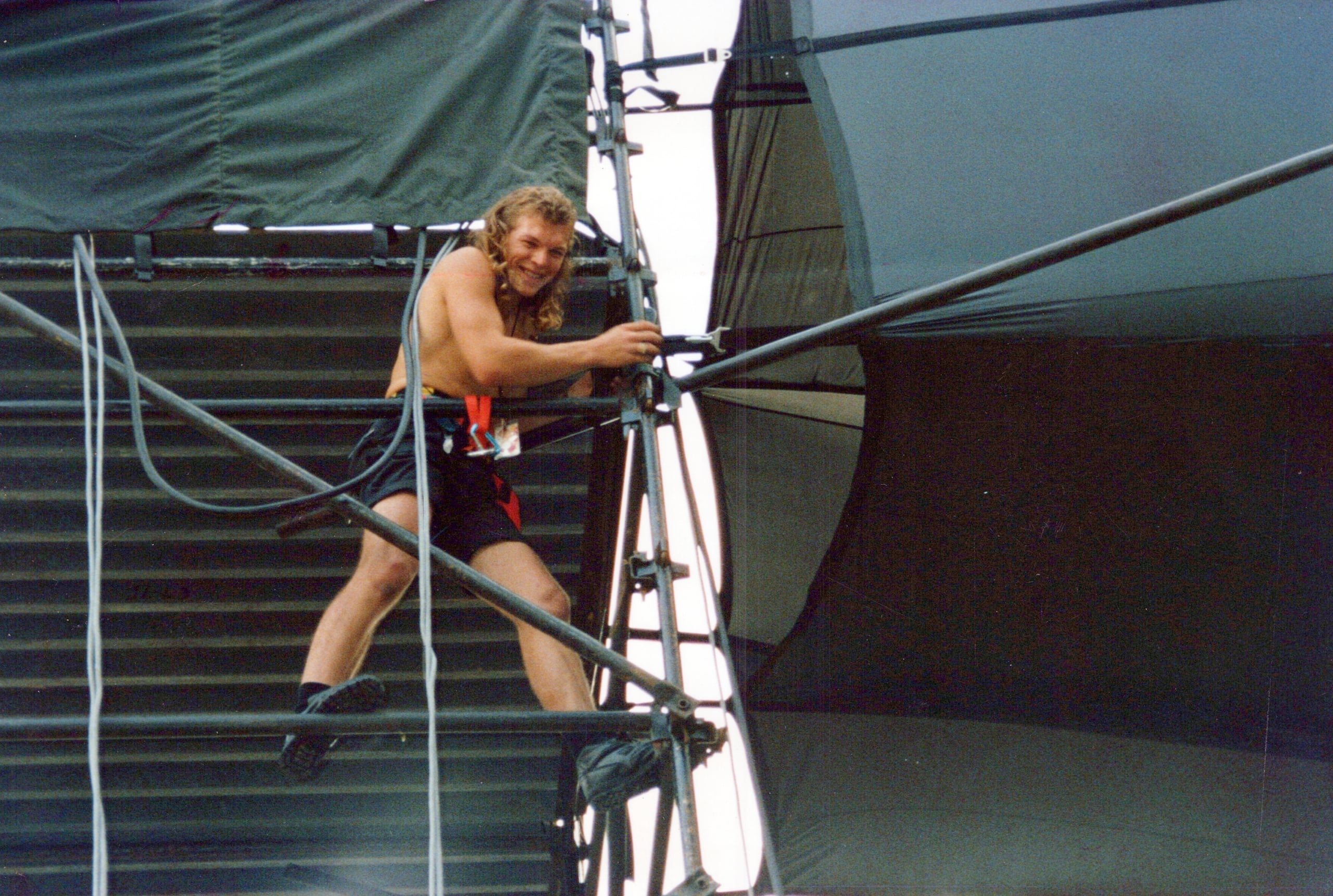
Scott Scovill. Photo: Courtesy of Scovill

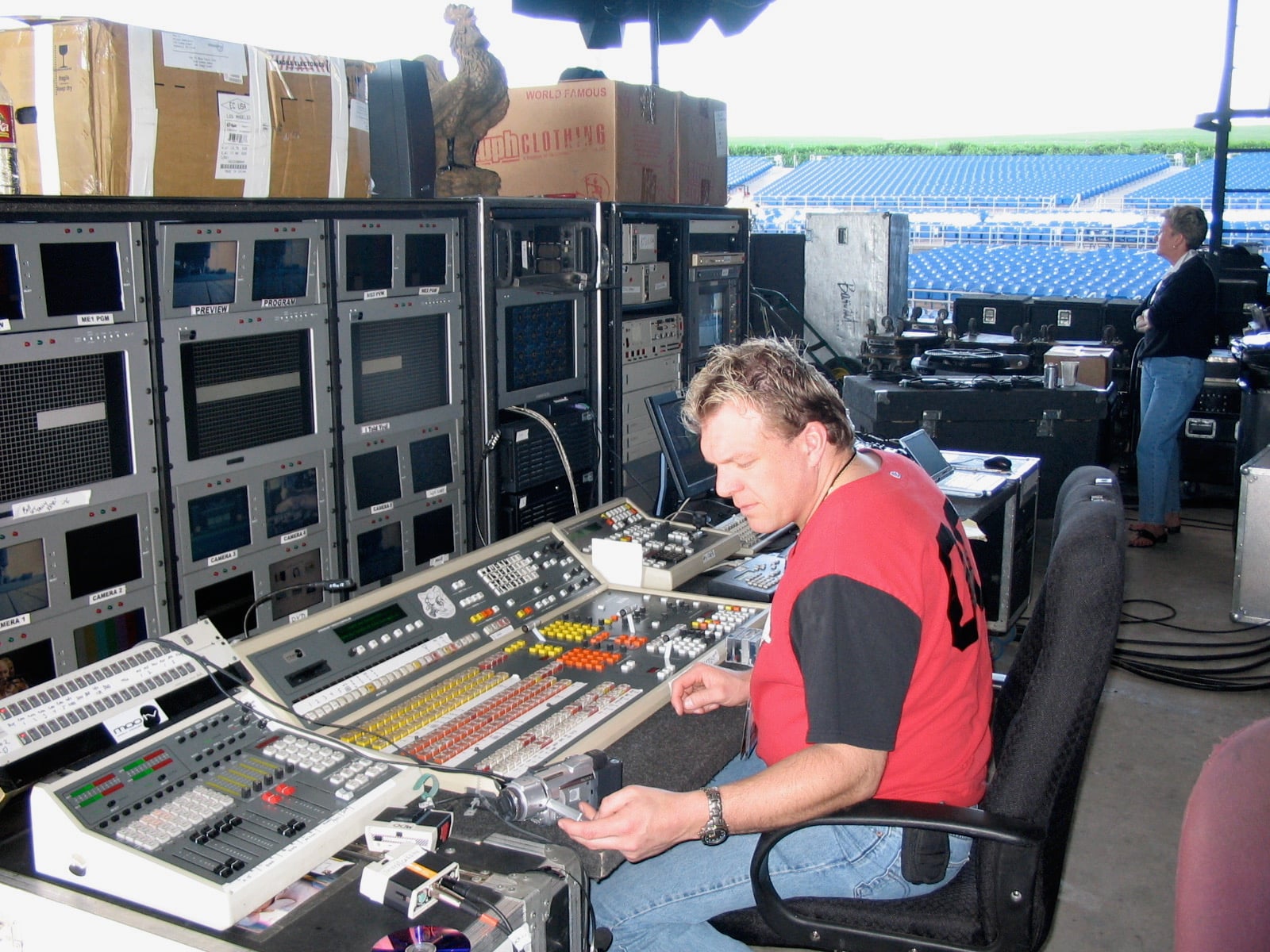
Scott Scovill is an award-winning entrepreneur, creative director, producer and Founder of Moo TV, a global leader in video production. Under his leadership, the company has grown into one of the industry’s top production firms, producing more than 1,000 live events each year and earning multiple Video Company of the Year honors.

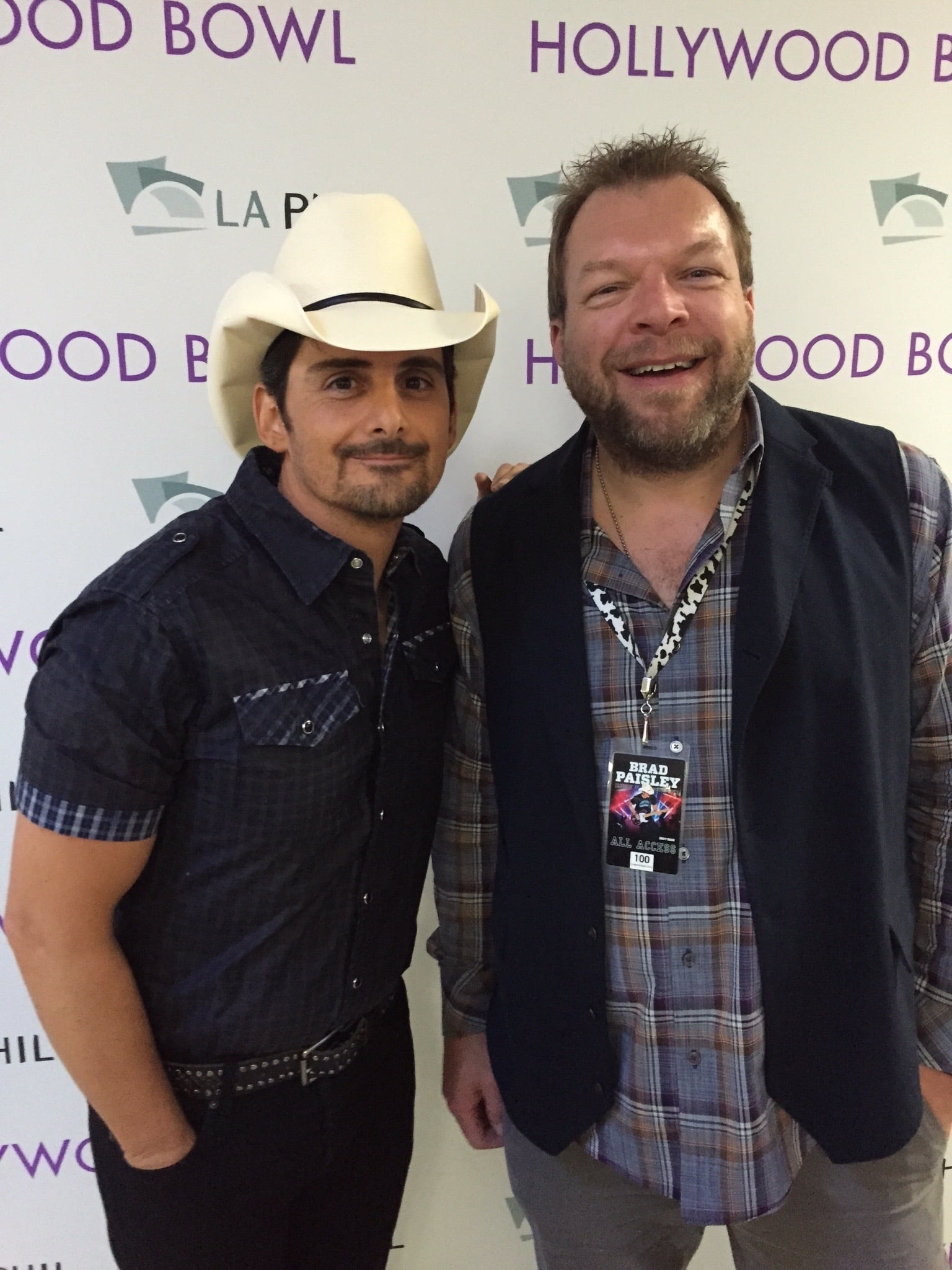
Throughout his career, Scovill has directed live concerts and produced major television specials, including a CBS special featuring Garth Brooks and Trisha Yearwood. He has received numerous industry awards, including a CMA Touring Award for his work with Garth Brooks and Visual Designer of the Year honors for Brad Paisley’s world tours.

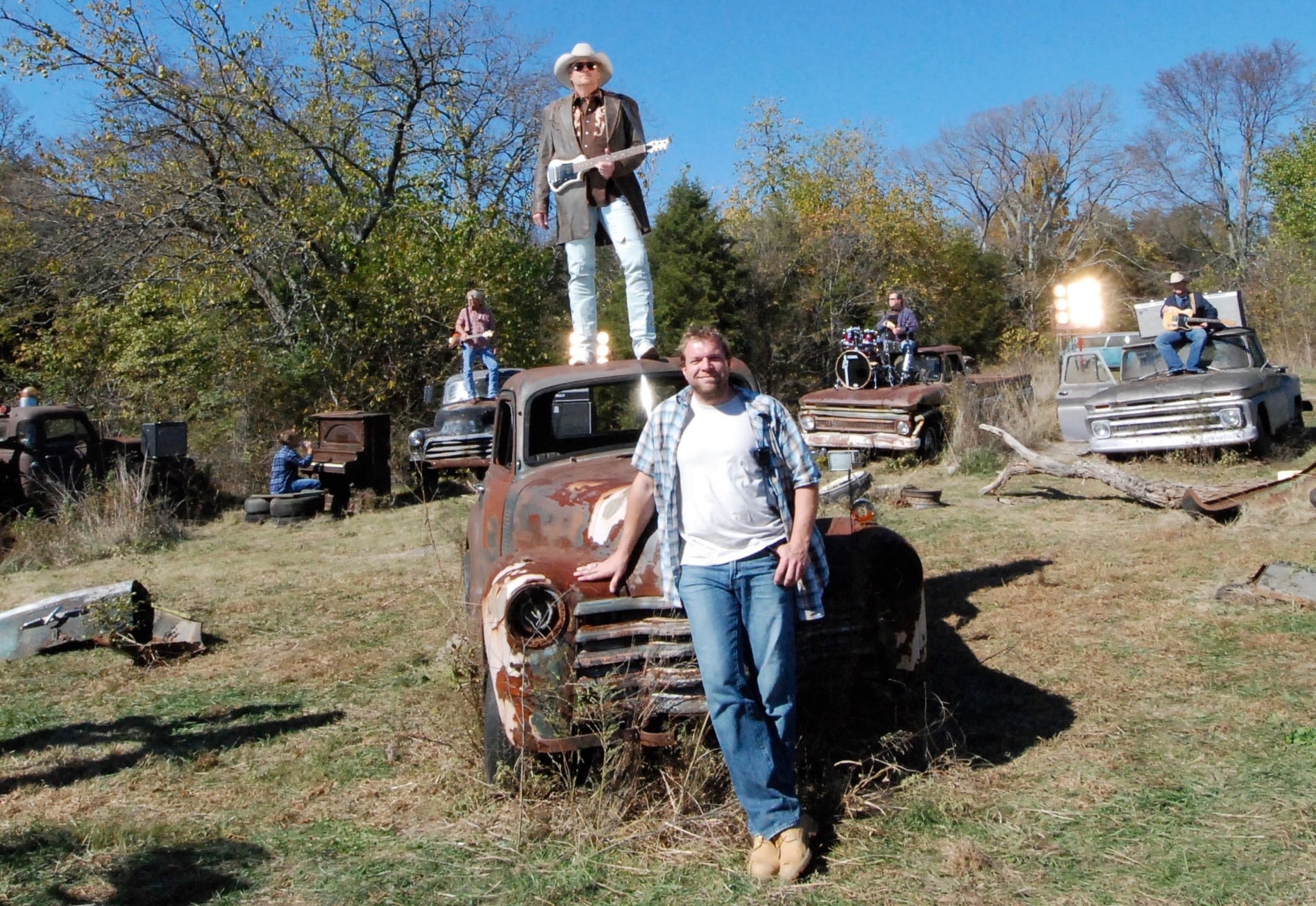
Beyond his production career, Scovill is an avid traveler who has visited nearly 60 countries. He also enjoys pursuing new challenges, from learning to play hockey as an adult and earning a spot on an all-star team to becoming a professional photographer, with work featured on an album cover for Alan Jackson. He is also a singer-songwriter with multiple albums and continues to perform internationally.

Scovill is the author of Tenacious: The Art of Relentlessly Pursuing Your Wildest Dreams, a memoir and motivational guide that shares the lessons, experiences and mindset that helped shape his career. The book features insights from leaders across music, sports, business, the military and space exploration, offering readers practical encouragement to pursue their goals with persistence and purpose.

MusicRow: Where did you grow up?

I grew up in Poestenkill, New York on a farm.

Photo: Courtesy of Scovill

What kind of music were you into growing up?

Top 40. I listened to Casey Kasem’s top 40 Countdown relentlessly, and that was my choice. But whenever we were on vacation or out doing things together as a family, it was Willie Nelson, Kenny Rogers and John Denver. Tons of John Denver.

Did you know you want to go into music while you were growing up?

No, I had no idea what I wanted to do.

Tell me about school.

I graduated last in my class in high school. They just decided to pass me to move me on. I was unable to do my homework when I was a kid. When I would try and do my homework, I would have an anxiety attack and my grades showed that. Despite that, I decided that I felt like I would go to college. It was always expected of me that I would be the first person in my family to go to college. I did, and I flunked out of college as well.

Right around that same time, a psychologist diagnosed me with fear of failure, and it’s really interesting to have a diagnosis after all that time of feeling broken and just feeling like you just weren’t a good person. He said that it would be easier for me to grab a red hot stove and hang on and maim myself than to actually try.

Photo: Courtesy of Scovill

How did that affect your next steps?

With that diagnosis, and while flunking out of college, I was at a really rock bottom moment when a girl that I cared very much for was killed in a car accident, and I just bottomed out. I was waiting tables at Howard Johnson on the side of the highway, not my dream job, and I wasn’t very good at it.

While there, a tour bus rolled into the restaurant and had a space shuttle painted on the side, and I wanted to wait on that table. I thought maybe these people worked for NASA. I ran to the hostess and begged her to sit them in my section, and she did. But I watched them get off the bus and was very disappointed to see them wearing all black with long hair. I did not know what a tour bus was obviously. [laughs]

I take their drink orders and ask them what’s the deal with the bus. One of them in a very heavy Irish accent says they work for U2. That blew my mind. It amazed me that you could work for U2 for a living. I didn’t get it. I had a million questions, and they invited me to a show.

Photo: Courtesy of Scovill

Did you go to the show?

I drove three hours to the show and had an incredible time learning about the industry. The show ends, I’m still picking their brains. They had a show right there again the next day, and invited me to come back, and told me to get there early.

As soon as I got out of the car, I was able to park right by the buses. We got my tickets sorted out and walked down into the arena and Bono and Edge walk up to the guy who’s escorting me and start talking to him about something. Mind you, this is right as The Joshua Tree album came out and U2 is the biggest band in the world. I was starstruck.

When I walked away from them, it struck me that I had just met two of my heroes, but I was more interested in what had been happening backstage and learning about this industry.

After hanging out more with the crew and learning and observing everything, it was time for the show. The lights go out and everybody goes nuts. 15,000 people screaming at the top of their lungs. That’s when I had a paradigm shift. I stood there in the dark and realized this is what I was going to do with my life.

What were your first steps getting into the live music world?

Over the next two weeks I brewed up the worst plan in the history of worst plans. It was devastatingly bad, but my plan was that I was going to quit my job and quit school. They were throwing me out of school anyway, so that wasn’t hard. I moved into my Subaru BRAT, which was a compact car with a truck bed, and I was going to sneak in every night and work for free until I learned enough and proved that they should hire me.

I wanted to be upfront with the crew and tell them I was doing it. I knew they couldn’t give me permission, but to them, I wouldn’t look like I was sneaking in. I was being sneaky with security, but not with the crew. So two weeks later, I found the venue, I found the tour buses and where the crew will be. They were flying in from Europe, and I’m waiting in the lobby of the hotel. I went up to the guy in charge and told him my plan. He must’ve thought I was completely nuts.

Every night, I waited at the top of the ramp and piled in with the stage hands and walked down the ramp and just looked like I didn’t want to be there and blended right in. I also made myself a laminate that was white and had radio codes and such. I saw that they made laminates that had notes for their truck packs and what the radio channels were. Two is sound, three is lights. So I made myself a fake laminate that had that on it. I did get stopped several times and would pretend I left my laminate on the bus, and try a different entrance. I almost got arrested three times doing it. There were very lengthy conversations with the police.

Photo: Courtesy of Scovill

How long did you do that?

Five weeks. I got walking pneumonia at one point. It was pretty brutal. Almost fell asleep driving from city to city.

Pittsburgh was my last show. I got out of my car and some of the crew guys had told me the band’s management had an argument with the union over something, and it was mentioned that I was there and the union fined the band $5,000 for having non-union labor on site. That’s how it ended.

What came after U2?

After the whole tour, I knew I wanted to do video. The Joshua Tree Tour was one of the first tours to ever have video. If I got into video, I would be on the bottom rung of maybe a two rung ladder.

Lawrence Anderson, who was on the U2 tour with me, called and told me the video projectors they use are a nightmare, and nobody knows how to run them. Nobody’s good at it. Nobody wants to learn. There was a training center for them in Syracuse, New York. I finagled my way into there, which wasn’t normal, because usually a company sponsors you to get in.

What happened after completing the class?

There was someone else in the class that eventually got me a job with his company in D.C. I did corporate video in Washington DC for two years. I hated it and loved it at the same time. I loved that I was learning, but it had nothing to do with music, and it was a lot of pressure. I was failing and I was having breakdowns. I was in tears at times and all the things that dysfunctional people do when they’re trying to get over their worst fears. We got one music gig in the two years I was there, and we did so horribly at it. They fired us the next day.

Photo: Courtesy of Scovill

How come?

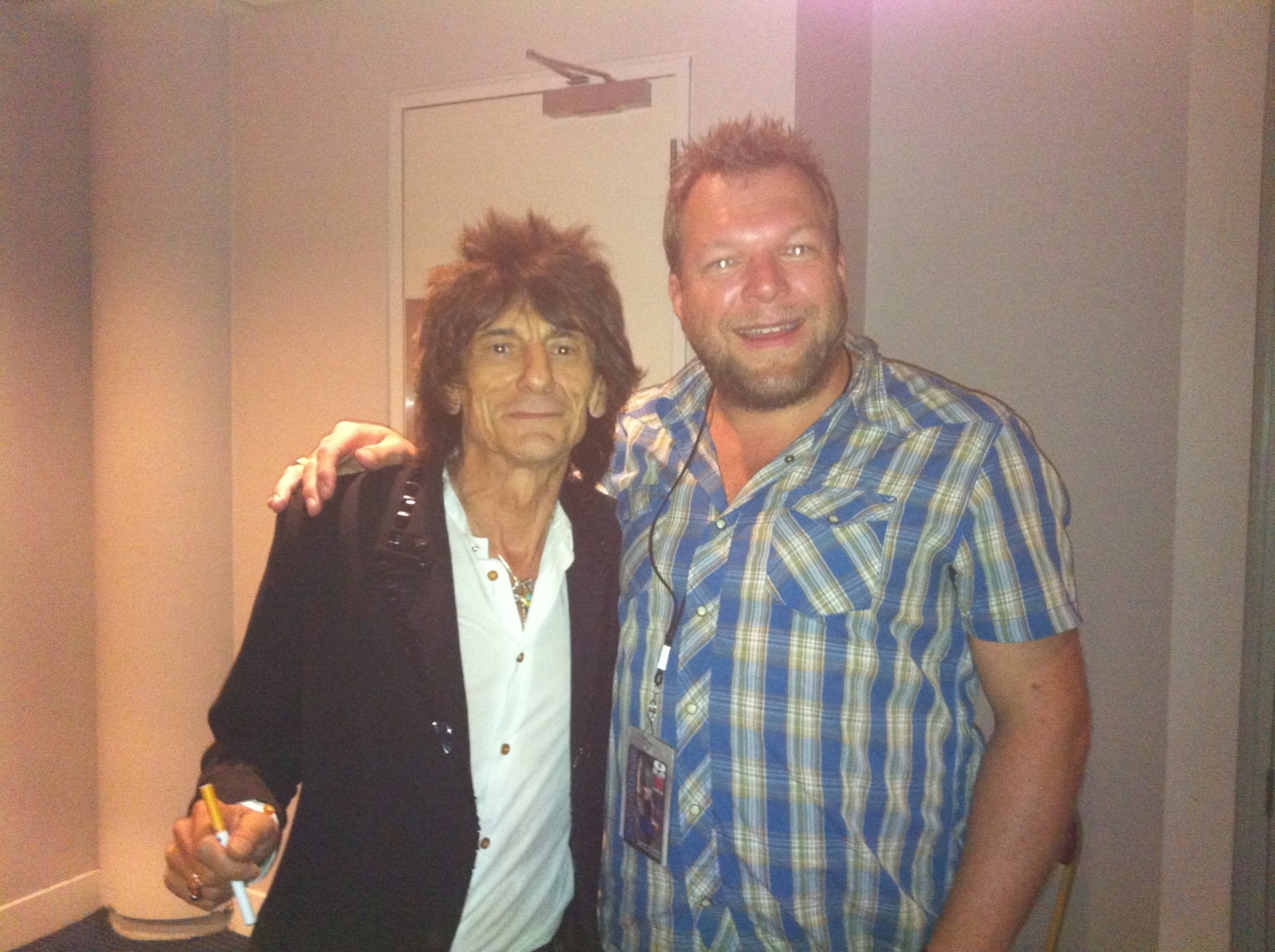
We didn’t have the technology. We were the wrong company for it. I didn’t even know what we didn’t know, but I wanted to find out. The next stop of the tour was in D.C., so I pulled a card out of my old playbook and I snuck in. It was a stadium rap tour. I figured out who was in charge and went down and asked him a bunch of questions. He eventually realized I wasn’t who I was pretending to be. We got into it and had to be split up. The guy who split us up had just gotten onto the Rolling Stones tour. We really hit it off, and he eventually got me onto the biggest tour at that time. I spent the next 13 months traveling the world with the Stones, 23 countries. It was awesome.

What did you do after the Rolling Stones?

After the Stones, I went to David Bowie, which was unbelievably cool. Definitely the coolest show I’ve ever done. I also did tours with Paula Abdul, Whitney Houston and Ozzy Osborne.

One of the three owners of the company I was working for loved country music. Alan Jackson‘s team had seen Paula’s show, and they reached out and asked if they could have the same equipment and people Paula had. Before I knew it, I was packing my bags.

So this is how you got to Nashville?

Yes, in 1992. I’ll admit, I struggled with the structure of country music. I came straight from Ozzy Osborne to this new structure. I showed up for the first show and Mark McClure, Alan’s fiddle player, walks up with a chew in his mouth and his bow, and just hits my notes with his bow. I had called the fiddle a violin, so all of my notes were off.

Mark told me they couldn’t figure out why I was here. I was a guy from New York with hair down to my butt who knew nothing about country music. It was a rough start, but Mark and I went on to be great friends. Alan and I formed a great partnership that went on for 22 years.

Photo: Courtesy of Scovill

And where did Moo TV come in?

A few years in, I talked to my boss Lee Griffin because I was frustrated that nobody knew what to do with video screens. People kept hiring their video director or their brother-in-law that went to film school to create content. Those people are very talented, but they’re all conditioned to tell a story inside a rectangle. What they don’t get is that the rectangle is a part of the story. It is not the whole story.

I asked for Lee’s permission to moonlight a little bit and start a company that creates content for shows, because I wanted to make Alan’s show great, and maybe we could do that with our other clients too. It was so much money and equipment, I felt it needed to be a business for tax reasons and all that. He initially said no, which shocked me. A week later he asked if I was still thinking about it. He told me no because he was afraid he’d lose me. He offered to be my 50/50 partner in it. We went into business and made Moo TV the first ever creative content company.

Photo: Courtesy of Scovill

Who were some of your first clients?

Alan, Tim McGraw, Vince Gill, Amy Grant and Martina McBride. We did some awesome creative stuff with those guys, and I was really proud of it. It made people want to work with us. I remember doing some really cool stuff for Lone Star and just having a blast.

I had a VHS library of stock. I would find something interesting and then plug the tape in. Then I’d get on the phone and order the clip numbers in the specific resolutions I needed and ask for it to be delivered via beta tape. That was how we would get stock footage.

How did the Nashville base eventually grow?

I went to Lee and told him we needed a Nashville office full time, and that I was going to run it. I was doing that for a decade. In 2002, I got a phone call that Lee was murdered. I spent three months pretty lost and depressed. Eventually, one of my employees asked all the other employees and clients if they would come work for me if I started a company like Lee’s and how they could help. It was a great way to keep some part of Lee alive.

I went to the bank and got the biggest loan they would give me, I mortgaged my house, and I got a loan from Sony to get some of the cameras. I also got a loan from the projector company and a few others, eventually ending up with a bunch independent loans, and seven different credit cards.

At this time, the government mandated that television had to go to high def. TV stations were starting to switch to high def and they had nowhere to put their standard definition gear, which was all we needed. It’s all anybody used in the industry at the time. I built automated eBay searches for what we needed. I would click one button on my little Macintosh notebook and then go make dinner. It would take all of dinner for my ISDN modem to load all of the searches. It’d be like 40 tabs full of everything I needed.

It took years to dig out from under the debt, but we were kind of like the Millennium Falcon of the video industry. We were held together by gaff tape and dreams, but we were outperforming everybody else. That was the start of Moo.

Photo: Courtesy of Scovill

What made you want to write your book?

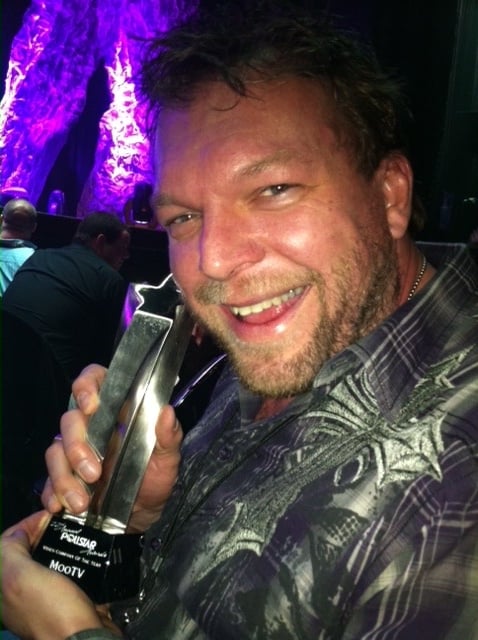
Moo TV was nominated for video company of the year, seven years in a row at the Pollstar Awards. During the seventh nomination, we finally won. I ran up on stage, I get the award and I give a little speech that looks smooth. But when I got off stage, I fell against the wall. I had an anxiety attack. I didn’t know that I was afraid of public speaking. I’d never had to get up in front of a group like that.

To get over the fear, I went and spoke at a couple of colleges. At the second college I spoke at, I changed a young lady’s life. She had quit school that day. She started crying halfway through my talk and afterwards had decided she was not going to quit school after listening to me. I offered to mentor her. She eventually graduated and I had learned that public speaking is powerful.

I had met Cameron Harold who is a well known public speaker. After hanging out with him for a day, he told me I should write a book. I brushed it off at first. The next day his publisher called me. After much convincing, I decided my story was one worth telling.

At first, someone else was going to write the book for me. They sent me the first chapter, and it didn’t feel right. I had written my own version of the first chapter, and my publisher and I both agreed that I needed to be the one to write my story.

What’s a moment that your little kid self would be proud of?

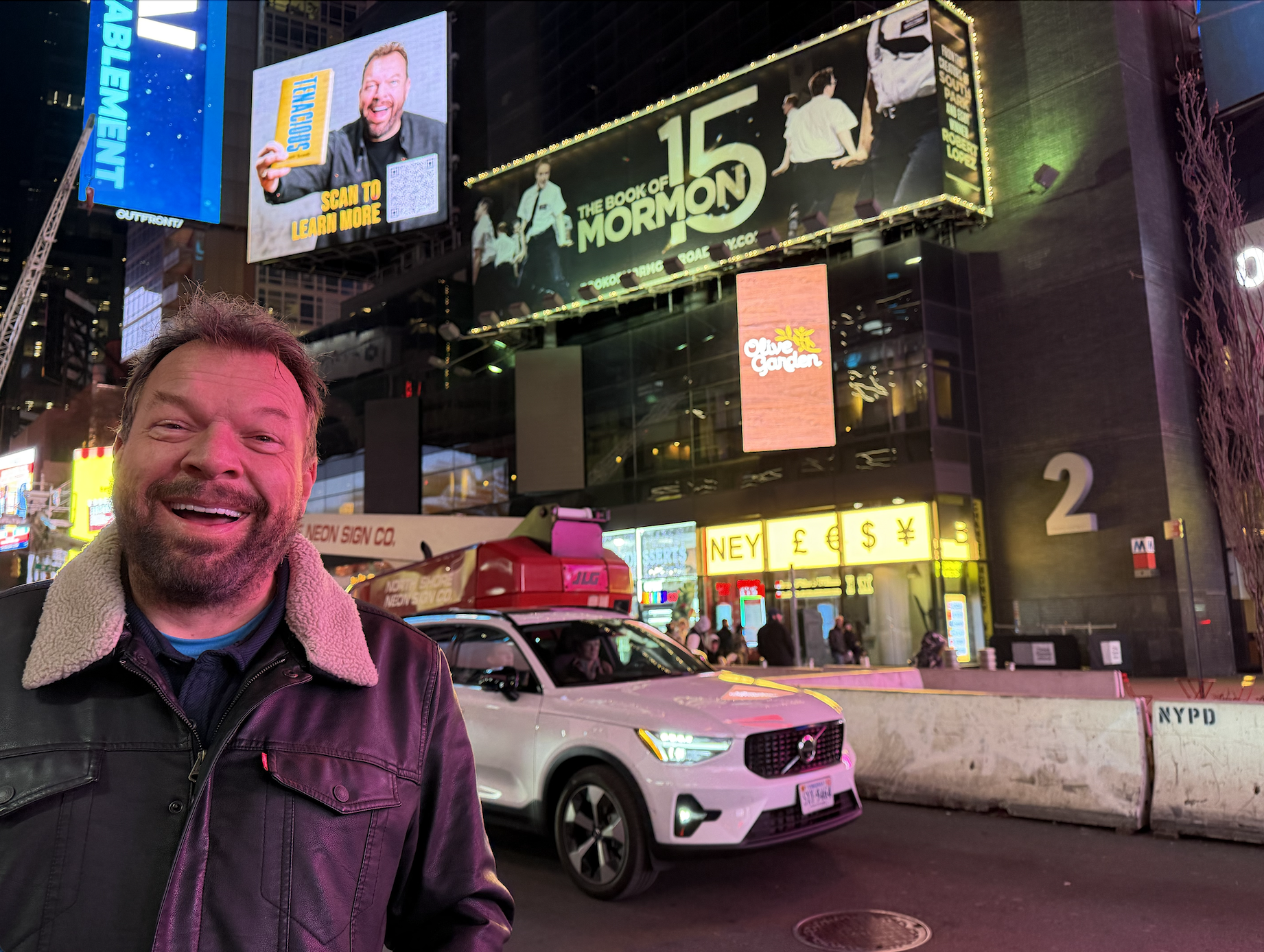
Me and my girlfriend were walking through Times Square and above us is a billboard that is cycling my face with the book on it in Times Square, the same day I was going to NBC Studios to talk about my book on national television. That was a surreal moment.

BREAKING: CMA Taps Brittany Schaffer As Next CEO

Brittany Schaffer. Photo: Matt Andrews

The Country Music Association has tapped Brittany Schaffer as the next Chief Executive Officer. Schaffer will join the organization on Sept. 8 as part of a strategic transition plan ensuring continuity for CMA’s staff, Board and members, and will officially succeed current CEO Sarah Trahern on Jan. 1, 2027.

Schaffer joins CMA from Belmont University where she serves as Dean of the Mike Curb College of Entertainment & Music Business. Prior to her time at Belmont, she spent over a decade in the industry as an entertainment attorney at Loeb & Loeb LLP and later as Head of Artist & Label Partnerships, Nashville at Spotify, where she shaped strategy for the Country, Christian/Gospel and Americana genres and cultivated key industry partnerships.

“Country Music meets people where they are, and it changes lives every day. That starts with songwriters and artists and everyone who carries this music to fans around the world,” shares Schaffer. “Serving them is the honor of a lifetime. Sarah Trahern will leave CMA and this community stronger than she found it. I’m grateful for her mentorship and friendship, and for a transition marked by the same professionalism and intentionality that defined her tenure. Together with CMA’s talented staff and members, we’ll build on that foundation. We’ll reinforce the connectivity within this community, bring renewed energy to our signature events, and find new ways to connect Country Music with fans around the world. And if we get that right, somewhere a song will find somebody who needs to hear it. That’s the heart of this work, and I can’t wait to get started.”

Trahern announced her retirement earlier this year following 13 years leading the organization.

“Leading this organization for 13 years has been the honor of my life, and I have this community to thank for that,” says Trahern. “I’m grateful to our search committee for the time, care and integrity they brought to this process, and I trust the thoughtfulness they poured into it. I wish Brittany every success as she steps into this role, and I look forward to cheering this entire industry on for many years to come.”

“Our search committee set out to find a leader who understands the responsibility of representing this industry, not just the opportunity of it,” says Jay Williams, CMA Board Chairman and WME Nashville Partner and Co-Head. “We met with an exceptional group of candidates, and we believe Brittany is exactly the leader to carry this organization into its next era, and to make sure Country Music’s influence continues to expand well beyond Nashville.”

Morgan Wade Inks With Warner Records Nashville

Morgan Wade & Cris Lacy. Photo: Erika Rock

Morgan Wade has signed with Warner Records Nashville.

Wade first garnered attention in 2021 with her breakthrough debut album, Reckless. The album’s hit single “Wilder Days” reached No. 36 on U.S. country radio. She has since released three albums, Psychopath, Obsessed and The Party Is Over (recovered). Wade recently appeared on Dutton Ranch.

Blending country, rock, and Americana influences, her music explores themes of addiction, mental health, resilience and self-discovery. She will release her next single, “Love’s Insane,” on Friday, which she solo-penned.

BREAKING: Raffaella Braun Named Co-President Of Triple Tigers Records

Raffaella Braun

Raffaella Braun will serve as Co-President of Triple Tigers Records alongside Annie Ortmeier. She will report to George Couri, Founder and Managing Partner.

Previously serving as Vice President of Radio Promotion, Braun will continue leading radio promotion efforts across the entire Triple Tigers roster alongside Ortmeier. With more than 15 years of industry experience, she most recently helped secure the label’s last 13 (of 16 total) No. 1 radio hits for artists including Scotty McCreery, Russell Dickerson and Ella Langley. Before moving into radio promotion, Braun worked as a booking agent at CAA and as an event producer.

“I knew Raffi as an agent, and her entire time as a promotion executive,” says Couri. “I’ve seen her lead teams, solve problems and think far beyond radio promotion, figuring out ways to connect an artist with a larger audience. She is relentless, focused, and able to navigate difficult situations without ever losing her wonderful attitude. She was my immediate choice upon hearing of Kevin’s stepping aside. I am excited for her to join Annie as the two-headed juggernaut that will lead this team to even more wins.”

“I’m beyond honored for the opportunity to step into this role and continue working with the exceptional team for the good of our incredible artists and their unbounded art,” adds Braun. “Kevin Herring’s contributions are the foundation of Triple Tigers. He has well prepared us for the road ahead, and happy he is still with us for a good while. I am committed to upholding his incredible legacy and building on the strong foundation he created. I cannot wait to see what Annie, George, the team and I can produce and expound upon from here.”