
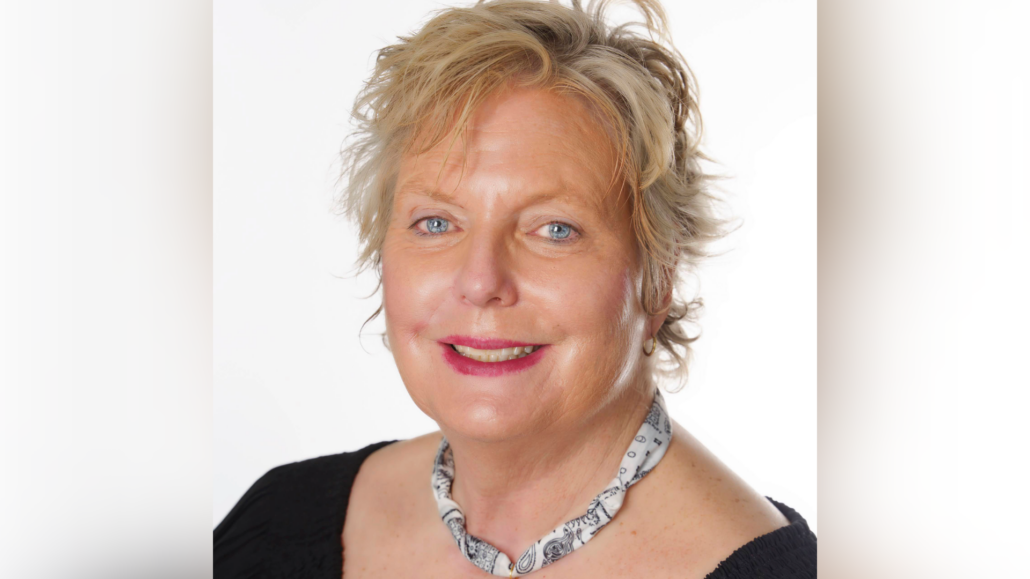
My Music Row Story: PLA Media’s Pam Lewis
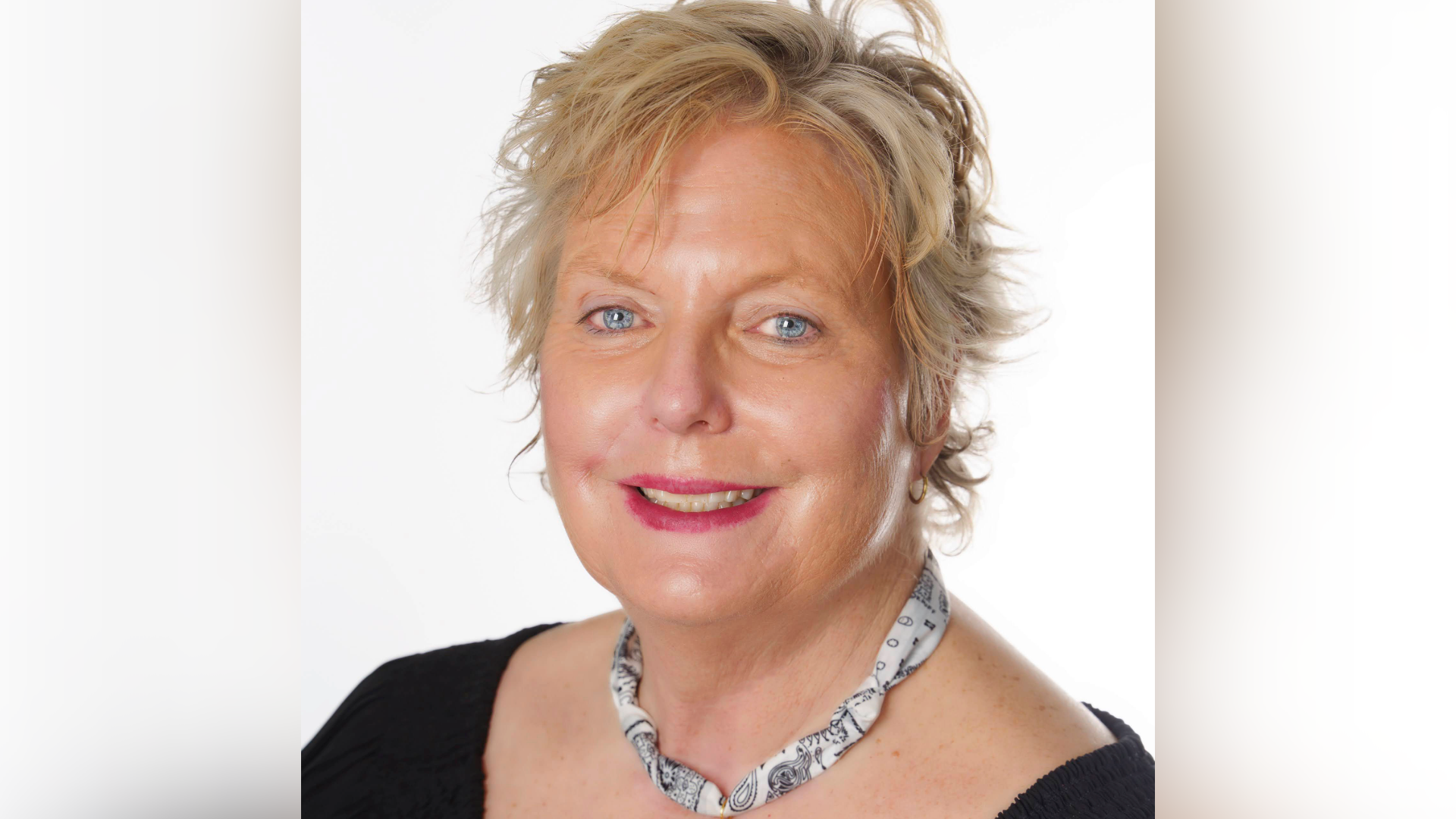
Pam Lewis
Pamela Lewis, a native of upstate New York, graduated from Wells College with a B.A. in Economics/Marketing and a minor in French and Communications, including a year studying in Paris through COUP, affiliated with The Sorbonne. In New York City, she worked at MS Magazine and pursued graduate coursework at Fordham University and The New York School for Social Research.
From 1980 to 1984, Lewis was part of the original publicity/marketing team that launched MTV, also working with Nickelodeon, The Movie Channel, and A&E. She left as National Media Director to join RCA Records in Nashville, helping shape the careers of Dolly Parton, Kenny Rogers, The Judds, and Alabama. In 1985, she founded the award-winning PLA Media, and in 1987 formed Doyle/Lewis Management with Bob Doyle. Her first client was an unknown crooner named Garth Brooks, whom she guided to superstardom while also co-managing Trisha Yearwood’s early career.
Reinventing herself in 2003, Lewis won a four-year term as alderman-at-large in Franklin, Tennessee, serving as vice mayor and the board’s only female member for two years. She is a graduate of UT’s Local Government Leadership Program and Belmont University’s Scarlett Leadership Institute, and an alumna of Leadership Music and Leadership Middle Tennessee.
In 2023, Lewis was named a Fellow of the Royal Society of Arts (FRSA) during Queen Elizabeth II’s Platinum Jubilee year, joining the ranks of Benjamin Franklin, Charles Dickens, and Helen Keller. She also serves as a U.S. Ambassador for The Unity of Faiths Foundation.
Her charitable work spans historic preservation, women’s advocacy, and animal rights. Lewis has authored three books, including Benjamin Franklin: America’s First Rockstar and Ben Franklin Visits Franklin for a Day, and delivered a TEDx Talk in Franklin, Tennessee, in March 2026.
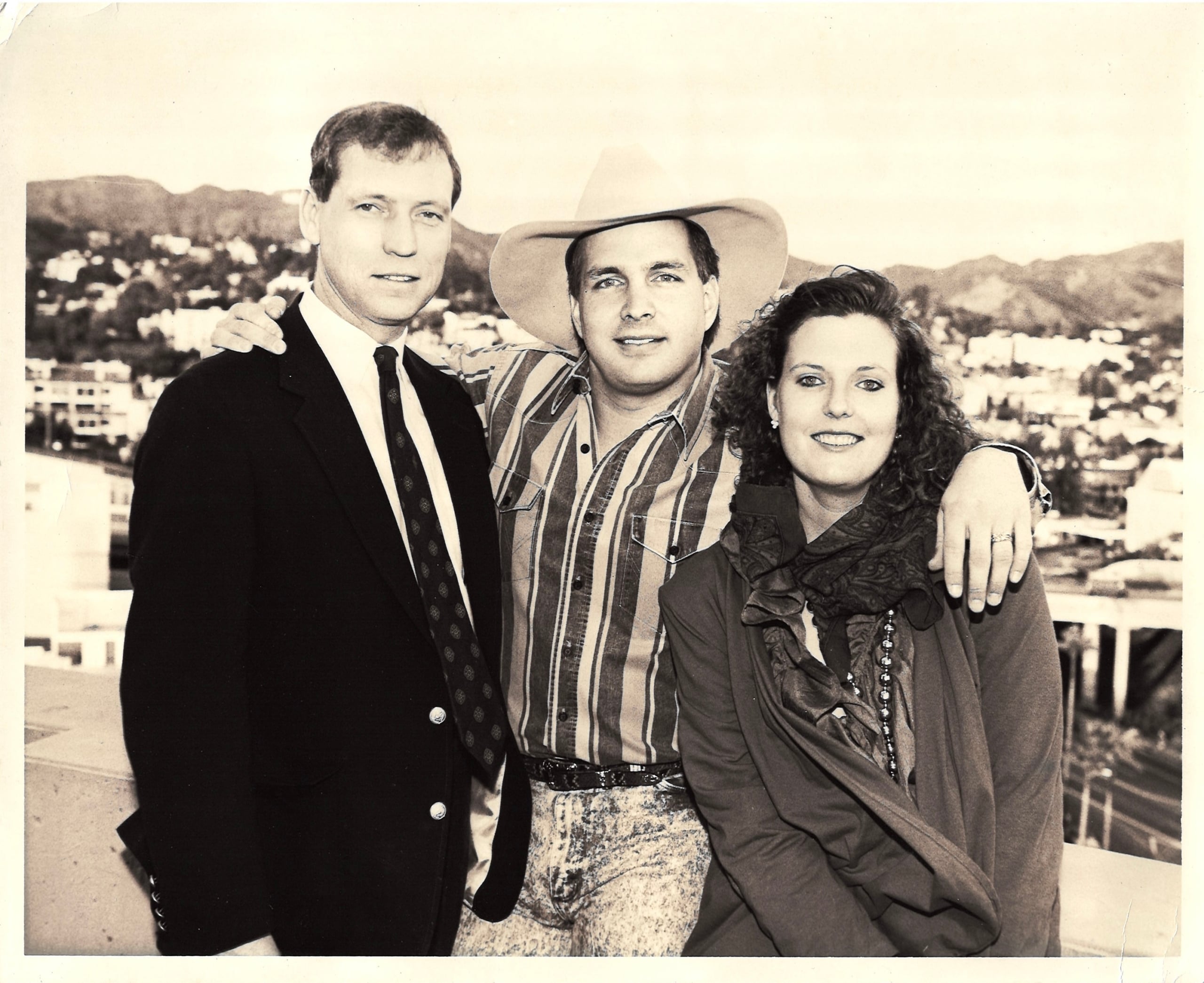
Photo: Courtesy of Lewis
MusicRow: Where did you grow up?
In a small town in New York’s Mid-Hudson Valley; beautiful country with dairy farms and apple orchards along the Hudson River. My dad was a teacher who became a school superintendent, so I couldn’t get away with anything. He wasn’t my principal, but he did pick all my teachers.
What were you like as a kid?
Nerdy. If the teacher said “read 500 pages,” I’d read all 500 because I knew the test would be on the one page I skipped. I talked a lot—got in trouble for that—but it’s served me well. I was in every club, sang in All-State Choir, and loved biology and traveling. My first trips were to Canada and France, and that started a lifelong travel bug. I’ve been to 130 countries and all 50 states.
When did you realize you wanted to work in music?
I always loved music. My parents took me to concerts at Lincoln Center and Tanglewood. As a kid, I begged to see Earth, Wind & Fire at Madison Square Garden. My parents actually dropped us off there, which is crazy in hindsight. I loved The Beatles, too. I remember dragging my mom to four record stores to find Abbey Road.
But it never clicked that people could work in music. There wasn’t a Belmont or MTSU then, at least that I knew of. So I got a marketing degree in economics and marketing, with minors in communications and French. I always liked the written word. I read a lot and thought it would be really cool to work at an advertising firm or a marketing company, or maybe in television. My first job was in cable television, and that was right when MTV launched. So literally, right out of school, I was convincing people to watch a 24-hour cable music channel. Nobody believed anyone would!
I had to send what we called “air checks” to reviewers and programmers because MTV wasn’t even available in Manhattan yet. The two main centers for entertainment were Los Angeles and New York, but MTV wasn’t in New York City. It was in Omaha, Nebraska, of all places. That’s why the “I Want My MTV” campaign started. It was such an exciting time. I got to meet a ton of people, learned how media works, and it really gave me the foundation for what came later.
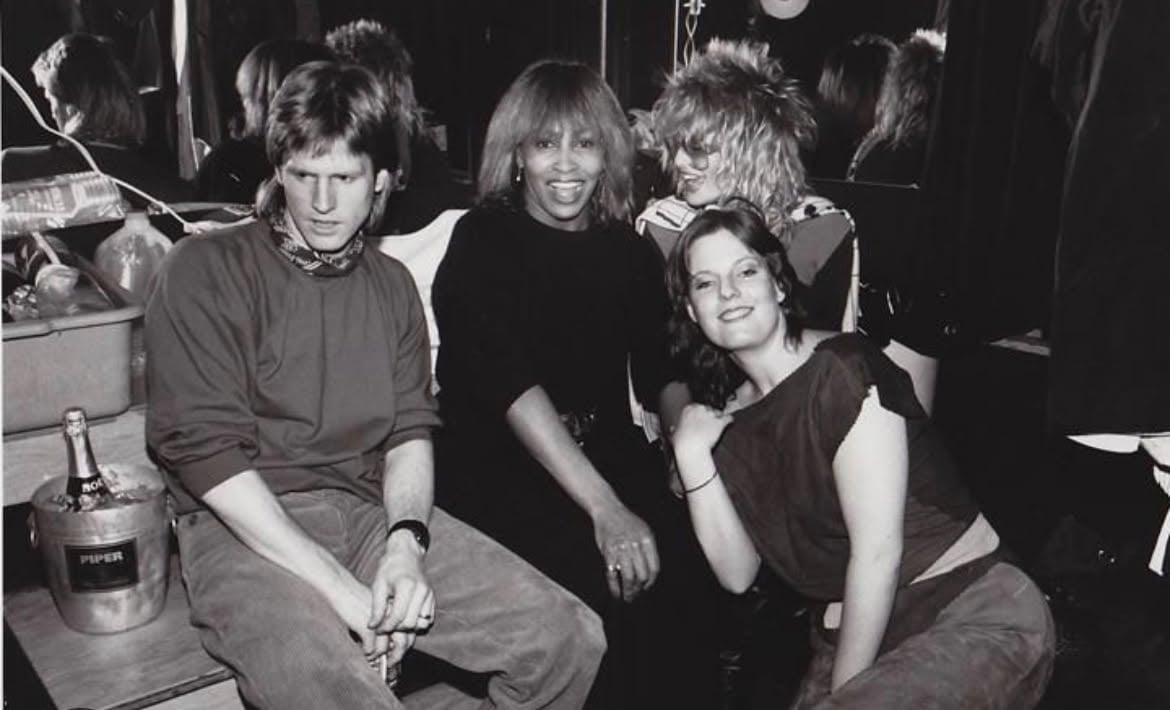
Photo: Courtesy of Lewis
How did that lead you to Nashville?
I was dating a photographer who shot artists for RCA—everyone from Alabama to David Bowie. I’d tag along to shows, hang backstage and meet people without realizing who they were. That’s how I met Joe Galante, Tony Brown, Randy Goodman and Cynthia Spencer. Cynthia handled PR and marketing and would often call me for contacts. One day she said, “Pamela Sue, I’m leaving RCA to marry a golfer, and you’d be perfect for my job.”
I laughed it off. I was living on the Upper East Side, making $11,500 a year, scraping by but happy. Then she called again: “This is serious.” Next thing I knew, RCA flew me to Nashville for an interview. I didn’t even know how publishing worked. I thought if your name was next to a song like “Islands in the Stream,” that meant you wrote it.
I read Billboard on the plane, memorized a few chart names and bluffed my way through the meeting. They offered me the job, a car, an expense account and a hotel stay downtown. I wasn’t even 30. I said, “Make me an offer I can’t refuse,” and they did.
So I moved to Nashville. Within a year, RCA fired me, and my boyfriend dumped me.
Ouch. What came next?
That was my “dark night of the soul.” I was angry, hurt and feeling sorry for myself, until I got bored of my own pity party. I tried to move back to New York, but there wasn’t a job that made sense. So I hung out my own shingle and started doing marketing, PR and artist development.
At first, it was pure desperation, but I thought, I know how to do this. I had good instincts, I could write and I already owned an IBM Selectric typewriter. The only real difference was that now I had to pay for my own insurance. I started small, made enough to live on and eventually hired a couple of people.
Tony Brown gave me work, CMA brought me on as a consultant and things grew from there. That’s when I bought my first house.
How did you meet Bob Doyle?
Bob was from St. Louis—his dad was a principal, too. We were introduced by a mutual colleague. Bob was about to leave Capitol and wanted to start a management company. He needed someone with my skill set, so we became 50/50 partners and launched Doyle Lewis Management.
Bob said, “I’ve got this boy I want you to meet,” and in walked Garth. He was sitting on this Haitian cotton sofa with his guitar, singing and I just thought, “There’s something about this guy.” He had these piercing blue eyes and a calm confidence.
We were bootstrapping everything. I had my PR company by then, so Bob told me I could move into his building if I paid rent, something like $400 or $500 a month, which felt like a fortune. I was doing Garth’s PR and marketing out of a tiny cubbyhole with one employee. Eventually, I hired more people and opened my own office, PLA: Pam Lewis & Associates.
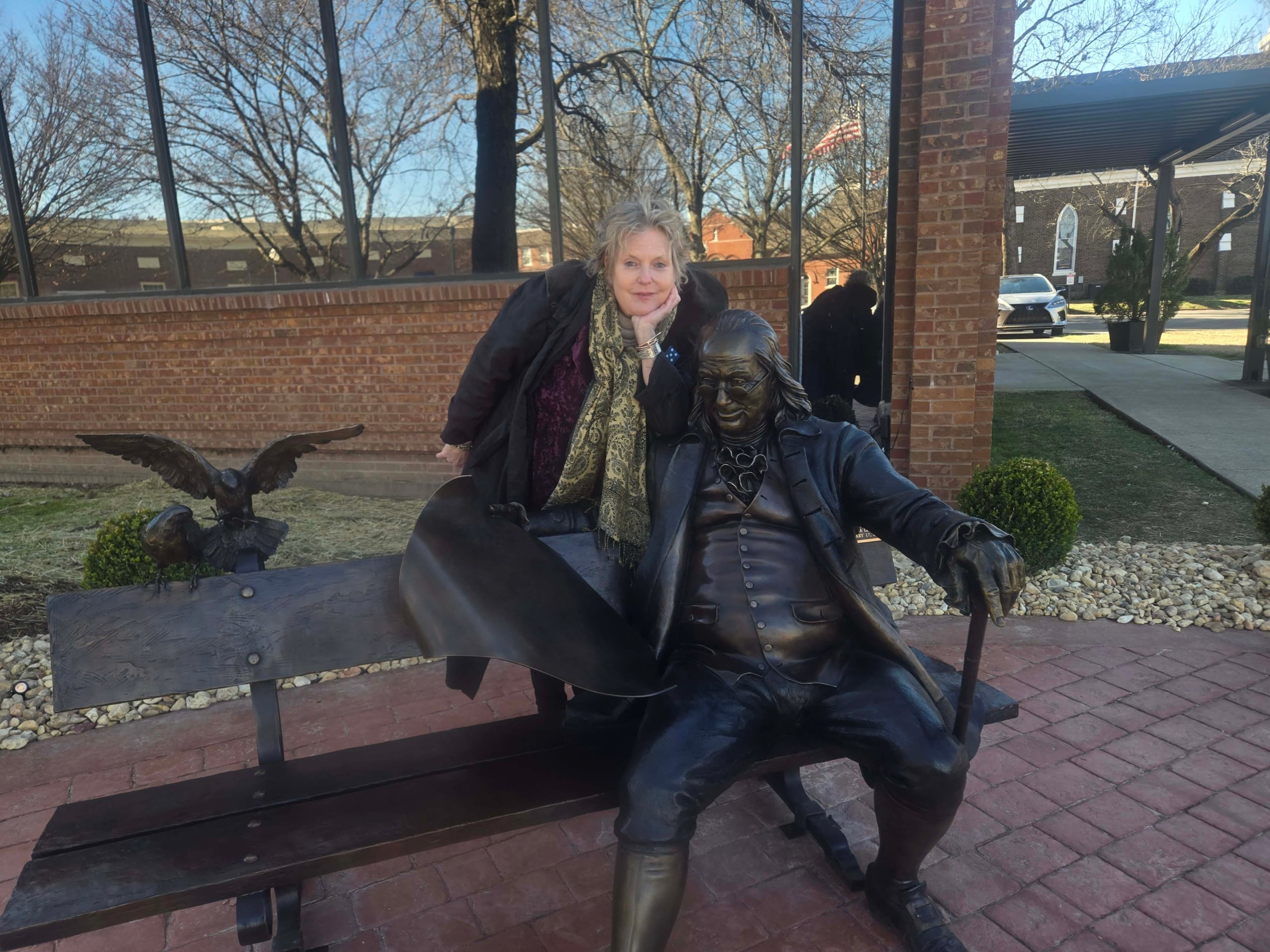
Photo: Courtesy of Lewis
Did you ever consider closing your PR business once Garth took off?
Oh, they both told me to: Bob and Garth. They’d say, “Close that PR company! You don’t need it.” But I didn’t know if I’d get kicked out of the circle one day. I kept saying, “I need something that’s mine.” Tammy Wynette never gave up her nursing license, you know? Everyone has a backup.
So I renamed it PLA Media, hoping people wouldn’t notice “Lewis” on both companies. That gave me a little separation, and peace of mind.
When did you realize Garth’s career was going to be massive?
It didn’t feel meteoric at first. There were lean times, especially for me. I remember crying in the office because my credit cards were maxed out. There was no such thing as “work-life balance.” I’d work all day, change clothes in the office bathroom, slap on deodorant and head to the CMA Awards. It was the most money I’d ever made, and the least balance I’d ever had. I didn’t date for 10 years. But that’s what it took.
Busy doesn’t begin to cover it. I was completely immersed, and there was definitely an unspoken message at the time: Little lady, stay in your sandbox.
How did things change after that?
By the time everything settled, the business was completely different. 360 deals had arrived, labels were consolidating, and the culture had shifted. But I’ll always say that era was something special. Nashville then felt like a campus…tight-knit, competitive, but collaborative. Everyone knew each other. Country music had an inferiority complex compared to New York and L.A., so when Garth started breaking records, it felt like the whole town was winning.
We threw a big party to celebrate—not to boast, but to say, “This is all of us.” Dolly, Kenny and Alabama had all crossed over too. It was a collective pride moment for country music.
When you look back on that whirlwind chapter, what stands out as one of your proudest moments?
Probably Garth’s first CMA Award, and his first Grammy. I remember the Grammy night vividly: freezing New York, gold stiletto heels and no limo to get us there. I finally took my shoes off on the walk there. It’s funny now, but at the time, not so much.
There were plenty of mishaps like that, but they make for great stories now. Watching Garth win, seeing the pride on his family’s faces, that’s what mattered most.
What was the next chapter for you like?
The next chapter was the dissolution of a partnership and, honestly, a divorce. When you go through that, the phone doesn’t ring. It was another dark night of the soul. But I kept PLA Media going, signed new clients and started asking myself what I was really supposed to do next.
I’d had a near-death experience earlier in life, and I’ve always felt that meant I was here for a reason beyond the music business. I’d always done charity work, so I decided to run for office. I served as an alderwoman and then vice mayor, working on local legislation and making national news a few times. It was baptism by fire, just like MTV and Garth had been.
That’s quite a career arc.
I always say I’ve worked on two cultural phenomena: MTV and Garth Brooks. Then politics became my third. It changed my life. Buying my historic home changed me, too. It grounded me.
Now I just want to do meaningful work. I don’t have human children, but I believe we’re all here to give back: to spread kindness and help others. To whom much is given, much is expected. That’s the motto I live by.
What’s your favorite part of what you do now?
I’m working on a few legacy projects that aren’t directly tied to the music industry, and that’s really exciting. Just recently, I gifted a life-size statue of Benjamin Franklin by renowned sculptor George Lundeen. The statue, titled “Ben on the Bench,” was unveiled on Franklin’s 320th birthday, January 17, 2026, and presented as a gift to the City of Franklin and Williamson County. I wrote two books to commemorate the event, “Benjamin Franklin: Amercia’s First Rockstar,” a whimsical take on America’s most-influential polymath and a children’s book titled “Ben Franklin Visits Franklin for a Day.” And now I am helping tell other people’s stories—whether that’s through music, art, or community projects.
We work with clients across a range of industries, including authors and professors Don Cusic and Mary Ellen Pethel; the SuperFan Diaries sports-related podcast; Nashville Sites, a free digital platform offering more than 40 walking and driving tours of Nashville; the historic Two Rivers Mansion; and the Tina Turner Museum in West Tennessee, which recently unveiled a statue in her honor.
Our music roster continues to thrive as well, featuring country songwriting and producing legend Brent Maher; rock and roll icon Jim Messina; Wes McClelland, a Texas-based artist with his new single “What I Know Now” currently at Music Row radio stations; rising alternative artist Anour from Canada; and Nashville-based On The Rhodes Entertainment.
What I love most is helping people fulfill their dreams. It’s not always about record deals anymore—it’s about storytelling and impact.
- BREAKING: Country Music Hall Of Famer John Anderson Passes - October 21, 2026
- WMG Unifies Global Sync Operations Across Recorded Music & Publishing - October 21, 2026
- Warner Chappell Music Signs Elizabeth Nichols To Global Publishing Deal - October 20, 2026