Mark Your Calendar—May 2026
Single/Track Releases & Radio Add Dates:
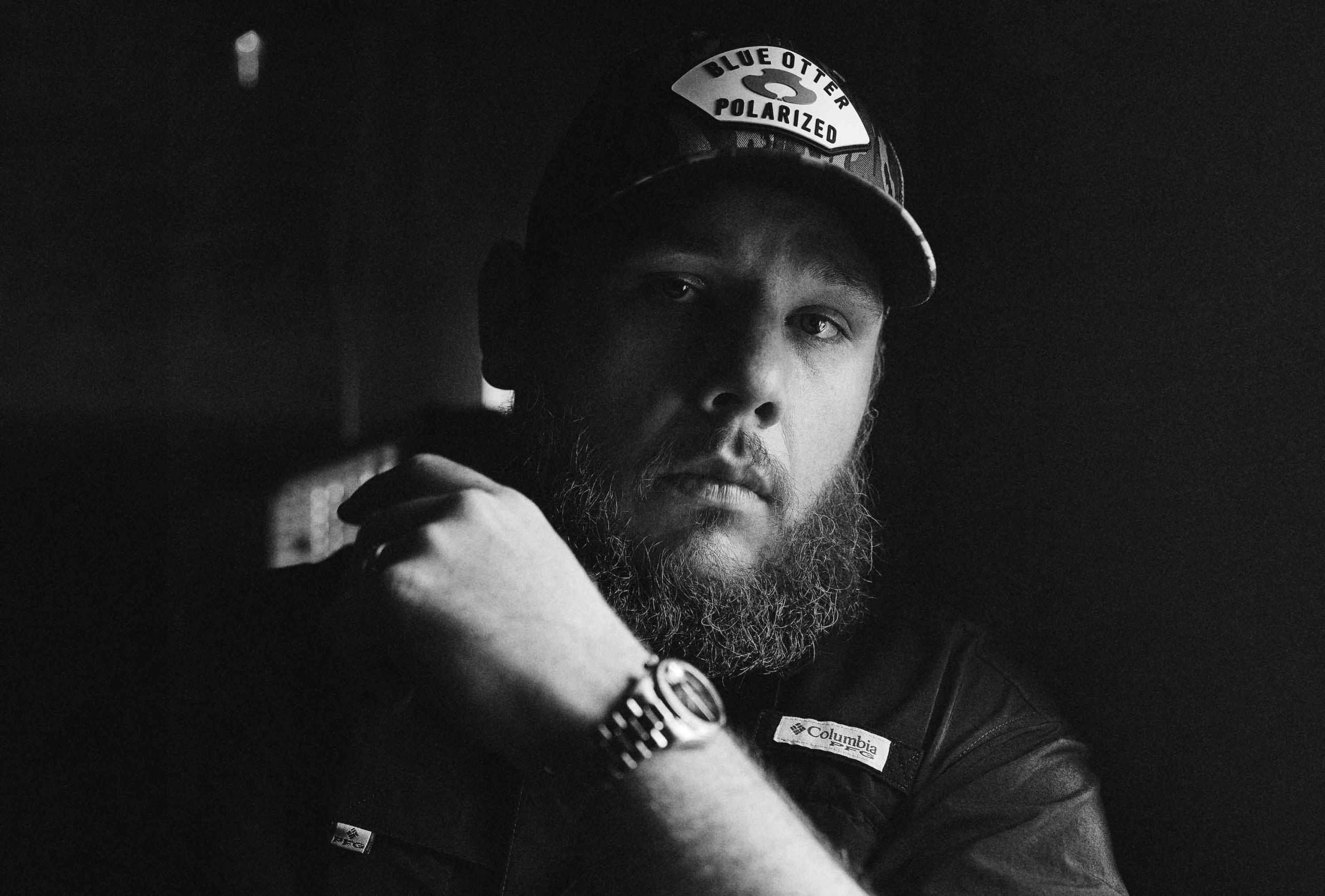
Luke Combs. Photo: Robby Klein
May 1
Diplo & Adrien Nunez/Two Steppin’/Atlantic Outpost
Cody Johnson/Hello Lonesome/CoJo Music/Warner Records Nashville
Lee Brice/Truck Bed Mixtape/Curb Records
Gavin Adcock/Wannabe/Thrivin’ Here Records/Warner Records Nashville
Wyatt Flores/Driving All Night/MCA/Island Records
Bayker Blankenship/Keep Calm/Santa Anna Nashville
Matt Maher/Gonna Be Alright
Gretchen Wilson/Redneck Shit
Drew Baldridge/Love Needs You/BBR Music Group/BMG
Alana Springsteen/i loved you then/Santa Anna Nashville
Thompson Square/Lay It On Me
Jordan St. Cyr/Wild Love
Tyce Delk/Mind If I Smoke
Kyle Clark/Checking Out
Danny Worsnop/I Tried To Write A Sad Song
Robyn Ottolini/If Hell Were a Bar
Matthew Goodnough (feat. Mac Hankins & The Moonlighters)/Bad Terms/Santa Anna Nashville
Abbie Callahan/Drag, Queen
Cody Oliphant/When I Go/Santa Anna Nashville
Parker Ryan/Loaded Gun
Caryn Dixon/Accidental Cowgirl
Jonathan Lee/Saturday Night/Pacific Standard Entertainment Group
Frank Ray/Third Row George Strait/BBR Music Group/Broken Bow Records
Julianna Rankin/XYZ71s/Big Loud Texas
Kyle Jenkins/It’ll Be Alright/Santa Anna Nashville
Hadlie Jo/God Made Mama
Diamond Dixie/Made A Liar
Carrie Brockwell/That’s Real
American Blonde/Mississippi Moonshine
Karly C/The Grass Looks Greener
Ashton Butler/One More Won’t Hurt
Neah McMeen/Little Scrap of Love
Camille Harrison/I Miss You, Mother
Cooper Riley/Outta Time
May 4
Luke Combs/Be By You/Columbia Nashville
Kacey Musgraves/Loneliest Girl/Lost Highway Records
Jason Charles Miller/Digging in the Dust (Water On Rust Remix)/One Opportunity Records
Caroline Jones/you’re it for me, honey/Nashville Harbor Records & Entertainment
Soul Circus Cowboys/Something Stronger
May 8
Kenny Chesney/Carry On
Koe Wetzel/Hurts Like You/Columbia Records
Greylan James/Small Town/Big Machine Records/Nashville Harbor Records & Entertainment
Chanel West Coast/Down To The Filter
May 11
Trey Pendley/Family Man/Leo33
Alex Miller/Just A Mom
Adam Chaffins/King Of Coal Dust County
Johnathon Heilbroun/Goodbye Looks Like/Johnathon Heilbroun Music
May 12
ALeeN ROSE (feat. Willie Nelson)/They’re There/Luna Wolf Records
May 15
Charles Wesley Godwin (feat. Luke Combs)/Better That Way/Big Loud
Love and Theft/Farm Truck
Angie K/Contigo
Wishgarden/Holy Water
May 18
Rodney Atkins/The Years Are Short/Curb Records
Jim Stanard (feat. Crystal Gayle)/Waking Up Dead/Manatee Records
Karly C/The Grass Looks Greener/Quirky Cowgirl
May 22
Andrew Mitch/muscle memory
Smokin’ Otis/Trail Ride
May 25
Skip Ewing/Me & God And A Fishing Pole
Robert Weston/Life’s A Beach/Weston Records
May 29
Levi Foster/Bloodhound
Bryan Ruby/Bonfire
Paige King Johnson/It Ain’t Me
Lauren Rismiller/Heart Broke In A Bar
Album/EP Releases:
May 1
Kacey Musgraves/Middle Of Nowhere/Lost Highway
Lainey Wilson/Lainey Wilson (Amazon Music presents: Live from Stagecoach 2026)/BBR Music Group/BMG
ERNEST/Deep Blue/Big Loud Records
Tauren Wells/Breathe On It
Austin Snell/Colors/River House Artists/Warner Records Nashville
Southall/Kinfolk
Emily Nenni/Movin’ Shoes/New West Records
Rita Wilson/Sound of a Woman
Ashley Anne/Generational Heartbreak
Alex Hall/Turn This Love Around/Yeehall Records/Blue Harbor Music
Jeff Bates/Hymns From the Church in the Wildwood/Tall Grass Records
May 8
Ashley McBryde/Wild/Warner Records Nashville
Chase Wright/Chasing Shadows
Amy Grant/The Me That Remains/Thirty Tigers
Josiah and the Bonnevilles/As Is/Rounder Records
Coleman Jennings/Lead You Home/Big Loud Texas/Mercury Records
Michaela Anne/These Are The Days/Georgia June Records
May 15
Braxton Keith/Real Damn Deal/Warner Records Nashville
49 Winchester/Change of Plans/Lucille Records/MCA
Ryan Bingham & The Texas Gentlemen/They Call Us The Lucky Ones/The Bingham Recording Co./Thirty Tigers
Cook Allender/Music Your Parents Hate/VibraHive Records
Sarah Harralson/Just The Beginning/Synapse Publishing & Entertainment, LLC
May 22
Julia Cole/Love You To Death
Kyle Clark/Better On A Boat
The Deslondes/Don’t Let It Die Vol. 1/New West Records
Steep Canyon Rangers/Next Act/Yep Roc Records
McCoy Moore/Sunshine State/Sony Music Nashville/Cervidae Records
Ian Harrison/Jealous/Sony Music Nashville/Free Flight Records
Ben Chapman/Feet On Fire/Soundly Music
Thomas Csorba/Tender Country/Turtlebox Records
May 29
Don Williams/EPILOGUE: THE CELLAR TAPES/Craft Recordings
Willie Nelson/Dream Chaser/Legacy Recordings
Rodney Atkins/True South/Curb Records
Kip Moore/Reason To Believe/Virgin Music Group
Alana Springsteen/I HOPE THIS HELPS/Santa Anna Nashville
Renée Fleming & Béla Fleck/The Fiddle and the Drum/Thirty Tigers
Bellah Mae/Keep It Peachy/Sony Music Nashville
Susto Stringband/Susto Stringband (Volume Two)/Missing Piece Records
Joshua Ray Walker/Ain’t Dead Yet/East Dallas Records/Thirty Tigers
Keyland/Knuckle Sandwich/One Riot
Carrie Brockwell/That’s Real
Frank Evans/Fit for a Dog
Industry Events:
May 17
61st Annual ACM Awards
Upcoming Nashville Concerts:
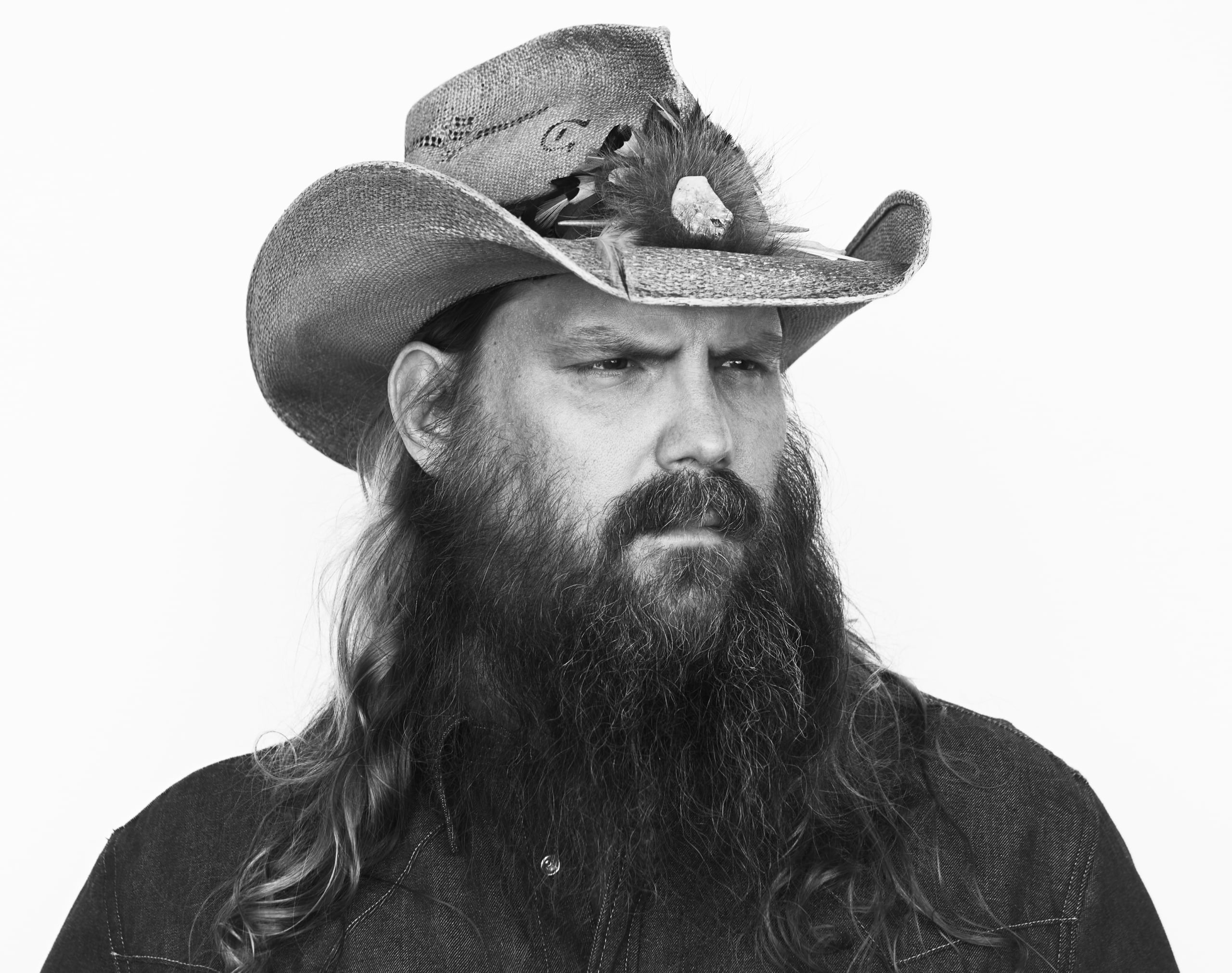
Chris Stapleton. Photo: David McClister
May 1
Ethel Cain/FirstBank Amphitheater
Bailey Zimmerman/Ascend Amphitheater
Ani DiFranco/Ryman Auditorium
Ashnikko/Marathon Music Works
Arm’s Length/Brooklyn Bowl
The Nude Party/The Basement East
Aaron Hibell/Cannery Hall (The Mil)
Raven/Exit/In
Liz Cooper/The Blue Room
Multi Ultra/Cannery Hall (Row One Stage)
May 2
Florence + The Machine/Bridgestone Arena
Bailey Zimmerman/Ascend Amphitheater
Josh Ritter/Ryman Auditorium
Nettspend/Cannery Hall (Mainstage)
Flyte/The Basement East
Krooked Kings/Exit/In
Sluice/The Blue Room
Jesse Solomon/Cannery Hall (Row One Stage)
May 3
Maddox Batson/The Pinnacle
Tracy Lawrence/Ryman Auditorium
Strings & Heart/Exit/In
Vanessa Carlton/City Winery
May 4
Fender Presents: Tele Town/Ryman Auditorium
The Paper Kites/Brooklyn Bowl
Freddie Dredd/The Basement East
May 5
Disclosure Live/The Pinnacle
Courtney Barnett/Ryman Auditorium
Failure/The Basement East
Patrick Droney/Exit/In
David Broza/City Winery
Andrew Duhon/Cannery Hall (Row One Stage)
May 6
Bruno Mars/Nissan Stadium
David Lee Roth/Ryman Auditorium
Sepultura/Brooklyn Bowl
Bahamas/The Basement East
May 7
Sammy Virji/The Pinnacle
Satchvai Band/Ryman Auditorium
Breakfield/Exit/In
Black Marble/The Blue Room
May 8
Russell Dickerson/Ascend Amphitheater
Amy Grant/Ryman Auditorium
Sleeping With Sirens/Marathon Music Works
CHE: ENCORE/Cannery Hall (Mainstage)
Colby Acuff/The Basement East
VAMPA/Cannery Hall (The Mil)
Sons Of Legion/Exit/In
CusCampbell/City Winery
Gia Margaret/The Blue Room
Babes In Canyon/Cannery Hall (Row One Stage)
May 9
David Byrne/Ascend Amphitheater
Benjamin Tod/Brooklyn Bowl
White Reaper x Drug Church/The Basement East
Sons Of Legion/Exit/In
Keiko Matsui/City Winery
Folk Bitch Trio/The Blue Room
May 10
Dethklok & Amon Amarth/The Pinnacle
Ari Lennox/Ryman Auditorium
Juvenile/Marathon Music Works
Alpha Wolf/Brooklyn Bowl
Dry Cleaning/The Basement East
Sun Kil Moon/City Winery
FLAKE/Cannery Hall (Row One Stage)
May 11
Unprocessed/The Basement East
Grant Knoche/Cannery Hall (Row One Stage)
May 12
Earth, Wind & Fire/FirstBank Amphitheater
Mac Demarco/Ryman Auditorium
Elmiene/Brooklyn Bowl
Cattle Decapitation/The Basement East
the Pharcyde/City Winery
Whitney/The Blue Room
May 13
Bilmuri/The Pinnacle
Nitty Gritty Dirt Band/Opry House
Herbie Hancock/Ryman Auditorium
Magnolia Park/The Basement East
49 Winchester/The Blue Room
Miles Minnick/Cannery Hall (Row One Stage)
May 14
Black Label Society/Ryman Auditorium
Pub Choir/Brooklyn Bowl
The Black Angels/The Basement East
Amelia Day/Exit/In
The Spooklights/Cannery Hall (Row One Stage)
May 15
Bush/FirstBank Amphitheater
Marilyn Manson/The Pinnacle
Drew & Ellie Holcomb/Ryman Auditorium
Behemoth/Brooklyn Bowl
TYNAN TIME/Cannery Hall (Mainstage)
Corrosion of Conformity/Cannery Hall (The Mil)
Happy Landing/Exit/In
Grace Ives/The Blue Room
Sterling Ezla & Cole Barnhill/Cannery Hall (Row One Stage)
May 16
Treaty Oak Revival/Bridgestone Arena
Drew & Ellie Holcomb/Ryman Auditorium
Kings Kaleidoscope/Cannery Hall (Mainstage)
Bella White/The Basement East
Earth Tongue & Pink Fuzz/The Blue Room
Katelyn Tarver/Cannery Hall (Row One Stage)
May 17
Treaty Oak Revival/Ryman Auditorium
Little Image/The Basement East
’68/Cannery Hall (The Mil)
May 18
Paul Gilbert/City Winery
May 19
Godsmack/FirstBank Amphitheater
Electric Callboy/The Pinnacle
Tech N9ne X E-40/Marathon Music Works
Chet Faker/Cannery Hall (Mainstage)
Saving Abel/City Winery
Edge of Broken/Cannery Hall (Row One Stage)
May 20
Diljit Dosanjh/Bridgestone Arena
Ann Wilson/City Winery
May 21
The Black Crowes & Whiskey Myers/Bridgestone Arena
Alter Bridge/The Pinnacle
Jarrod Walker/The Basement East
Sonja Morgan/City Winery
May 22
Trace Adkins/Ryman Auditorium
Chrisette Michele/Brooklyn Bowl
Noah Gundersen/The Basement East
Culture Wars/Exit/In
ChRocktikal/Riverside Revival
Maggie Miles/Cannery Hall (Row One Stage)
May 23
Chris Stapleton/Nissan Stadium
Trace Adkins/Ryman Auditorium
Krewella/Marathon Music Works
Uncle Lucius/Cannery Hall (The Mil)
Rickshaw/The Blue Room
hallpass/Cannery Hall (Row One Stage)
May 25
Alex Warren/Bridgestone Arena
Stella Standingbear/Cannery Hall (Row One Stage)
May 26
The Kid LAROI/Marathon Music Works
The Mountain Goats/Brooklyn Bowl
Vana/The Basement East
Alvin Garrett/City Winery
Arlo Parks/The Blue Room
May 27
Marcus King Band/Nashville Municipal Auditorium
Chicago/Opry House
Cold/The Basement East
MAJOR./City Winery
May 28
America/Ryman Auditorium
May 29
Cinderella’s Tom Keifer Band/Ryman Auditorium
Echo & The Bunnymen/Brooklyn Bowl
Genevieve Heyward/Exit/In
Caroline Carter/The Blue Room
Daydrnkrz/Cannery Hall (Row One Stage)
May 30
Joshua Slone/Marathon Music Works
Free Throw/Brooklyn Bowl
Fulton Lee/The Basement East
BARELY ALIVE/Cannery Hall (The Mil)
Tyler Boone/Exit/In
Ariella & Nicolaas/City Winery
May 31
Steve Earle/Ryman Auditorium
Peelingflesh/The Basement East
Fattmack/Exit/In
Andres/Cannery Hall (Row One Stage)