
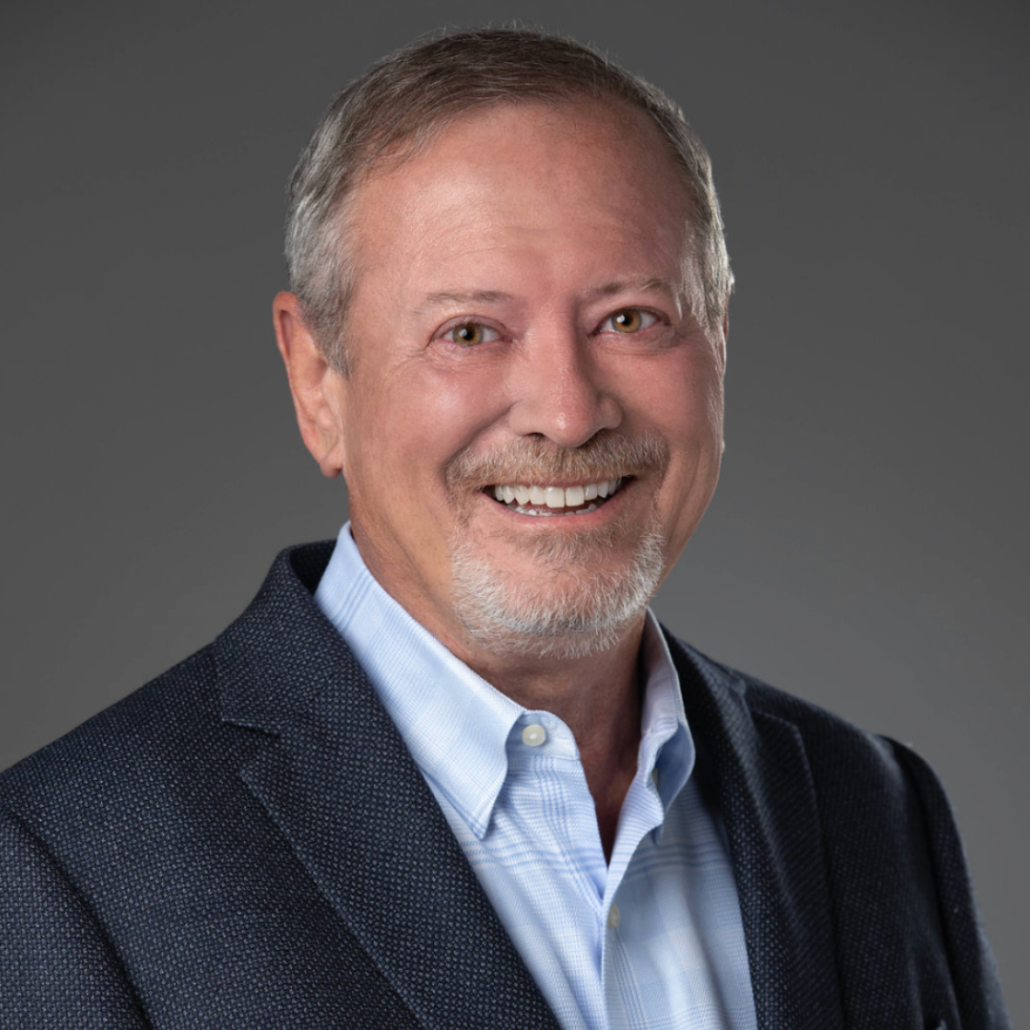
My Music Row Story: Neste Live!’s Gil Cunningham
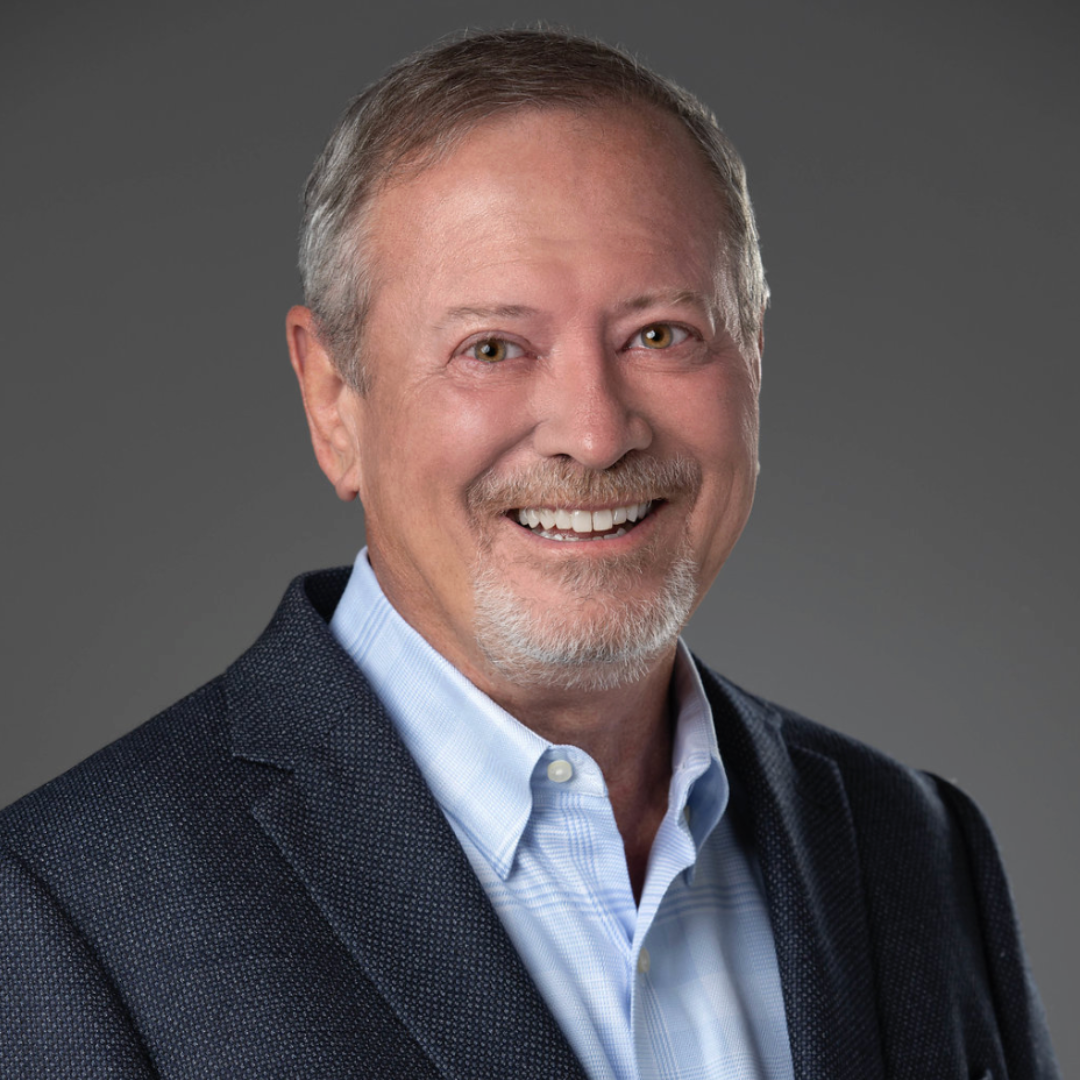
Gil Cunningham.
Gil Cunningham serves as Chairman of Neste Live!, a Live Nation joint venture specializing in talent buying and festival production. Based in Nashville, Cunningham has played a pivotal role in shaping the modern talent buying landscape, helping define how festivals, fairs and live events are programmed across the country. He continues to lead talent strategy for some of the largest country music festivals in North America, including the Country Thunder brand, which spans multiple markets across the U.S. and Canada.
Cunningham has been working in the live entertainment business since 1988, building his career on the talent buying side of the industry. He joined Neste Event Marketing, the company founded by his wife, in the mid-1990s, where the pair developed a business that combined sponsorship, marketing and talent buying services. Their complementary skill sets helped grow the company’s presence across the festival and event space over more than two decades.
In 2019, Live Nation acquired a majority stake in the company, forming Neste Live! and expanding its reach within the broader live entertainment landscape.
Cunningham is a five-time ACM Talent Buyer of the Year.
MusicRow: Where did you grow up?
I grew up in Des Moines, Iowa, and went to the University of Iowa.
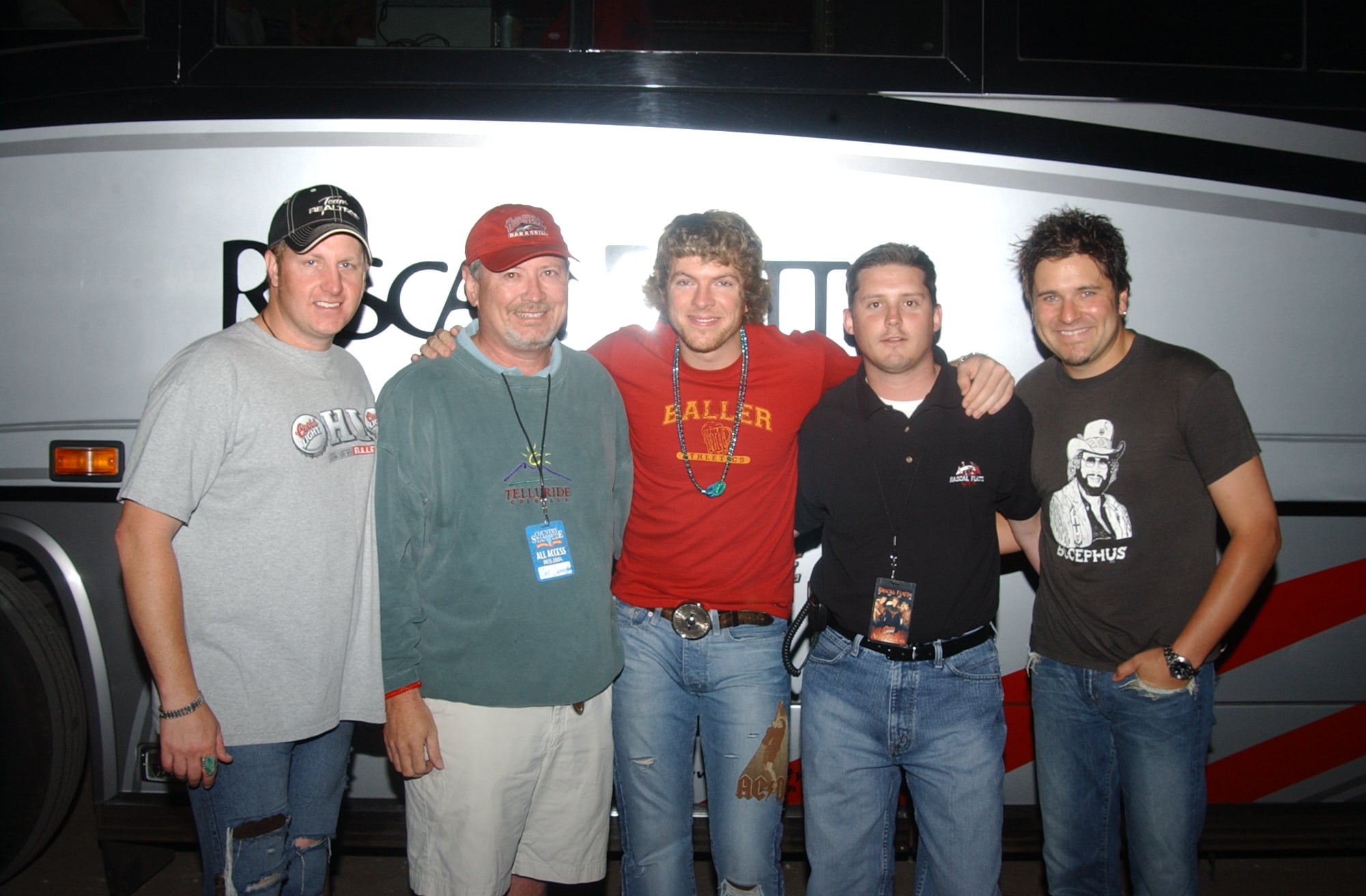
Photo: Courtesy of Cunningham
Tell me a little bit about your childhood.
I really wasn’t into music as a kid. I mean, I went to concerts and I enjoyed music, but it wasn’t something I thought about as a passion or something that I wanted to do.
My ultimate goal was to get into the advertising business. I wanted to work for an ad agency in Chicago. I graduated from Iowa with a marketing and journalism degree, and when I graduated, we were in a bit of a recession.
I had gone to Chicago and set up around 20 interviews, but I ended up doing six because people weren’t hiring. I met with the creative director at one of the big ad agencies, and he recommended that I get some experience working in advertising at a radio station or at a newspaper.
I applied for a job at a newspaper in Burlington, Iowa, and worked in the ad department. I was there for about six months, and then I took another job working for an electronics company in a marketing department.
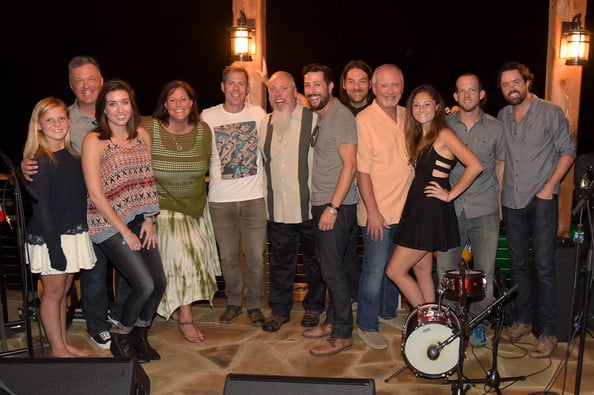
Photo: Courtesy of Cunningham
During my time there, I was asked to serve on an entertainment committee for an event called Burlington Steamboat Days, which was a three-day music festival that was originally a Dixieland jazz festival.
That’s where I kind of got the bug to get into the entertainment business.
I did that as a volunteer position for several years, and then I was offered a job working for Don Romeo, who was a talent buyer and producer in Omaha. That’s how I got on the talent buying side of the business.
What happened after that?
A few years later, I left the Romeo Agency and joined my wife [Liz Cunningham]. She had started a marketing company called Neste Event Marketing. I joined her buying talent for events.
She already had an established business. We’ve been partners for 27 years. Liz handled marketing and sponsorships, and I handled talent buying. If I had a potential client, I could always pitch my wife as offering marketing or sponsorship services, which gave me a bit of an edge in the marketplace.
In 2019, we sold the company to Live Nation. I’ve been under the Live Nation umbrella since then.
Liz did not sell her portion of the business. She kept the marketing and sponsorship side, and she still runs that.
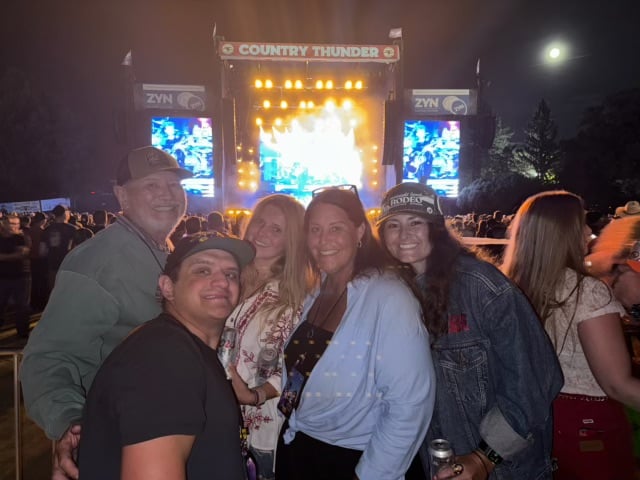
Photo: Courtesy of Cunningham
We still work together on a number of events, so we’ve kept it in the family. Our oldest daughter, Lauren, went to Ole Miss and wanted to get into the music business. Today she’s an agent at WME. We also have a UGA graduate who studied music business and marketing. Abby now works at the Live Nation office as an assistant to Andrew Fortin, the President of Neste Live.
How did you get to Nashville?
We were living in Omaha when I joined Neste Event Marketing. I had been talking to a number of agents, and they told me, “If you’re going to be in this business, you really need to move to Nashville.”
My wife and I made the decision to move from Omaha to Nashville. It ended up being great advice because it was the place to be to get fully engaged in the music business at any level you wanted. It was very rewarding for us.
We made that move in 2004.
Photo: Courtesy of Cunningham
Can you tell me about your role now?
My current position is Chairman, and I work on a couple of major accounts. One of our biggest accounts is Country Thunder, which is probably the largest country music festival brand in the business. They operate seven festivals in North America.
I met Troy Vollhoffer, who got his start in the production business in Camrose, Alberta. We hit it off and started working together on events and haven’t looked back.
I was buying talent for a number of festivals in the States, and then he expanded into the U.S. He ended up buying the Country Thunder brand and I still buy for that group. I’ve been the talent producer for Country Thunder for over 30 years.
How would you explain the role of a talent buyer to someone outside of music?
If I had to explain what I do to someone outside the business, I would liken it to the role of movie producer. It’s my job to put all the parts and pieces together. As a talent producer, I buy the talent, arrange for production, marketing, publicity, whatever the client needs to have a successful show.
Most of the time, clients already have staff for those other areas, so we focus on talent buying. But for some events, like Headwaters Country Jam in Three Forks, Montana, we run the entire event and are involved in each aspect of the festival.
Photo: Courtesy of Cunningham
What is the best advice you’ve ever gotten?
Pay close attention to what experienced and knowledgeable people in the business tell you. You learn a lot from professionals who have been doing it for a long time.
When I first started, I learned a lot from agents in Nashville. There were a number of agents who were very willing to help and teach me about the nuances of talent buying business from their perspective.
I also think it’s important to listen to the artists.
Who were your mentors early on?
The major mentor I had was Don Romeo, who taught me a lot about the business.
I also learned from a number of agents. Steve Dahl at Monterey Peninsula Artists was a great teacher. He was completely transparent about how the business worked from the agent’s perspective. There were others—Rod Essig, Barry Jeffrey and Lance Roberts—who were very influential in teaching me that side of the business.
The thing about this industry is that there are so many different levels like songwriting, management and publishing. You may start out operating on one level, but you realize there are many others, and you can engage across all of them.
I still learn something every day. That’s what has made it so enjoyable for me. I always tell young people who want to get into the business that you have to start at the bottom and work your way up. That’s where you learn the most.
What is your favorite part of your job?
I get the most satisfaction out of booking an artist for a client and seeing it work for everyone. When it’s successful for the artist, successful for the client and the fans love it, that’s the best feeling. You’re always focused on how to help your client be successful, and when everything comes together, that’s really rewarding.
What’s your favorite memory of working in the business?
Photo: Courtesy of Cunningham
There are a lot. Early on, I was one of the first talent buyers in my space to bring rock acts into the fair circuit. Rock bands typically didn’t play fairs.
I put Nickelback, Def Leppard and NSYNC on the fair circuit, and the success of those shows was beyond expectations. It was very satisfying to look back and think “you identified and nailed NSYNC when they first came out.” I remember booking them early on for around $12,000, and by the time they played the shows, [all their tours] were selling out.
Another moment was booking The Monkees when they reunited. MTV started re-running their original show again right before their tour, and by the time summer rolled around, every single date was a massive sellout.
I’ve really enjoyed working on festivals. At one point, we were doing more than 20 festivals in North America and that was my favorite space. I also enjoy working with smaller fairs and helping them figure out how to spend their budget wisely and be successful. I still get great pleasure from that.
What advice would you share with someone entering the business?
I think it’s important to give back. I’ve served on the IEBA board and was president of IEBA. I’ve served on the CMA board and the TJ Martell Foundation board. Those kinds of things are really important, staying engaged and giving back to the community.
Mentoring young people is also important to me. I try to provide as much guidance as I can and help them find the right direction.

- Alan Jackson Museum Opens In Downtown Nashville - October 13, 2026
- Rocketship AI Platform Opens To The Public - October 13, 2026
- Industry Ink: Luke Bryan, SiriusXM, ‘Ten Year Town,’ The Listening Room - October 13, 2026