

My Music Row Story: Troy Vollhoffer
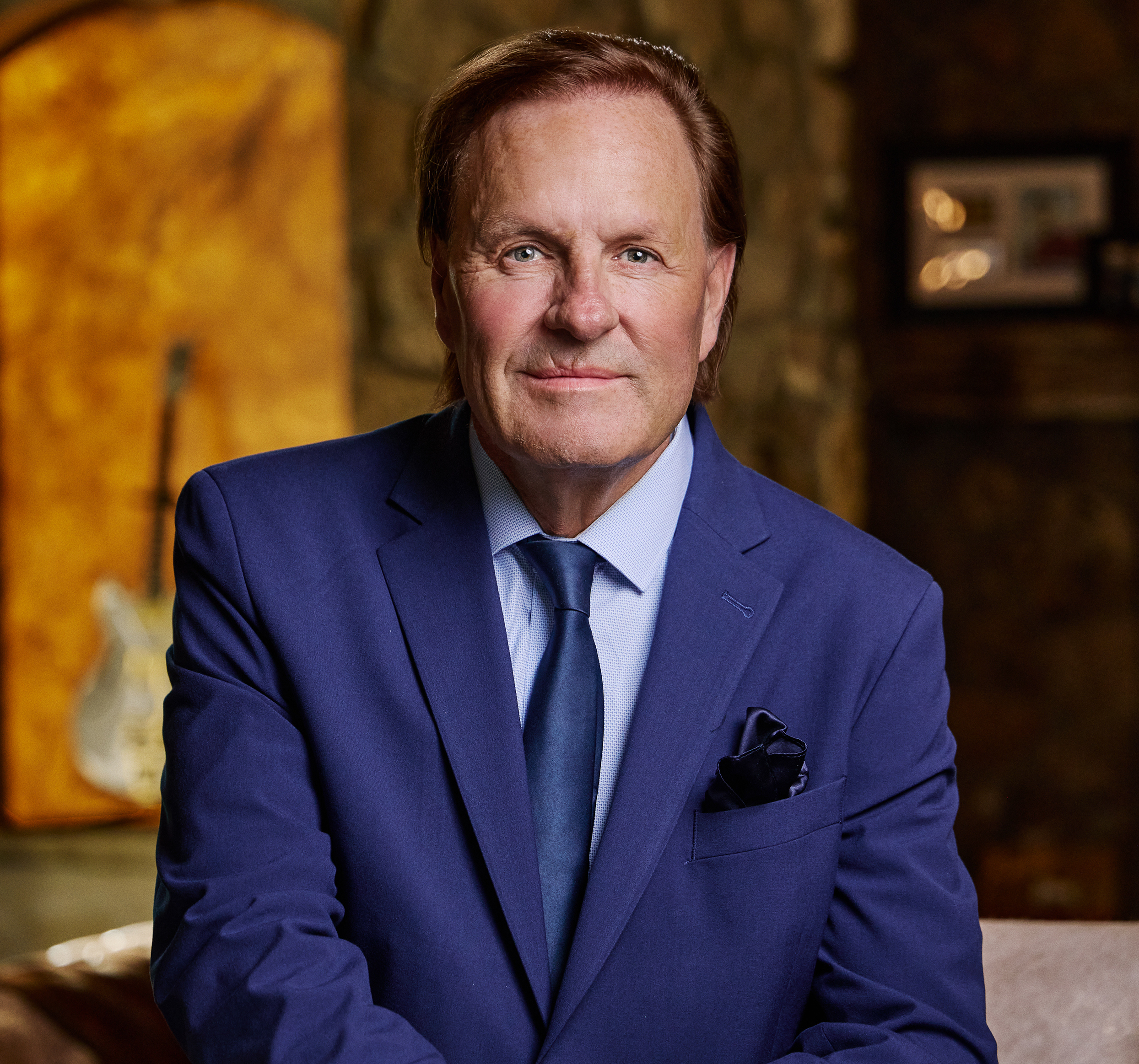
Troy Vollhoffer. Photo: Katie Kauss
Troy Vollhoffer is an American entrepreneur from Nashville, Tennessee and currently serves as the President of Country Thunder Music Festivals, Big Valley Jamboree and Premier Global Production Company. One of the most beloved festival brands in the world, Country Thunder has seen tremendous success, receiving numerous awards including the ACM Festival of the Year for Country Thunder Arizona, Wisconsin, and most recently, Bristol in 2023. For his transformation of the festival, Vollhoffer was honored with the Academy of Country Music Lifting Lives Award and the Don Romero Talent Buyer of the Year Award at the ACM Honors in 2023.
Vollhoffer played professional ice hockey from 1982-1992 and has served on the boards of the T.J. Martell Foundation, Vanderbilt Children’s Hospital, ACM Lifting Lives, ACM and the CMA. His dedicated philanthropic commitment was recognized at the 2018 CCMA Awards, where he received the Slaight Music Humanitarian Award.

Photo: Courtesy of Vollhoffer
MusicRow: Where did you grow up? What were you into as a kid?
I grew up in Regina, Saskatchewan. I was into show business, actually—and hockey. My grandfather was in show business, and my father was too. He toured, then settled in Regina and ran the stagehand union, the IATSE local. So I got a taste of everything from ballet to rock shows. It was a great upbringing.
Were you drawn to any specific type of music or entertainment back then?
No, I loved it all. One night I’d see Conway Twitty at the arena or my dad’s theater, and the next night I’d be seeing KISS. It was really neat. That exposure definitely inspired me to do what I do today.
Did you always know you’d pursue this, or did hockey come first?
Hockey came first because it’s a timely thing. When I was growing up, my mom always said, “Don’t grow up to be a hockey bum.” Most guys would play, think the tap would never turn off, spend all their money, and end up selling cars because they had none left. That stuck with me.
So I played major junior in Saskatoon in the Western Hockey League and then signed a free-agent contract with the Pittsburgh Penguins. I signed a four-year deal, got a signing bonus—and instead of buying a big house like my buddies, I bought a lighting system. I had no money. It was all invested into equipment. I thought, “Build it and they will come.” That wasn’t exactly the case, but I kept working at it until things finally started to turn.

Photo: Courtesy of Vollhoffer
Tell me how things turned.
After I bought that lighting system, I landed a contract with the festival I own now—what used to be the Craven Country Jamboree. It was owned by a priest and a nun, and they gave me my first shot. My father organized the labor for it, and I got the lighting contract.
Then they owed about $100,000 in tariffs on a stage they’d brought in from the U.S. and said, “Do you want to build a stage? We’ll give you a 10-year contract.” So I built a stage. The first big thing we got after that was Rod Stewart in 1992—the “Vagabond Heart “tour. We did a couple dates on that, and that really started the branching out.
Shortly after, we moved to the U.S. In ’93 we did Def Leppard, and in ’94 we did Metallica. Metallica has been a client ever since—a long, long-term relationship. And in between, we’ve worked with most major country acts.

Photo: Courtesy of Vollhoffer
How did you actually learn the craft? Was it hands-on?
Yeah, totally hands-on. I worked as a stagehand—that’s how I got my chops. I moved gear, pushed cases, all of that. That was my summer job and my job after school. I’d go straight from school either to the rink to skate or to the theater to work—those were my two pastimes.
I learned by doing it, and I naturally gravitated toward lighting. I loved the artistic side and the creation of it. But I remember working a Van Halen show, waking up the next morning thinking, “Oh man, they’re loading in Calgary today.” It was like the circus, the magic of the theater. That’s what excited me then, and it still does.

Photo: Courtesy of Vollhoffer
You mentioned rebranding into Country Thunder. Tell me about that decision and how it’s grown.
Well, I never set out to be a concert promoter. It was out of necessity. Some of these festivals had bad luck and asked me to take them over. I had the production contract, so it was like, if I don’t take them over, they’re going down the toilet. We put together a team, and the first one we did was up in Saskatchewan. That’s the oldest consecutively running festival in North America. It’s been running since 1983.
The first year we jumped in, we were doing production for Tim McGraw. I was able to get Tim, and he was on fire. He was hitting with “Live Like You Were Dying.” He headlined that first year. We had Lonestar, Brad Paisley—who was just starting out—and Tim McGraw. We had a really good year.
A couple years later, Country Thunder called us. They were ready to make a change, and we were doing their production already. Country Thunder had changed hands a few times, and they asked if I wanted to buy it. We did a deal, and that’s how Country Thunder came about.
Then William Morris came knocking and asked if we’d like to sell 51% of Country Thunder, so we did. We expanded it, brought it into three or four more markets, and rebranded the existing festivals in Canada. Eventually, when they were ready to go public and raise capital, I bought my shares back, so I owned it 100% again.

Photo: Courtesy of Vollhoffer
Not many country festivals have such a wide footprint. How do you keep the excitement and growth going all these years?
You have to identify your audience—that’s the biggest key. And it’s different now than it was even two or three years ago. There’s a split in country music right now. You’ve got pop-country, and then you’ve got more Americana or [traditional-sounding] country. And those two fanbases don’t necessarily mix well. It’s kind of oil and vinegar.
So you have to be very conscious in your programming. You have to stay hip with the times: know who’s happening, who’s firing on all cylinders. You’re looking into your crystal ball a year before and hoping you pick the right artists who are going to break.
What’s a day in the life like for you? I imagine it changes a lot.
A lot of travel. I spent seven months on the road last year, and I’ll probably end up doing that again this year. It’s been a busy start. My day flip-flops between businesses. I’ve got two amazing teams, and I’m very fortunate—they’ve been with me a long time. I’ve got people who’ve been with me 30 years. We’re all in sync. Everyone knows the goals. So for me, being CEO of both companies isn’t difficult when you have unbelievable teams like we do.
Do you have a favorite part of what you do?
I love the show. I love the show—and I love the loadout. I love seeing it go away, how fast we can get it out. It’s the challenge of it. And I just love seeing the magic, seeing people’s faces light up when an artist plays their favorite song. It’s a blast. I’m blessed. I don’t have a job. I haven’t worked a day in my life because I’m living in my own Disney World.

Photo: Courtesy of Vollhoffer
What are your goals now? What do you still want to do?
I love what I do, so I want to keep doing it. Keep building the business and have fun along the way. My goals now are about bringing in the next generation of people into show business. That excites me. There are some great young talents out there. Nashville is a great breeding ground—not just for artists, but for the technical and business side too.
We have one kid who started as a lighting tech in ninth grade at Nashville School of the Arts. He was always the lighting guy for school plays and dance stuff. Now he’s the crew chief on Metallica, moving 44 trucks of gear down the road every day.
What advice would you give someone who wants to do what you do one day?
Come see me. Our company, Premier Global, has a very large staff, some of the best people on the technical side of this business. They’re open books to anyone who’s interested. We give tours of our facility. We have a rehearsal hall where artists prep their shows before they go out. You can see a lot and learn a lot. We’re open to anyone coming by—getting a tour, asking questions, talking with our team.
Who have been your mentors along the way?
Lots. Gary Perkins was one. He started as a guitar tech for Jimi Hendrix. He was one of my first mentors. Tom Ack was another. He went on to do Prince for a long time. They’re all retired now, which is funny because when I retired from hockey and started out in this business, I never thought those guys would retire.
There were many more from the show-business side, from the agent side—especially when we entered festivals. A lot of those older agents were amazing to work with. It’s been a great ride.
What’s a moment that sticks out—a moment your younger self would look at and think, “He’s so cool”?
I don’t know the exact answer to that. I’ve had lots of moments like that. When you build something, and you’re standing in the middle of a field imagining the doors opening and 20,000 or 30,000 people coming in to experience your vision—that’s something I’m proud of. I’m passionate about it.
And I learn every day. I never stop learning. I’m a student of the game. The day I don’t learn something is the day I should probably stop doing this.
- BREAKING: Country Music Hall Of Famer John Anderson Passes - October 21, 2026
- WMG Unifies Global Sync Operations Across Recorded Music & Publishing - October 21, 2026
- Warner Chappell Music Signs Elizabeth Nichols To Global Publishing Deal - October 20, 2026