

My Music Row Story: Combustion Music’s Chris Farren
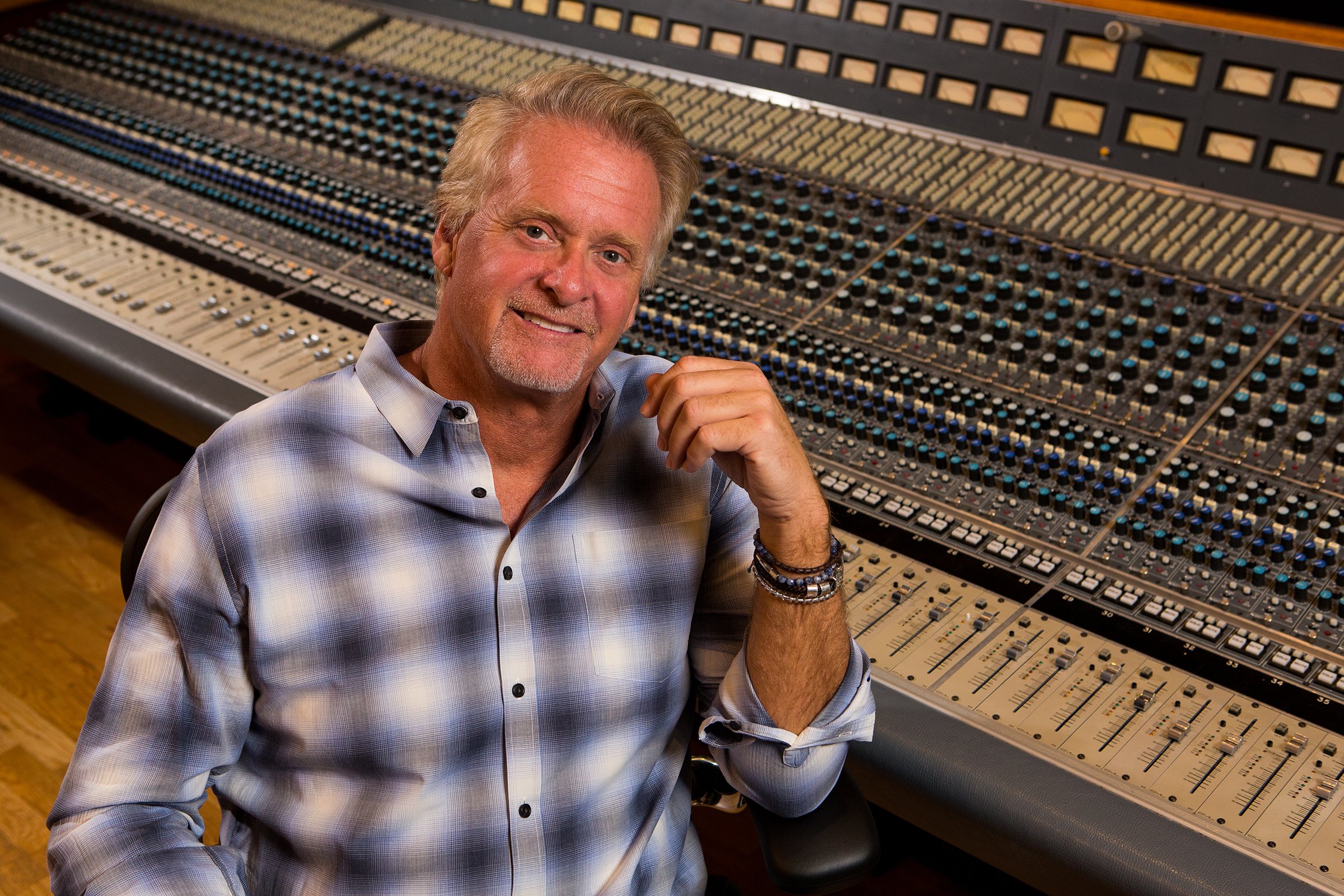
Chris Farren
The “My Music Row Story” weekly column features notable members of the Nashville music industry selected by the MusicRow editorial team. These individuals serve in key roles that help advance and promote the success of our industry. This column spotlights the invaluable people that keep the wheels rolling and the music playing.
Chris Farren is a tenured, multi-talented music executive, singer-songwriter, producer and founder of Nashville-based Combustion Music. Starting his career in Los Angeles in the ’80s, Farren was a young writer/artist known for his extensive work writing and performing jingles, as well as music for film and TV projects. After a few successful trips eastbound to Music City, he made the move to Nashville and quickly found his bearings as a hit writer-producer.
Farren produced Deana Carter’s breakthrough 1996 album Did I Shave My Legs for This?, earned 9 No. 1 singles as a songwriter and found his true calling discovering and investing in developing talent, signing three-time BMI Songwriter of the Year Jeffrey Steele, four-time Billboard Songwriter of the Year Ashley Gorley, four-time Grammy-winning rock band Kings of Leon and eight-time Christian ASCAP Songwriter of the Year Matthew West early in their careers.
Most recently, Farren has been a pivotal part of launching and producing fast-rising stars Corey Kent, Kolby Cooper, Jameson Rodgers, Payton Smith and Daphne. As a writer himself, Farren has cuts on artists like The Backstreet Boys, Greg Allman, Michael McDonald, Air Supply, Rascal Flatts, Christopher Cross, Trace Adkins, 98 Degrees and Olivia Newton-John, has amassed an impressive lineup of accolades including 11 ASCAP Awards, six Grammy nominations and both an ACM and a CMA Award.
Farren’s legacy lies both in his eye for developing talent, and in the 24+ year story of independent music hub, Combustion Music. To date, he’s led the charge as the company has claimed 108 No. 1 songs from a roster that includes writers like five-time Grammy Award-nominee Matthew West, “Man Made A Bar” co-writer Brett Tyler, “This Heart” co-writer Thomas Archer, perennial hitmaker Gorley and budding songwriters Austin Goodloe, Jessica Farren and Sam Bergeson, alongside a motivated and loyal staff.
Farren’s heart for music has translated into passion projects and philanthropic endeavors, culminating in the creation of his annual Combustion Music Hope Town Music Festival in Elbow Cay, Bahamas. Over the last decade, the festival has raised over $3 million for the local community, bringing some of the world’s best songwriters and artists to donate their time and talents.

Photo: Courtesy of Farren
MusicRow: Where did you grow up?
I grew up in Washington, D.C., just outside the city, in the Maryland suburbs. I lived there until I was 18.
Was music part of your household growing up?
Not in a formal way. No one in my family was a musician, but they were supportive. I got into music very young. My older brother and sister were quite a bit older than me, so when The Beatles hit, they were all in—and so was I, by default. I was maybe five years old, listening to what they listened to. That was 1968, and music was just everywhere. It was a golden era for pop, and I soaked it all up.
When did you go from fan to participant?
Pretty early. In elementary school I started playing every instrument I could find. I was in the school band on saxophone, in choir, and also playing in little garage bands after school. I just wanted to be around it. In high school, I was in a rock band, a jazz band, and a bluegrass band all at once. I didn’t know what direction I was heading—I just loved it all.
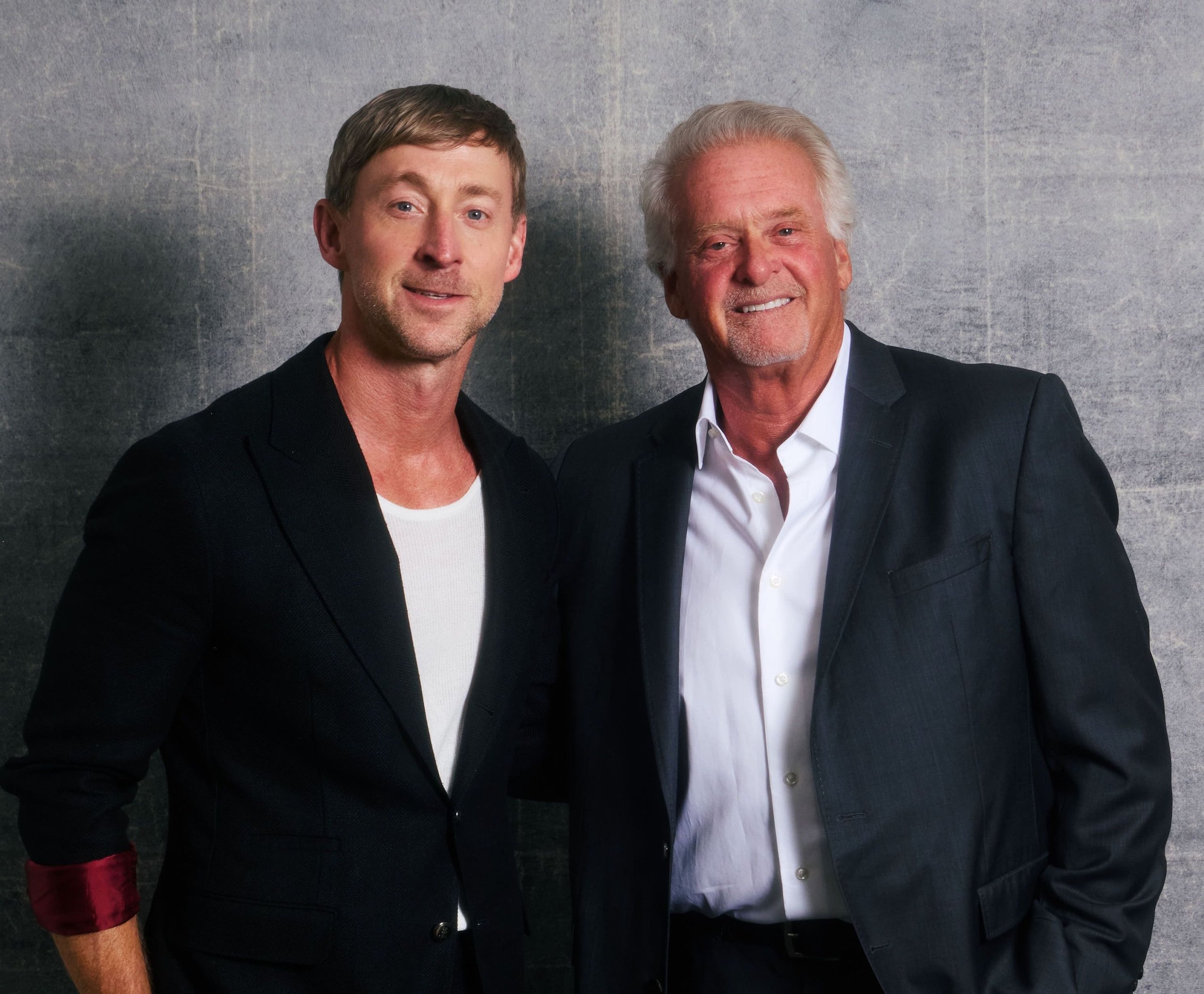
Photo: Courtesy of Farren
Did you know then that music was going to be your career?
Yeah, I really did. I was already making money singing and playing in clubs before I graduated. I didn’t want to go to college, I was ready to chase it. But after my dad passed away suddenly, my mom asked me to go, and I’m really glad I did. It ended up being a huge growth period for me, musically and personally.
Where did you go?
East Carolina University. I was shy and kind of nerdy, and music gave me a way to connect. I started playing the local college bars, and that opened a lot of doors. I became kind of a big deal in that town. I was 19, making decent money, and learning how to perform. You can’t be shy on stage. I learned to step into that frontman role even though I was introverted at heart.

Photo: Courtesy of Farren
So what came next after college?
I packed up and moved to L.A. in 1982. Drove across the country alone in a new Volvo I’d saved up for. I thought I was ready, but it was a rude awakening.
I’d had some success back home and thought, “If I can make it there, I can make it anywhere.” But L.A. was a different beast. I assumed I’d be able to support myself playing bars and clubs while I wrote songs and chased a record deal, but most of the venues didn’t even pay. Too many people were willing to play for free.
How did you find your footing?
By being unusually bold for me. I cold-called a guy who booked music at a place in Pasadena. I told him, “I’ve been to your club three nights in a row and I’m 10 times better than anyone I’ve seen.” That’s not who I normally am, but something came over me.
He laughed and said, “Okay, Mr. Big Stuff. Come in and audition.” I did, and he hired me on the spot. I played four nights a week there for the next two years. That moment taught me: you don’t get what you don’t ask for.

Photo: Courtesy of Farren
What was life like during those years?
I was writing constantly, trying to get demos made and meet people—but it wasn’t easy. There were no home studios back then, so recording meant spending real money in a real studio. And I was writing everything by myself. I didn’t even know co-writing was a thing. I came up idolizing guys like Billy Joel and James Taylor, so I just assumed that was how it was done.
Did anything break through?
Yeah, in a very L.A. kind of way. A neighbor in my apartment complex was a low-level guy at MCA Publishing. Another neighbor was making a low-budget sci-fi movie and needed music. I said, “I’ve got music.” He said, “It has to be cheap,” and I said, “My music is cheap.” [Laughs]
I ended up writing and performing a bunch of songs for that movie. It was called Night of the Comet. It wasn’t a great film, but it became a cult classic. I had the end title and a few other tracks on the soundtrack, which got released by a small label. One of the songs, a duet with Amy Holland, even got some radio play on an alternative station. That was the first time I heard myself on the radio.
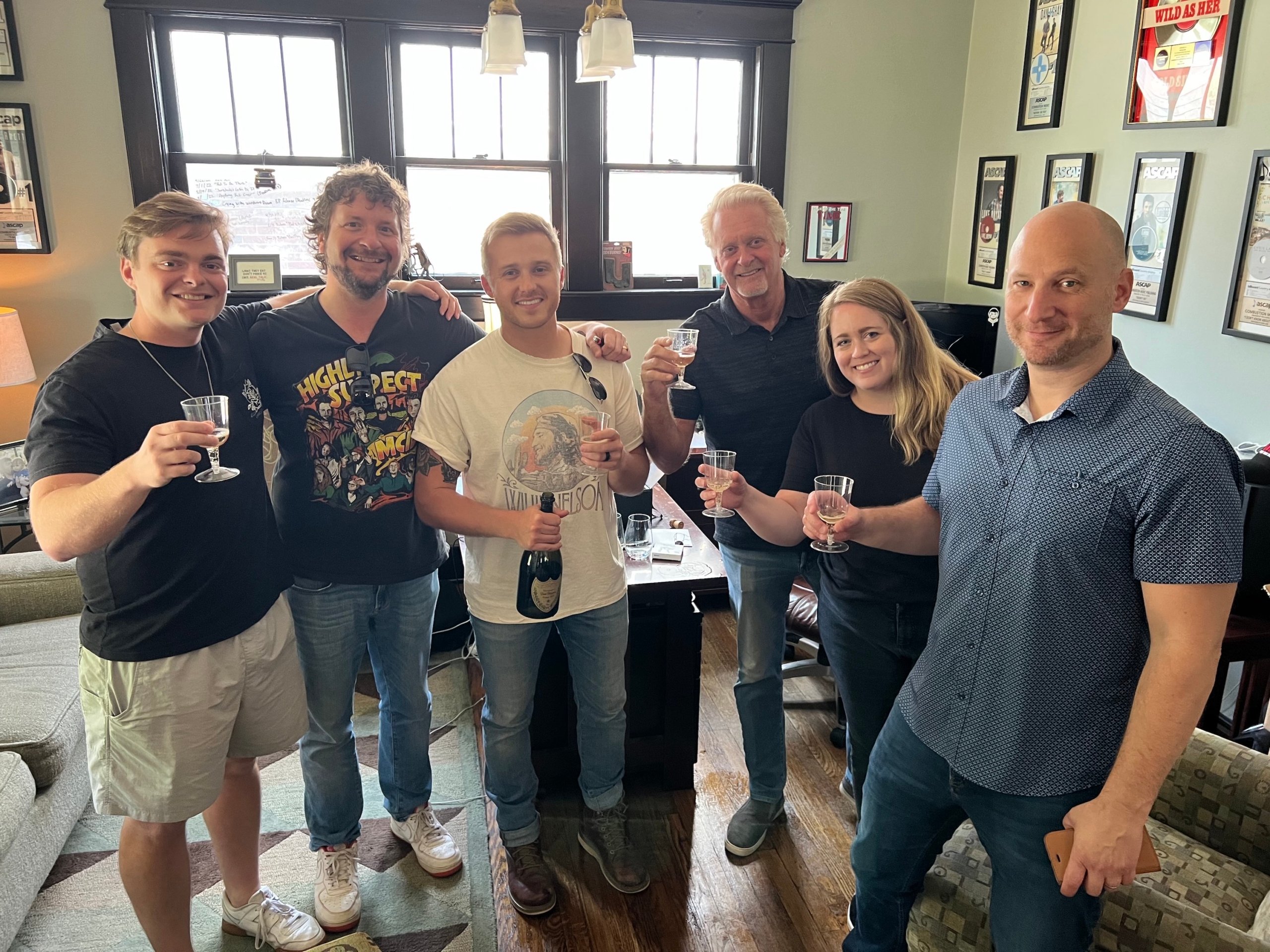
Photo: Courtesy of Farren
And that led to your first publishing deal?
Yep. That MCA guy saw what was happening and helped me get in the door. It was a small deal, but it paid something. I kept gigging, singing demos, doing jingles and writing for low-budget films. I probably wrote and recorded over 100 songs for B-movies in the ’80s. I wish I’d stuck with that world—it’s huge now—but I was giving music away cheap back then just to get it out there.
Did you ever get close to launching an artist career?
I had a couple of record deals, did a duet with the teenage star Tiffany, and even played The Tonight Show. At one point I was working with the producer of the Eagles and thought we were on our way. But nothing really stuck. Eventually my publisher told me, “You’re a singer-songwriter. That’s not what labels want here right now. You should go to Nashville.”

Photo: Courtesy of Farren
How did you feel about that?
I kind of turned my nose up at it. I didn’t consider myself country. I’d never really listened to country music. But I went anyway, and on my first trip, I wrote 10 songs and six of them got cut. That got my attention. I also met some great people and realized how incredible the songwriters in Nashville were. I couldn’t deny the talent, or the results.
I started making regular trips. Around that time, I met Jeffrey Steele, who was also from L.A. but had country roots. We became great friends and collaborators. I hired him to lead the band for a record I was making, and we ended up writing all the time. He got a record deal, I produced it, and we had some success with his band Boy Howdy—four top 10 singles. That gave me a real foothold in Nashville.
You also started your own publishing company.
Jeffrey couldn’t land a deal, and I believed in him, so I signed him myself. That was the beginning. I was doing okay financially from jingles and other work, so I took the leap. He was the first writer I ever signed.
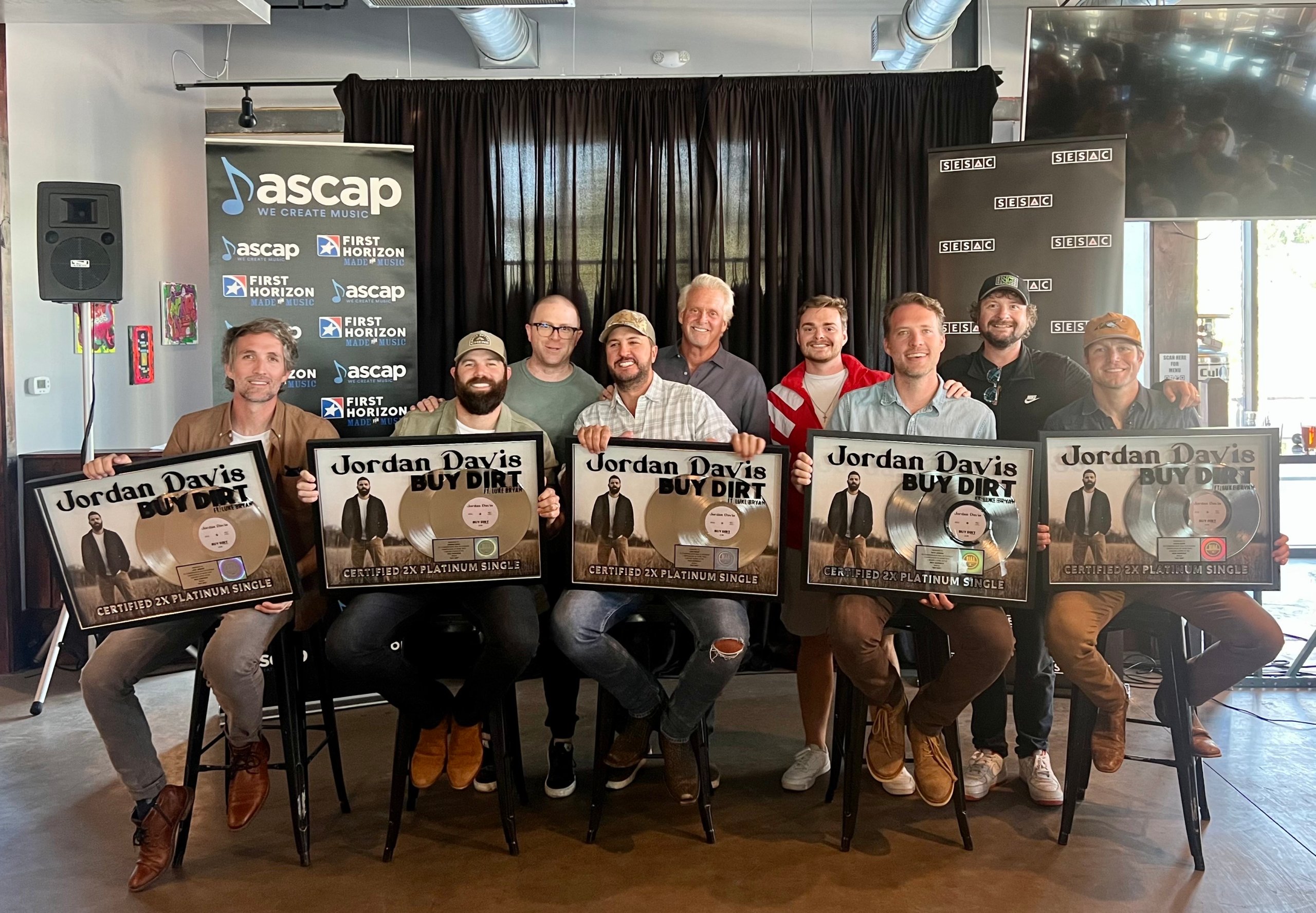
Photo: Courtesy of Farren
When did you officially move to Nashville?
I rented a condo in ’92, bought a house in ’95 when my wife got pregnant, and moved the whole family in 2000. My daughter was starting kindergarten, and it just made sense. Plus, I’d just produced “Strawberry Wine” for Deana Carter, and that opened a lot of doors.
Did you feel like an outsider in the Nashville scene?
A little bit. Most of the successful producers and writers were Nashville-grown, and here was the guy from L.A. with some heat. I think there was curiosity, maybe a little resentment, but it helped me stand out. I wasn’t trying to be different—it’s just that my path had been different.
Between 1995 and 2000, I made about 20 records and had 9 No. 1 hits as a writer. Most of my cuts were on those projects, but I had outside hits too—Colin Raye, Back Strret Boys, Trace Adkins, Diamond Rio and even a pop No. 1. I had young kids and was working nonstop. It was a grind, but I loved it.
And then you expanded the publishing arm?
Right. When it was time for my next deal, Windswept offered me a joint venture. I told them I wanted to do it for real—not just sign one person, but build something. We opened an office, hired a team, and started signing writers.
The first three I signed were Jeffrey Steele, Kings of Leon and Ashley Gorley.

Photo: Courtesy of Farren
That’s quite a start.
Not bad, right? [Laughs] That gave me the confidence to keep going. I realized I might have a knack for identifying talent.
How did you adjust to the shift from creator to mentor?
It’s a different muscle. A lot of songwriters don’t make great publishers. I think I did well because I committed to it. I wasn’t just looking for another way to make money—I really cared about the writers. And I knew how they felt, because I’d been through all of it: the highs, the disappointments, the frustrations. I tried to be empathetic, and I made a conscious decision not to compete with them. I didn’t sign myself to my own company. I wanted my writers to know I was in their corner.
What are you most proud of when you look at Combustion?
Longevity. I worked with Jeffrey Steele for 12 years, Ashley Gorley for 16. I’ve been working with Matthew West for 14. Most publishing relationships don’t last that long. Either the writer doesn’t perform, or they blow up and want out of their deal. I’m proud that so many of our relationships have lasted.
I’m proud of the 109 No. 1s. I’m proud that we’re still standing after 25 years. And I’m proud that we’ve done it with class.

Photo: Courtesy of Farren
What part of the job brings you the most joy today?
Getting back to the creative side. For a while, I became “the business guy.” I’d walk into meetings and people would say, “Oh, I thought you were an accountant or a lawyer.” That crushed me. I started in the studio—I’m a producer and songwriter at heart. A few years ago, I got back into production, and it saved me. I needed to remind myself—and others—that I can still make records.
Who have been some of your mentors?
Jonathan Stone at Windswept Pacific was a big one—he believed in me and gave me the green light to start my own company. David Foster was another. I worked with him a lot in L.A., and I admired how he balanced being a phenomenal musician with being a sharp businessman. That left brain/right brain blend really spoke to me.
And my dad—he had a go-for-it attitude. That shaped me too.
Final thought—what makes you proudest today?
I’ve been doing this since I was 12 years old. I produced “Strawberry Wine” in 1995, and I produced Corey Kent’s “This Heart,” [which just hit No. 1] in 2025. That’s 30 years between hits. I’m still here. I’m still doing what I love. That’s something to be proud of.
- BREAKING: Country Music Hall Of Famer John Anderson Passes - October 21, 2026
- WMG Unifies Global Sync Operations Across Recorded Music & Publishing - October 21, 2026
- Warner Chappell Music Signs Elizabeth Nichols To Global Publishing Deal - October 20, 2026