
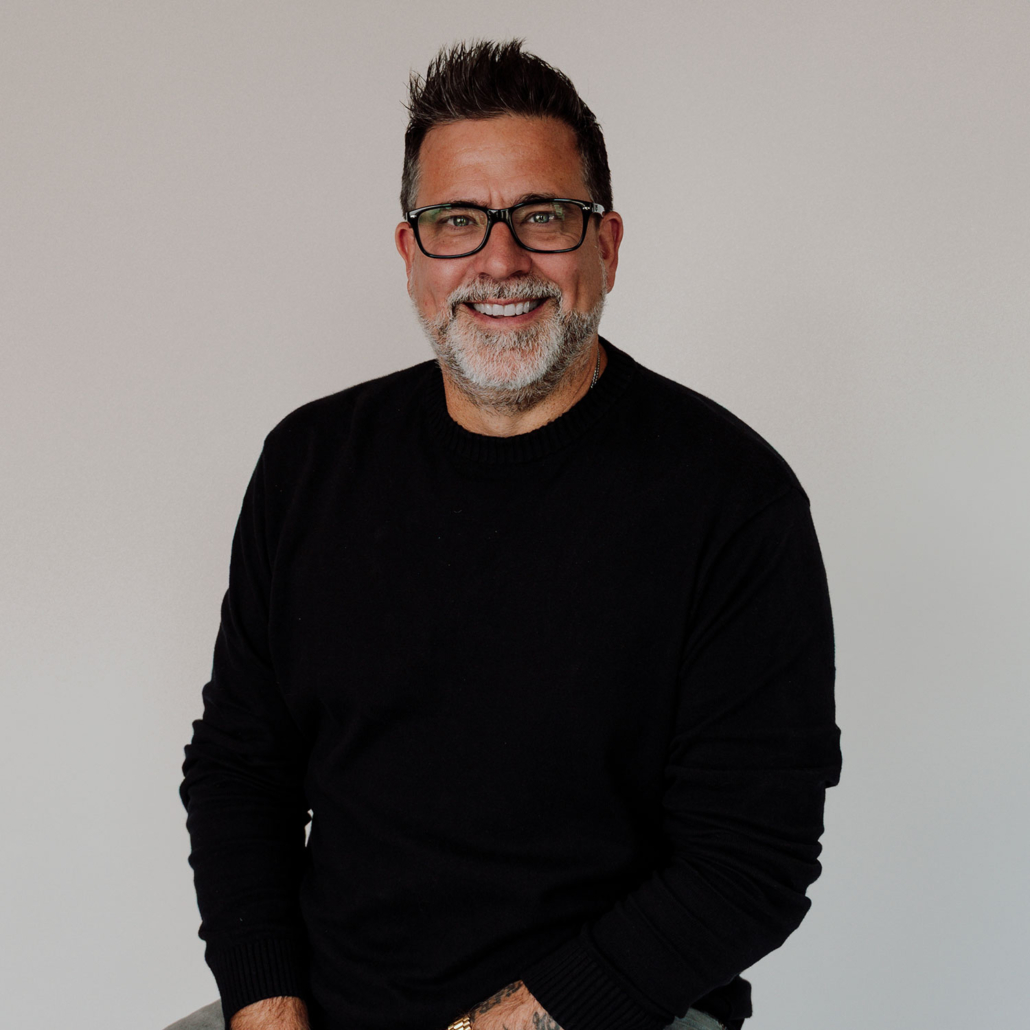
My Music Row Story: TRACK mgmt’s Troy “Tracker” Johnson
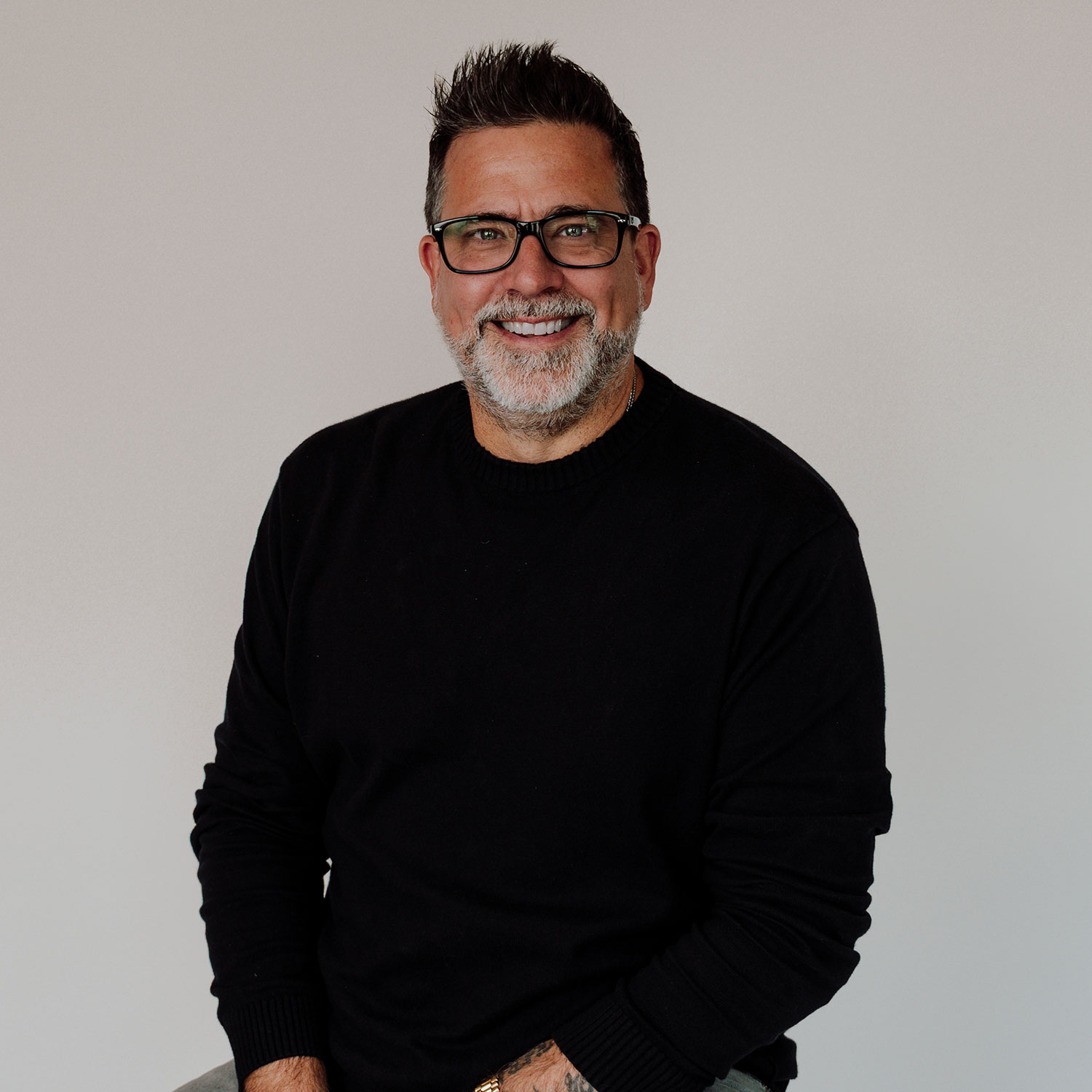
Troy “Tracker” Johnson
Troy “Tracker” Johnson is the founder of TRACK mgmt, a Nashville-based artist management company which launched in 2025. Built on creativity, honesty and hustle, TRACK mgmt is all about helping artists and the team around them grow in ways that feel real. With a passion for music and a hands-on approach, Tracker leads with connection first making sure every move stays true to the artist and the people behind it.
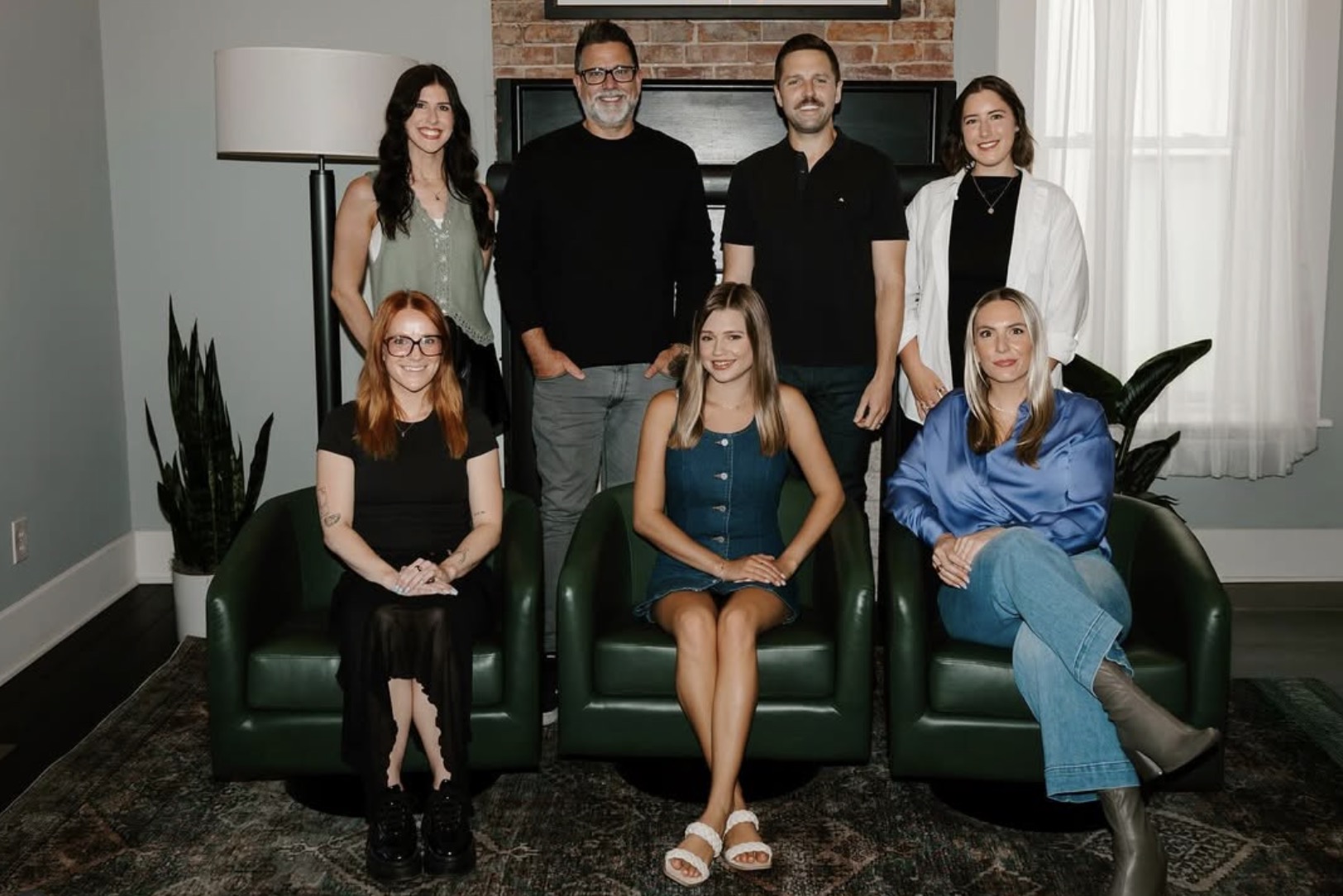
Photo: Courtesy of Johnson
MusicRow: Where did you grow up?
I grew up in Pleasanton, Texas.
We had like 7,500 people in our town. My dad was in the oilfield, so we moved around a little bit here and there, and then ended up really calling Pleasanton my hometown. As soon as I got out of high school, I went to California. My mom owned some welding trucks, so I would hop on these welding trucks and I was a welder’s helper that summer after high school. Then, as most 18-year-old boys do, I got into a little bit of trouble and my father was like, “It’s time for you to now come home.” So I got my butt back to Texas and started spending time in Austin.
What happened in Austin?
I was trying to find my way into the University of Texas. I was never the smartest kid when it came to school, but I was a hustler, so I was always working and doing stuff. I got to Austin Community College, which stood for “anybody can come” back then. It’s funny, because I wasn’t a great student, but I wanted to teach. I liked teaching people and helping. I loved kids.
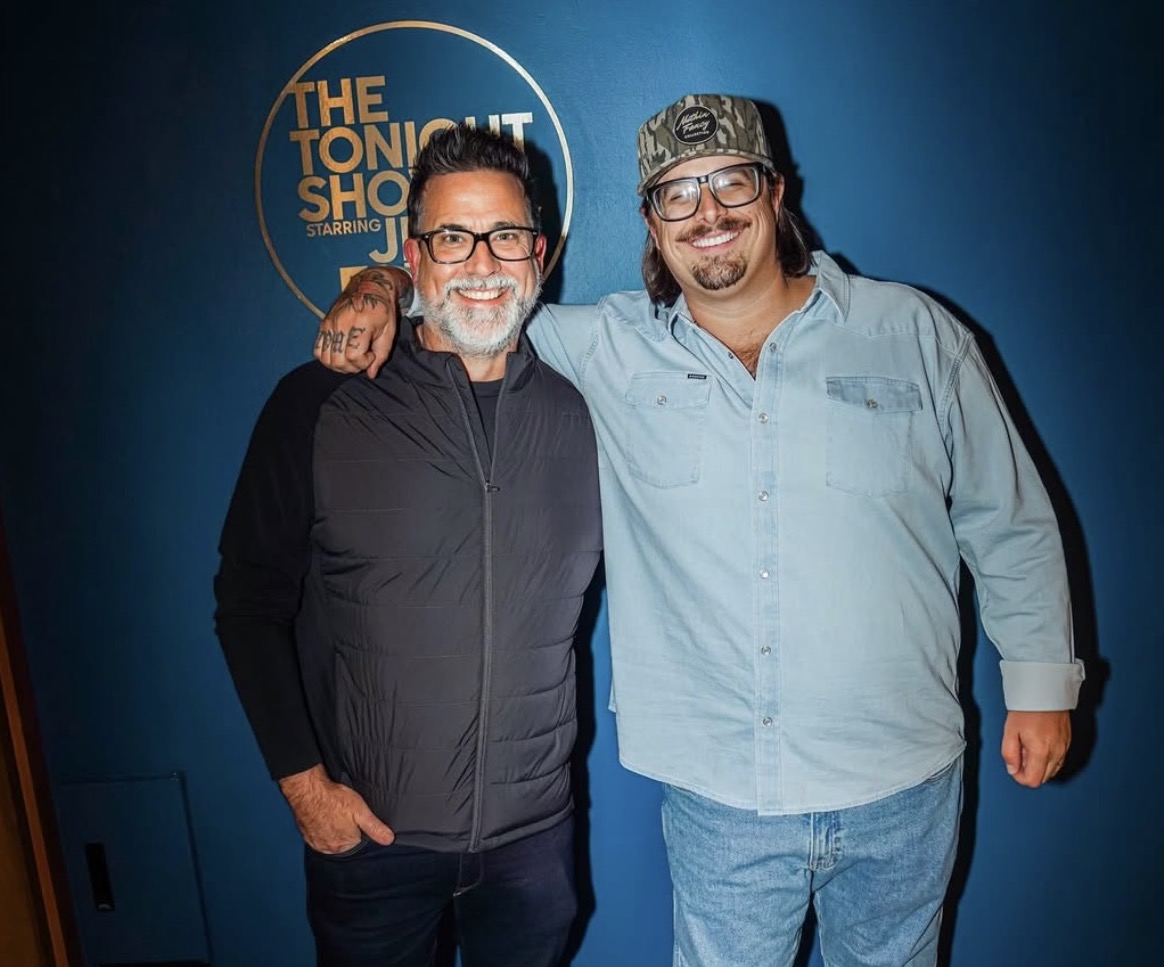
Photo: Courtesy of Johnson
I ended up working at a daycare called Extend-A-Care. I did that for the longest time. I kept moving up in the daycare, and I got to the point where I had my own daycare there in Austin and ran the school for about a year or so. During that time, I had some friends in Pleasanton that were fraternity brothers with these guys from Lubbock, Pat Green and Cory Morrow.
I found myself every once in a while on a couch in Lubbock listening to Cory and Pat play songs, and I was hooked. I was underage, but because we knew people, we would go to Pete’s Piano Bar on Sixth Street and watch them play every Tuesday. That Texas music scene really took me over, from Pat Green to Cory Morrow, Guy Clark, Billy Joe Shaver, James McMurtry, Todd Snider, Jack Ingram, Robert Earl Keen—the list went on and on.
How did you get involved?
I literally started as a super fan in this industry. I was always around, so Cory Morrow asked if I wanted to start selling his t-shirts. I became a merch salesman for Cory, and that kind of morphed into being a booking agent. I became friends with a guy named Matt Peveto, who had a company called Mustang Entertainment. He was booking Cory at the time, so I did that for a little bit. Then I started booking bands, and I worked for Matt at Mustang for many years. I was booking Mark David Manders, Houston Marchman, Tracy Lynn, Max Stalling, just all these Texas acts. I remember not making any money. He would pay my rent, and then I would work at Chili’s to make a little cash. I was always hustling.
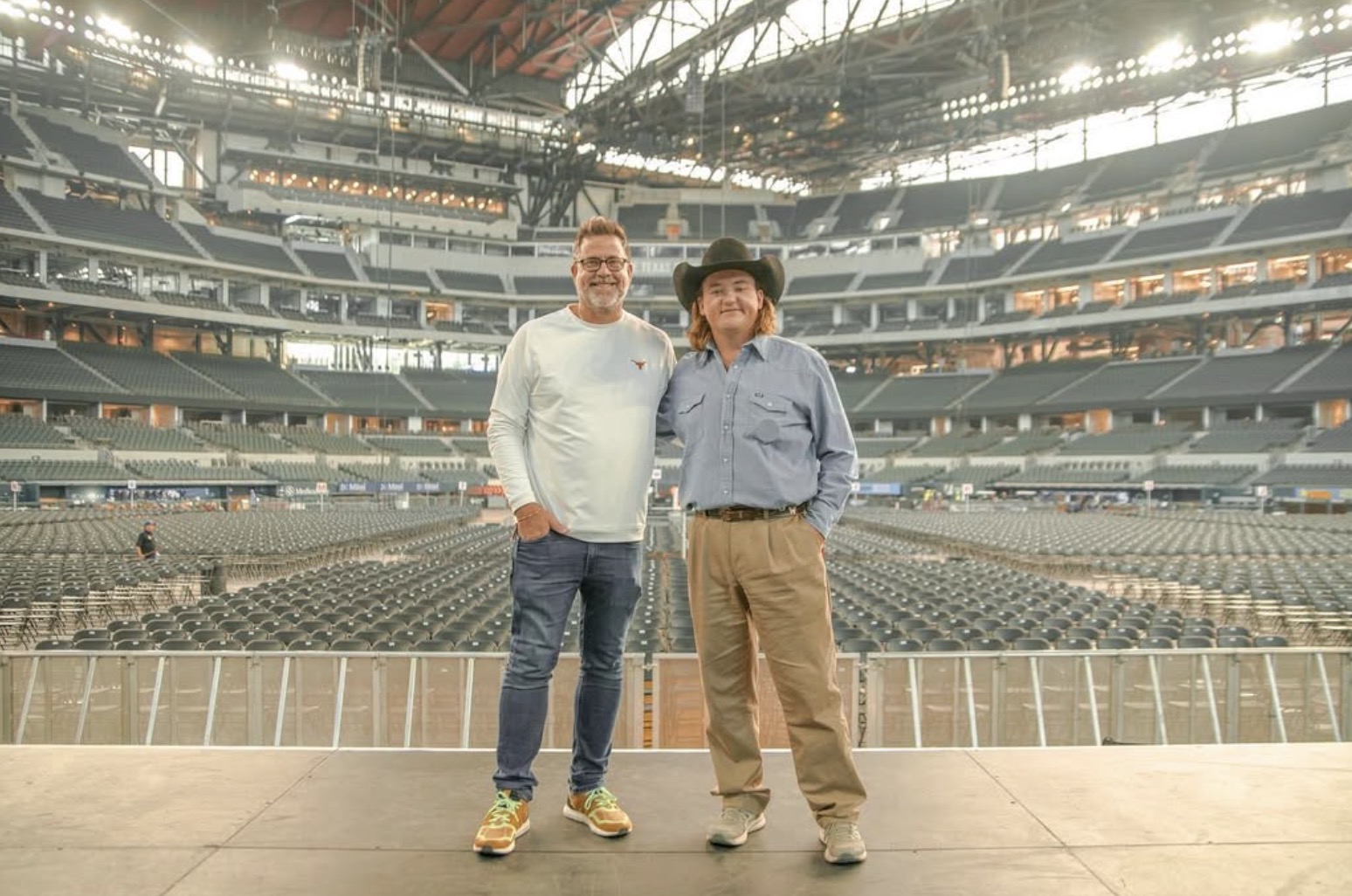
Photo: Courtesy of Johnson
While I was booking bands, one of the bands that was being booked by Matt was this guy named Roger Creager. I became really close with that team because I’d gone out and done merch stuff and I was still kind of on the road, so I’d be a promoter rep at a festival or the stage manager at a festival. The tour manager for Roger ended up passing away, and Roger asked if I wanted the gig. That was my next step. I dove in and was obsessed with the road.
I was with Roger for maybe four years, and then I switched to Eli Young Band. They had grown a cool following in Texas around the fraternity scene, and it took off with them. I learned a ton.
What was next for you?
I called a very good friend, Jordan Powell. I was explaining my frustrations with the Texas music scene and my growth in the industry, and he literally just said, “Man, if you want to make a living, you got to be in Nashville.” He was already up here with Miranda Lambert, and he bought me a plane ticket and lined up some interviews for me.
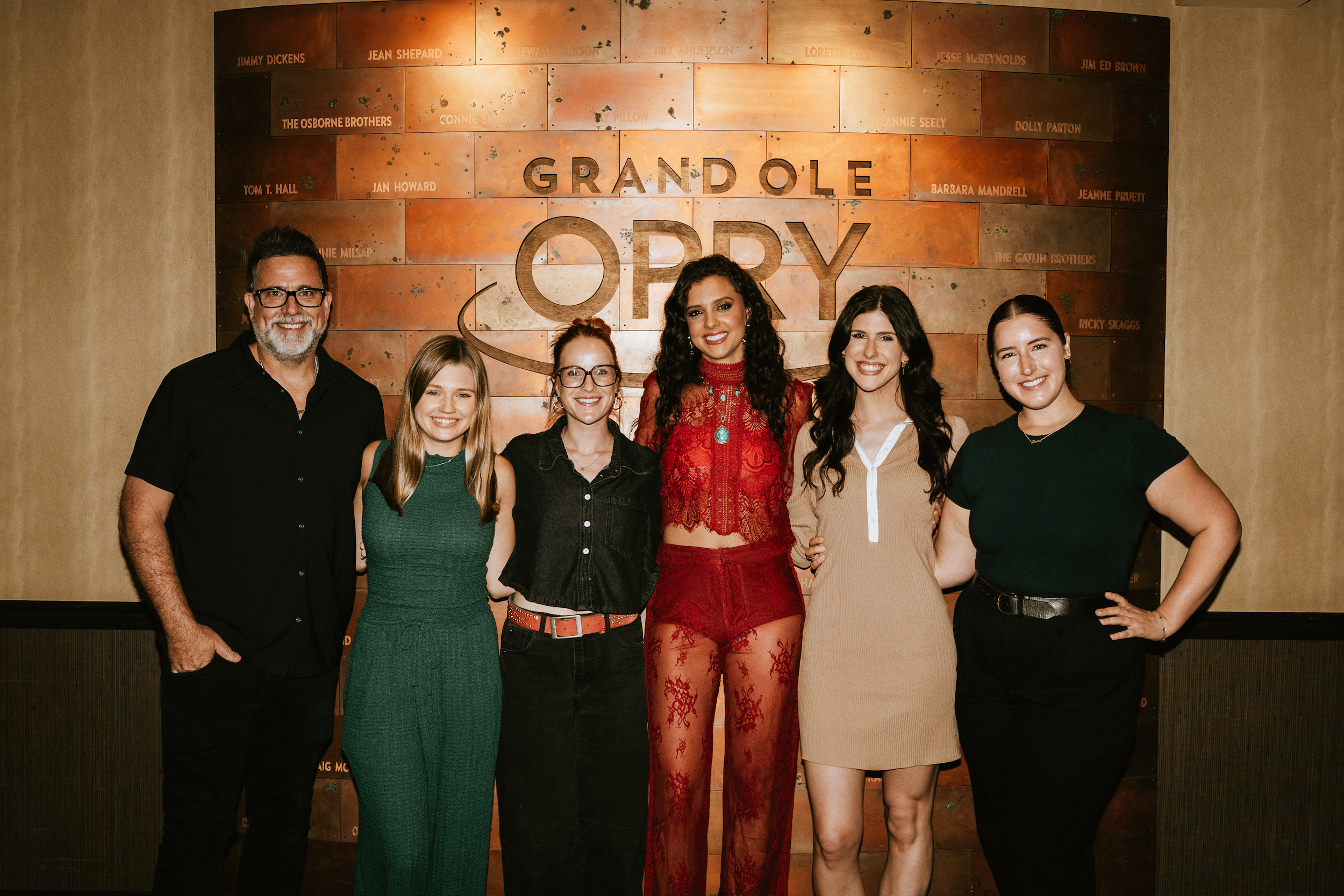
Photo: Courtesy of Johnson
I had an interview with the band Gypsy, Lady A and Chris Young. Chris was a couple years off of Nashville Star and I went to work with him. I went all in with Chris and did a little over two years with him.
Jordan called me again and said he needed a production assistant on Miranda, so I jumped on with Miranda as a production assistant for a couple runs. It was epic. [Miranda’s manager] Marion Kraft had started managing Chris Young, and I was on a run when she called me. I answered and said, “Hey, let me call you right back when I’m done running,” and I hung up.
Five seconds later I was like, “Oh my God, you just do not not take a call from Marion!” I called her back, completely out of breath, and she said, “I need you to start tour managing Chris Young. I need you to start immediately. Your first run is in Kuwait doing a USO tour.”
Then what happened?
One day my phone rang and it was Seth England. He said, “Hey man, my act Chris Lane is out there with Chris Young. I don’t know if you know who this band Florida Georgia Line is, but these guys are moving quickly and we need someone.”
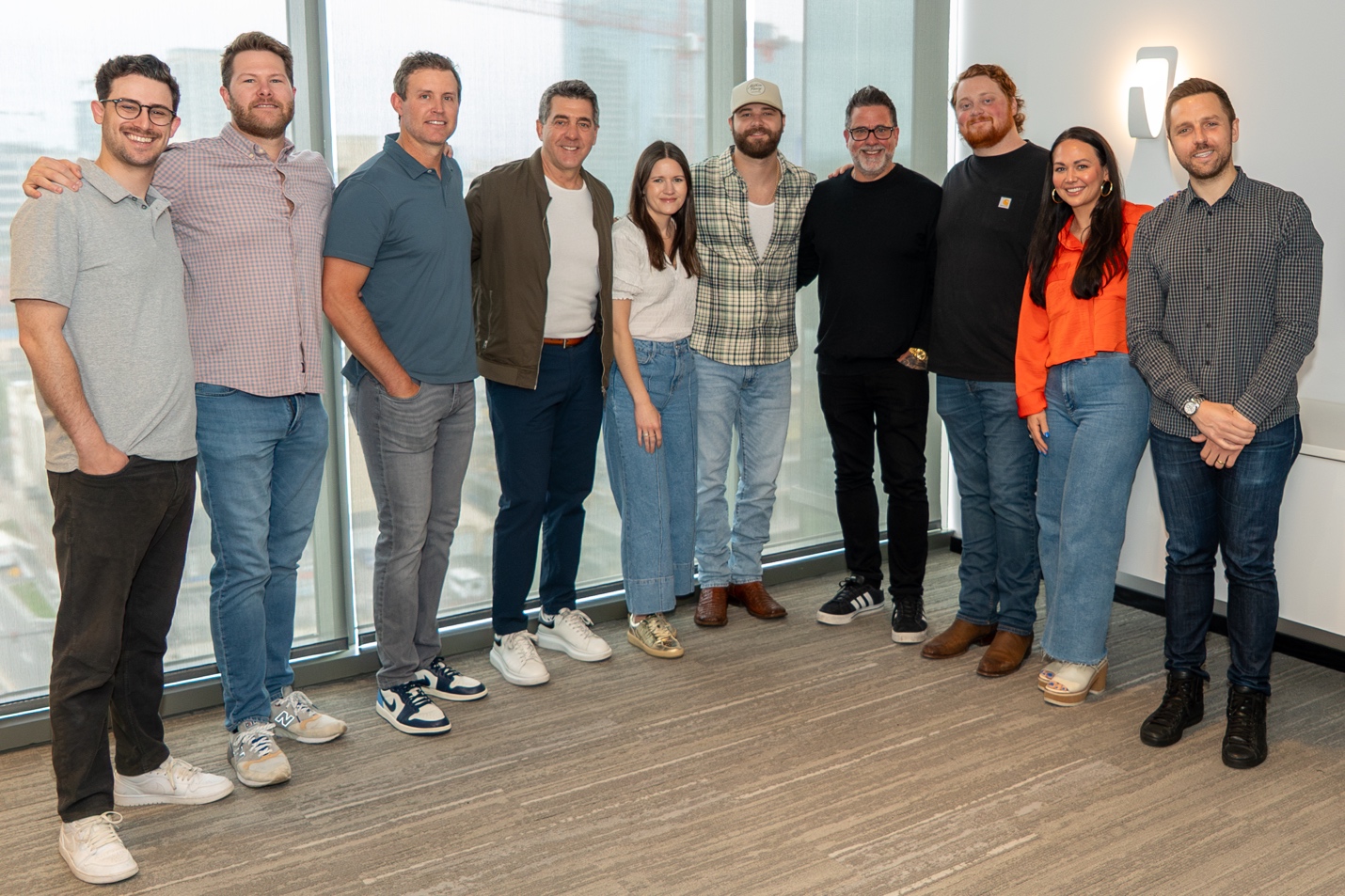
Photo: Courtesy of Johnson
I wasn’t into the FGL thing at first, and Chris was such a good boss to me, but someone got in my ear and just said, “You have to take this gig. This is something that’s going to change the industry.”
I met the FGL guys, Chief [Zaruk], Seth and Craig [Wiseman] at Cinco de Mayo off White Bridge Road during CMA Fest. I believed in their passion for breaking an artist and developing it, so I took the FGL gig.
It was the best ride. I came on when they were on their second or third single, and we were still on one bus. Within months it was two trailers, four buses and two semis. I remember the first weekend I went out with them, they were opening for Luke Bryan, first of three, and 10,000-plus people at this festival were singing words off an EP. It was mind-blowing. Over the next few years with FGL, it was nonstop. They had so many opportunities, so we were gone nonstop.
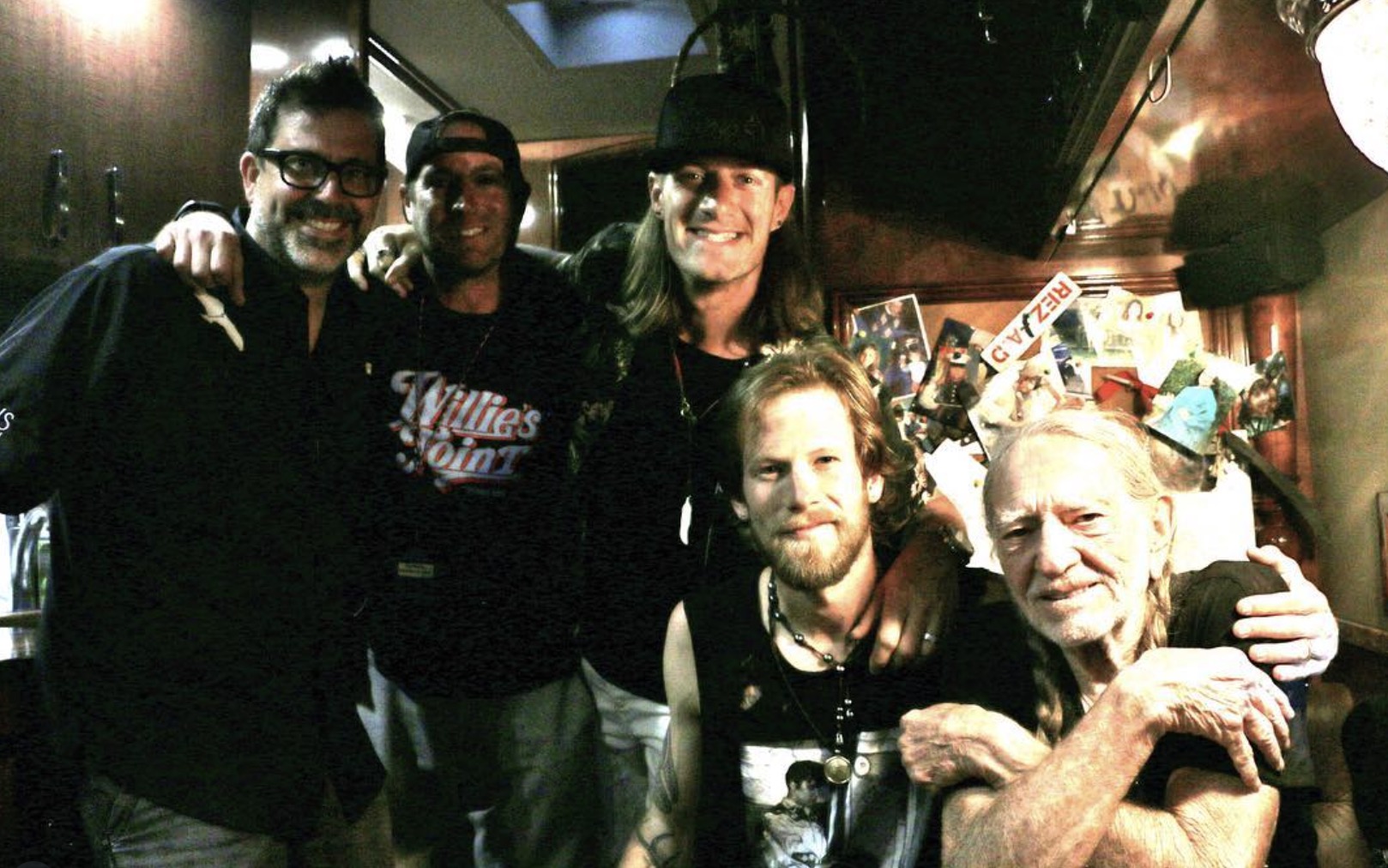
Photo: Courtesy of Johnson
Is FGL how you met HARDY?
Yep, via the Tree Vibez bus that took songwriters out on the road to write. Honestly, I really couldn’t stand the Tree Vibez bus because the writers just came out and demolished all the booze and food, and they just didn’t understand touring. [Laughs] But I remember thinking HARDY was really cool, that there was something different about him.
My time with FGL came to an end. Around 2016, I went to Chief and Seth and told them I would like to transition out. I ended up coming into the Big Loud office full time, and I was still helping on FGL. I also had Chris Lane, MacKenzie Porter and Mat Kearney for day-to-day management. Morgan Wallen decided to come to Big Loud for management, so I got on his account.
One day someone said that Michael Hardy wanted to be an artist, and I said, “If HARDY is coming to this company, I have to be the guy.” And that’s what happened. Early 2018, he jumped on and did a show with Chris Lane in Minneapolis. That was his first time ever on a stage as HARDY. It was great. It really just became those two clients for me. I jumped all in on Morgan and HARDY.
When Morgan decided to leave the management side, a lot of changes happened at the company. It was really just me in the Big Loud management building. I went to Seth and told him I knew he was going to be winding down the management company at some point, and it was time that I depart and do TRACK mgmt. I had the name, the logo, the checking account. I knew what I wanted. I knew where I was heading.
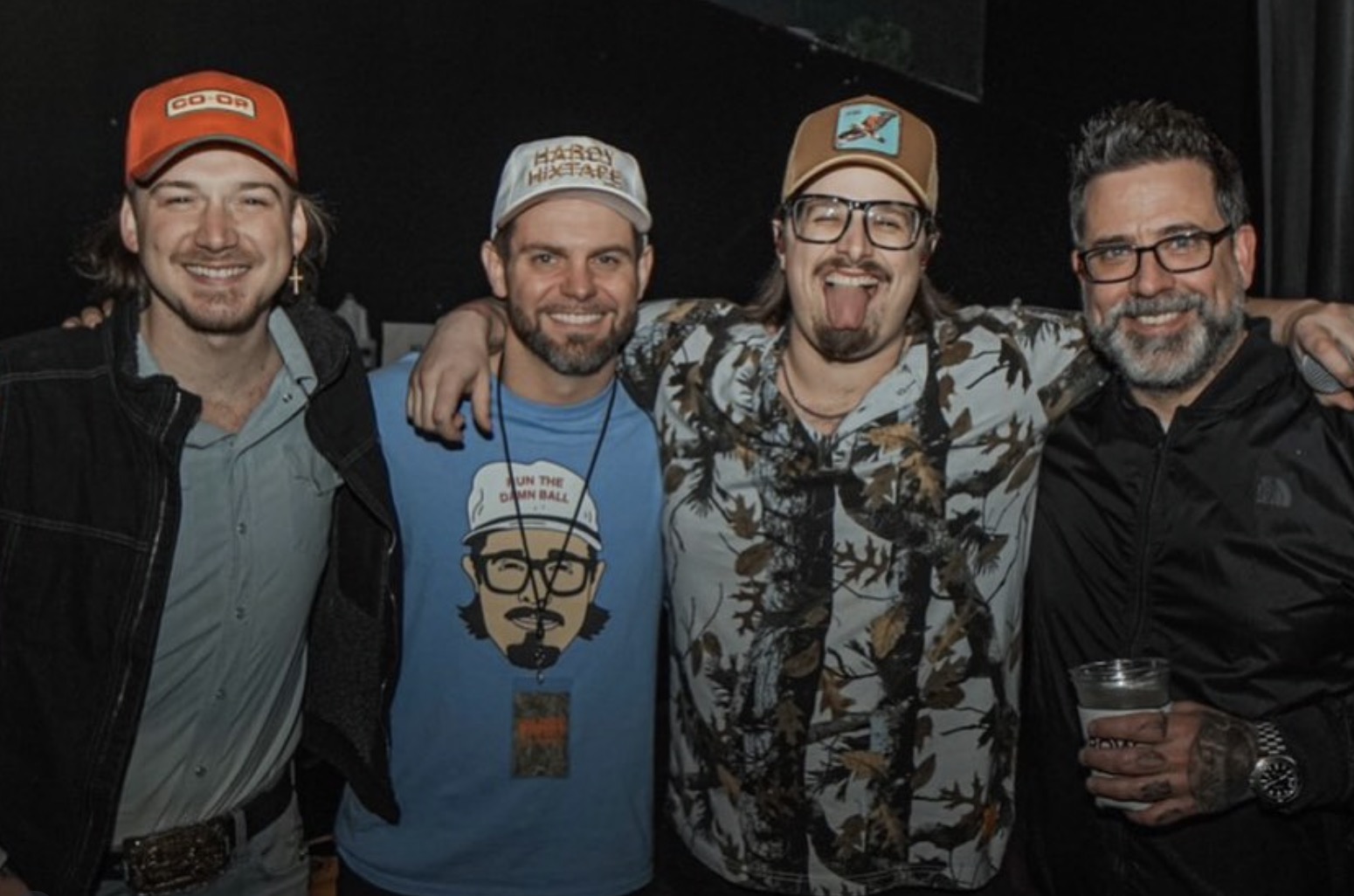
Photo: Courtesy of Johnson
Seth, and the other Big Loud partners at the time, gave me so many opportunities and championed me in every room. Seth said, “I think that’s incredible. How can I help? What can we do?” I stayed in the building for about six months, and then a building came up on 17th Avenue.
And you were off!
A lot of clients rolled over to TRACK mgmt, and the staff too. It’s 100% TRACK mgmt now, through the Live Nation portal. We have HARDY, Jake Worthington, Lanie Garder, McCoy Moore, Will Terry, Dallas Smith and Default.
Being a part of events and just being a part of the community now with my company is special. I feel like I’ve definitely lived so many different lives. I’ve done it all in this industry, but it really all started with a love for music, songwriters and shows.
Who would you name as mentors?
Seth England, Chief Zaruk, Brad and Denise Garrett, Jordan Powell, Todd Ortmeier. There’s just been so many key people in the later stages of my life.
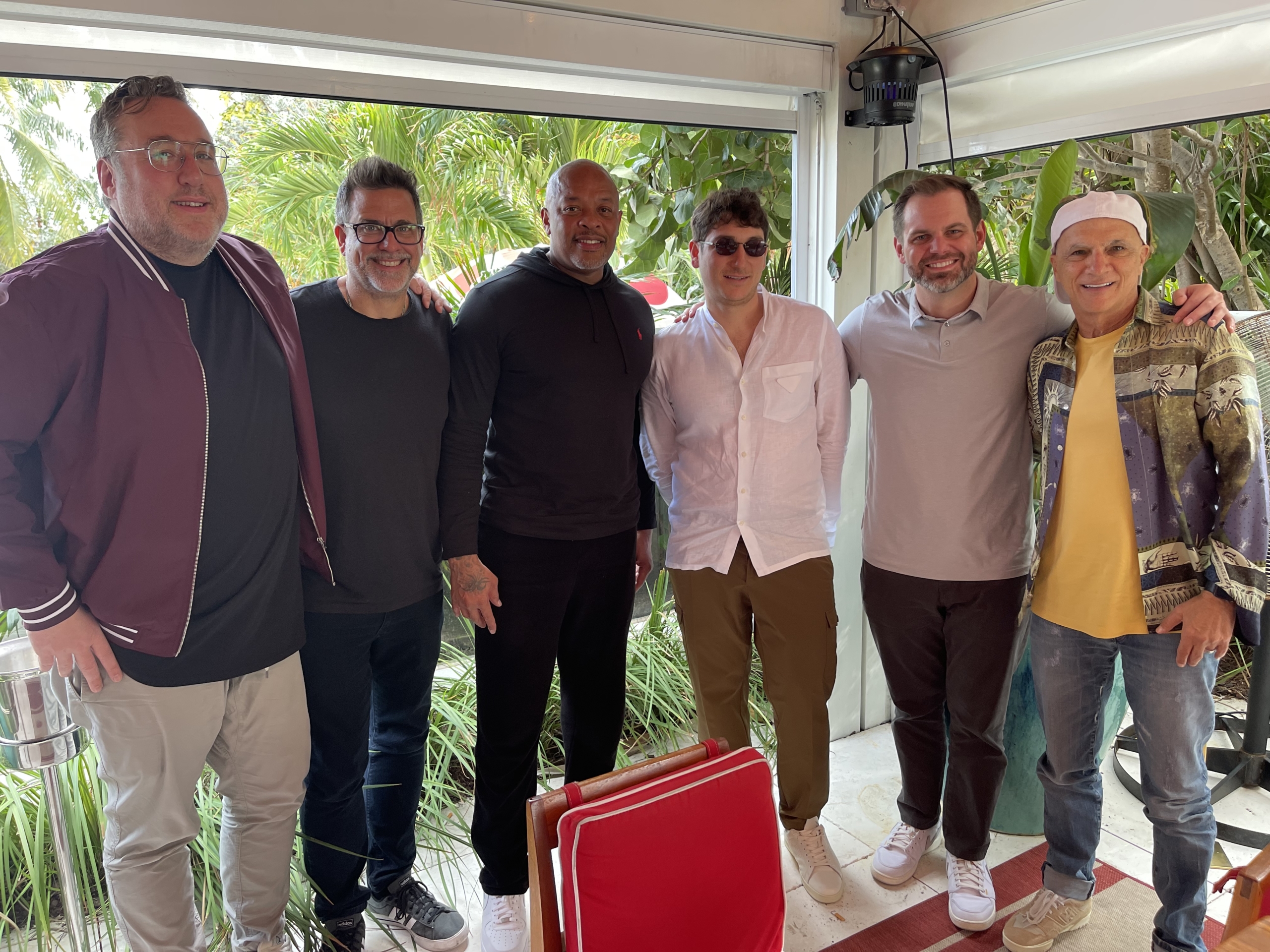
Photo: Courtesy of Johnson
What is some of the best advice you’ve ever gotten?
I was getting a little flustered with something and Marion told me one time to watch Chuck Hull, who’s the tour manager for Keith Urban. She told me to watch his movements and his personality. She said if the building was on fire, Chuck would walk up to Keith and be like, “Hey bud, we got to go,” and he would very calmly walk Keith off the stage.
Chief told me one time, “Just relax, it’s going to suck.” It was in regard to a hard travel situation, but it helped put it into perspective for me that it’s gonna suck, but we’re gonna get through it.
Another time, I was dealing with a client situation and wanting to know my place. I felt myself trying to force wanting something for an artist or wanting to make a certain decision. Clarence Spalding told me, “It’s their career, it’s their choice. They have to be the ones to make those decisions. We are just here to give them advice, but at the end of the day, it’s their decision.”
- BREAKING: Country Music Hall Of Famer John Anderson Passes - October 21, 2026
- WMG Unifies Global Sync Operations Across Recorded Music & Publishing - October 21, 2026
- Warner Chappell Music Signs Elizabeth Nichols To Global Publishing Deal - October 20, 2026