
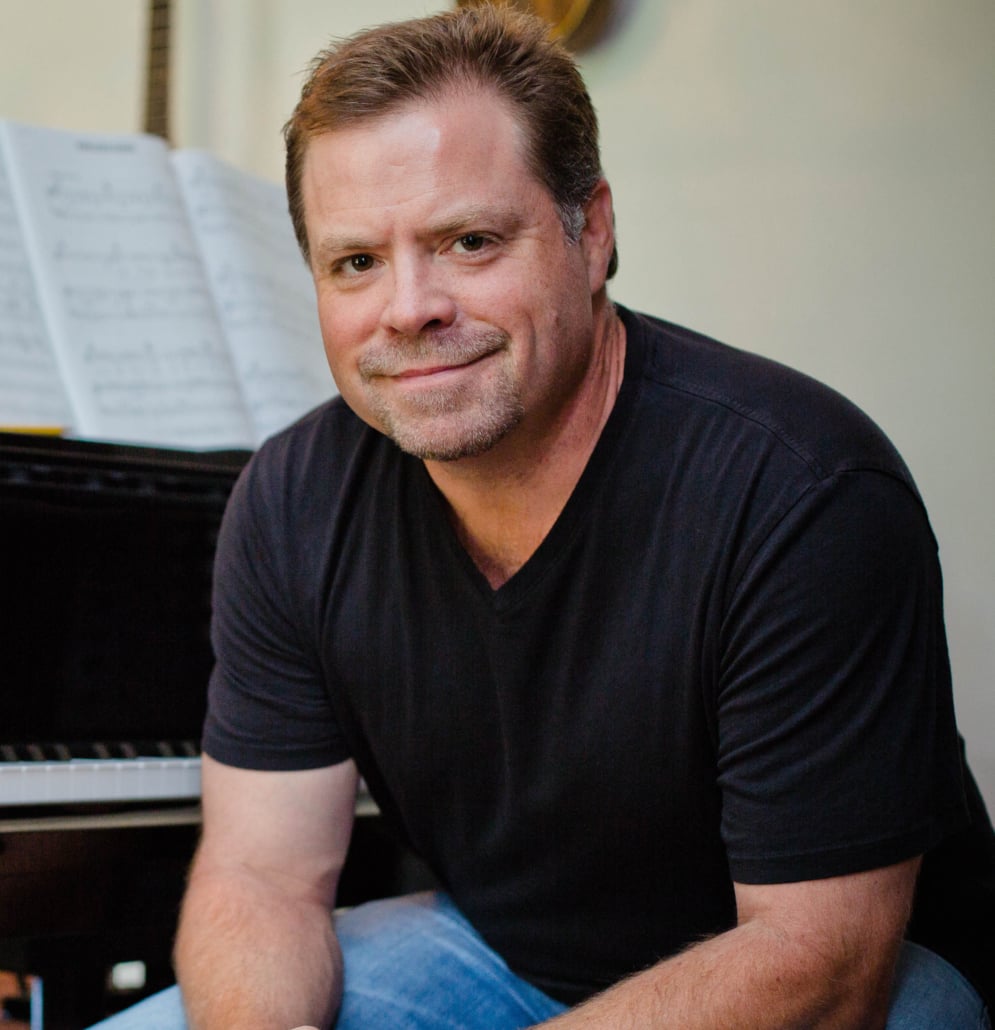
My Music Row Story: Spirit Music’s Frank Rogers
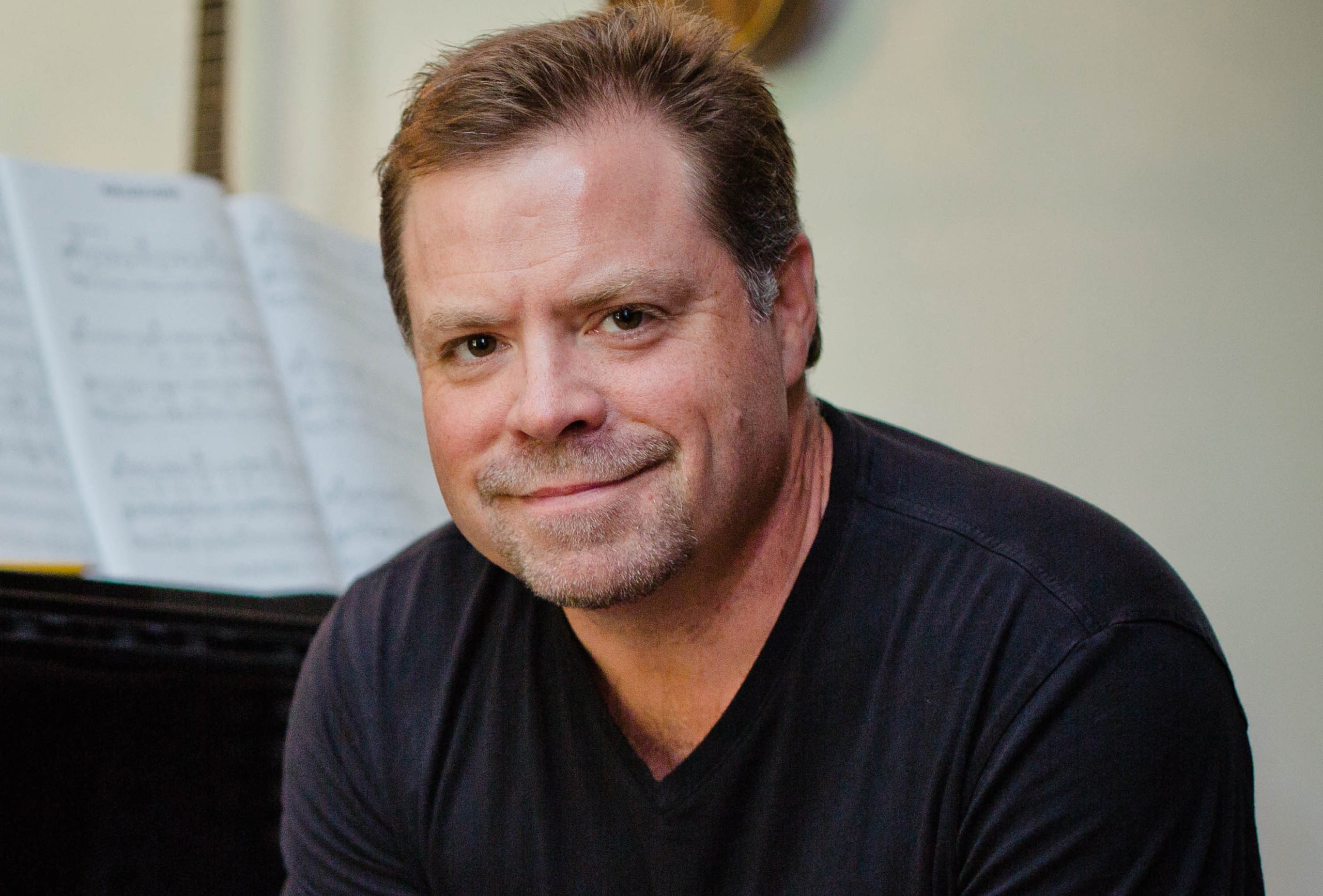
Frank Rogers.
Frank Rogers is a multi-platinum, award-winning record producer, songwriter, publisher and music executive who serves as CEO of Spirit Music and President of Fluid Music Revolution. A longtime leader in Nashville, Rogers has produced 46 No. 1 singles and more than 80 Top 20 hits while working with artists including Brad Paisley, Darius Rucker, Josh Turner, Scotty McCreery, Trace Adkins and Chris Stapleton. He has earned multiple CMA, ACM and Grammy honors, was named Billboard‘s No. 1 Hot Country Producer five consecutive years (2006-2010) and was recognized as Billboard‘s No. 2 Hot Country Producer of the 21st Century.
As a songwriter, Rogers has penned 10 No. 1 hits, including Brad Paisley’s “I’m Gonna Miss Her (The Fishin’ Song),” Darius Rucker’s “Alright” and “This,” Granger Smith’s “Backroad Song,” and Scotty McCreery’s “Five More Minutes,” “This Is It,” “In Between,” “You Time,” “Cab In A Solo” and “Bottle Rockets” with Hootie & The Blowfish. He has also written music for film, television and national advertising campaigns.
As an executive, Rogers began his career at EMI Music Publishing before co-founding Sea Gayle Music with Brad Paisley and Chris DuBois in 1999, where he helped develop writers including Chris Stapleton and Ingrid Andress. He later launched Fluid Music Revolution before expanding his leadership role at Spirit Music, where he now serves as CEO, overseeing the company’s global creative operations while continuing to write and produce music.
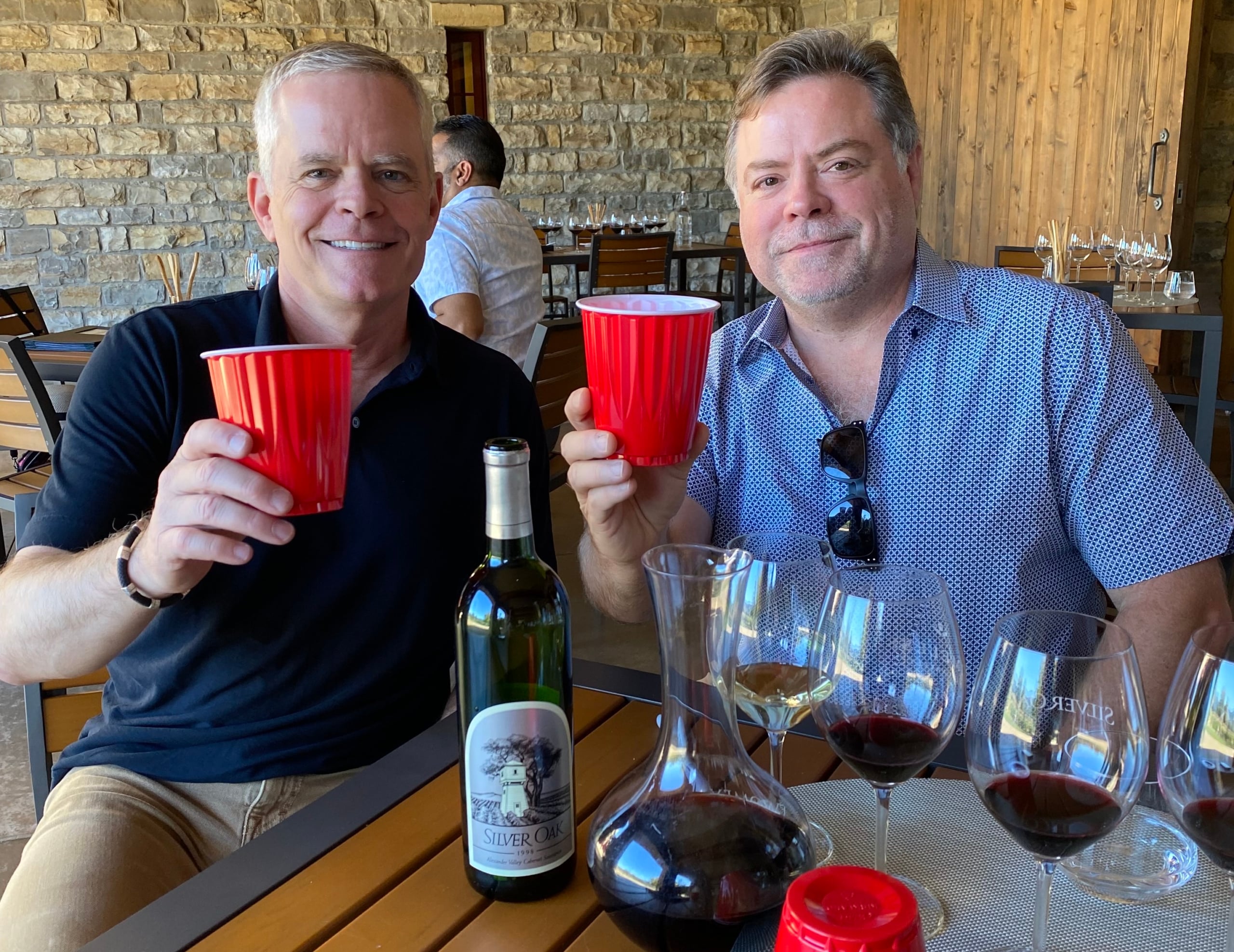
Photo: Courtesy of Rogers
MusicRow: Where did you grow up?
I grew up in South Carolina, in a town of about 29,000 people called Sumter. It’s actually where Lee Brice is from, as well as songwriter Rob Crosby. There are a few of us from there, but we didn’t know each other back then.
I grew up thinking I was going to be a professional athlete, but that didn’t work out. Around 12 years old, I picked up the guitar and thought, “Okay, I like this a lot.”
I started playing in bands, and we had a pretty unique choir program at my public high school. We got to perform at Carnegie Hall, tour Europe, play Notre Dame, Sainte-Chapelle, Quebec and the Kennedy Center in Washington, D.C. We kind of toured all over. I was doing more formal music there while also playing in rock bands, R&B bands and everything else. I did a lot of performing, but my favorite part was always creating. As soon as I picked up a guitar, I started writing my own songs.
I thought I was going to go to the College of Charleston and double major in business and music. I figured I’d work a day job and play in rock bands on the weekends. Then, at the last minute, I heard about this place called Belmont. I came and visited, found out that if I came as a freshman, I could get some scholarships and three weeks later, I was in Nashville. I’d never been to Nashville before and had never heard of Belmont. I walked in, saw the studios and the curriculum. I thought, “Okay, so it’s a business degree, but it’s music.” It just kind of felt like the right thing. So I came to Nashville when I was 18 years old and have been here ever since.
Tell me about your time at Belmont.
I was a staff engineer at the Belmont studios, so that was one of my jobs.
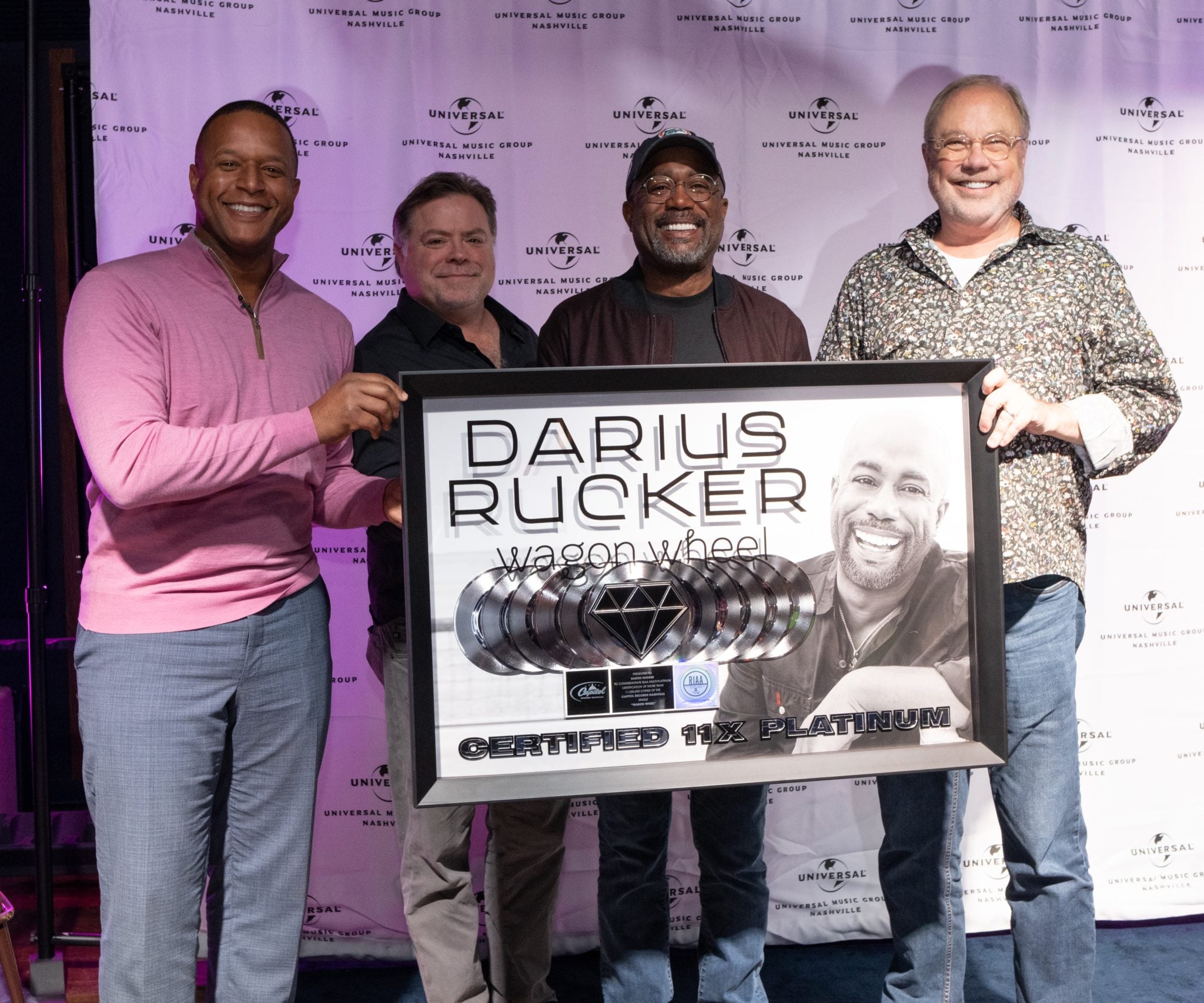
Photo: Courtesy of Rogers
I initially had an internship with NSAI, and then my sophomore year I had an internship at EMI Music Publishing, which at the time was the world’s largest music publisher. After a semester, they offered me a full-time job. I said no. I told my mom I was going to get a degree, and I thought I needed a degree so I decided to stay. At that point, I had a bunch of scholarships. It was basically free for me to go to school, so it would’ve been ridiculous to bypass that opportunity. So, EMI hired me 20 hours a week as a part-time tape room guy.
I was going to school and doing that and then as writers would come in and need demos recorded at night or on the weekends, which the other engineers didn’t really want to do, I would do that. I did that for my last two and a half years of college and then, when I graduated, EMI hired me full-time.
Tell me about that.
I started as an intern, then became a production assistant to Jimmy Gilmer, who was my first boss in the industry, and did that for a handful of years.
At the same time, I was always quietly writing songs and producing stuff. I started signing some of the people I was working with, like Brad Paisley and Darryl Worley, and I was writing songs with them as well.
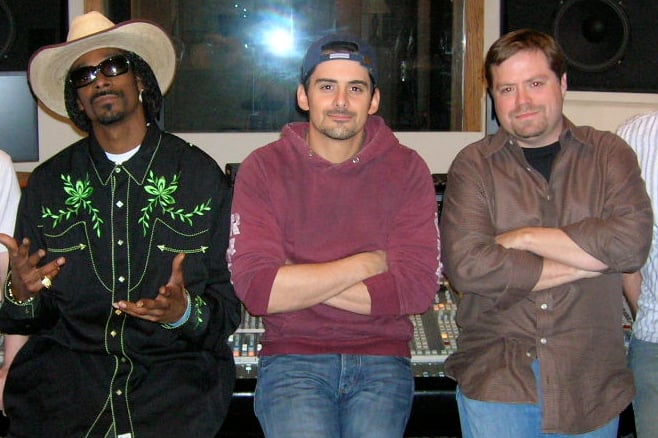
Photo: Courtesy of Rogers
All of a sudden EMI said, “Oh, you write songs? Our employees aren’t supposed to be writers.” I said, “That’s kind of part of what I do.” So, I signed a publishing deal as well.
After a few years, Brad Paisley, Chris DuBois and I were all working together, and we decided we wanted to start a publishing company. We went to the people at EMI and said, “Hey, we’re going to start a publishing company. We’d love to do a joint venture with you guys.” They decided that it was a good idea because we were starting to have some hits and do some things.
We started Sea Gayle Music. That was a joint venture with EMI for several years before we branched out on our own. From the time I started as an intern until I left as VP, I was probably at EMI for eight or nine years. So I was there for a while, just in different capacities.
Then you went to Sea Gayle full time?
Yes. At that point, I was producing Brad, Josh Turner, Trace Adkins, Darryl Worley and a bunch of other artists. So I was in the studio a lot, writing songs a little bit, and then we were building Sea Gayle. That was a wonderful time.
We had a great run. We made some great music. We won ASCAP Country Publisher of the Year twice, which had not been done by an independent in decades. We signed some amazing writers like Chris Stapleton.
It was just a great thing, but after about 15 or 16 years, I was like, “You know what? It’s time for a new challenge.”
What was next?
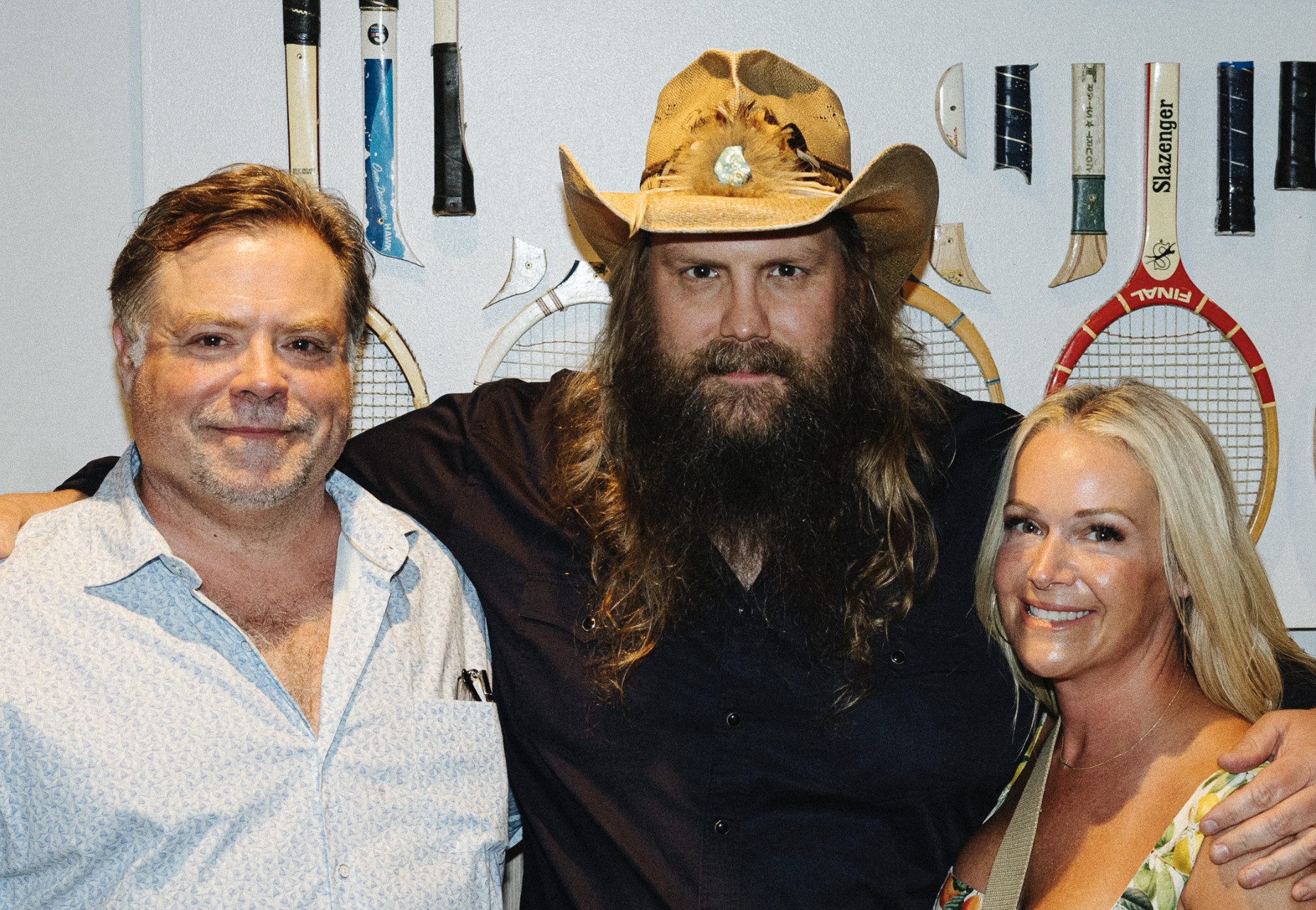
Photo: Courtesy of Rogers
I left Sea Gayle and started a new company called Fluid Music Revolution with Spirit Music.
I’d never heard of Spirit before, but I met with all the different companies and all the different potential investors. There was something I really liked about the way Spirit was set up. They had offices in multiple territories, and they had a lot of catalog music, but they didn’t have much contemporary music.
I thought, “Okay, what they need is what I do, and what I need is what they do,” so I started a joint venture with them. After about three years, we expanded the relationship to me running the Nashville office. After about three more years, that expanded into me becoming chief creative of Spirit’s global roster. Now it’s transitioned into me being the global CEO of Spirit.
So that’s where we are today, running Spirit while I still write and produce on the side.
How do you balance writing, producing and running Spirit?
I’ve always been kind of split-brained, and for whatever reason, it’s worked for me. I think if I were a full-time producer, a full-time writer or a full-time businessperson, I’d get bored.
It’s really good for me to sit down and talk to one of our writers, help plot their journey and help get them to the next level, then go talk to a lawyer and work on a deal. Then I can disappear for two hours and go write a song or go to the studio and cut something.
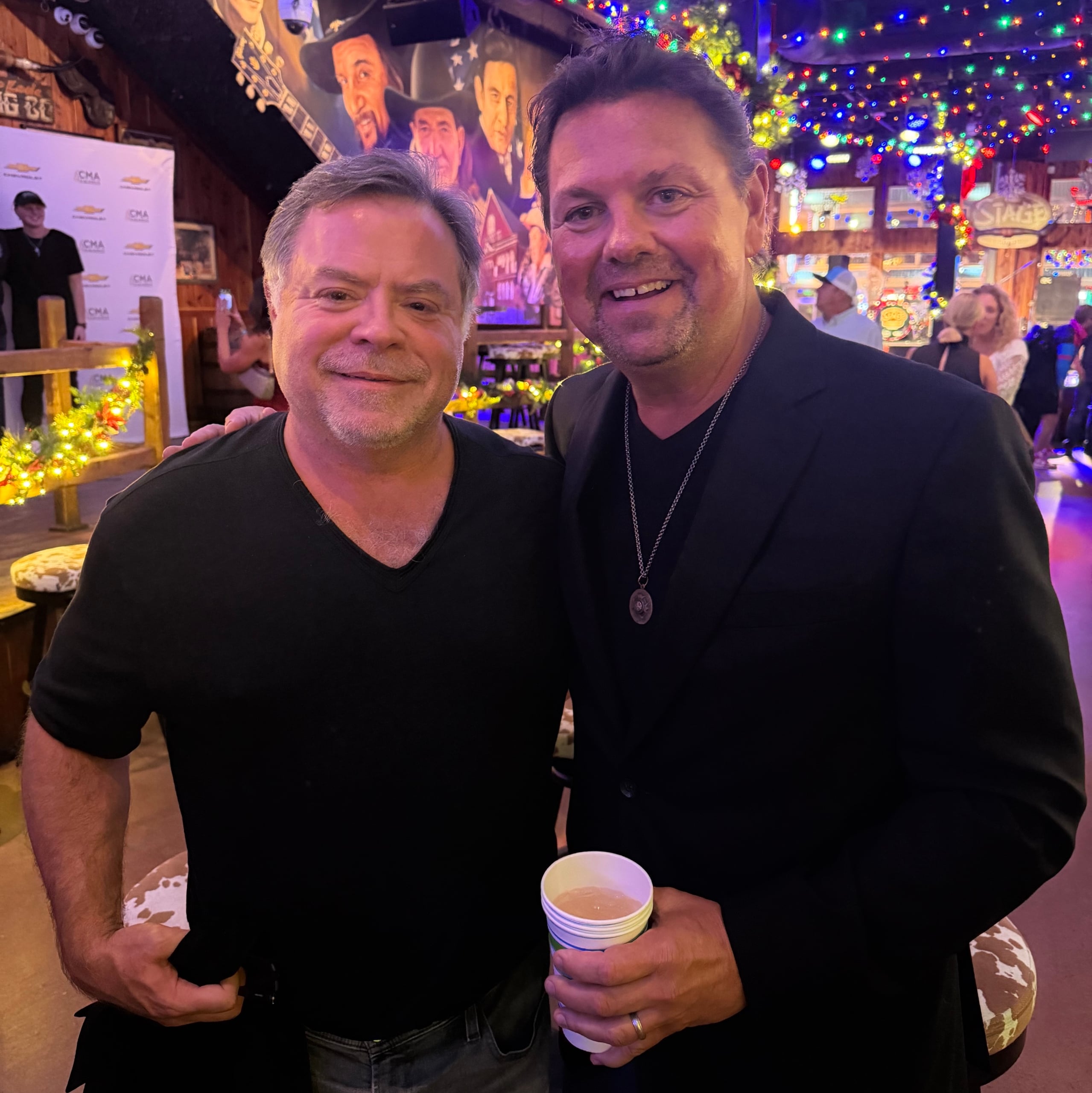
Photo: Courtesy of Rogers
My whole career has been a balance of the three. There have been moments where it was 90% producing. There were moments where it was split almost evenly across everything. This season of my life, the last four or five years, has probably been 80% business and a little bit of writing and producing.
This year, though, it’s kind of evened back out into thirds again because I’m working on three different records and writing on all of them. There is never a dull moment.
What does a typical day look like for you now?
No two days look the same, which is what I like about it. If I’m making a record, I’ll start the day doing business stuff, then disappear into the studio and come back in the evening and do more CEO work.
The last six weeks are a good example. I thought I was going to be in Nashville pretty much all of March and April. Instead, I went to Los Angeles to visit our office, then to Las Vegas to see a Marshmello show because he’s one of our people. From there, I went to London to record at Abbey Road with Darius Rucker, and after that, to Raleigh to record with Scotty McCreery. Then I came home for a few days, and Scotty called and said, “Hey, I want to write for the new record. Can you jump on a bus and go with me to the Northeast and Canada for four or five days?” I said, “Sure. I’ll meet you up there.” This week I’ve been in the office all week, but I’ve also been working on a couple of records in the mornings and at night.
I can think I know what my day is going to look like, and there are certain days where I know maybe 50% of what it’s going to be. But it’s the music business. I can walk in and get one phone call, and it changes everything, for good or for bad. There could be some big issue, or there could be some big opportunity.
Do you have a favorite part of what you do?
I really do enjoy all of it.
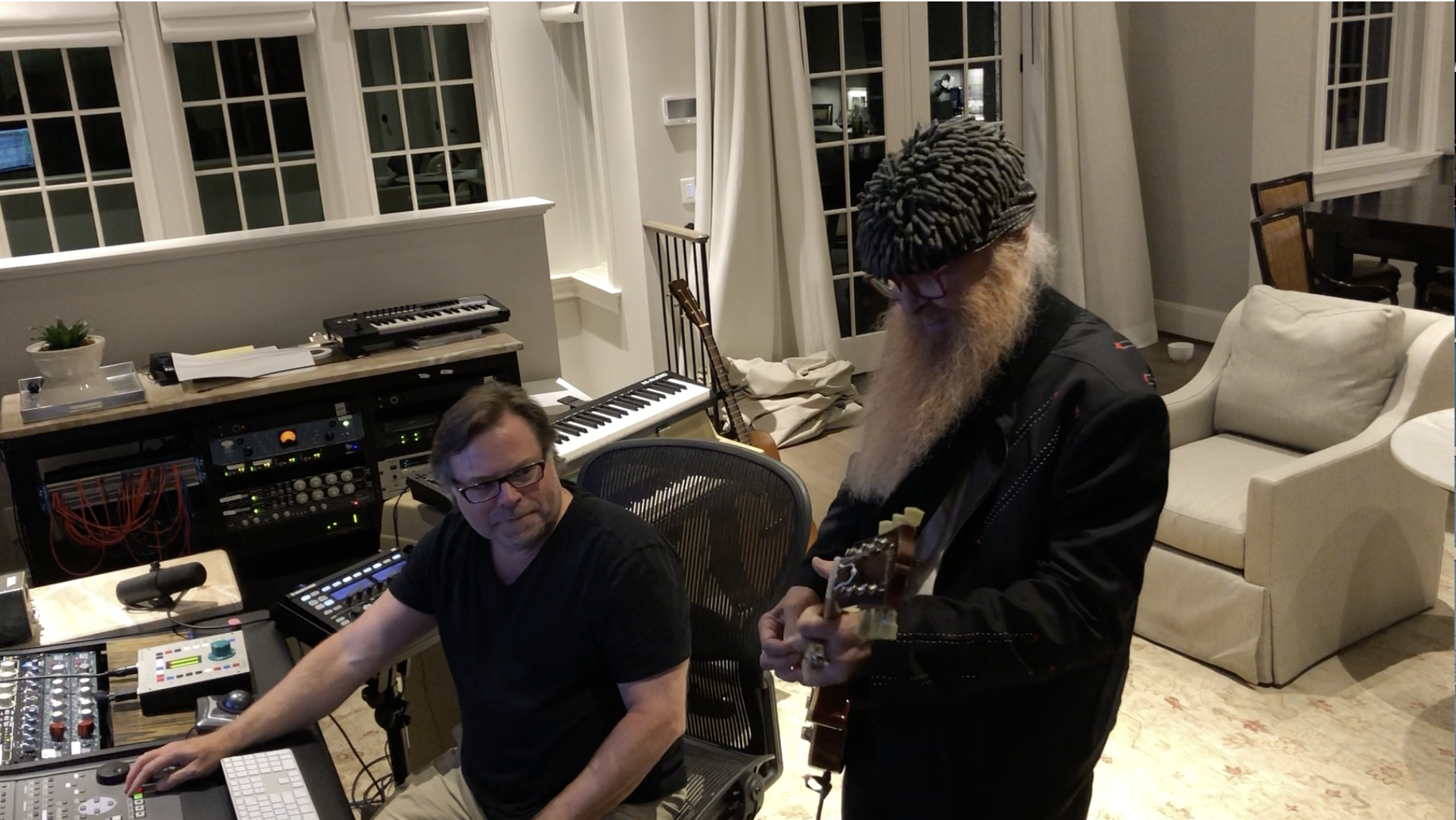
Photo: Courtesy of Rogers
Someone asked me that years ago, and I said, “When I’m 90 years old, do I see myself running a company?” Probably not. “When I’m 90 years old, do I see myself being a producer and staying in the studio forever, days on end, trying to come up with the newest, freshest sounds ever?” Probably not. But I can absolutely see myself when I’m 90, sitting on the beach with a guitar, making up a song.
So I guess, at my core, what I am is a song person and a songwriter.
I think most of the success I’ve had throughout my career has been based on good songs.
Besides all the great things going on at Spirit, what are you working on right now that you’re excited about?
I’m really excited about a new Darius Rucker project. I was just working on mixes for that. I’m excited about the Scotty McCreery project. I’m working with Emily Ann Roberts soon, and I’m really looking forward to that. She’s kind of new to my world, but I love what she does. Those are probably the things I’m the most excited about right now.
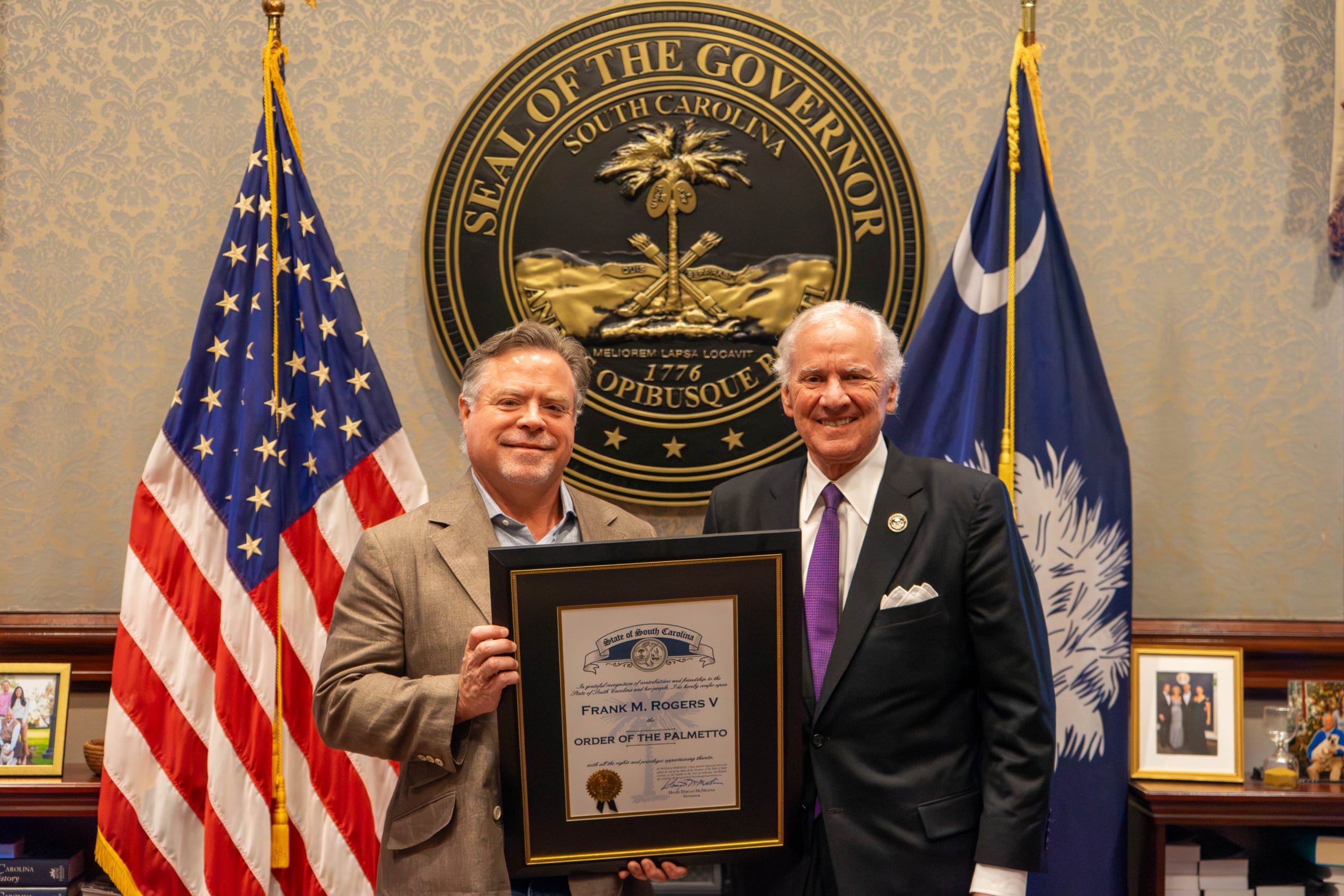
Photo: Courtesy of Rogers
You recently received the Order of the Palmetto from South Carolina. What did that recognition mean to you?
It’s a small state. They didn’t have a lot of people to choose from. [laughs] No, seriously, it was a huge honor.
It’s funny because it’s one thing to be recognized by your peers in the music industry, but to be recognized by your home state was really cool. I remember asking, “Why me?” They said, “Well, because you’ve always been a really good steward of South Carolina. You’ve represented the people well.” I thought that was a really cool answer.
I still have a place there. Even though I’ve lived in Nashville for 30 years, South Carolina is still home. The governor even mentioned that wherever I travel, people know I’m a South Carolina Gamecock fan. He’s right.
It was a huge honor, and it meant a lot to me.
Who would you say were some of your mentors throughout the years?
Jimmy Gilmer was my first boss, and he was definitely a mentor to me. So was Celia Froehlig, who was running EMI at the time.
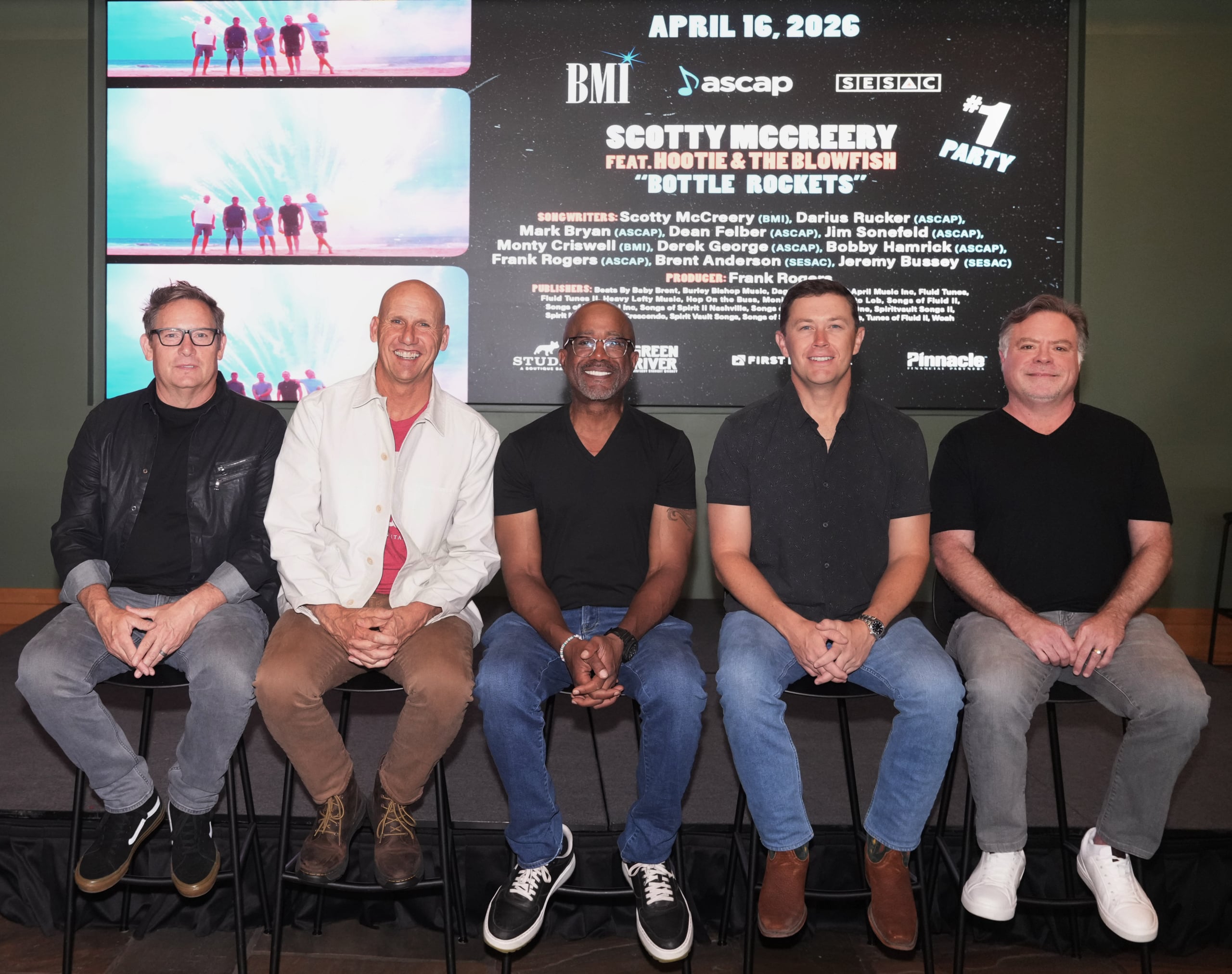
Photo: Courtesy of Rogers
I’ve had different people throughout my life who have always been supportive. I think Mark Wright was a big supporter of mine, and I could always go pick his brain if I found myself in a situation I hadn’t been in before. Kyle Lehning was that way too. Jody Williams has always been a close confidant of mine. There are so many.
What’s the best advice you’ve ever received?
I’ve gotten a lot of good advice over the years.
One thing that Mark Wright told me has always stuck with me. We were talking about balancing my creative work with my executive responsibilities, and he said, “Don’t forget what makes you different.” He said there are a lot of CEOs in the world, but there aren’t many CEOs who also write and produce No. 1 records. That’s what makes you different.
I think that’s good advice for anybody. Everybody has skills that other people have, but everybody also has something that makes them unique. Don’t be afraid of that. Don’t spend your life trying to conform to everybody else. Figure out what makes you different and lean into it.

- CMA Celebrates Nominees Ahead Of 60th Annual CMA Awards - October 26, 2026
- Miranda Lambert To Headline Dallas Cowboys Thanksgiving Halftime Show - October 26, 2026
- Ella Langley Continues No. 1 Run On MusicRow Top Songwriter Chart - October 26, 2026