
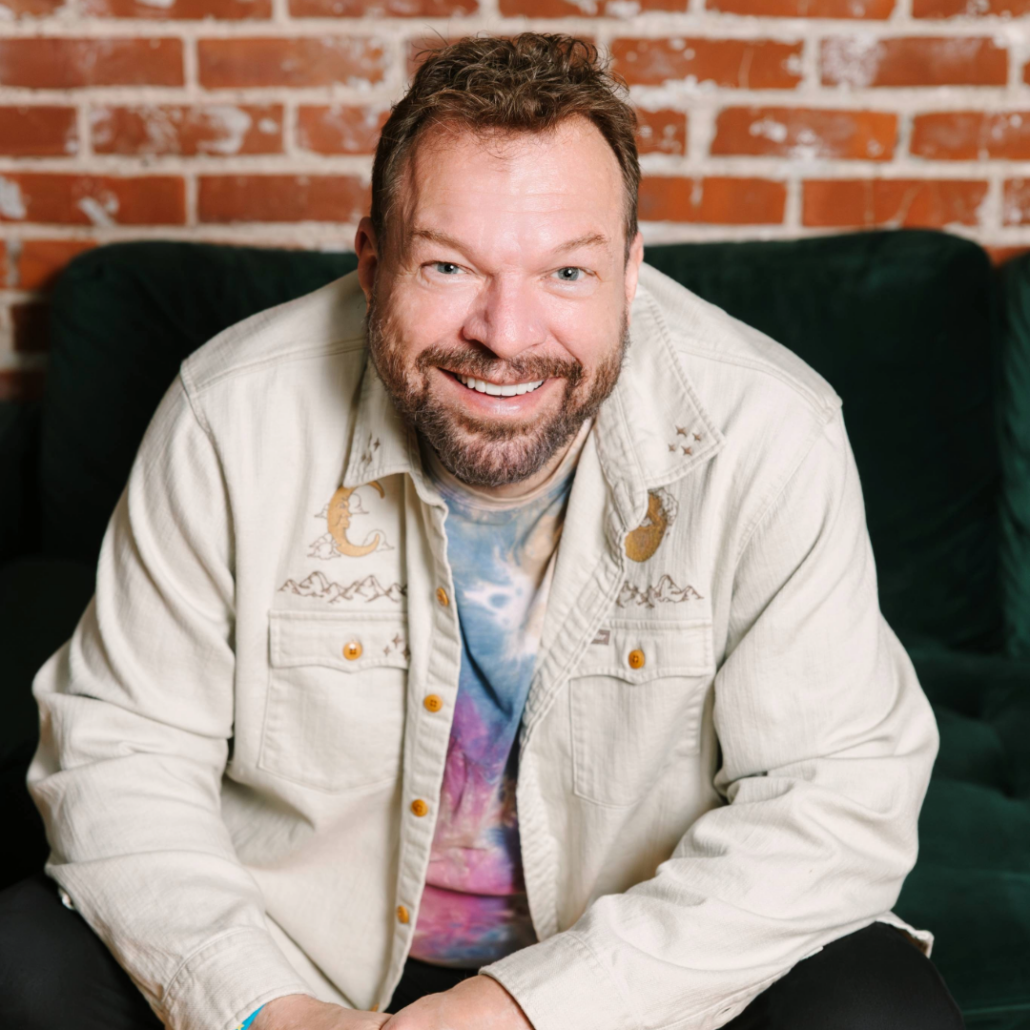
My Music Row Story: MooTV’s Scott Scovill
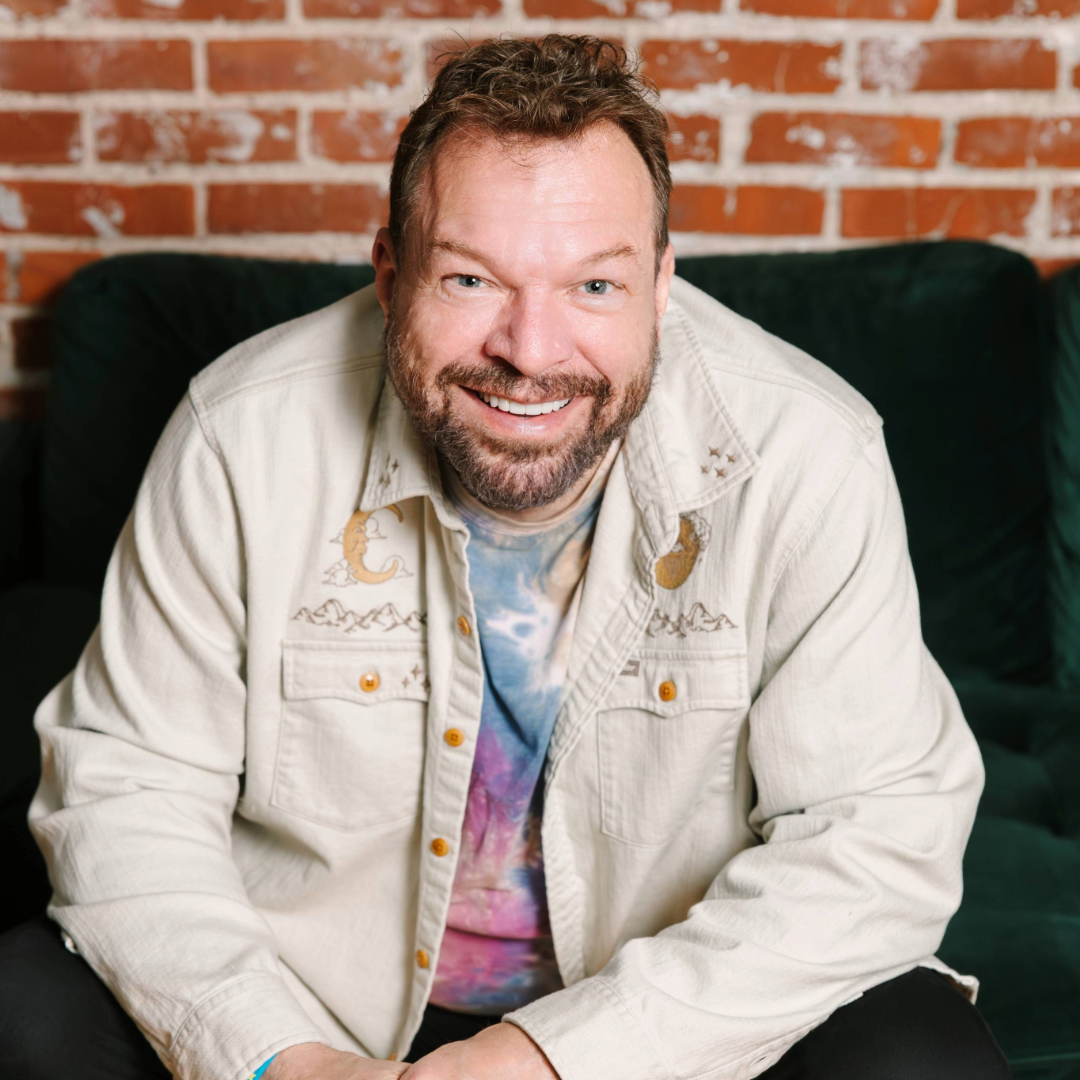
Scott Scovill. Photo: Courtesy of Scovill
Scott Scovill is an award-winning entrepreneur, creative director, producer and Founder of Moo TV, a global leader in video production. Under his leadership, the company has grown into one of the industry’s top production firms, producing more than 1,000 live events each year and earning multiple Video Company of the Year honors.
Throughout his career, Scovill has directed live concerts and produced major television specials, including a CBS special featuring Garth Brooks and Trisha Yearwood. He has received numerous industry awards, including a CMA Touring Award for his work with Garth Brooks and Visual Designer of the Year honors for Brad Paisley’s world tours.
Beyond his production career, Scovill is an avid traveler who has visited nearly 60 countries. He also enjoys pursuing new challenges, from learning to play hockey as an adult and earning a spot on an all-star team to becoming a professional photographer, with work featured on an album cover for Alan Jackson. He is also a singer-songwriter with multiple albums and continues to perform internationally.
Scovill is the author of Tenacious: The Art of Relentlessly Pursuing Your Wildest Dreams, a memoir and motivational guide that shares the lessons, experiences and mindset that helped shape his career. The book features insights from leaders across music, sports, business, the military and space exploration, offering readers practical encouragement to pursue their goals with persistence and purpose.
MusicRow: Where did you grow up?
I grew up in Poestenkill, New York on a farm.
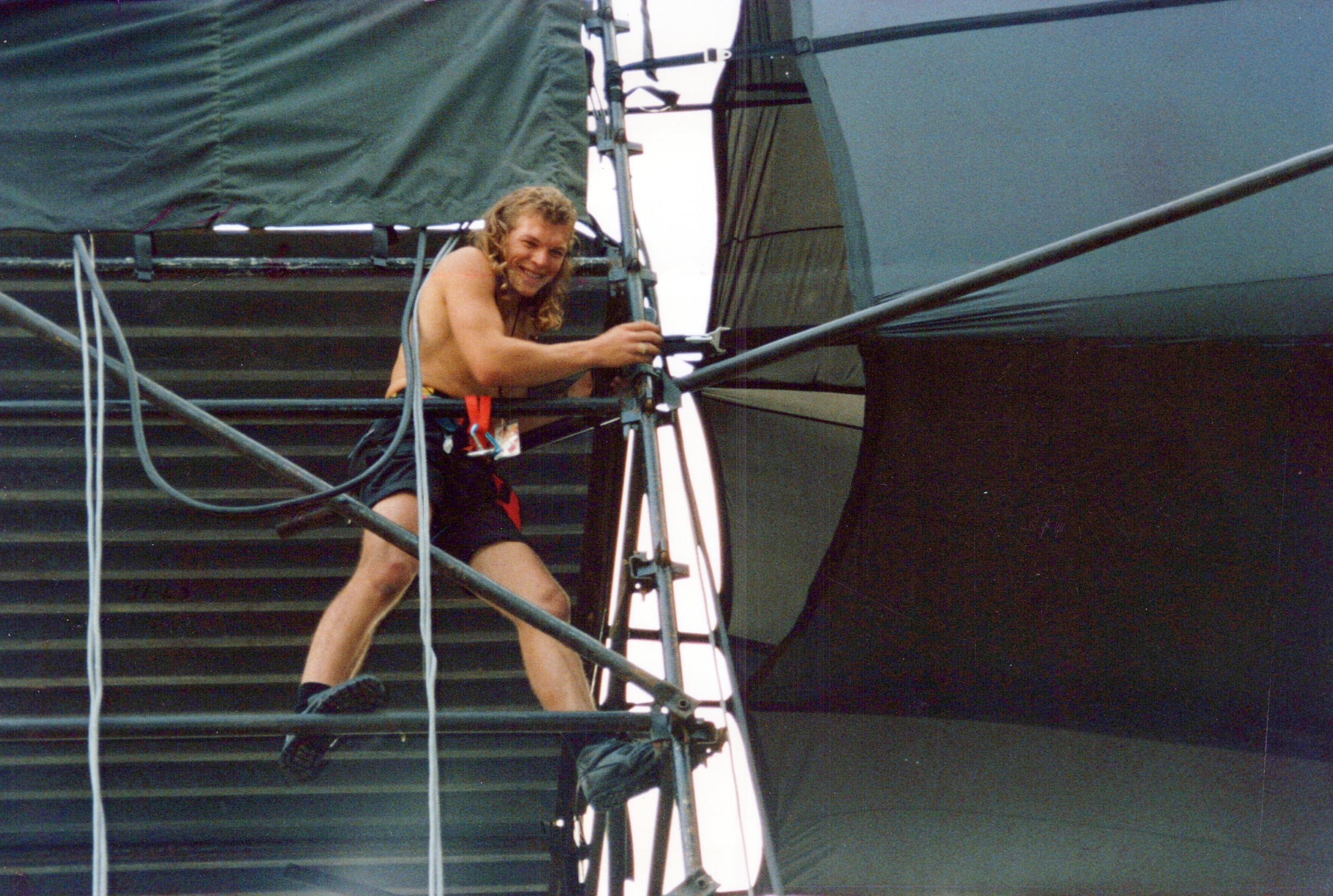
Photo: Courtesy of Scovill
What kind of music were you into growing up?
Top 40. I listened to Casey Kasem’s top 40 Countdown relentlessly, and that was my choice. But whenever we were on vacation or out doing things together as a family, it was Willie Nelson, Kenny Rogers and John Denver. Tons of John Denver.
Did you know you want to go into music while you were growing up?
No, I had no idea what I wanted to do.
Tell me about school.
I graduated last in my class in high school. They just decided to pass me to move me on. I was unable to do my homework when I was a kid. When I would try and do my homework, I would have an anxiety attack and my grades showed that. Despite that, I decided that I felt like I would go to college. It was always expected of me that I would be the first person in my family to go to college. I did, and I flunked out of college as well.
Right around that same time, a psychologist diagnosed me with fear of failure, and it’s really interesting to have a diagnosis after all that time of feeling broken and just feeling like you just weren’t a good person. He said that it would be easier for me to grab a red hot stove and hang on and maim myself than to actually try.
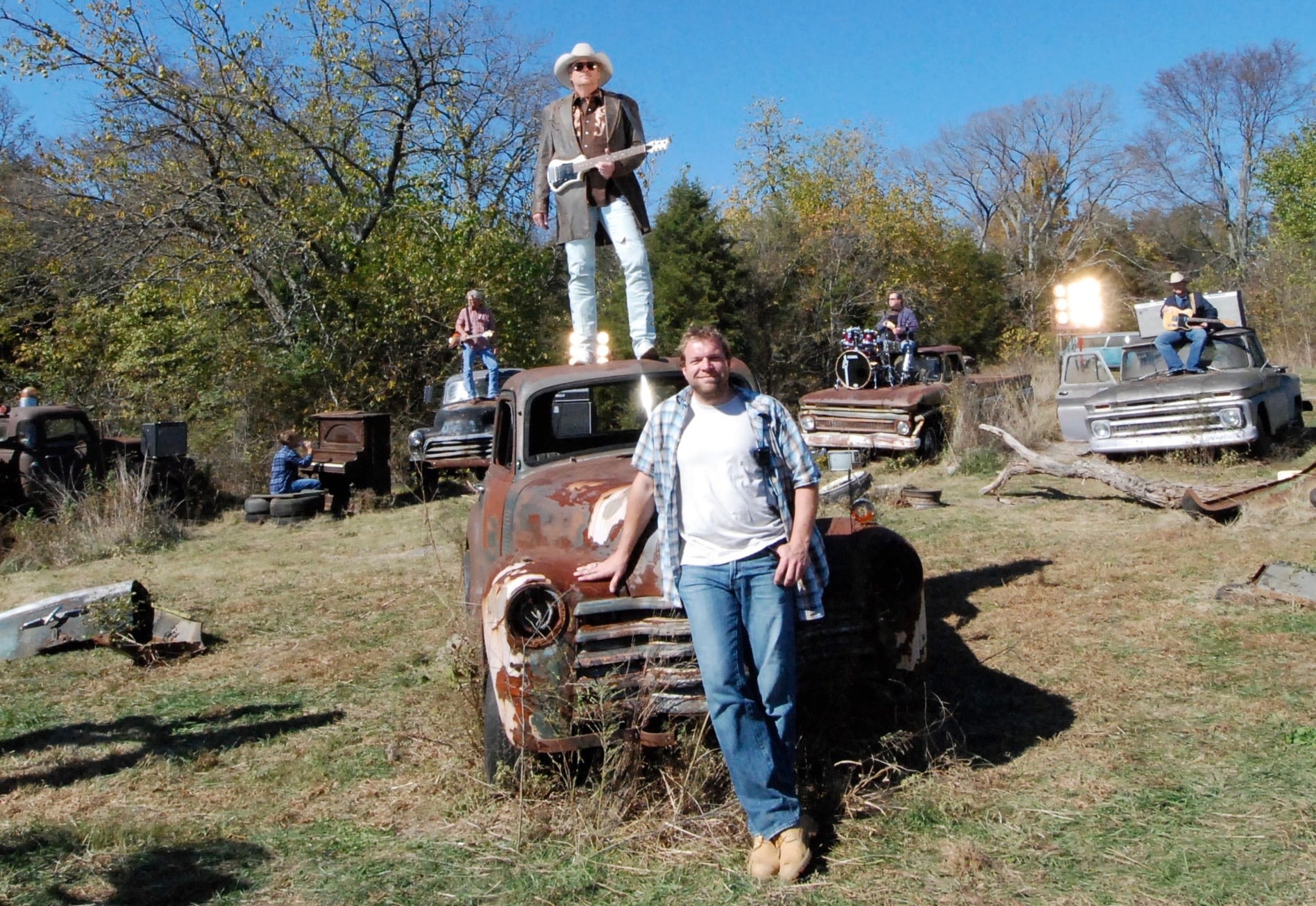
Photo: Courtesy of Scovill
How did that affect your next steps?
With that diagnosis, and while flunking out of college, I was at a really rock bottom moment when a girl that I cared very much for was killed in a car accident, and I just bottomed out. I was waiting tables at Howard Johnson on the side of the highway, not my dream job, and I wasn’t very good at it.
While there, a tour bus rolled into the restaurant and had a space shuttle painted on the side, and I wanted to wait on that table. I thought maybe these people worked for NASA. I ran to the hostess and begged her to sit them in my section, and she did. But I watched them get off the bus and was very disappointed to see them wearing all black with long hair. I did not know what a tour bus was obviously. [laughs]
I take their drink orders and ask them what’s the deal with the bus. One of them in a very heavy Irish accent says they work for U2. That blew my mind. It amazed me that you could work for U2 for a living. I didn’t get it. I had a million questions, and they invited me to a show.
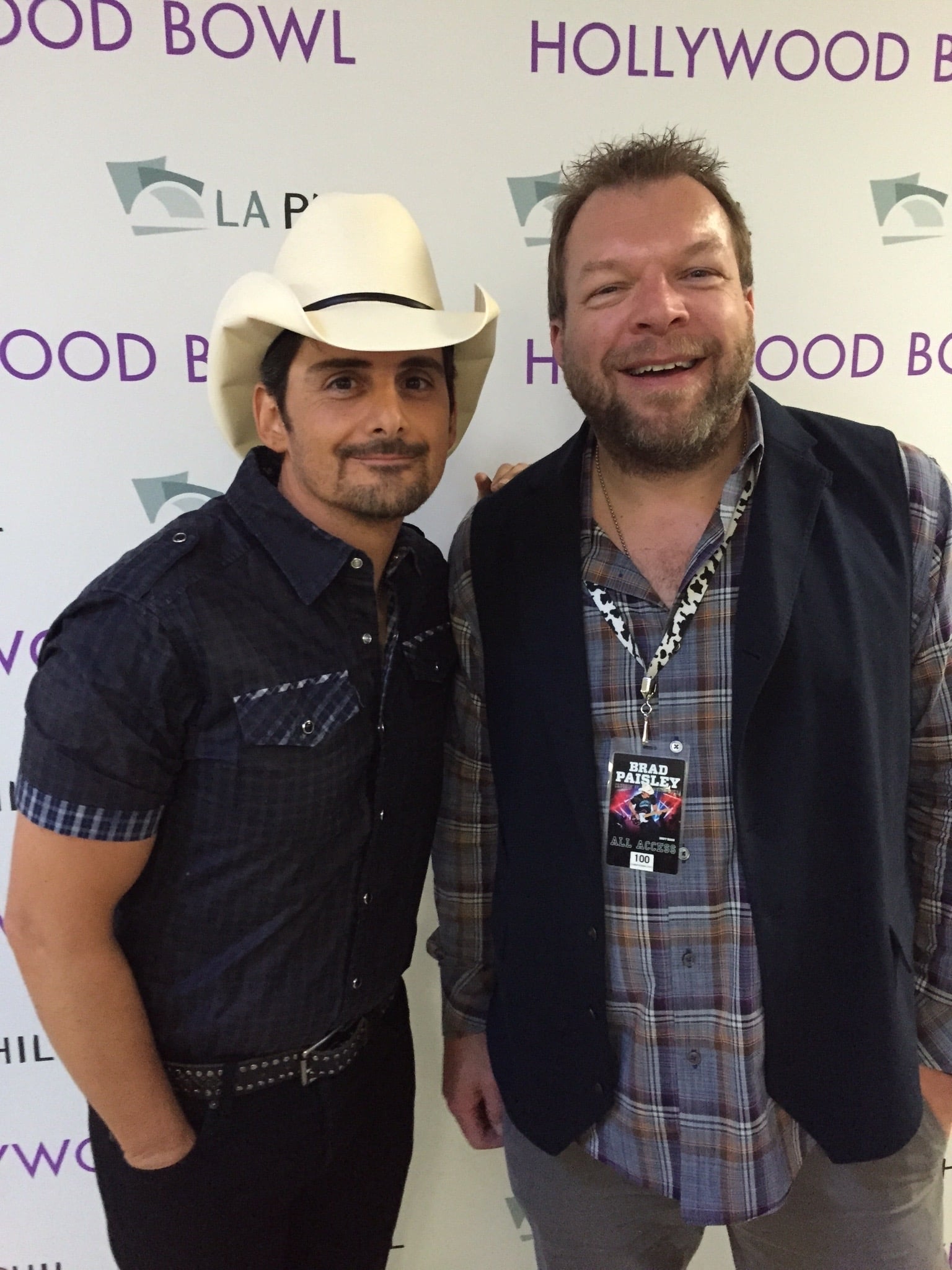
Photo: Courtesy of Scovill
Did you go to the show?
I drove three hours to the show and had an incredible time learning about the industry. The show ends, I’m still picking their brains. They had a show right there again the next day, and invited me to come back, and told me to get there early.
As soon as I got out of the car, I was able to park right by the buses. We got my tickets sorted out and walked down into the arena and Bono and Edge walk up to the guy who’s escorting me and start talking to him about something. Mind you, this is right as The Joshua Tree album came out and U2 is the biggest band in the world. I was starstruck.
When I walked away from them, it struck me that I had just met two of my heroes, but I was more interested in what had been happening backstage and learning about this industry.
After hanging out more with the crew and learning and observing everything, it was time for the show. The lights go out and everybody goes nuts. 15,000 people screaming at the top of their lungs. That’s when I had a paradigm shift. I stood there in the dark and realized this is what I was going to do with my life.
What were your first steps getting into the live music world?
Over the next two weeks I brewed up the worst plan in the history of worst plans. It was devastatingly bad, but my plan was that I was going to quit my job and quit school. They were throwing me out of school anyway, so that wasn’t hard. I moved into my Subaru BRAT, which was a compact car with a truck bed, and I was going to sneak in every night and work for free until I learned enough and proved that they should hire me.
I wanted to be upfront with the crew and tell them I was doing it. I knew they couldn’t give me permission, but to them, I wouldn’t look like I was sneaking in. I was being sneaky with security, but not with the crew. So two weeks later, I found the venue, I found the tour buses and where the crew will be. They were flying in from Europe, and I’m waiting in the lobby of the hotel. I went up to the guy in charge and told him my plan. He must’ve thought I was completely nuts.
Every night, I waited at the top of the ramp and piled in with the stage hands and walked down the ramp and just looked like I didn’t want to be there and blended right in. I also made myself a laminate that was white and had radio codes and such. I saw that they made laminates that had notes for their truck packs and what the radio channels were. Two is sound, three is lights. So I made myself a fake laminate that had that on it. I did get stopped several times and would pretend I left my laminate on the bus, and try a different entrance. I almost got arrested three times doing it. There were very lengthy conversations with the police.
Photo: Courtesy of Scovill
How long did you do that?
Five weeks. I got walking pneumonia at one point. It was pretty brutal. Almost fell asleep driving from city to city.
Pittsburgh was my last show. I got out of my car and some of the crew guys had told me the band’s management had an argument with the union over something, and it was mentioned that I was there and the union fined the band $5,000 for having non-union labor on site. That’s how it ended.
What came after U2?
After the whole tour, I knew I wanted to do video. The Joshua Tree Tour was one of the first tours to ever have video. If I got into video, I would be on the bottom rung of maybe a two rung ladder.
Lawrence Anderson, who was on the U2 tour with me, called and told me the video projectors they use are a nightmare, and nobody knows how to run them. Nobody’s good at it. Nobody wants to learn. There was a training center for them in Syracuse, New York. I finagled my way into there, which wasn’t normal, because usually a company sponsors you to get in.
What happened after completing the class?
There was someone else in the class that eventually got me a job with his company in D.C. I did corporate video in Washington DC for two years. I hated it and loved it at the same time. I loved that I was learning, but it had nothing to do with music, and it was a lot of pressure. I was failing and I was having breakdowns. I was in tears at times and all the things that dysfunctional people do when they’re trying to get over their worst fears. We got one music gig in the two years I was there, and we did so horribly at it. They fired us the next day.
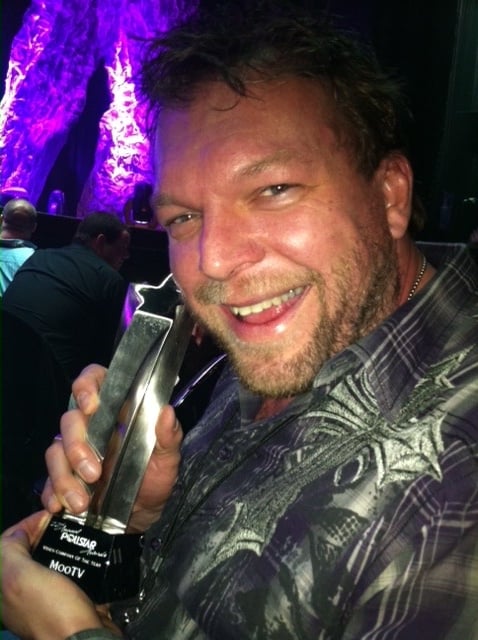
Photo: Courtesy of Scovill
How come?
We didn’t have the technology. We were the wrong company for it. I didn’t even know what we didn’t know, but I wanted to find out. The next stop of the tour was in D.C., so I pulled a card out of my old playbook and I snuck in. It was a stadium rap tour. I figured out who was in charge and went down and asked him a bunch of questions. He eventually realized I wasn’t who I was pretending to be. We got into it and had to be split up. The guy who split us up had just gotten onto the Rolling Stones tour. We really hit it off, and he eventually got me onto the biggest tour at that time. I spent the next 13 months traveling the world with the Stones, 23 countries. It was awesome.
What did you do after the Rolling Stones?
After the Stones, I went to David Bowie, which was unbelievably cool. Definitely the coolest show I’ve ever done. I also did tours with Paula Abdul, Whitney Houston and Ozzy Osborne.
One of the three owners of the company I was working for loved country music. Alan Jackson‘s team had seen Paula’s show, and they reached out and asked if they could have the same equipment and people Paula had. Before I knew it, I was packing my bags.
So this is how you got to Nashville?
Yes, in 1992. I’ll admit, I struggled with the structure of country music. I came straight from Ozzy Osborne to this new structure. I showed up for the first show and Mark McClure, Alan’s fiddle player, walks up with a chew in his mouth and his bow, and just hits my notes with his bow. I had called the fiddle a violin, so all of my notes were off.
Mark told me they couldn’t figure out why I was here. I was a guy from New York with hair down to my butt who knew nothing about country music. It was a rough start, but Mark and I went on to be great friends. Alan and I formed a great partnership that went on for 22 years.
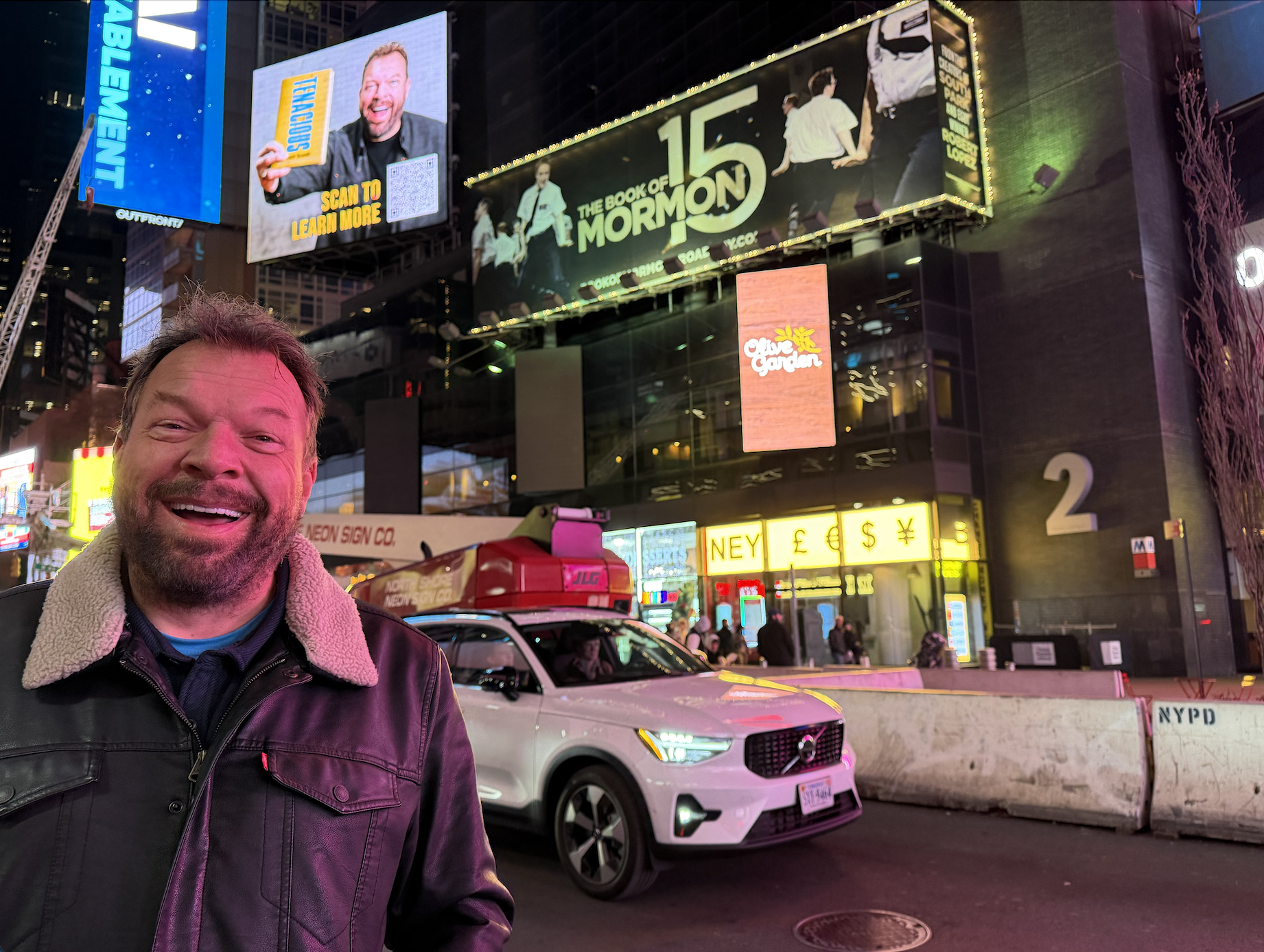
Photo: Courtesy of Scovill
And where did Moo TV come in?
A few years in, I talked to my boss Lee Griffin because I was frustrated that nobody knew what to do with video screens. People kept hiring their video director or their brother-in-law that went to film school to create content. Those people are very talented, but they’re all conditioned to tell a story inside a rectangle. What they don’t get is that the rectangle is a part of the story. It is not the whole story.
I asked for Lee’s permission to moonlight a little bit and start a company that creates content for shows, because I wanted to make Alan’s show great, and maybe we could do that with our other clients too. It was so much money and equipment, I felt it needed to be a business for tax reasons and all that. He initially said no, which shocked me. A week later he asked if I was still thinking about it. He told me no because he was afraid he’d lose me. He offered to be my 50/50 partner in it. We went into business and made Moo TV the first ever creative content company.
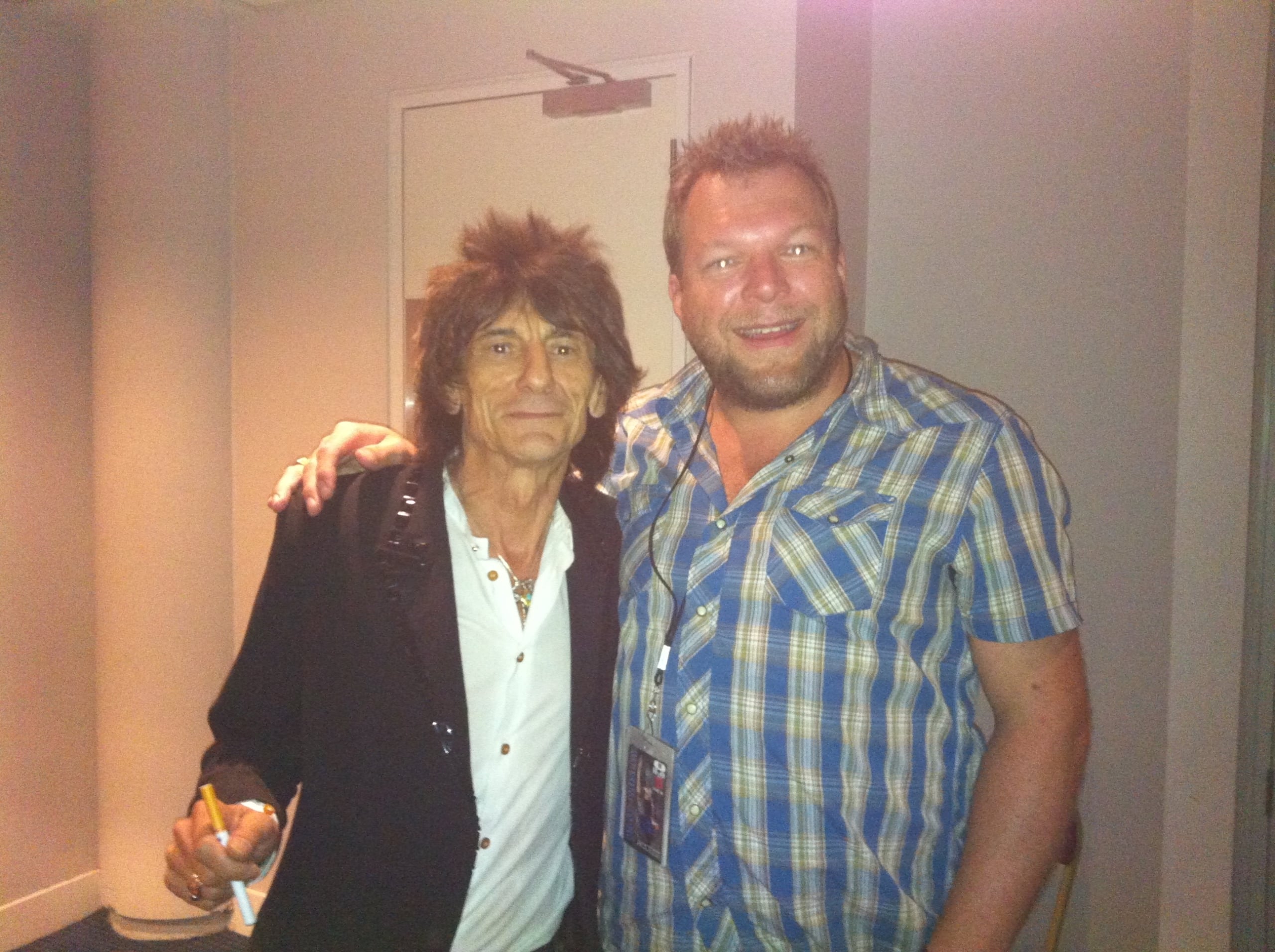
Photo: Courtesy of Scovill
Who were some of your first clients?
Alan, Tim McGraw, Vince Gill, Amy Grant and Martina McBride. We did some awesome creative stuff with those guys, and I was really proud of it. It made people want to work with us. I remember doing some really cool stuff for Lone Star and just having a blast.
I had a VHS library of stock. I would find something interesting and then plug the tape in. Then I’d get on the phone and order the clip numbers in the specific resolutions I needed and ask for it to be delivered via beta tape. That was how we would get stock footage.
How did the Nashville base eventually grow?
I went to Lee and told him we needed a Nashville office full time, and that I was going to run it. I was doing that for a decade. In 2002, I got a phone call that Lee was murdered. I spent three months pretty lost and depressed. Eventually, one of my employees asked all the other employees and clients if they would come work for me if I started a company like Lee’s and how they could help. It was a great way to keep some part of Lee alive.
I went to the bank and got the biggest loan they would give me, I mortgaged my house, and I got a loan from Sony to get some of the cameras. I also got a loan from the projector company and a few others, eventually ending up with a bunch independent loans, and seven different credit cards.
At this time, the government mandated that television had to go to high def. TV stations were starting to switch to high def and they had nowhere to put their standard definition gear, which was all we needed. It’s all anybody used in the industry at the time. I built automated eBay searches for what we needed. I would click one button on my little Macintosh notebook and then go make dinner. It would take all of dinner for my ISDN modem to load all of the searches. It’d be like 40 tabs full of everything I needed.
It took years to dig out from under the debt, but we were kind of like the Millennium Falcon of the video industry. We were held together by gaff tape and dreams, but we were outperforming everybody else. That was the start of Moo.
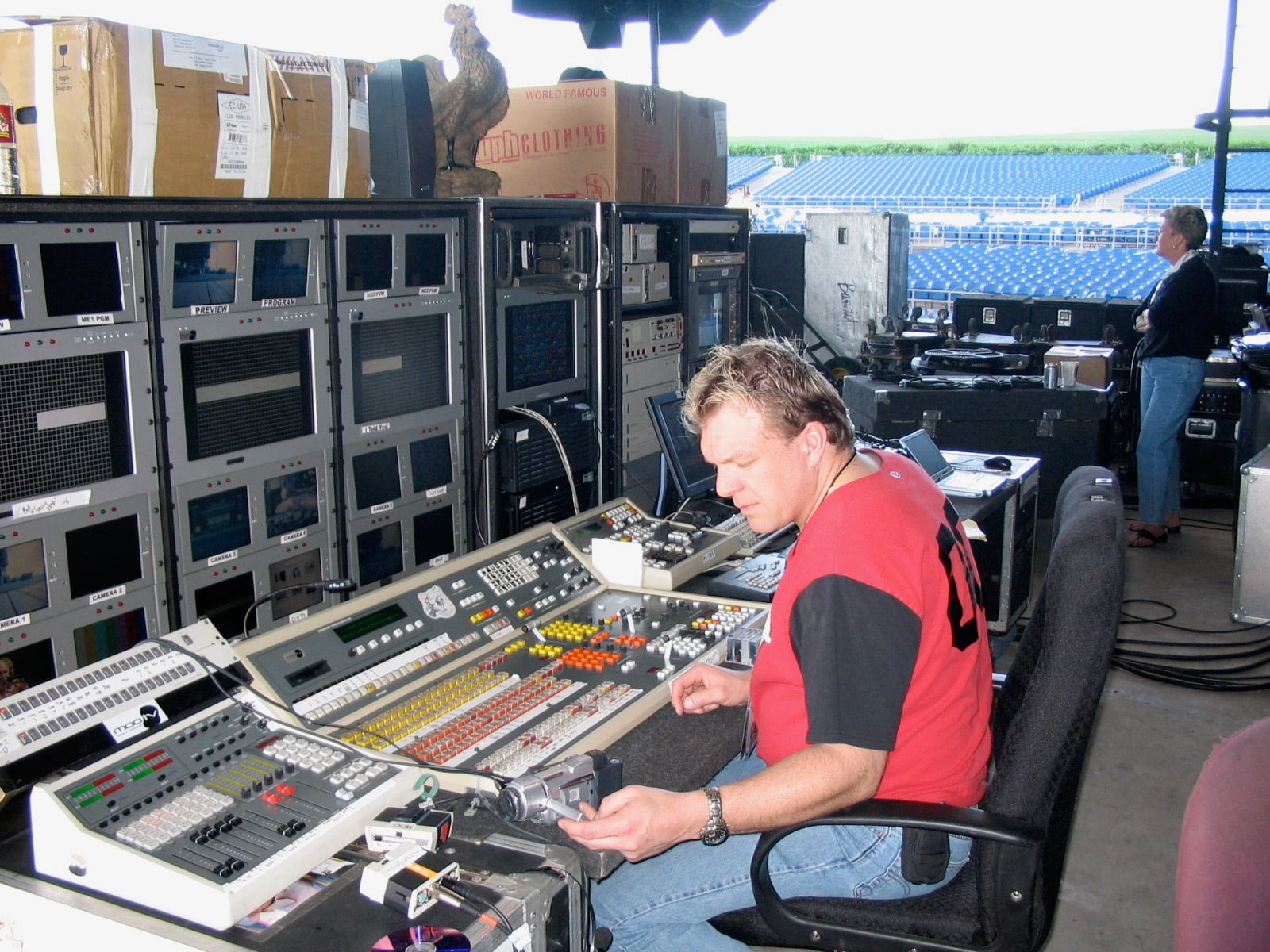
Photo: Courtesy of Scovill
What made you want to write your book?
Moo TV was nominated for video company of the year, seven years in a row at the Pollstar Awards. During the seventh nomination, we finally won. I ran up on stage, I get the award and I give a little speech that looks smooth. But when I got off stage, I fell against the wall. I had an anxiety attack. I didn’t know that I was afraid of public speaking. I’d never had to get up in front of a group like that.
To get over the fear, I went and spoke at a couple of colleges. At the second college I spoke at, I changed a young lady’s life. She had quit school that day. She started crying halfway through my talk and afterwards had decided she was not going to quit school after listening to me. I offered to mentor her. She eventually graduated and I had learned that public speaking is powerful.
I had met Cameron Harold who is a well known public speaker. After hanging out with him for a day, he told me I should write a book. I brushed it off at first. The next day his publisher called me. After much convincing, I decided my story was one worth telling.
At first, someone else was going to write the book for me. They sent me the first chapter, and it didn’t feel right. I had written my own version of the first chapter, and my publisher and I both agreed that I needed to be the one to write my story.
What’s a moment that your little kid self would be proud of?
Me and my girlfriend were walking through Times Square and above us is a billboard that is cycling my face with the book on it in Times Square, the same day I was going to NBC Studios to talk about my book on national television. That was a surreal moment.

- Ella Langley Remains Atop MusicRow Top Songwriter Chart - October 19, 2026
- MusicRow Weekly (Publisher Issue, News, Charts, More…) - October 16, 2026
- The Chicks Celebrate Two Decades Of ‘Taking The Long Way’ [Recap] - October 16, 2026