
My Music Row Story: Big Machine Records/Nashville Harbor Records & Entertainment’s Allison Jones
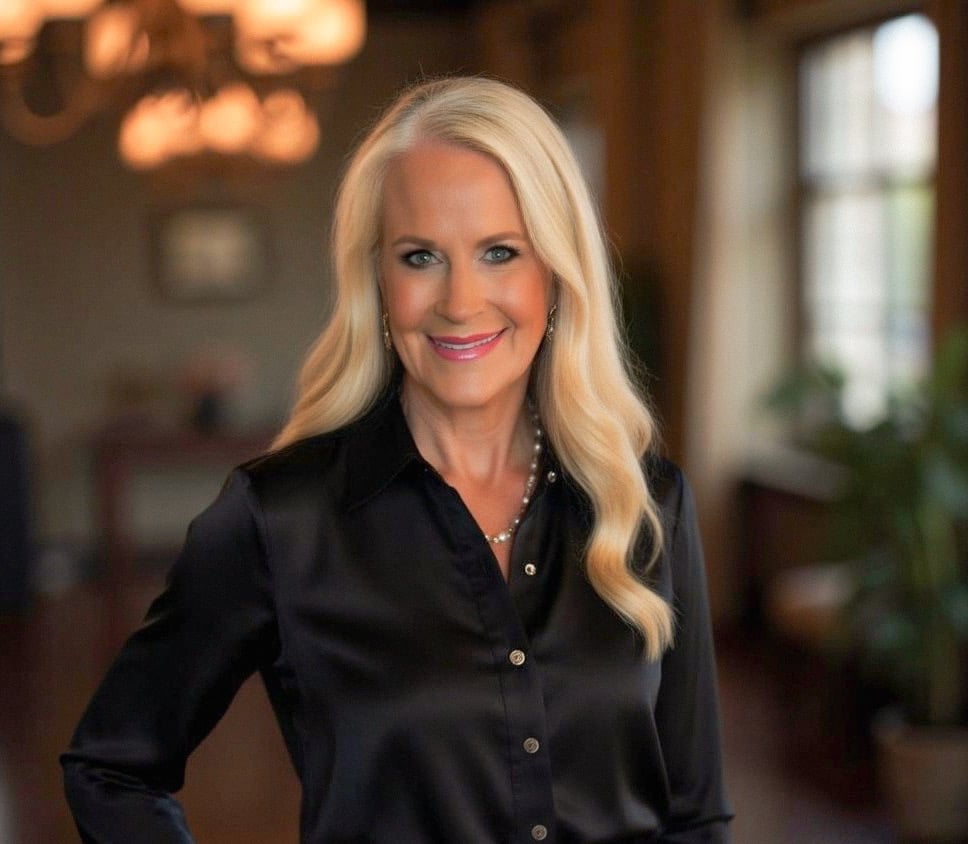
Allison Jones.
With over 35 years of experience in the music industry, Allison Jones serves as EVP of A&R at Big Machine Records and Nashville Harbor Records & Entertainment, whose roster includes Riley Green, Rascal Flatts, The Band Perry, Aaron Lewis, Cole Goodwin, The Jack Wharff Band, Greylan James, and more.
Jones has been named to Billboard’s Women In Music and Country Power Players lists, included in Country Aircheck’s Power 31, and recognized by the Nashville Business Journal for being one of the most influential executives in the music business.
Prior to joining Borchetta’s Big Machine in 2008, Jones held Head of A&R posts at Universal Music Group Nashville, Dreamworks Records, Giant Records and RCA/BNA Records.
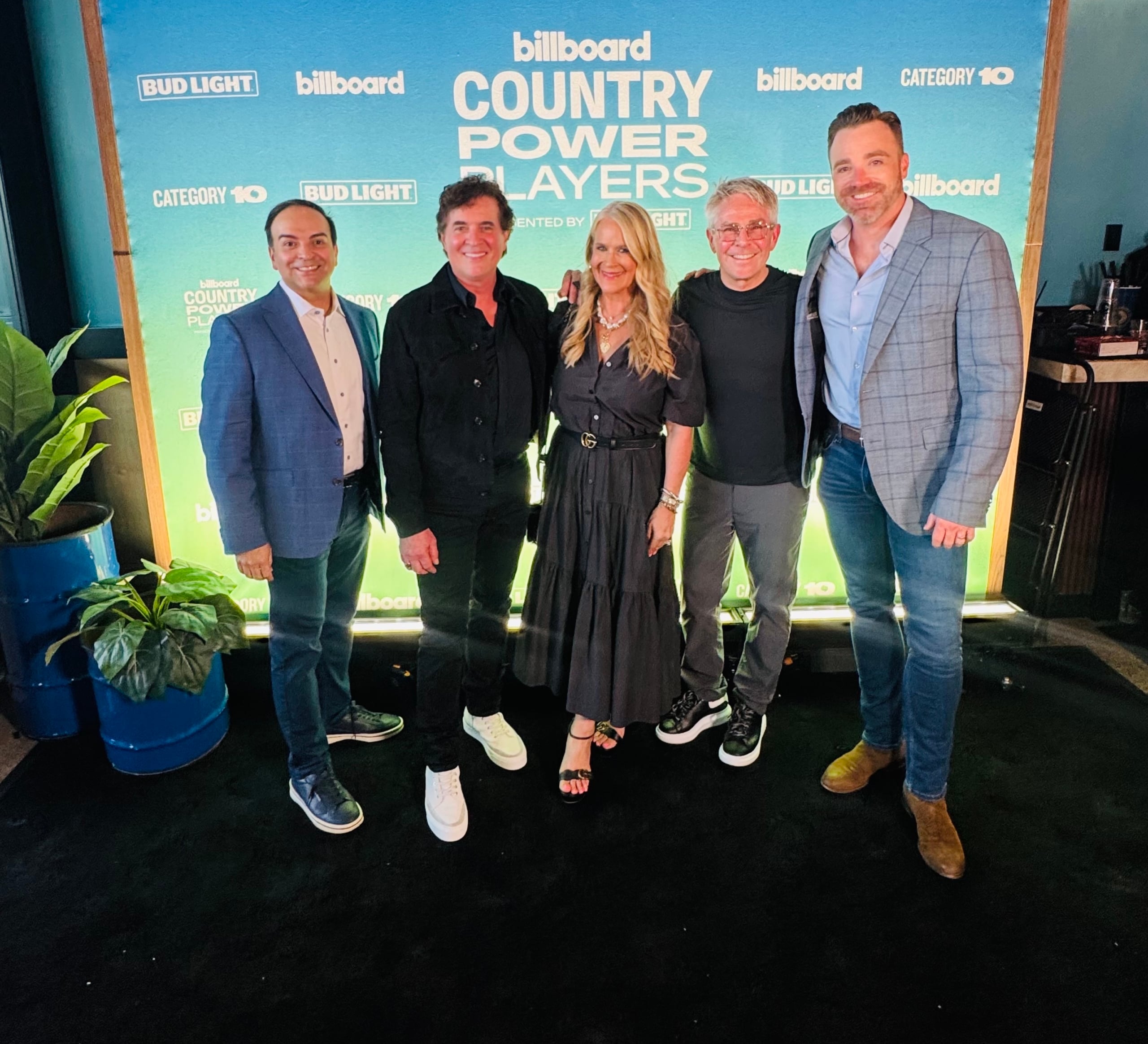
Photo: Courtesy of Jones
MusicRow: Where are you from? Tell me a little bit about your childhood.
I am from Vero Beach, Florida, a born and bred Floridian. I grew up doing musical theater and as much music as you can in a small town like Vero Beach. I also showed horses and fell in love with country music.
I have the typical story of being 12 years old and begging my dad to drive me to the Grand Ole Opry because I was certain that every star in the universe would just be standing outside. I loved country music from an early age and did musical theater all through high school. I even did some summer stock theater in Connecticut when I was in high school.
Then I went to Vanderbilt, which may have been because it was in Nashville. They didn’t really have a music program then, but I knew that if I came to Nashville, some door would magically open. At Vanderbilt, all there really was was the Blair School of Music. I wasn’t in Blair, but I took voice there. I also studied theater in London through Vanderbilt, and I realized that I was not talented enough to be on that side of the business.
At the beginning of my senior year, I interviewed at RCA when Joe Galante was still running the Nashville office. This would have been 1990. I got hired to be an intern for Joe and his assistant, and for Rick Pepin, who was the head of marketing at the time. A semester internship turned into a full year, which turned into them offering me a job before I graduated at the newly formed BNA, which was initially called BNA Entertainment.
I said yes. The job was to be the receptionist, the A&R assistant for Richard Landis and the marketing assistant for Rick Pepin. So I had three jobs, pre-voicemail and pre-email. I had to answer the phone the good old-fashioned way.
I wouldn’t trade a penny of it. I tell interns now that because most people don’t have receptionists anymore, you don’t get to meet people the same way. I was really busy. I was making very little money, definitely not enough to pay any bills, but I loved it and wouldn’t trade it for a minute.
That’s how I got started. I didn’t realize how lucky I was at the time to get hired while I was still in college. Especially because RCA had Alabama, The Judds, Lorrie Morgan, Earl Thomas Conley, K.T. Oslin. It was a powerhouse. Looking back on it, I’m forever grateful. Every time I see Joe Galante, I still thank him.
That sounds busy, especially while you were still in college.
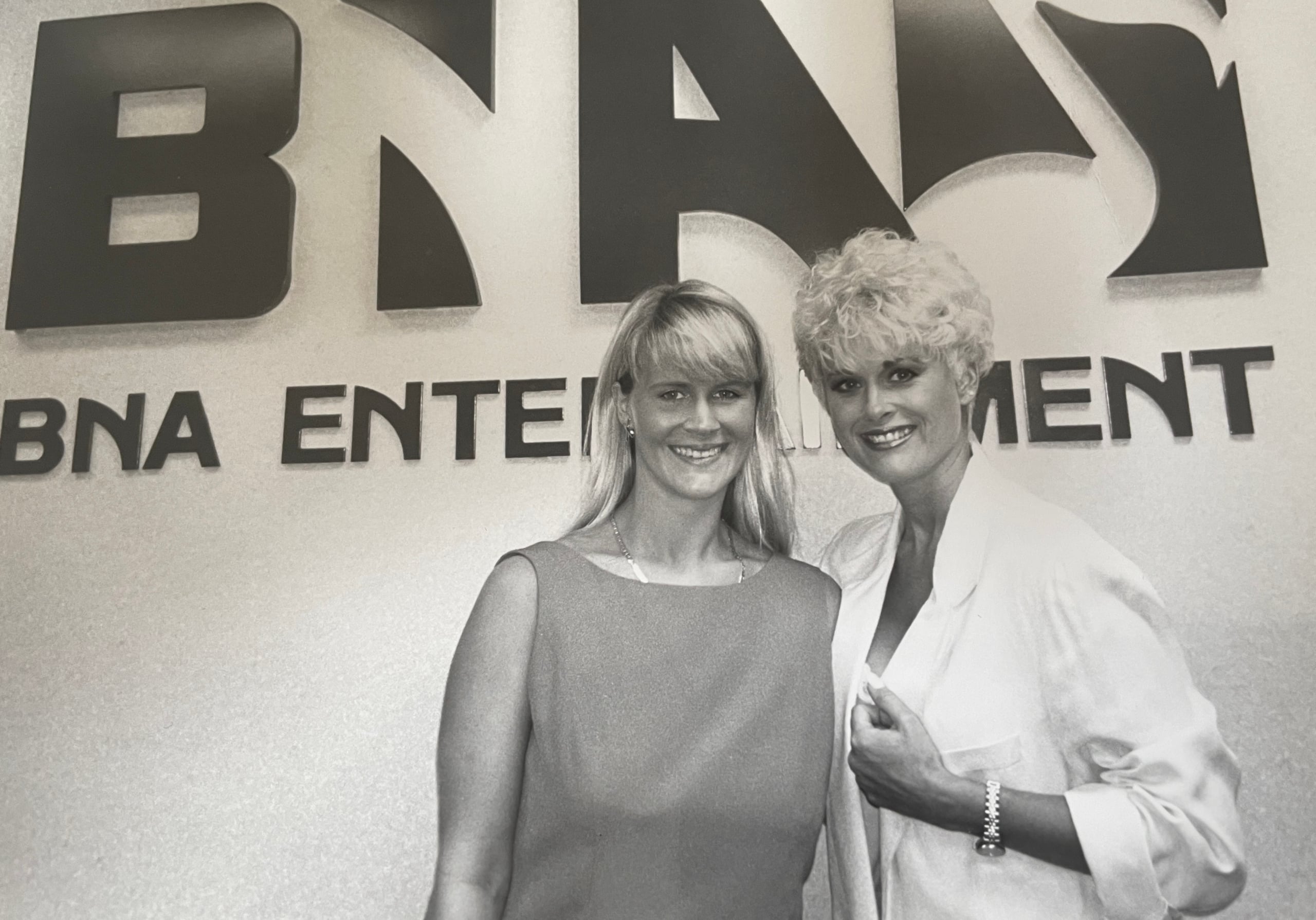
Photo: Courtesy of Jones
It was. I was the low person on the totem pole, so I didn’t go to lunch, and I didn’t leave. But I remember loving it so much.
We opened BNA with Lorrie Morgan and John Anderson. Growing up, my dad’s favorite artist was John Anderson, so that was iconic. He was such a lovely, lovely man.
It was amazing that I was a week out of Vanderbilt and immediately working with two icons. I’m really grateful for that. It was busy, but I wouldn’t trade a second of it.
How long were you there?
I was at BNA for three years, and then James Stroud hired me to work for him at Giant Records.
James had just opened Giant Records, and Clay Walker was on his first single. The first big record I started working on was Common Thread: The Songs of the Eagles, which was the first of those tribute records. Irving Azoff owned Giant Records and was very hands-on. From Giant Records, I was given the opportunity to be, technically, the head of A&R, even though I was the only A&R person. At the time, James Stroud was producing literally everyone in town. I think the first year I worked for him, he produced 22 full records.
Once again, when you’re in the middle of it, you don’t realize how crazy it is that you’re sitting in the studio with Clint Black, Tim McGraw, Wynonna, Clay Walker, Toby Keith and so many others. I don’t think I realized then that I had a front-row seat to artists who were going to change the landscape of country music for decades.
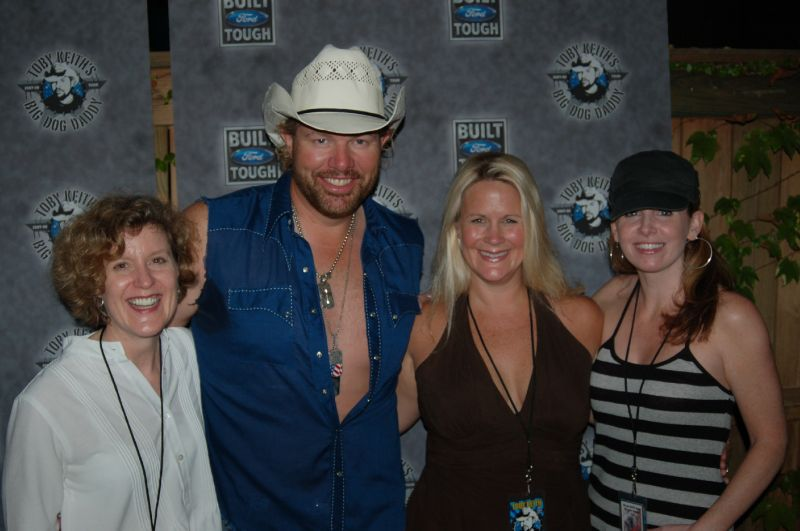
Photo: Courtesy of Jones
Where did you go from there?
James Stroud was tapped to become the head of DreamWorks Nashville in 1996.
It was a big secret for a little while, and he took a few of us from Giant Records with him. That’s where I met Scott [Borchetta] because Scott had just left MCA Records, where he was head of promotion, and James hired him to run promotion for DreamWorks.
That was such an iconic run because DreamWorks was David Geffen, Jeffrey Katzenberg and Steven Spielberg. All of them had come from major corporations and wanted to get back to creativity. We had a small but fierce staff at DreamWorks Nashville, but we were very immersed in the DreamWorks culture in Los Angeles. They encouraged us to fly out there as much as we wanted and learn about the movie side of the business.
We worked on the Prince of Egypt soundtrack, which was the first time I had worked on a project like that. Jeffrey Katzenberg was very hands-on, especially when it came to soundtracks. It was incredible getting to watch him work. Jeffrey was responsible for the resurgence of animation at Disney, so he had helped create an entirely new era of animated films.
Back then, nothing was digital. He would literally fly with a locked film case containing the movie. He would shut down entire theaters so artists could privately watch it.
He shut down an entire theater in Cool Springs to show Prince of Egypt to Garth Brooks, Wynonna and Naomi [Judd] and other artists. The movie wasn’t completely finished yet, but we were helping place songs, and there were actually three soundtracks associated with it: the score soundtrack, a Christian soundtrack and a country soundtrack. As a result, I made so many great television and film contacts. Even though I’m technically an A&R executive, I also became heavily involved on the TV and film side because of those relationships.
One funny story is that the head of casting at DreamWorks was a woman named Allison Jones, who is a huge deal now. Sometimes I would get her emails because we were both Allison Jones at DreamWorks. So every once in a while I would accidentally get some early casting information.
Do you have a favorite memory from your time at DreamWorks? 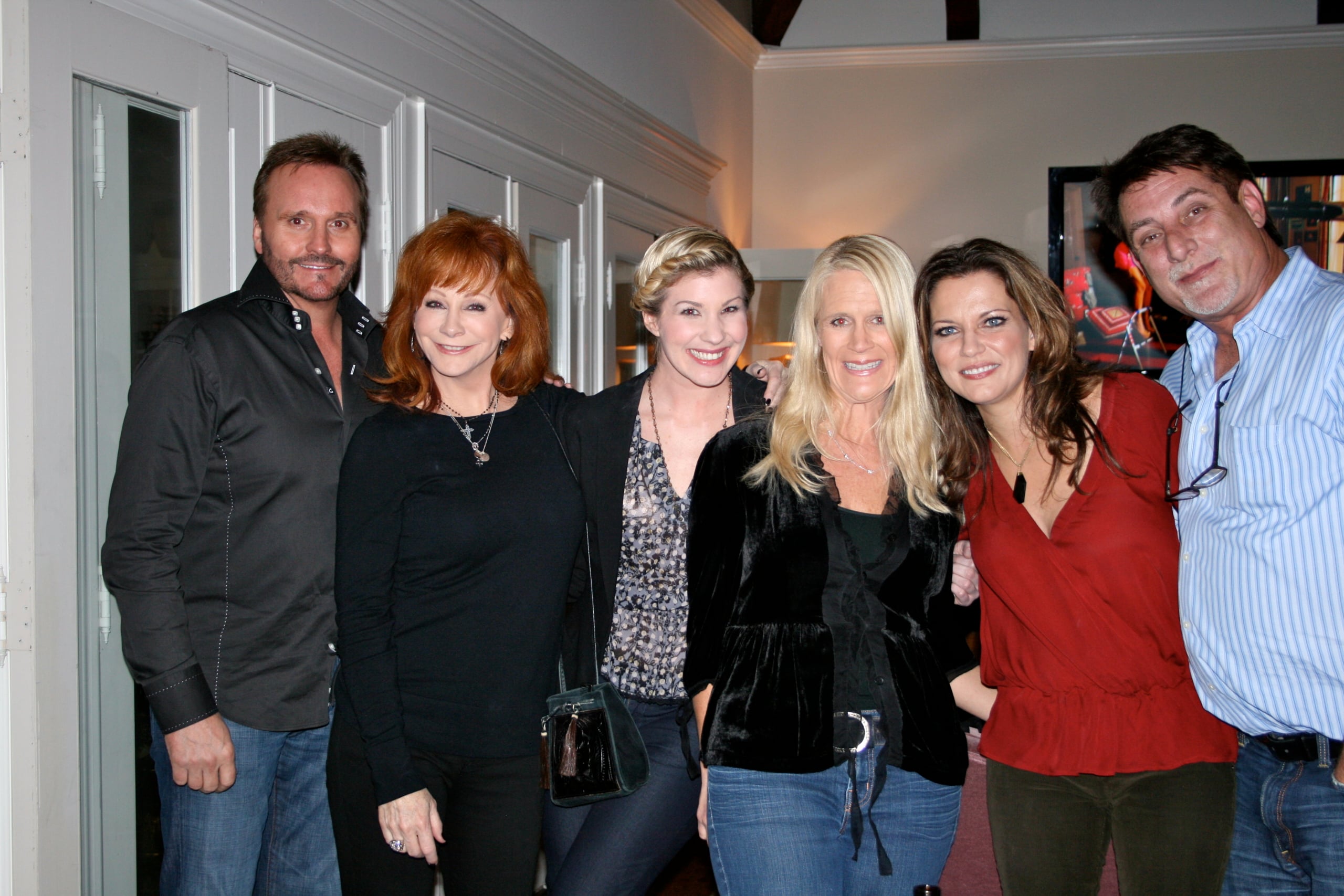
Gosh, just the run of Toby Keith.
We were this little family against the world, and that’s when he was winning Entertainer of the Year, Male Vocalist of the Year and having this incredible run. Just getting to learn from Toby was invaluable.
There’s not a day that goes by that I don’t appreciate that experience. In addition to being an artist I worked with, he was really close to me. He was like my big brother. He didn’t get close to a lot of people, but if you were in his inner circle, he was gracious with his knowledge, his time and, good Lord, he was fun and funny. I don’t know that I can pinpoint one specific memory as much as being part of that journey. It will always go down as one of my favorite experiences.
Where did you go after DreamWorks?
DreamWorks had its run from about 1996 until 2004, so just under 10 years. Then all of DreamWorks Records merged with Universal. Suddenly we were merging with Universal Nashville.
I loved it because all of a sudden I got to work with George Strait, Reba, Trisha Yearwood, Vince Gill, Gary Allan and so many others. But mergers are always interesting. It’s difficult when you’re bringing together two cultures. We had our DreamWorks culture, which was this small, fierce company that felt like us against the world, and then we were absorbed into what was, at the time, the Tiffany of record labels. MCA had everybody. Mercury had merged with them, so now there was Shania Twain and all these incredible artists. It was an amazing opportunity because I got to work with artists I admired, but it always felt a little bit like there were still two separate teams.
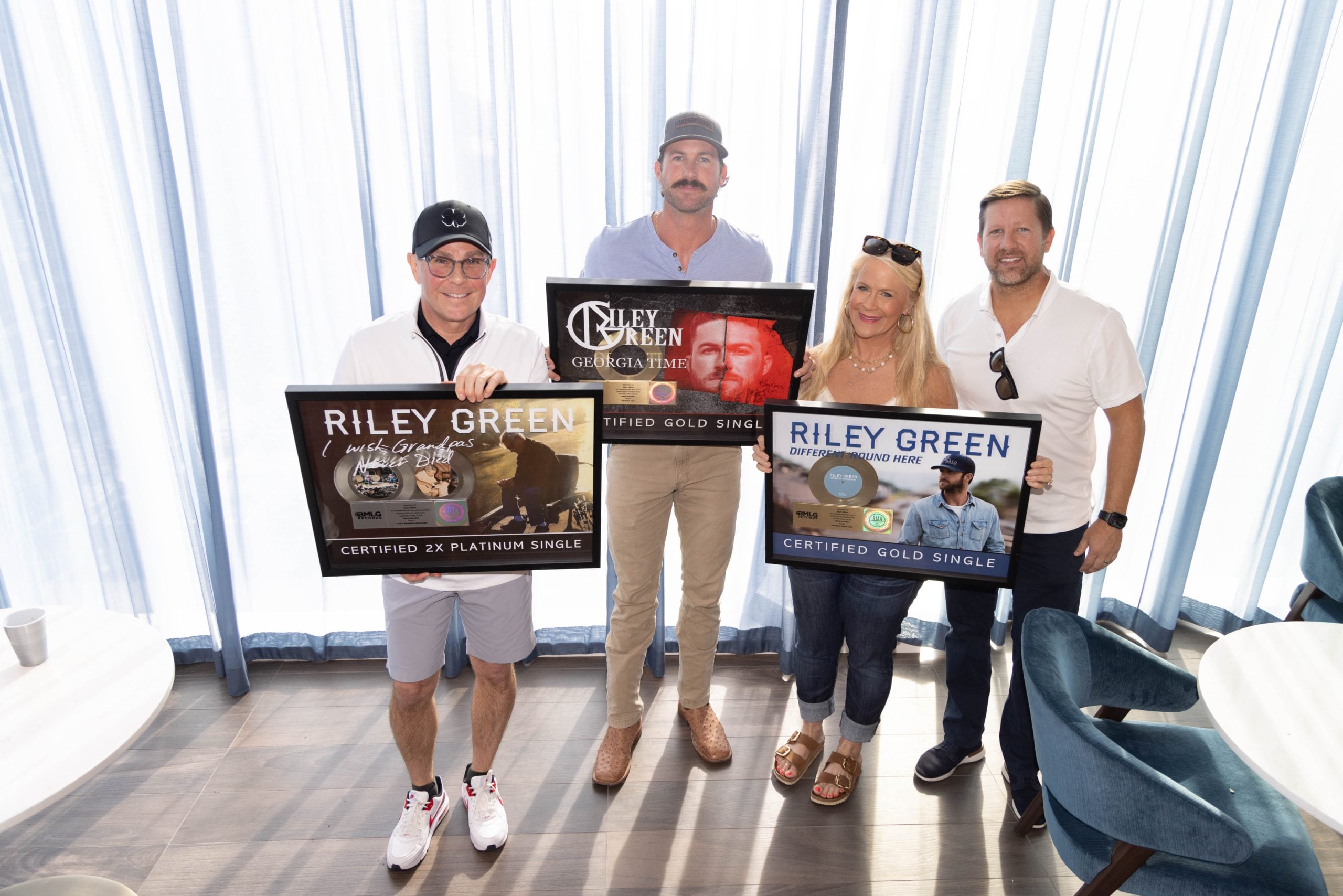
Photo: Courtesy of Jones
That’s also when Scott left to start Big Machine.
I stayed at Universal through the end of my contract. Around that same time, Toby left as well because he wanted to start his own label, Show Dog.
When my contract was up, Toby called me one day while he was sitting on his bus in Nashville. He always called me “Big Al,” which normally I wouldn’t like because I don’t really want to be called Big Al, but coming from him it was incredibly endearing. He said, “Big Al, come to my bus.” I sat down with him, and he asked, “Do you still love what you’re doing?”
I told him I did. I loved music and I loved what I did, but things had changed. I had gone from our little 20-person staff at DreamWorks to a giant corporation, and I wasn’t really sure what my next step was.
He said, “I want you to come work for me. I want you to help me build artist development and A&R for Show Dog. I want you to come out on the road with me this summer, and I want to remind you why you love music so much and why you love this business.”
I’ve had a lot of people open doors for me throughout my career, but that was one of the most meaningful moments. I wasn’t really sure what came next, and being able to go work alongside someone who was not only at the top of his game, but who also felt like family to me was incredible. I was there for maybe a year, a little less than a year. Then Scott called.
And then you went to Big Machine.
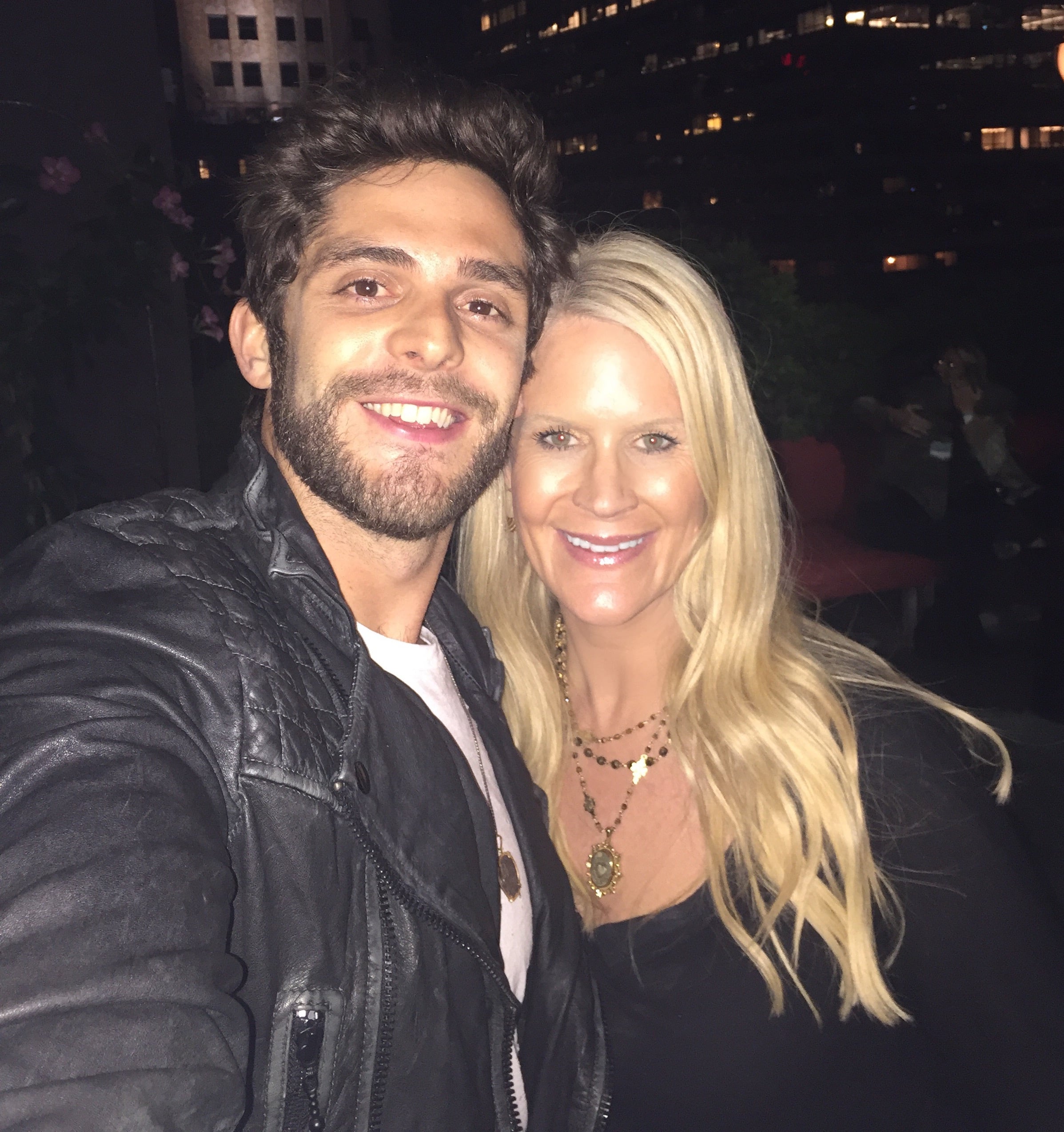
Photo: Courtesy of Jones
I had stayed very close to Scott after he started Big Machine. At the time, I was still heavily involved in A&R at MCA and Mercury. I was working on George Strait and Gary Allan records, and I was getting songs every day.
Scott had signed Jack Ingram, and I was a massive Jack Ingram fan. When my artists passed on songs, I would often send them over to Scott and Jack. We stayed really close.
I had also met Taylor [Swift] when I was still at DreamWorks, so I was friendly with the family before Big Machine really took off. One day Scott called me and said, “I need you. I need you to come here immediately. Like next week.”
Calling Toby and telling him I was leaving was one of the hardest phone calls I’ve ever made. Of course, he understood. There were no hard feelings at all. He was happy for me.
Joining Big Machine at that point was a crazy time because Taylor was finishing her first record and beginning her second. That meteoric rise of Taylor Swift was unbelievable. I can’t imagine there are many people in the music business who can say they had a front-row seat to something like that.
We were a small family, very much like DreamWorks had been. I remember going to Taylor’s first headline show in Chattanooga. I was there with Andrea [Swift] and Robert Allen. I remember standing at front of house with Andrea. I was a new mom, and I just started bawling.
I was watching these little girls holding signs that said, “It’s okay not to be cool because of you.” Or, “I want to play guitar because of you.” It wasn’t just fandom. It felt like watching the beginning of a generational shift. I remember crying because it felt bigger than music. I became the person standing beside Andrea at every show because, yes, I worked with Taylor, but the mom in me was overwhelmed by what I was witnessing. Watching all those young girls connect to her in that way was extraordinary.
Photo: Courtesy of Jones
What was your role at Big Machine at the time?
I was hired to be the head of A&R. Technically, I was the SVP of A&R, but we were so small in those early days that titles didn’t really matter. I was doing A&R administration. I was doing A&R. I was handling television and film opportunities.
Scott had started a publishing company, but at that point it was primarily for Justin Moore‘s publishing and some of our artists. It wasn’t large enough yet to have a traditional publishing staff. So I was also taking songs, managing publishing conversations and helping figure out how everything fit together. I loved it because we were doing so much. It was a completely different time. Streaming wasn’t really a thing yet. iTunes was. Social media existed, but not in the way it does today.
It’s interesting rebuilding it all over again now. Today we have around 30 employees and a lot of artists already, and we’re rebuilding from the ground up again. I’m the EVP of A&R, and Carly Strickland works closely with me. Together we’re rebuilding systems, budgets, A&R administration processes, artist clearances and all the infrastructure that supports a label. It’s a completely different industry than it was back then, but we’re still building. So, in many ways, I’m wearing a lot of the same hats now that I wore in the early days of Big Machine, and Carly and I are both enjoying the challenge.
What has been your favorite part of being at Big Machine?
Gosh, there are so many memories. Someone asked me this recently, and I hate picking just one because I love all of these artists so passionately like they’re all my kids. I get so emotionally invested in them that I hate highlighting one without mentioning all of them.
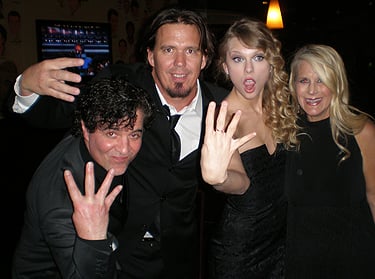
Photo: Courtesy of Jones
But one memory that stands out is the year Taylor won four Grammys. It was the year of “White Horse,” and to sit in that room and watch young Taylor Swift sweep the country categories and then win in the all-genre categories was insanity. What made it even more special was seeing Nashville represented on that stage. Liz Rose, who has always been one of my best friends, was nominated. Nathan Chapman was up for overall album of the year. Justin Niebank had mixed the record. There were so many Nashville people involved.
Watching Taylor, Liz and Nathan on that stage, I was crying the whole time.
We were still a small company, and Taylor was so young. To see a young woman, a country artist, win at that level across all genres felt incredible.
Afterward, because Taylor was underage, we couldn’t exactly go celebrate in bars. So we all walked over to dinner near Staples Center and celebrated together. I still have a picture from that night of me, Scott, Taylor and Eric Powell holding up four fingers for the four Grammys. She looks so young in that photo. That has to be one of my favorite memories.
What excites you about where Big Machine is headed now?
I love the energy and challenge of building something.
Obviously, Riley Green has been incredible to watch. Not only has he become established as a major star, but he’s had back-to-back hits that he wrote himself. Then watching him on Marshals was amazing. He had never acted before, and I was blown away by his performance. I remember texting him and saying, “Dude, you’re an actor.” To see that received so well, and now to watch him become a coach on The Voice and see his ticket sales continue to grow, has been incredible.
Photo: Courtesy of Jones
We also have so many new artists I’m excited about.
Mark my words, Cole Goodwin is the future of country music. He’s got that ’90s country thing, but there’s also some ’80s country in him. I’m incredibly excited about what he’s doing. I’m also excited about the Jack Wharff Band because they’re a little outside our genre. It’s been fun working with something that isn’t genre-specific. There’s freedom in making music that doesn’t have to fit into a tiny box. I have an incredible duo called Marfa. They’re kind of like if The Everly Brothers, Simon & Garfunkel and the Eagles existed today as young hipsters. They’re incredible. Greylan James is off to a great start. Mackenzie Carpenter is making incredible music.
And then there’s The Band Perry. I signed The Band Perry 15 years ago, so getting to work with Kimberly again has been incredibly special. We have so much fun together. Sometimes we stop ourselves now and ask, “Why has this been so easy and enjoyable?” I think a lot of that comes from experience. Kimberly was a massive star at such a young age. Then she experienced having it all go away and having to rebuild. So getting to rebuild both a label and the next chapter of The Band Perry has been really rewarding.
Another exciting thing is that Scott has opened a management company. When everything split apart, I was heartbroken to leave artists like Thomas Rhett, Carly Pearce and Midland because those artists are family to me. They’ll always be family.
But Carly is my soul sister. I had been following her career and meeting with her for years. She just didn’t have the song yet. I remember meeting with her after she left RCA. I loved her, but she hadn’t found that defining song. Then she did an independent project with Busbee. They were being very selective about who heard it because they wanted to make a splash.
I remember knowing it was coming out and seeing all these people on Twitter talking about it. Lucy Hale, Kelsea [Ballerini] and so many others were posting about it. So I went to iTunes and listened. The song absolutely annihilated me.
It was “Every Little Thing.” I immediately texted Carly and said, “Girlfriend, you have your three minutes. Call me right now, or call me in the morning, but you have your three minutes.”
That was on a Friday. I brought Scott to see her at the Opry on Saturday night. Then, of course, every label in town came after her. Thankfully, she chose us.
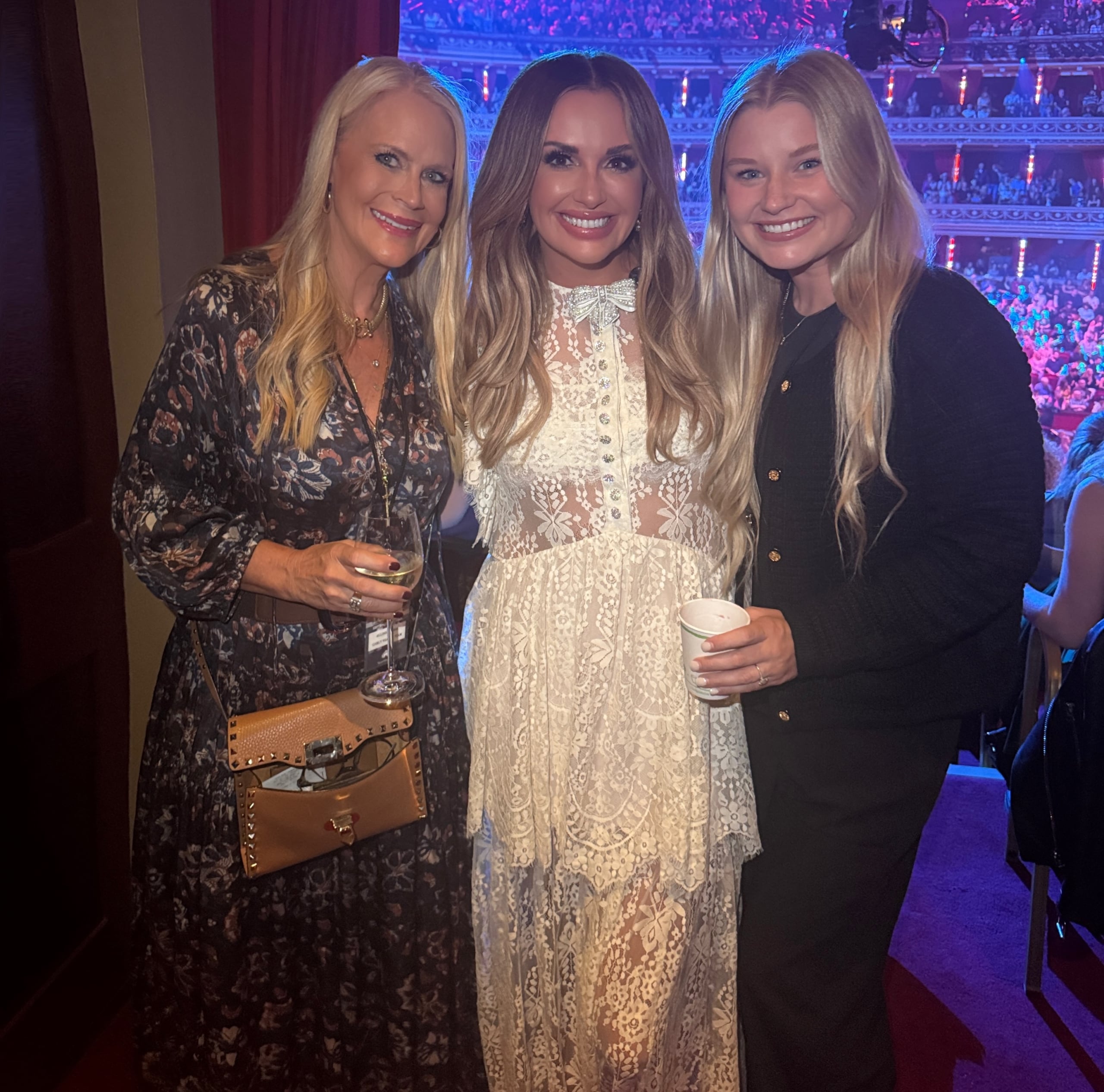
Photo: Courtesy of Jones
I was incredibly sad when I thought I might not get to work with her anymore, but then Scott said, “What if I manage her?” Now I’m probably more involved in her career than ever because I work closely with her manager. It’s been really special.
What is the best advice you’ve ever received?
Probably from Reba. Working with Reba is right up there with Toby and Taylor for me. Not just as an artist, but as a human being. Is there anyone better than Reba as a human? I truly don’t think so.
During the years when women were talking about how difficult it was to get played on radio, Reba would always say, “Outwork the men. Just outwork them.” She didn’t make it about being a woman or a man. She made it about work ethic. The first artist I worked closely with was Lorrie Morgan, and she said the same thing. You have to outwork them. You have to out-sing them. You have to outperform them.
When I entered the music business in 1991, women were running Nashville. Donna Hilley was running Tree. Frances Preston was running BMI. Connie Bradley was running ASCAP. Celia Froehlig and Robin Palmer were running EMI. Karen Conrad had the biggest independent publishing company in town. Evelyn Shriver and Susan Nadler were running publicity and labels. I watched all of these women succeed in an era where nobody complained. They just did the work. By example, they taught me that we could do it too. You just outwork everybody.
What are you most proud of in your career?
My relationships. I’m proud that I still genuinely love what I do. Somewhere along the way, I learned to trust my gut. That’s one of the hardest things to do in the music business, especially now when there’s so much data. You can overanalyze everything. I’ve always trusted my instincts, and I’ve always relied on relationships. Because all of this eventually goes away.
If you take care of the music and you take care of the relationships, everything else will fall into place. That’s how I sleep at night. I know I was earnest in my love of the music, and I know my intentions with artists and people in this industry were genuine.
I’m grateful to still be doing this. More than ever, after all these years, I wake up every day and recognize what an honor it is to work in this business. It’s an honor when creators trust you with their art. I’m excited about where the music business is headed, and I’m excited about the next chapter of this label.

- DEK Of Hearts Signs With Red Light Management - October 8, 2026
- Loretta Lynn’s ‘Van Lear Rose’ To Be Re-Released Via Third Man Records - October 8, 2026
- Wade Forster Makes Grand Ole Opry Debut - October 8, 2026