
My Music Row Story: Warner Records Nashville’s Victoria Mason
Victoria Mason
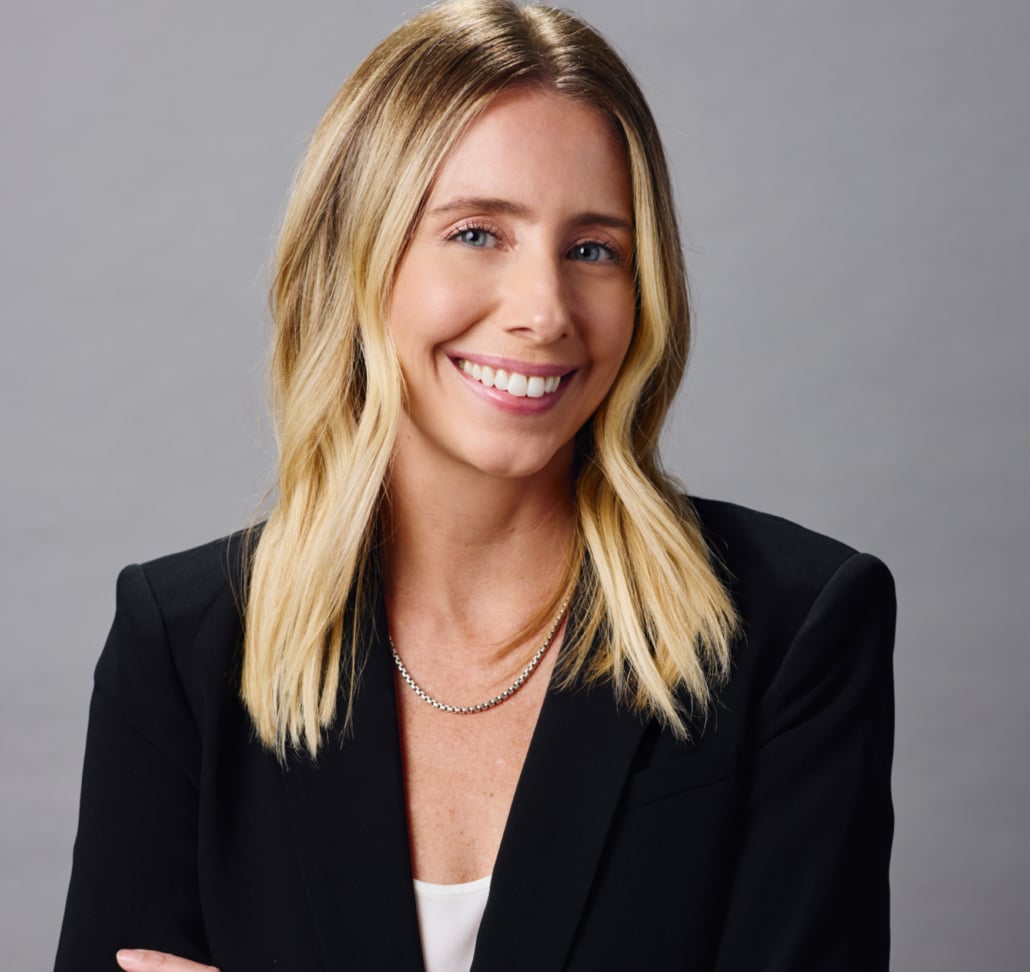
Warner Records Nashville’s Senior Vice President of Marketing, Victoria Mason, continues to lead Nashville’s charge in optimizing audience, fan development and fan engagement in country music. She joined the Warner Music ranks in 2011 after a three-year tenure working with audience and data giant Nielsen and became the driving force behind Warner Music Nashville’s implementation of analytics for the next six years.
In 2017, Mason was promoted to VP, Research & Analytics, where she increased the label’s focus on broader industry and genre-level trends, as well as deepening her oversight of ROI and marketing spend analysis. WRN expanded Mason’s duties in October 2019 into artist development, while also leading in-house analytics, and overseeing the day-to-day functions of the digital and strategic partnerships teams. She then moved from VP, Strategic Marketing to SVP Marketing & Analytics, where she merged and rebranded the Artist Development team into the comprehensive Marketing department, which encompasses Artist Marketing, Digital Marketing, Analytics, Brand Partnerships, and Industry + Fan Events, all reporting to Mason.
Mason is a current member of the Leadership Music Board of Directors (2022-2026) and has been named a Billboard Country Power Player, Nashville Briefing Power Player and a Billboard Woman In Music.
Mason will be honored as part of MusicRow’s Rising Women on the Row class of 2026 on March 3 at the JW Marriott. Read more about the event here.
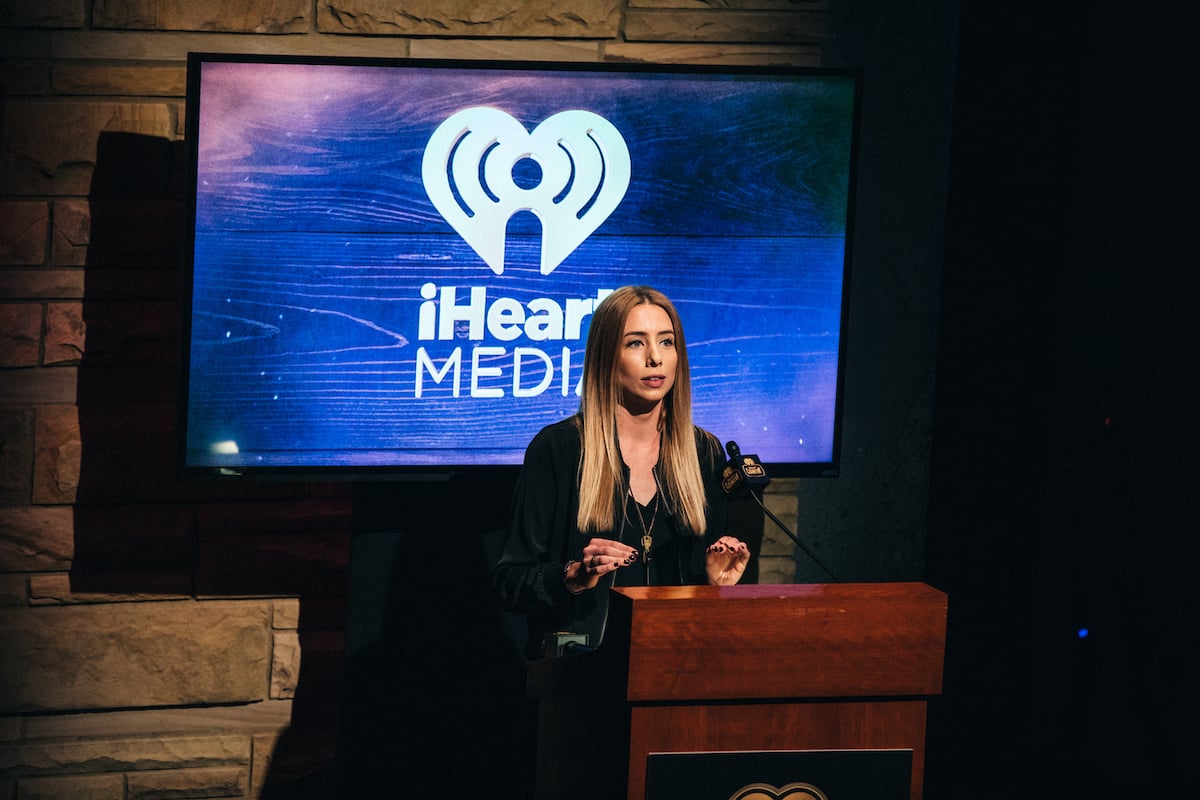
Photo: Courtesy of Mason
MusicRow: Where’d you grow up?
I grew up in a small town called Bourbon, Indiana. It’s in northern Indiana, just south of South Bend, a one-stoplight town. My childhood home is across the street from a cornfield, so I basically grew up in a country song.
Did your family listen to country music?
It was very prevalent in our community, but in my house it was more like the big cultural zeitgeist artists of the time. I grew up on Whitney Houston, Garth Brooks, Backstreet Boys and Boyz II Men. My dad listened to classic rock. It was a pretty mixed bag; I have always been open to exploring all different types of music.
In high school, one of my best friends, Kelly Whiteman, made me a mix CD of country hits at the time, and I remember hearing Tracy Lawrence’s “Paint Me a Birmingham” and Tim McGraw’s “Live Like You Were Dying” for the first time. Those songs really cracked the genre open for me…shoutout to Kelly for unknowingly setting me out on this path!
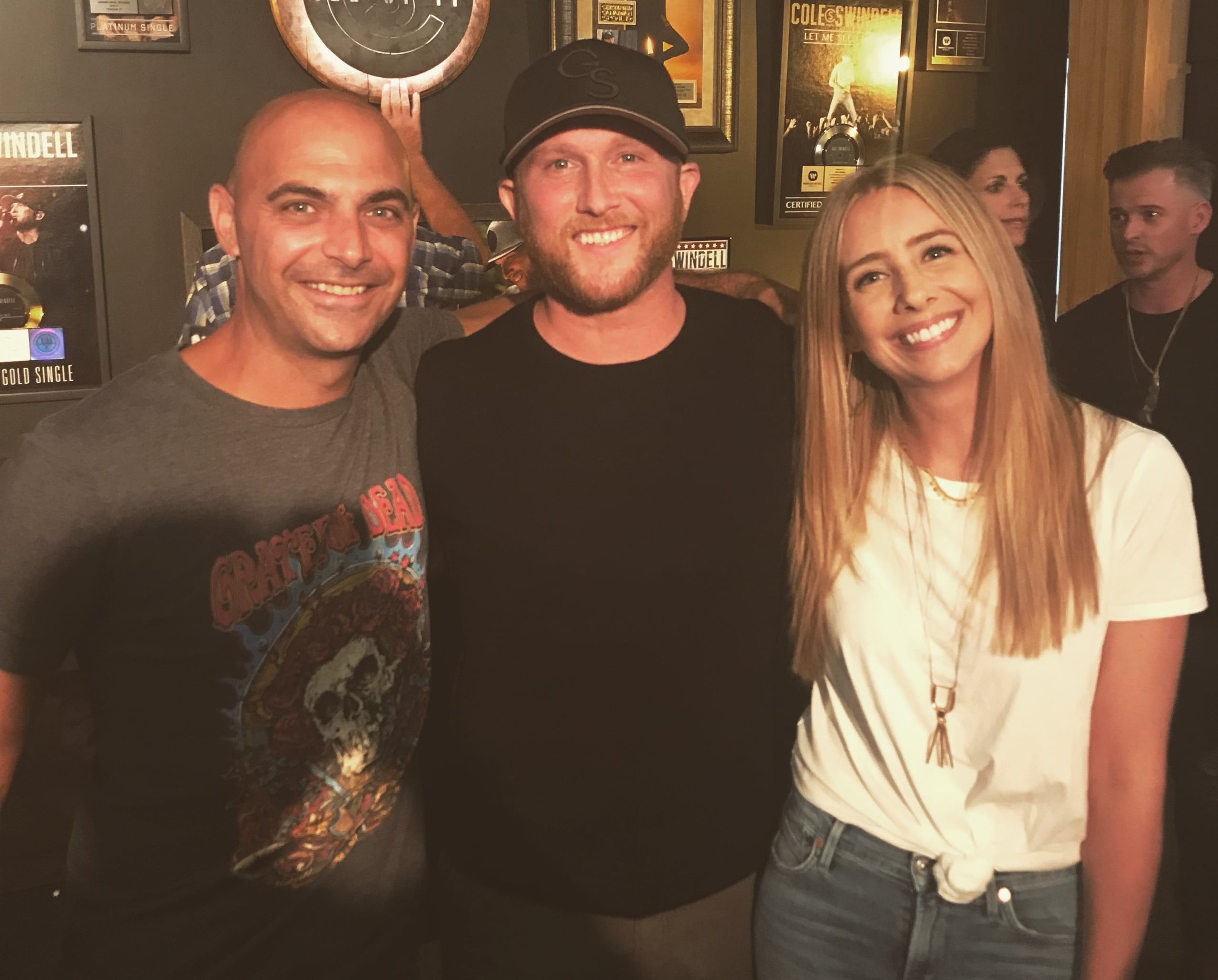
Photo: Courtesy of Mason
What did you want to be when you grew up?
I grew up kind of always being music-adjacent. I danced growing up. I wanted to play the drums, but my parents vetoed it, so I opted for tap class. [Laughs] I sang in a barbershop quartet and did choir, but I was never really talented enough to consider a life in music. Also, growing up in a small town, I think you just don’t really even imagine that there could be a lane for you in the music industry if you’re not famous or you don’t know someone famous. So I went to business school at Indiana University (go Hoosiers!) and focused on marketing.
While in college, I felt like I wanted to be a brand manager. I liked the idea of owning the responsibility of a brand, helping to shape its narrative and drive results. I imagined that I might work for a company like Procter & Gamble, and maybe manage a brand like Tide laundry detergent. In my mind, that was sort of the most classic, well-rounded marketing track.
I didn’t end up doing that exactly. I went and worked for The Nielsen Company, but in their consumer packaged goods arm that focused on forecasting and product innovation.
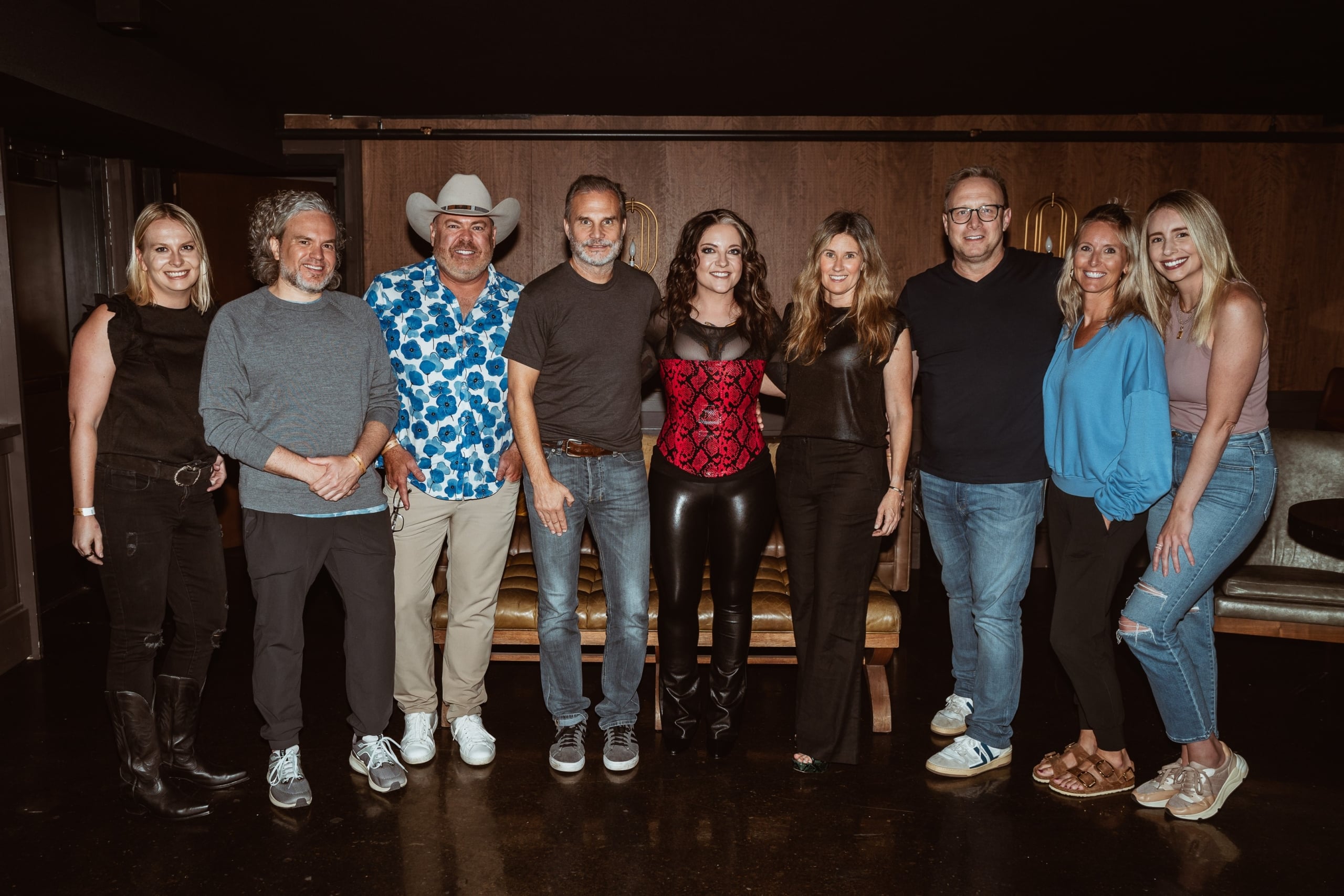
Photo: Courtesy of Mason
Tell me about that.
Nielsen worked with companies like Procter & Gamble and Del Monte and Kellogg’s to launch new products that you would find in the grocery store. The division of the company was called BASES, which means Booz-Allen Sales Estimating System. Essentially, CPG companies would come to us when they wanted to launch a new product or rebrand an existing product in the marketplace. They would come to us and say, “If we launch this new brand of cereal, or this new refrigerated fruit cup that you can blend into a smoothie, what would we sell in year one? If we got product placement at Kroger and Publix, and spent X million dollars in marketing in year one, what would you expect us to generate in volume? Is it a proposition worth exploring and launching?” We would test the ideas and products with potential consumers, and help the companies make refinements to ensure the most successful possible launch.
It was like fortune telling, but with math and science. In retrospect, I don’t know that there was a better job for me to just get my feet wet in terms of understanding different drivers of marketing activity, how specific levers can move the needle, and how to tell stories with data.
I could not have envisioned, much less predicted, that the version of me at Nielsen, and now the version of me in my current role, would have any similarities whatsoever. However, they definitely are connected.
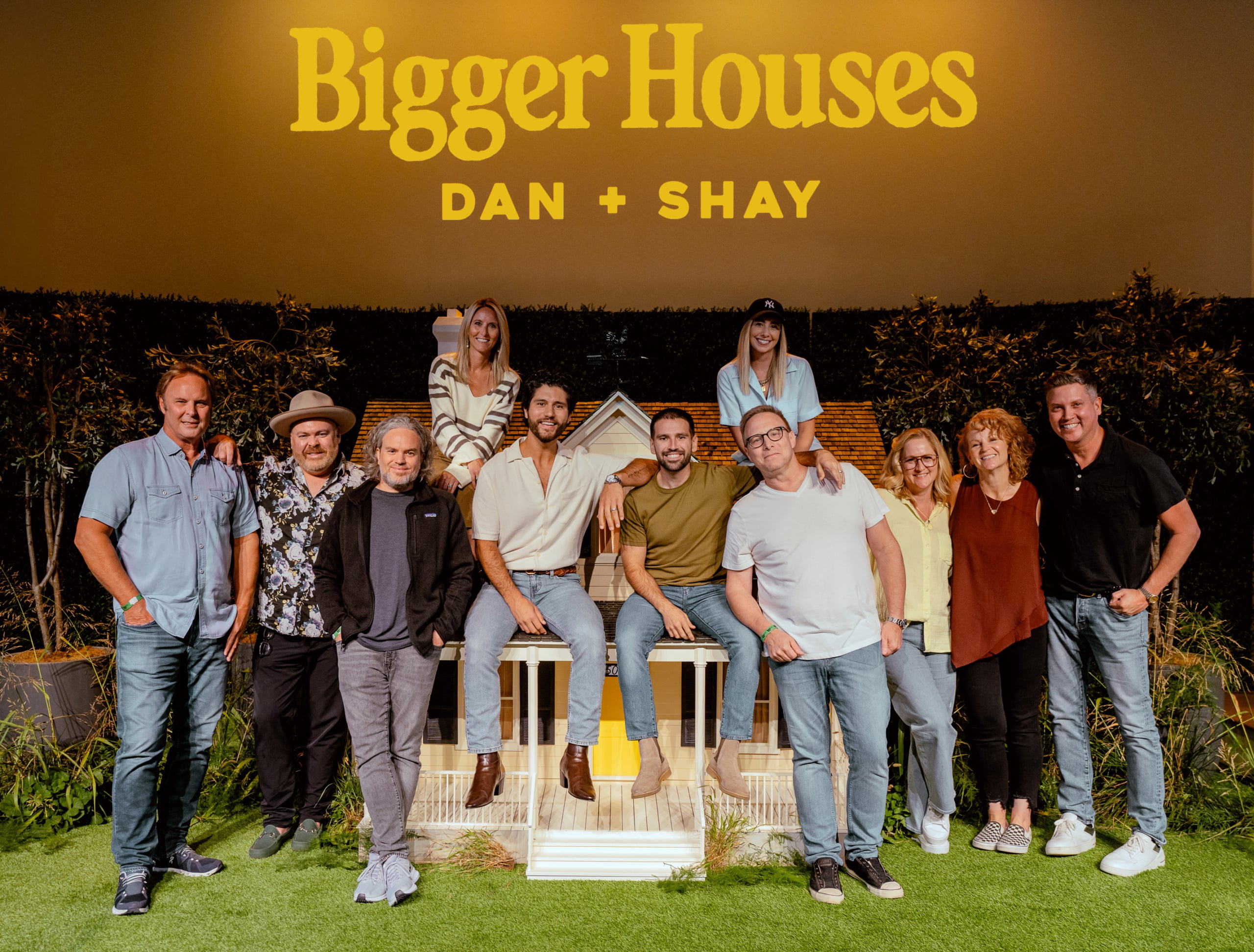
Photo: Courtesy of Mason
How did you transition from that to the music business?
I moved down to Nashville in 2010 for personal reasons, and I was working remotely still with Nielsen at the time. After a year and a half, maybe, of working remotely, I started to feel a pull to do something different where I could be in a traditional office environment. I remember walking my dog down Music Row one day and thinking, “I wonder if they do research or analytics in the music industry.”
I went home and did a little searching online and found a job on LinkedIn called Director of Research at Warner Music Nashville. It was a brand new position…the job description was really nebulous and unspecific, and I applied for it on a whim and got an interview. I knew the minute that I walked into the building that I wanted to work here. The job just felt like it was made for me. It was a combination of doing things that I had been doing at Nielsen in terms of telling stories with data, but instead of talking about cereal and fruit cups, now I had the opportunity to talk about something that I was really passionate about, which was music.
Tell me about when you first got here. What was it like?
It was basically building my own job from the ground up. John Esposito was CEO at the time, and I remember him describing my job as the “chief truth officer.” He wanted me to have no political affiliations with any of the departments, but really to just come in here with a very objective eye and state the facts, like this is what is happening for these artists and for this music, and here are the opportunities that I think we should pursue. Here’s where I think we’re winning, and here’s where I think we could be doing better.
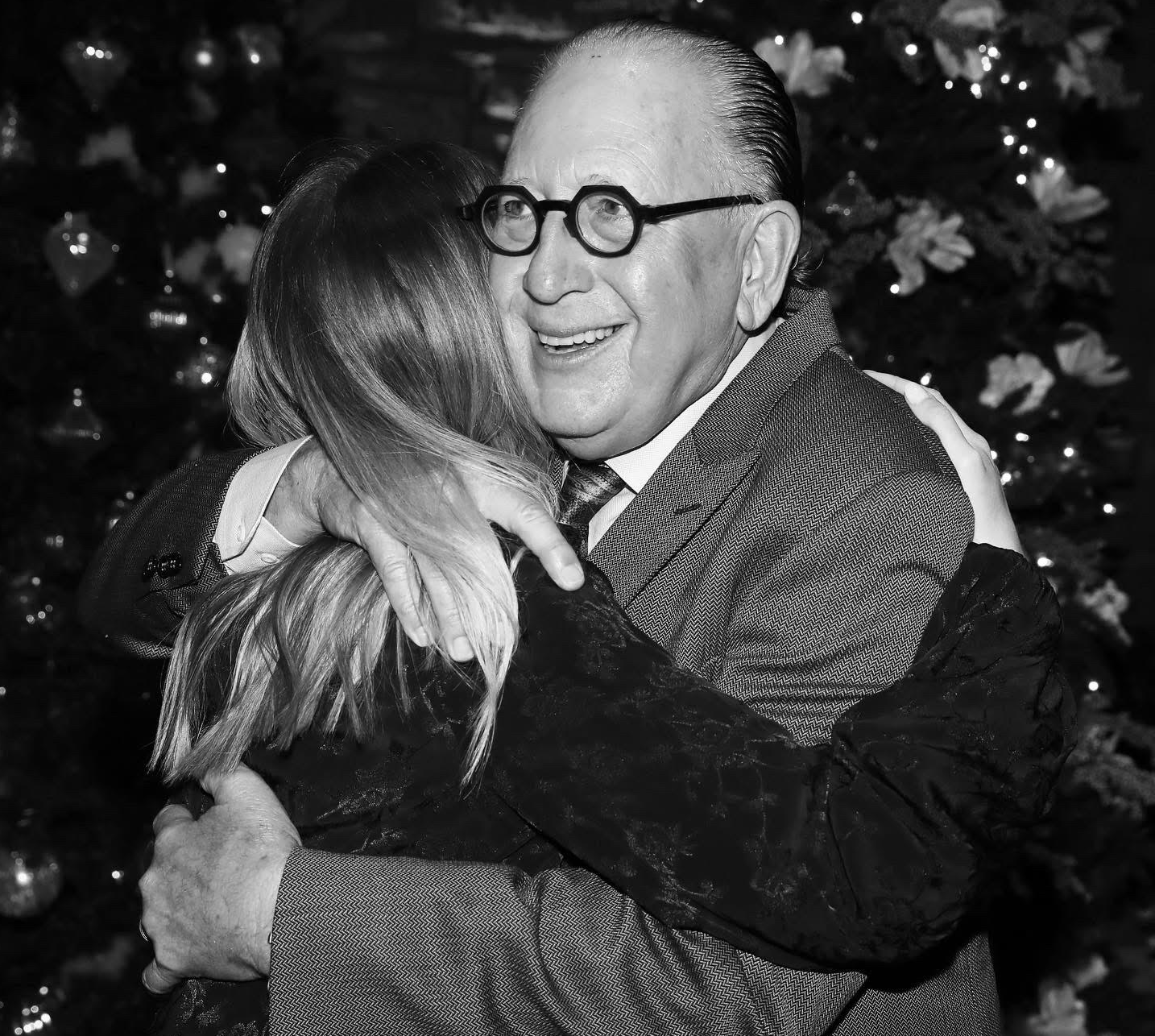
Photo: Courtesy of Mason
Do you remember a time early on that solidified that you were in the right job?
Early on, Espo asked me to present to a room full of industry partners, primarily in the radio space of the business. We were at this inflection point where radio had not fully adopted streaming as an indicator to help them program and make decisions. It was obviously an area of the business that I was super leaned into, understanding when there really was a signal versus noise. So he asked me to come out and present during that summit about when data is real and organic versus programmed or lean-back. It wasn’t intentional, but it ended up being kind of an educational moment. I just remember feeling very in my element during that presentation, and the room was very open and receptive to hearing what I had to say. We were having this healthy discourse and conversation, and I remember feeling like, “Oh man, I think I might have a lot to offer this town and this industry,” and really helping people embrace new technologies and the constant ebbs and flows.
There have been hundreds of other little moments along the way that have given me reassurance that I am in the right place. Listening to the first batch of Dan + Shay songs ever on a white label CD. Introducing friends and family to their favorite artists. Getting ready for CMA Awards night with the girls. Steady, constant reminders of how lucky I am to be here.
You’ve risen through the ranks and grown your team at Warner. Tell me about how the job has changed over the years.
When I first came in, it was just me, a department of one, analyzing sales data on SoundScan and radio data on Mediabase. Now the analytical arm is still very much under my remit, but that has become so much more complex, and we’ve got a whole team dedicated to looking at that. Obviously with streaming and socials, there’s just an infinite amount of data and things to analyze.
Beyond that, my job is ultimately about how we can make the healthiest, smartest decisions about how we allocate resources and people and time. That’s really what my job is now…supporting, guiding, and resourcing my team, and giving them the runway to do the things they need to do to give our artists and their music the best shot. I’d say that the same responsibility applies to our artists…supporting, guiding, and resourcing. Helping ensure they have the right tools at the right times to tell their stories and reach new audiences.
And as I am sure anyone in the industry would tell you—no two days are the same.

Photo: Courtesy of Mason
Who have been some of your mentors?
Growing up, my grandparents (Mammaw and Pap) and my parents always set great examples of the importance of hard work, kindness, compassion and community. I hope that I have taken many cues from them, both personally and professionally.
Espo is certainly my number one mentor professionally. I’m so grateful to him for so much that I’ve been able to accomplish in my career. He always made sure that I had a seat at the table.
Ben Kline, Shane Tarleton, Cris Lacy and Kristen Williams. And there is a special camaraderie I find among the other working moms in the industry…you know who you are!
What’s some of the best advice you’ve ever gotten?
Seek first to understand. My mom has always said this, and it’s always stuck with me. Listening is so powerful…the more that we approach one another from a place of openness and understanding, the better we are going to be.
Also: Quality remains long after the price is forgotten. This one is from my grandpa, and I love it because it applies to lots of different things. It’s a funny way to justify a shopping splurge. And it’s also a reminder that good, hard work pays off.
Tell me about an experience you’ve had that your little kid self would think is so cool.
She would have been amazed to learn that in the second week of her first music industry job, Faith Hill would walk into her office to introduce herself and graciously offer her a hug. It was a perfect foreshadowing of the warm, welcoming women that make up our country music community.
- MusicRow Weekly (News, Charts, More…) - October 2, 2026
- Johnny Mike Walker Joins Country Music Hall of Fame And Museum Circle Guard - September 28, 2026
- Braxton Keith Reflects On Breakout Success, Announces 2027 Tour Dates [Q&A] - September 22, 2026