
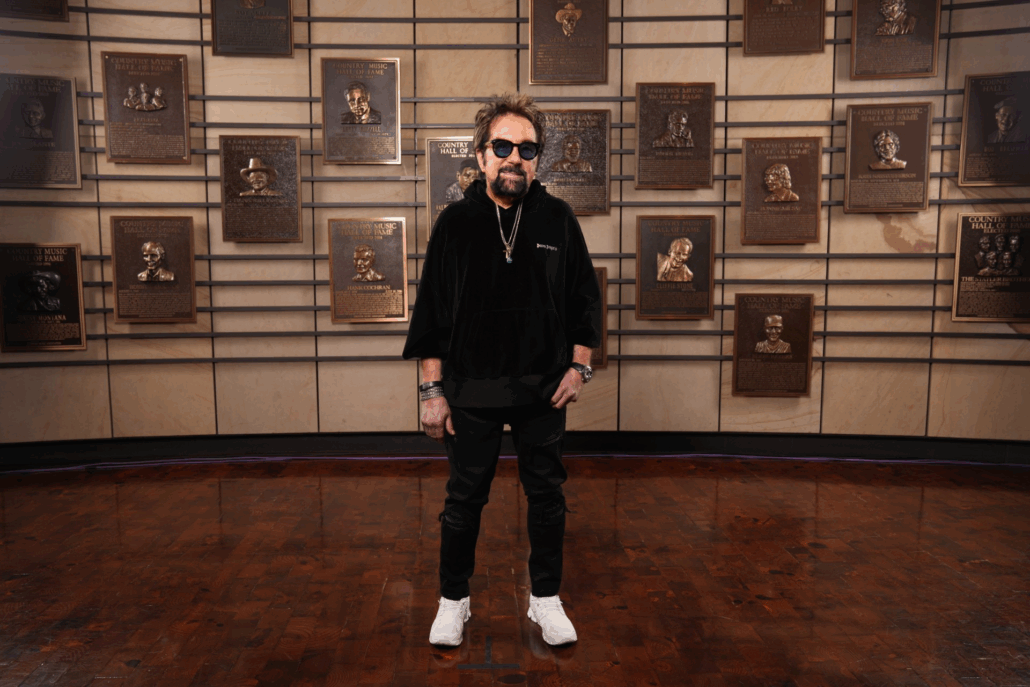
My Music Row Story: Tony Brown
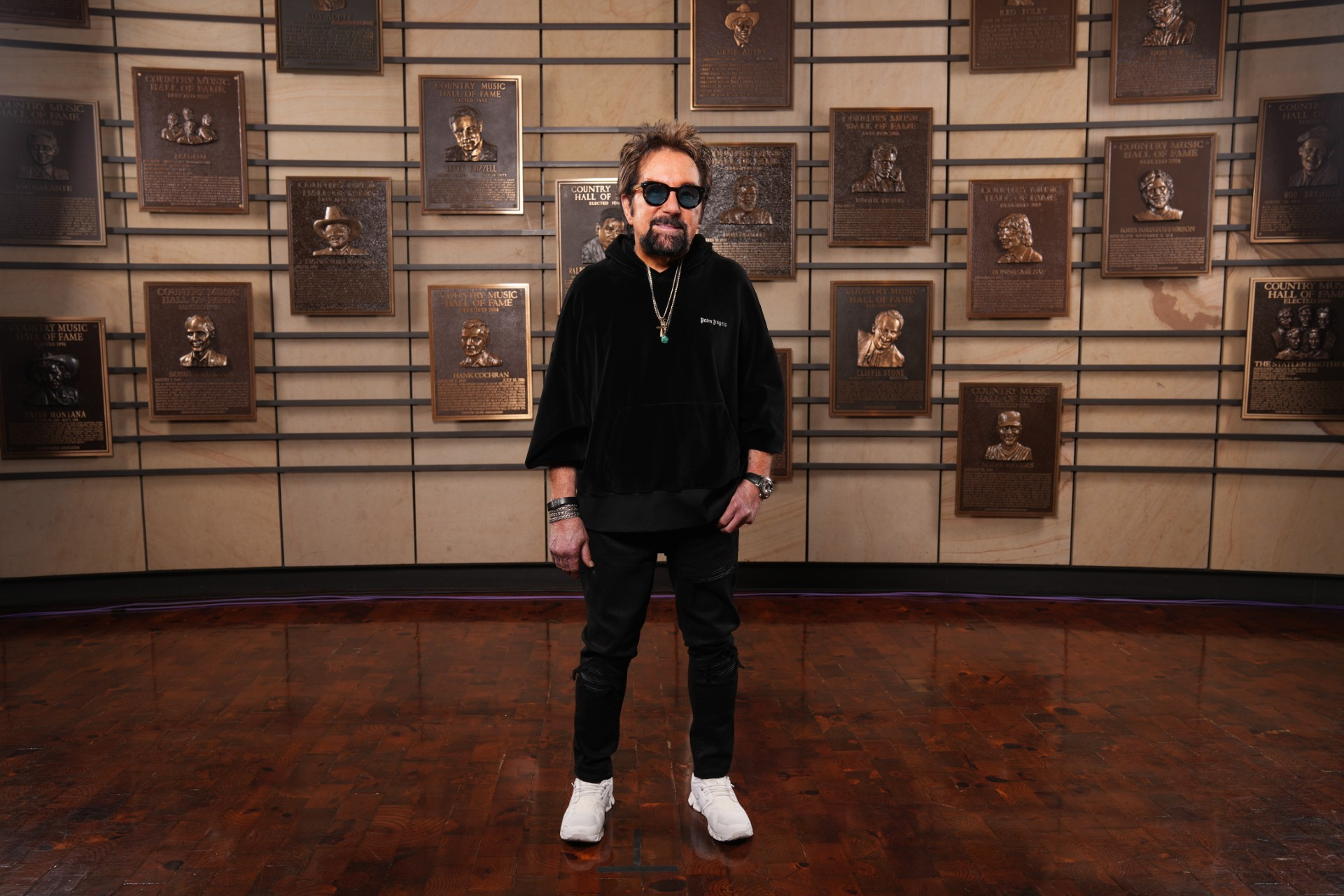
Tony Brown
With over 100 No. 1 hits under his belt, Tony Brown been the architect behind the success of legends like George Strait, Reba McEntire, Vince Gill, Trisha Yearwood and Brooks & Dunn—blending traditional country with pop and rock to reshape the genre for the modern era.
Before he became a hit record producer and A&R executive, Brown toured as the keyboardist for Elvis Presley’s TCB Band, giving him a front-row seat to music history. He later became president of MCA Nashville, nurturing some of the most iconic voices in American music.
Later this month, Brown will join the Country Music Hall of Fame in the Non-Performer category.

Photo: Courtesy of Brown
MusicRow: Where did you grow up?
I grew up in North Carolina. My dad was an evangelist, so I played in a family singing group and that got me into music.
Did you sing and play an instrument?
I sang mainly. Then I learned to play the piano at the age of 13, and that became my focus for the rest of my life. I ended up being a musician for Southern gospel music. I moved to Nashville for that reason, as a gospel music piano player.

Photo: Courtesy of Brown
How did you get your career started once you were in Nashville?
When I came here, I already knew nothing about country music or any other music except gospel music, so I wasn’t fascinated by the fact that this was a country music town.
Through my gospel music connections, I got a job with Elvis Presley playing in a gospel group. He loved to sing gospel music, so he hired us to be on call 24/7 to come to his house and sing gospel music.
Eventually I found out that the piano player in Elvis’ band was leaving to go play with Emmylou Harris, so I hustled for the job and got it. Ultimately I played for Elvis for three years until he passed away—a year and a half in the gospel group for his house and a year and a half in his TCB band.

Photo: Courtesy of Brown
What did you do next?
I came back to Nashville and David Briggs, another one of Elvis’ piano players, said, “Why don’t you pitch songs for my publishing company while you find another job?” So that’s what I did. I started pitching songs and finding out about the country music world.
I had been doing that for about six months when I got a call from Emmylou Harris’ manager that the piano player, Glen D [Hardin], had quit and gone with John Denver. They wanted me to come and audition. So I went and bought her record—I wanted to see why Glen D quit Elvis in the first place. I loved her record Pieces Of The Sky. I went to audition and got it. I was there for a couple years, and then she got pregnant and decided to get off the road for a while.
Then I joined Rodney Crowell’s band when he got a record deal with Warner Bros. We played clubs up and down the California coast. Sometimes we’d make a dollar, sometimes we’d make nothing—I didn’t care. I was just part of something cool.
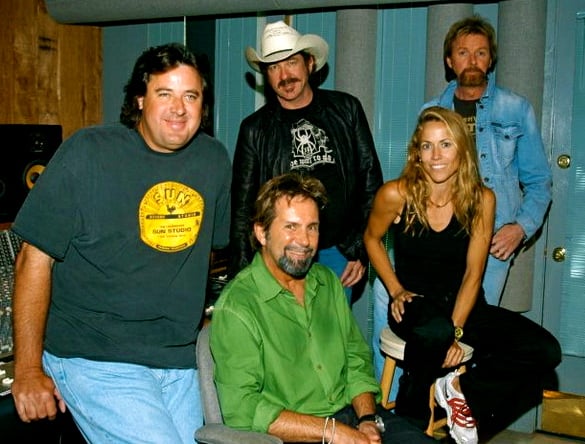
Photo: Courtesy of Brown
Then Rodney marries Roseanne Cash, so we became her band too. I was being introduced to country music world. I became part of that little clique. Eventually Rodney had to call it, and I called David Briggs and asked for my job back.
How did you move over to the business side of things?
Once I was back in Nashville, I told David I needed to get a “real job.” He said, “RCA just had this big hit on a record called The Outlaws. It’s the first Platinum album in the country music. They’re giving Jerry Bradley a pop label in L.A. Jerry hates pop music, and they’re trying to shove all these New York A&R guys down his throat. I’ll suggest he hires you.”
He did. I got that job, moved to L.A. I was there a couple of years before it folded, then I came back to Nashville and started working for RCA here. I saw Alabama play the CRS New Faces of Country Music show and signed them, and we were off.
Soon you moved over to MCA. Tell me about that.
I heard that Jimmy Bowen was taking over MCA. He was at Warner Bros. at the time and was producing Hank Jr., Conway Twitty and all the big acts. My attorney advised me to go chase a job there.

Photo: Courtesy of Brown
I got hired to play B3 on a Hank Jr. record by Jimmy Bowen. The thing is, I don’t play B3. I play piano—I’m just a hustler, but I wasn’t sure how I was going to pull it off. [The engineer] said, “Jimmy Bowen wants to see you upstairs.” I go up there and say, “Okay, I confess. I’m not a B3 player. I just came because you’re a Jimmy Bowen.” He said, “Well, I didn’t hire you for this session to play B3. I hired you because I’m taking over MCA and I need an A&R guy. I think you’re the guy.”
He said he would train me to be a producer, but to not tell anyone or he’d have me killed. [Laughs] So when it finally happened, and Jimmy Bowen took over MCA, I got the job.
Tell me about learning to produce.
Jimmy had me co-produce with a few acts with him at first. Eventually he said, “Go find me some new stuff. I’ll produce all the stars like the Oak Ridge Boys, George Strait and Reba McEntire. You find something new.” So I found Patty Loveless, Steve Earle and Lyle Lovett. Eventually I signed The Mavericks and some other stuff, but then Jimmy Bowen left to go to Capitol, so I inherited George Strait and Reba McEntire.
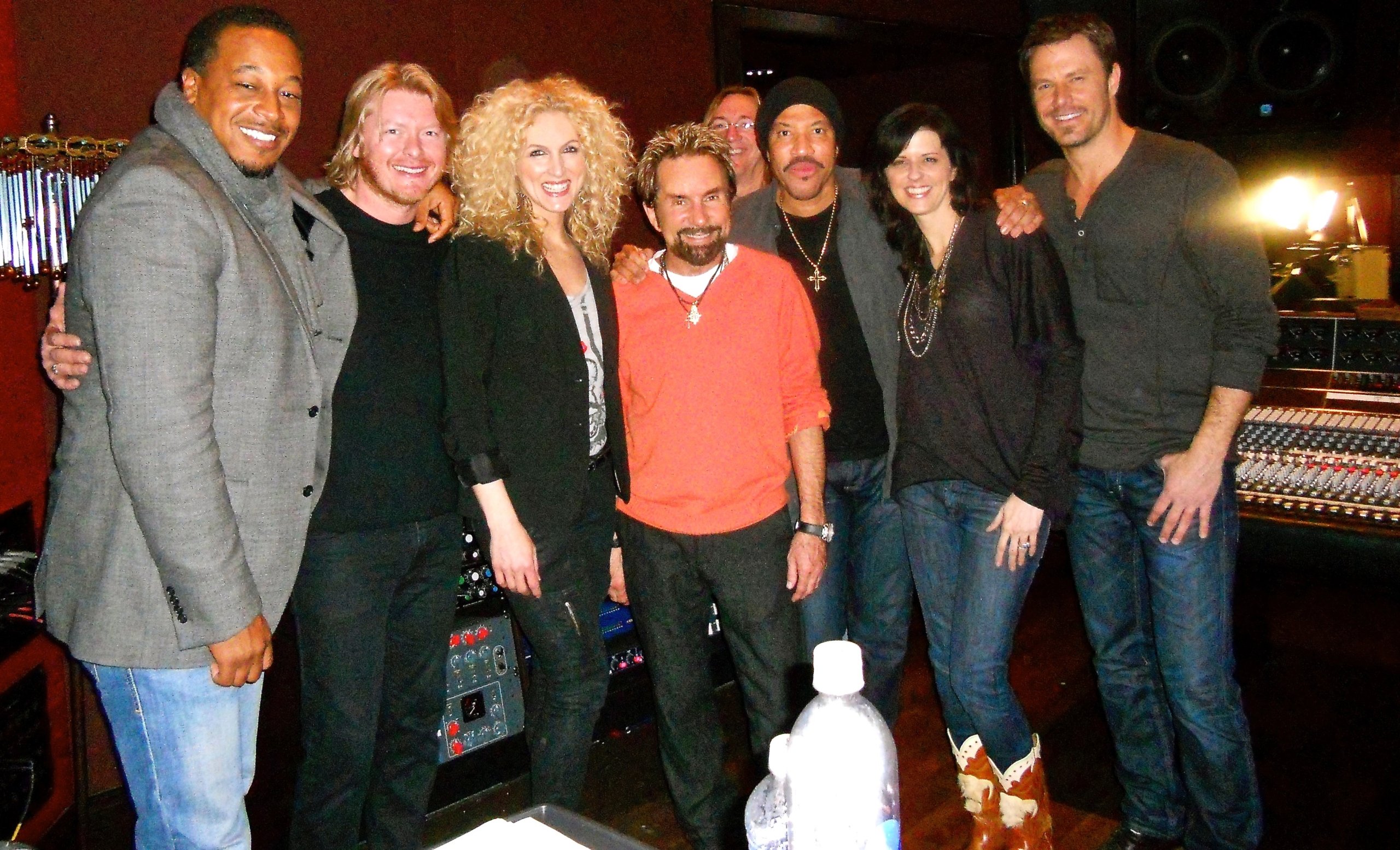
Photo: Courtesy of Brown
The first album that I did on George was Pure Country. I was so nervous, but it sold like crazy. We cut “Fancy” on Reba, and it was huge. Out of all the records I’ve done—and I’ve done 37 No. 1s on George Strait—I think the biggest hit I’ve ever cut was “Fancy.” Everybody knows that song.
I started working on Brooks & Dunn and Vince Gill, and they became huge. I started feeling confident about production. I did Trisha Yearwood’s version of “How Do I Live” and won the Grammy. A lot of good things started happening to me.
You became very successful.
I got my feet planted pretty good at MCA. I was there 25 years. I became their first VP of A&R, and then got promoted to Sr. VP and Executive VP. I eventually became President. People say I ran MCA—I didn’t run MCA. I had the title of President, but I was just an A&R guy and a producer.
In 2000 or so, Doug Morris at Universal offered me my own label. I didn’t think I was smart enough to run a label, so I needed some help. Tim Dubois had left Arista, so I called him and asked if he would help me run Universal South.
It didn’t do very good. We lasted five years and had one Gold record with Joe Nichols. I don’t think I produced one hit record there. I was so involved in trying to help run the label that I quit producing.
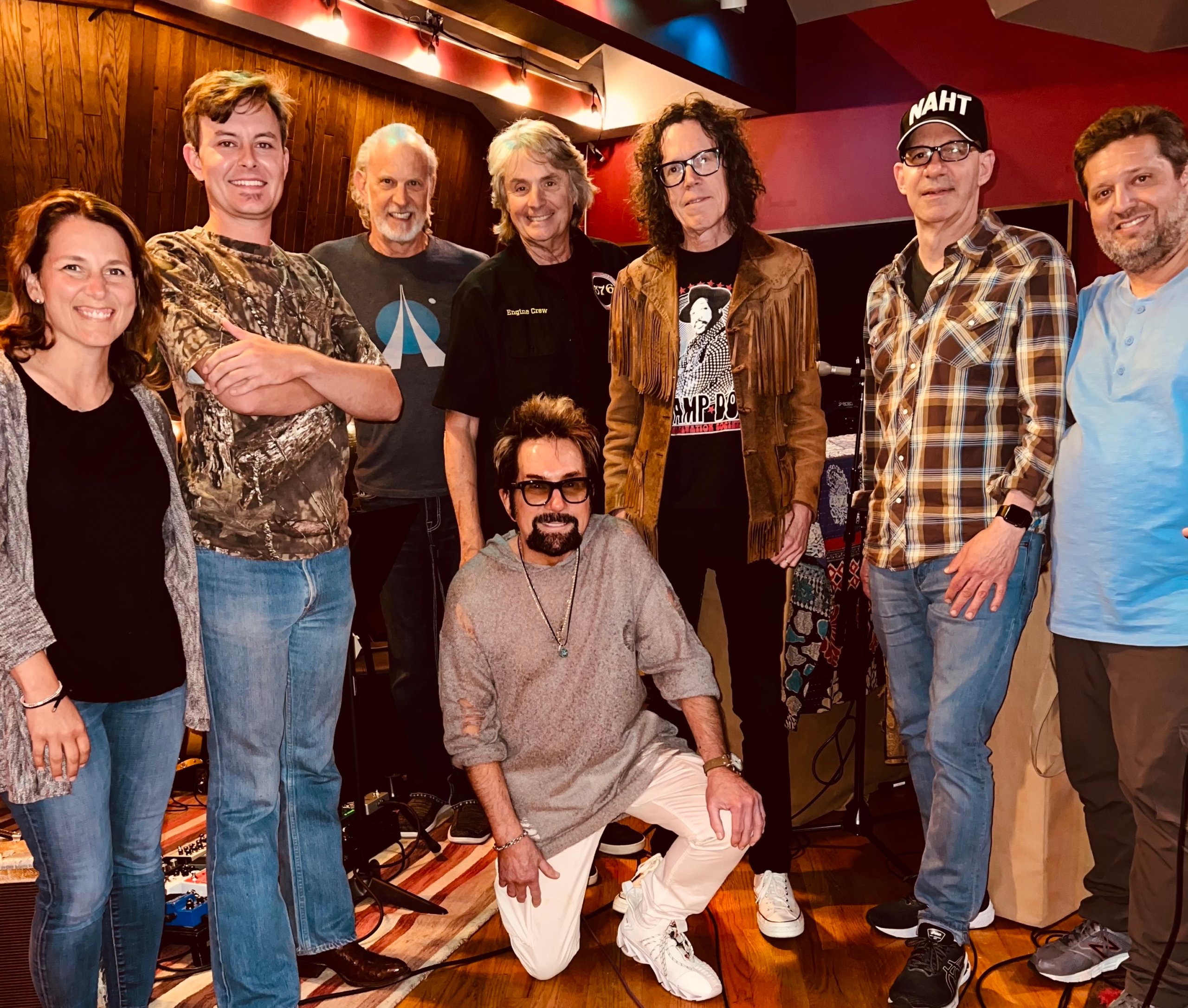
Photo: Courtesy of Brown
Eventually, I went back independent and I’m glad I did. The business is so different now. With streaming, it takes too much to get a plaque these days.
When you started producing records, what did you want your legacy to be?
After I got out of gospel music, I became engrossed in country music. All my friends were in country music. All my friends were country songwriters playing. Rodney Crowell introduced me to a whole other set of people, like Guy Clark and John Prine. I was in that world, and then there was a whole other mainstream world of Bob DiPiero and Gary Burr that I was involved with, too. I started seeing these two different camps going on—one was kind of cooler and one made you money. I started asking myself, how can I be in both?
When I was producing Steve Earle, Lyle Lovett and Nanci Griffith, I remember going to South by Southwest. A newspaper person wanted to interview me there, and they said, “I heard you’re now producing Reba McEntire.” For a second, I was embarrassed. I felt like I had “sold out.” That’s how stupid and full of myself I was. I learned a lot during that period. For some of those artists, it doesn’t matter how much they sell. It’s all about the art. But I like a little bit of both—I want to cut records that are hit records.
You’re going to be inducted into the Country Music Hall of Fame later this month. How do you feel about that?
It’s something I’ve wanted, but I figured one day after I passed away, maybe I’d get in there. There’s so many people that should be in there, but when I found out I was going in, I didn’t believe it. I thought they had made a mistake or called the wrong number. But I think what got me in there was what I just explained about loving everything: the art and the commerciality of it.
I’m hoping I can make it through night without crying. [Laughs] I love that I’m going in with Kenny Chesney and June Carter Cash—that’s a lot of art and a lot of commerce.

- MusicRow Weekly (News, Charts, More…) - October 2, 2026
- Johnny Mike Walker Joins Country Music Hall of Fame And Museum Circle Guard - September 28, 2026
- Braxton Keith Reflects On Breakout Success, Announces 2027 Tour Dates [Q&A] - September 22, 2026