

Chase McDaniel Finds His Voice On ‘Lost Ones’ [Interview]

Chase McDaniel. Photo: Robby Stevens
Today is World Suicide Prevention Day, and Chase McDaniel’s debut album Lost Ones (out Sept. 19 via Big Machine Records) feels especially timely. Blending country storytelling with a rock-and-roll edge, the 12-track project leans into themes of survival, hope and connection—all grounded in a life story McDaniel has to tell.
Raised in the small town of Greensburg, Kentucky, McDaniel grew up surrounded by gospel music, bluegrass harmonies and the unwavering support of his grandparents, who took him in when his parents were struggling. “My papaw sang bass in a gospel quartet,” he says. “I fell in love with the low male voice. He was my hero.” Music and family became constants in a childhood marked by hardship, including the eventual loss of his father to addiction.
But when McDaniel began struggling with mental health as a teenager, he found little understanding in the world around him.
“I started remembering having obsessive thoughts, compulsions… I’d have these horrible intrusive thoughts, and I’d go to a closet and pray 300 times a day,” he says. “I grew up in a place where you don’t talk about that kind of stuff. I didn’t know what depression was or any kind of mental illness. I thought that only happened to crazy people. So if it was me, I must be crazy.”

Sports provided a temporary escape until an accident ended his weightlifting career in college. Around the same time, his father overdosed, grief overtook his family and McDaniel found himself spiraling into depression and anxiety with no language for what he was experiencing. “It was a mixed bag of absolute hell,” he says. “Wake up in hell, spend all day in hell, go to sleep in hell. And I did that for years without telling anybody.”
The breaking point came late one night on a bridge in Louisville. “I felt these two long arms scoop me up from under both of my shoulders and pull me horizontally back over the concrete ledge,” he recalls. “That told me that I had to keep fighting. It didn’t stop after the bridge moment. I had to sign up for living, and whatever that meant.”
That experience, and the long road that followed, slowly led McDaniel toward writing the kind of music he once needed. Therapy helped, as did his growing determination to put his story into words when so few people around him seemed to understand.
“I was literally blazing a trail for myself,” he says. “I got tired of blank stares. I got tired of telling somebody and them feeling like I was a threat to myself. My obsession with understanding it led to my comfortability in talking about it.”
When he moved to Nashville at 21, McDaniel chased the same commercial dream most young artists do. At first, he wrote the radio-ready songs he thought people expected of him. But something felt false. “Do I want to go on stage every night pretending to be somebody else when I’m 40? When I’m 50?” he asks. “I had to figure out who I was and what I wanted my art to say.”
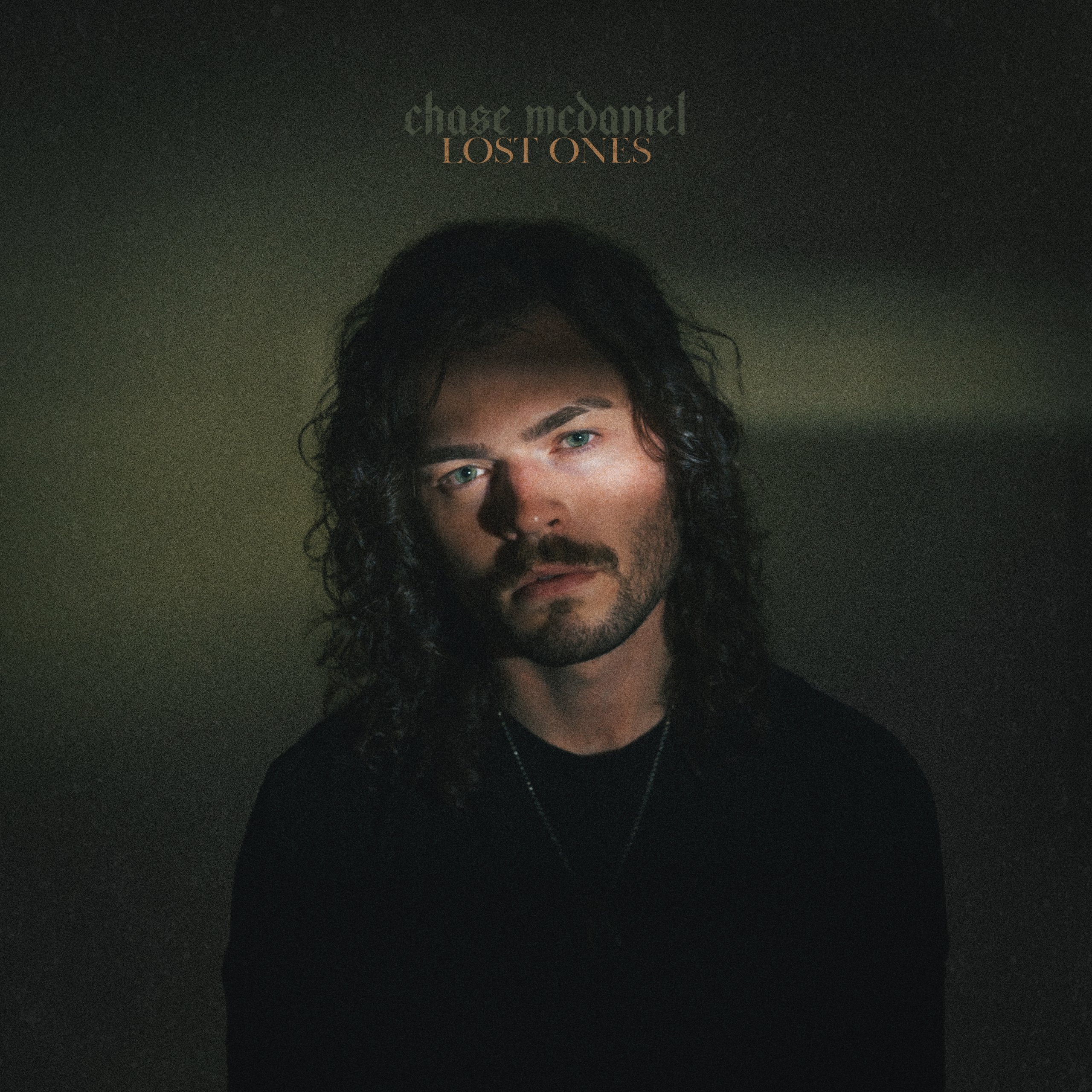
With Lost Ones, produced by Lindsay Rimes, he found the sound and the story he had been looking for: a mix of country roots and the rock music his dad loved during his sober summers. He smiles, cheekily, when describing the sonic fusion of the album as “between Randy Travis and Creed.”
Every track on Lost Ones was co-written by McDaniel, weaving together the personal and the universal. Songs like “What I Didn’t Have,” written as a tribute to the grandparents who raised him, bring warmth and gratitude to a project often circling loss and perseverance.
The title track anchors the record both musically and thematically, with its waltz-like tempo and haunting steel guitar capturing the loneliness—and hope—behind the Lost Ones name. “I think my taking a step forward lets other people feel safe enough to be vulnerable about some things they don’t talk about,” McDaniel says.
That connection has already shown up in real time. Earlier releases like “Your Daughter,” written about his sister and their father’s addiction, and “Somebody Like Me,” about struggling with mental health in a small town, have drawn powerful responses from fans. “The response was overwhelming,” he says. “It showed me there are people out there who need music that tells the truth.”
The album’s first single, “Burned Down Heaven,” is now climbing at country radio, while “Risk It All” and “Made It This Far” have found early streaming audiences. For McDaniel, those moments prove the music can stand on its own even as it carries deeply personal weight.
“I always just led message first,” he says. “There will be songs about heartbreak, about love, but if I don’t tell my own story, how are you gonna connect with me?”
If you or someone you know is struggling, help is available. Call or text 988 or use the chat via 988lifeline.org.
- MusicRow Weekly (News, Charts, More…) - October 2, 2026
- Johnny Mike Walker Joins Country Music Hall of Fame And Museum Circle Guard - September 28, 2026
- Braxton Keith Reflects On Breakout Success, Announces 2027 Tour Dates [Q&A] - September 22, 2026