
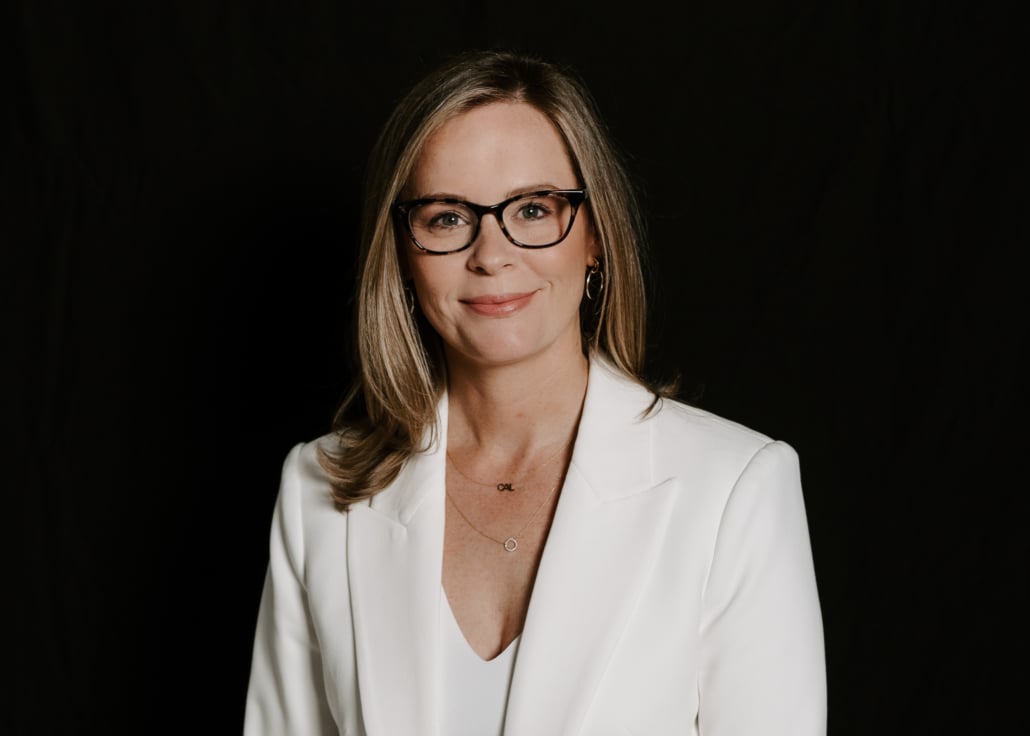
My Music Row Story: Big Loud’s Sara Knabe
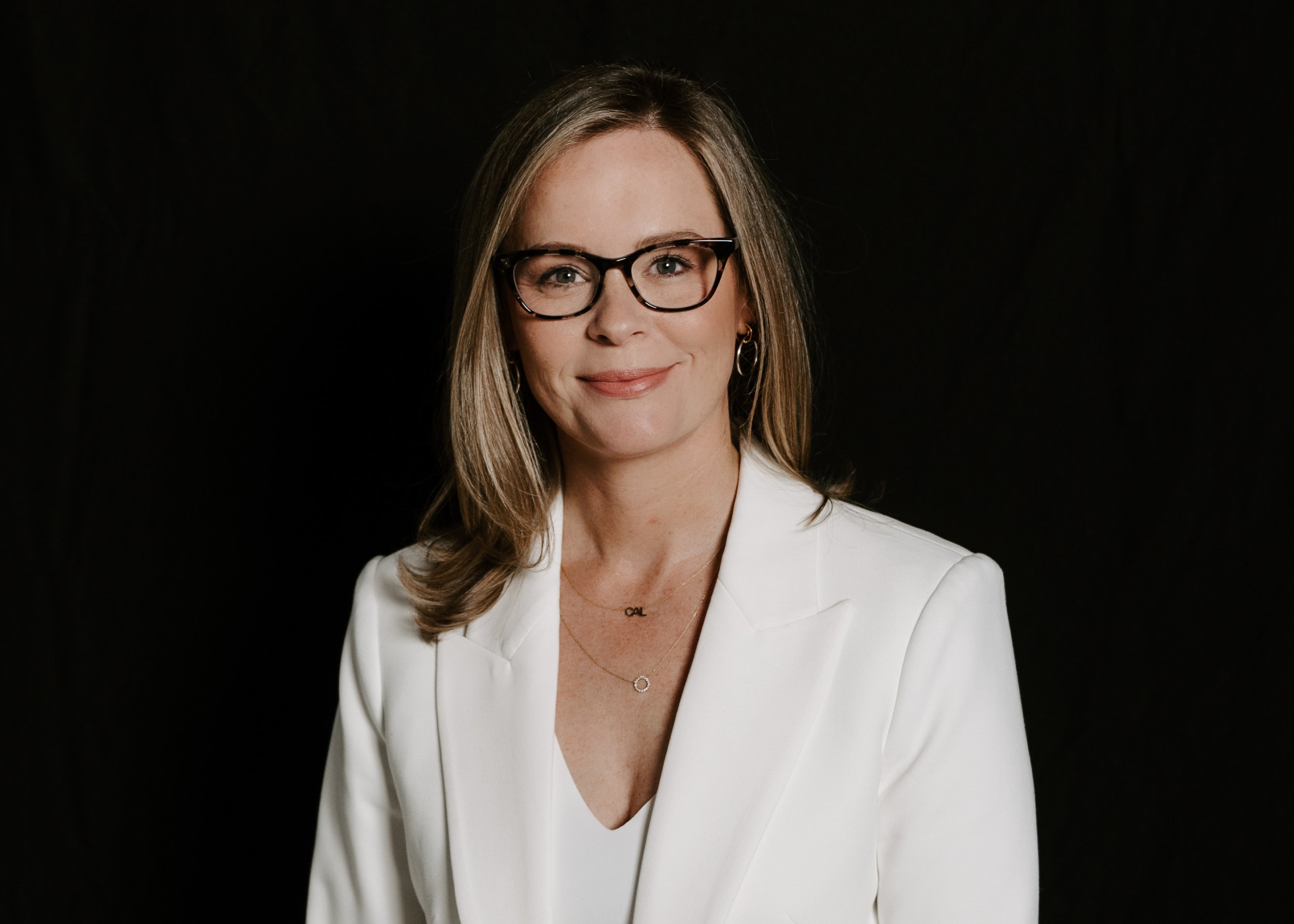
Sara Knabe. Photo: Brayln Kelly Smith
The “My Music Row Story” weekly column features notable members of the Nashville music industry selected by the MusicRow editorial team. These individuals serve in key roles that help advance and promote the success of our industry. This column spotlights the invaluable people that keep the wheels rolling and the music playing.
Industry veteran Sara Knabe is SVP of A&R at Big Loud, where she works in tandem with both the Big Loud Records and Big Loud Publishing A&R teams, leading across both.
She joined Big Loud in 2023, after spending just under a year founding and cultivating her own Cake Maker Music, a music publishing, artist development and A&R consulting company. Prior to that, Knabe was VP of A&R at BBR Music Group, VP of Creative at BMG Music Publishing, and had prior career stops at Bug Music, Windswept Holdings, LLC and Harlan Howard Songs. Knabe is a Belmont University graduate.

Photo: Courtesy of Knabe
MusicRow: Where did you grow up?
I grew up in Jackson, Missouri, but I moved here in 2001. So I’ve been in Nashville for 24 years now.
What was your childhood like? What were you into?
I was a pastor’s kid, so we moved around a bit. Jackson is where I went to high school, but my childhood was the typical preacher’s kid experience — loud and a little chaotic. I was obsessed with both music and sports. Volleyball was my sport, but I was also in band and choir. I was always listening to records and falling in love with songs.
We didn’t have many concerts come through town, but the Bootheel Rodeo in Sikeston was my place. Every summer I lived for that week. That was my concert experience growing up. I saw Kenny Chesney, Toby Keith, Clint Black, Lonestar, Jo Dee Messina and more there.

Photo: Courtesy of Knabe
What was your dream? Did you imagine yourself doing this back then?
I knew I wanted to work in music, but I had no idea what that looked like. I started college at Southeast Missouri State in ’99 as a vocal performance major, but I quickly realized I wasn’t good enough to make it as a singer. I switched to business.
Over Christmas break, my dad ran into someone I went to high school with who had moved to Nashville and was attending Belmont. She told us about the school, and I was like, wait — there’s a place you can go to actually study the music industry? I only knew about managers because I’d seen the movie Pure Country, so I came to Belmont thinking I’d be one.
On my first day, a professor asked if anyone knew what they wanted to do. I shot my hand up and said, “I want to be a manager and help artists find their songs.” He told me that was actually A&R or publishing. As soon as I heard about publishing, I was hooked.
What internships did you do?
I interned at EMI Publishing and with Scott Hendricks and Jason Krupeck in A&R. Jason let me sit in on all his meetings, which was huge — that’s where I met so many of my first publishing contacts.
I also interned at Teracel Music during peak Rascal Flatts, when Brett James was there as both an artist and writer, along with Mark Beeson, Philip White and others. It was an amazing environment.

Photo: Courtesy of Knabe
Then I got an internship at Harlan Howard Songs. Honestly, I didn’t know much about Harlan at the time. But he had just passed, and his friends would come by the office to sit in his chair, smoke cigars and tell stories. It was like a baptism into country music. I learned so much about songs, the history and the community. That internship turned into my first full-time job, and I stayed there four years.
What did you get to do there once you were full time?
I started as catalog manager and assistant to Melanie Howard. It was just the two of us, so I did a little bit of everything — front desk, admin, catalog recapture. I learned a ton about copyright and paperwork, especially on songs from the ’50s and ’60s.
But I knew I wanted to pitch songs. A few months in, I asked Melanie if I could start taking meetings when my work was done. She graciously said yes. My first pitch meeting was with Erv Woolsey for George Strait, and my second was with Scott Hendricks. Looking back, I probably didn’t pitch great songs that day, but what an opportunity.

Photo: Courtesy of Knabe
While I was there, we signed Lori McKenna and Mary Gauthier. Lori’s career exploded, and that opened every door for me. Artists were calling, fighting to hear her songs first. Having Harlan’s catalog gave me credibility, and Lori’s writing gave me access I probably hadn’t earned yet.
Melanie also included me in the Chicks With Hits meetings, which were like grad school for pitching. Those women were relentless about the songs they believed in, and the artists who walked into those offices blew my mind. I always say the Chicks With Hits raised me.
What was your next step?
Steve Markland hired me at Windswept Music Publishing, which was such a thrill. They were coming off a huge run of hits with Jeffrey Steele and Kendell Marvel, and they had Randy Houser, who was still looking for a record deal. That era was so fun — Tuesday nights at 12th & Porter with Randy, Jamey Johnson, Jared Neiman, Ken Johnson, Lee Brice… everyone was getting signed, playing shows, and hanging out. After work we’d bounce from Tin Roof to 12th & Porter to Douglas Corner to 3rd & Lindsley. The whole scene felt like it was rising together.
Windswept had that kind of culture. It was a hang — even if you didn’t write there, you could show up and know someone would be around. My very first day of work, everyone was at the Key West Songwriters Festival, so it was just me and the receptionist. I hadn’t met most of the writers yet, when I suddenly heard someone in the kitchen. This guy is loading beers into his cargo pockets at nine in the morning. I introduced myself: “Hi, I’m Sara, the new plugger.” He goes, “Oh, I don’t actually write here. I just knew you guys had beer. I’m writing across the street at Starstruck.” [Laughs] That was Windswept in a nutshell — open, fun and creative.

Photo: Courtesy of Knabe
Unfortunately, the company sold not long after I started. I was technically only at Windswept for about nine months before Bug Music bought them, and we became Bug Windswept for a while.
What was that transition like?
It was interesting because the two companies had very different approaches. Windswept was a creative, artist-development kind of place, while Bug was known more as an Americana-leaning administration company. But when they came together, it actually created a perfect mix.
I got to work with people like Darrell Scott, Buddy Miller and Jim Lauderdale, and catalogs from legends like Townes Van Zandt. At the same time, we had writers cutting songs for George Strait and Gary Allan, and Randy Houser as an artist. It gave me the chance to be part of both worlds, which was ideal for my ear.

Photo: Courtesy of Knabe
How long were you there?
Bug was eventually bought by BMG, and I stayed through all of that — from Windswept to Bug Windswept, then Bug, then BMG. All told, it was a 17-year run. I spent 12 years at BMG, seven on the publishing team and five at Broken Bow.
Tell me about working in publishing at BMG.
Those were some of the most fun years of my career. The catalog was incredible. Because I’d stayed on through the Windswept and Bug acquisitions, I had access to everything — Windswept, BMG, Cherry Lane, Stage Three, Corlew — all at my fingertips. For someone who loves digging for songs and finding homes for them, it was heaven.
I also worked with some amazing writers: Tony Lane, Wynn Varble, Ruston Kelly, Lucie Silvas, Emily Shackelton, Adam James… just a really strong creative group. And the team itself was great — Daniel Lee, Chris Oglesby, Kevin Lane — we had such good synergy. It was just fun.
And then you transitioned to the label side. Was that something you’d always imagined?
Not at all. I kind of fell into it and ended up loving it. When BMG bought Broken Bow, there were a couple of projects that needed to be wrapped up — a Runaway June record and a Joe Nichols record. They didn’t have a dedicated A&R team at the time, so I just started jumping in, mostly clueless but having fun.

Photo: Courtesy of Knabe
At first, I was suggesting names for the role, throwing out peers and friends, but meanwhile I was realizing how much I enjoyed the flip side — listening for songs, having those creative conversations. Publishing had shifted to being more calendar-driven: scheduling writes, managing rooms. That wasn’t my strength or passion. I’ve always loved the creative side — hearing songs and finding where they belong. Weirdly enough, A&R felt like a better fit for that than publishing had become.
So finally, I threw my own name in the mix. Jon Loba took a chance on me, and I’ll always be thankful for that. I jumped in not knowing much, just trying to figure it out. Honestly, I still feel like I’m figuring it out.
Do you have any early wins that gave you confidence?
I feel really lucky to have worked on the Lainey Wilson projects. But honestly, that was just about giving her the opportunity and staying out of her way.
Helping with those first two records was exciting, but she knew exactly who she wanted to be. My role was just narrowing down songs — going through hundreds and helping her land on the best 12 — and having ongoing conversations. From the beginning, I just trusted my gut. I loved her voice, her songwriting, and when I met her, I thought, this girl has everything she needs.
It’s been so fun to watch her career take off. I’m grateful to have played even a small part in her journey, but that’s all her. What I’ve learned is my job works best when I’m just championing talented people and giving them the runway to do their thing.

Photo: Courtesy of Knabe
Then you started a new chapter. Tell me about that.
During COVID, I burned out. I loved my time at Broken Bow — it was an exciting run with Lainey, Dustin Lynch, Jelly Roll early on — but being on Zoom from eight to six every day fried my brain. I wasn’t being the mom, wife, daughter or friend I wanted to be, and I didn’t feel like I was being the A&R I wanted to be either. After 20 years of hustling, I knew I needed a break.
I left with no real plan other than starting something that gave me more balance — which became Cake Maker. The idea was to create a space where I could help artists develop and get them to the point where they were ready for a label. I thought I’d take a year off, but three months in I was bored.
So I launched my consulting company. Around then, Seth [England] called. We’d known each other since he was my intern back at Harlan Howard Songs, and we’d worked together for years. He asked what I was doing, and I said, “I went to Costco twice today — I need a job.” He brought me on to consult for Big Loud, just listening for songs, and I loved it.
I also covered a maternity leave at Creative Nation, which was really important to me. I wanted to show that women can be working moms — it’s hard, you’ll never be perfect at it all, but you don’t have to “fail” at one thing to succeed at another. That idea is where the name Cake Maker came from: I wanted to make my cake and eat it too by creating the environment I needed.
You eventually joined Big Loud full time.
Big Loud’s philosophy of “best song wins” really resonated with me. Whether the artist wrote it or not, the bar is always high. And the environment is so creative — writers and artists are constantly hanging out, rising together.

Photo: Courtesy of Knabe
At first, I was hesitant to join full-time because I didn’t want to get overwhelmed again. Seth told me to call other SVPs with kids and ask them about work-life balance. Almost all of them had young families, and they said the culture allowed for it. We work hard, but if you need to leave for a baseball game, you go.
The moment that sealed it was going to Seth’s son’s birthday party. Everyone from the office was there with their kids. I left and cried in the car because I realized, this is the crew that gets what I’m trying to do.
So I joined Big Loud two years ago, and it’s been such a great fit. The team is fantastic, the roster is strong, and while work-life balance will always be something I have to manage, I’ve gotten better at setting boundaries. And I’ve learned that makes me better at my job.
What would you say is your favorite part of your job today?
I love that every day is different. No two days look the same. I get to be in creative conversations on both the publishing and label sides — hearing songs from writers, meeting new talent, talking with producers and artists about their vision for a record, even sitting in marketing meetings and throwing out the occasional crazy idea.

Photo: Courtesy of Knabe
At the heart of it, my favorite thing is sitting down with a writer or artist and asking, What do you want to accomplish? What do you want to say? Helping them clarify that vision and then giving them opportunities to get there — that’s the best part.
And of course, just hearing a great song. Getting to send it to someone with, “You’ve got to hear this one.” Or getting a text from Ernest with something brand new he’s excited about — that never gets old.
I also love mentoring. Guiding young A&R and publishing staff is so rewarding. I’ve had great mentors myself, so it’s important to me to give that back.
Have you had any mentors?
So many. Stephanie Cox has always been incredible — when I was at Harlan Howard Songs, her office was upstairs at Larga Vista Music and she was so generous with her time. Kos Weaver was amazing, always pulling me into meetings and letting me learn by doing.

Photo: Courtesy of Knabe
I’ve also had peers who mentor each other — Beth Laird and I talk all the time about how we’d handle different situations. The Chicks With Hits raised me; they taught me how to pitch songs and be relentless about ones you believe in.
Others who made a big impact: Steve Markland, in the way he nurtures songwriters. Stephanie Wright — I can talk to her about anything. Allison Jones has been a great mentor too.
I’ve been really fortunate to have so many positive influences — men and women — from the very beginning, and I’m grateful for every one of them.
- MusicRow Weekly (News, Charts, More…) - October 2, 2026
- Johnny Mike Walker Joins Country Music Hall of Fame And Museum Circle Guard - September 28, 2026
- Braxton Keith Reflects On Breakout Success, Announces 2027 Tour Dates [Q&A] - September 22, 2026