
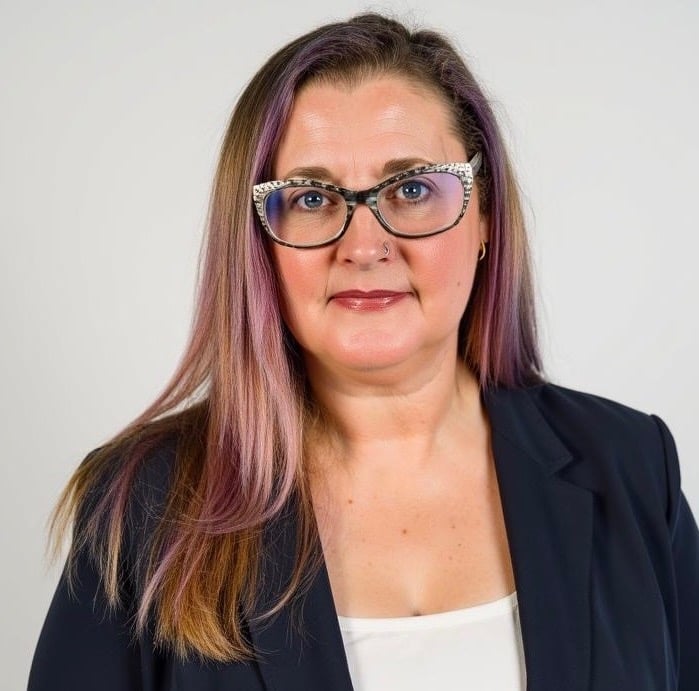
My Music Row Story: mtheory’s Cameo Carlson
Cameo Carlson
The “My Music Row Story” weekly column features notable members of the Nashville music industry selected by the MusicRow editorial team. These individuals serve in key roles that help advance and promote the success of our industry. This column spotlights the invaluable people that keep the wheels rolling and the music playing.
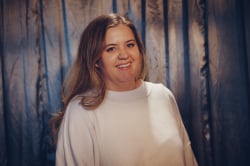
Cameo Carlson runs the show at mtheory—a manager and artist services company that helps artists not just survive the music industry, but outsmart it.
A digital pioneer, Carlson has a background working in cutting-edge music technology, at a leading record label and in the management of chart-topping artists. Currently, she manages the Grammy-nominated artist Mickey Guyton, and in 2022 she launched Equal Access Development, a program aimed at giving a fair shot to the voices the industry often sidelines: BIPOC, LGBTQ+ and women in country music.
Before mtheory, Carlson led digital strategy at Borman Entertainment. She was also EVP at Universal Motown and Republic Records, where she handled digital marketing and mobile sales. She helped build the early iTunes empire, and kicked off her tech journey at Spinner.com, earning two U.S. patents along the way.
Her work has earned her a shelf of honors including the Music Biz Presidential Award for Outstanding Executive Achievement, NEXT Award for Market Mover, Nashville Business Journal’s Women of Influence, Two Braintrust Pacesetter Awards, Grinnell College Alumni Award and the WMBA Alumni President’s Award.
Carlson also helped found Nashville Music Equality, mentors through Digital Divas, and has served on boards for Music Biz, NIVA, the Academy of Country Music, and is a newly-elected Governor on the Nasvhille Chapter of the Grammy Board of Directors.

Photo: Courtesy of Carlson
MusicRow: Where did you grow up?
My dad was in the Navy when I was young, so we moved around a lot. Even after he got out, we kept moving—my parents just liked change. We landed in Joplin, Missouri, when I was 13, and that became my home base. I went to high school there, which shaped a big part of my life, even though my parents moved again later.
What were you like then? What were you into?
Because we moved so much, music became the one constant. Even if I didn’t have friends yet, I had my cassettes and later, CDs. When we moved from Los Angeles to Joplin, it was a total shift. I was into the Go-Go’s and Stray Cats, but Joplin was full of hair metal. It surprised me. I was a super nerdy kid—smart, buck teeth, braces—but music grounded me. I’d write down the Casey Kasem Top 40 in a Hello Kitty notebook every weekend. I was obsessed with charts.
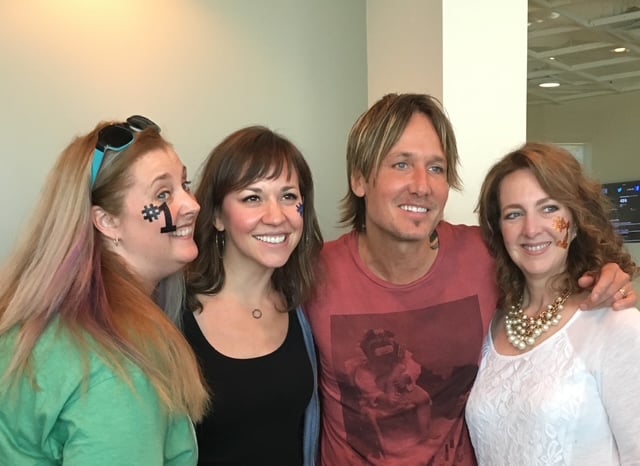
Photo: Courtesy of Carlson
Did you know then that you wanted to work in music?
Not at all. I’m a first-gen college student, and my parents didn’t have any kind of industry connections. I studied political science, which is funny now, because there’s not exactly a job called “political scientist.”
In college, I had a huge CD collection. I DJed parties and worked at the campus radio station. I loved it, but I didn’t think of it as a career. After graduation, I had everything lined up for grad school in D.C.—apartment, internship on the Hill—but when I visited, I totally freaked out. I realized I didn’t want that life. So in 1993, I moved to Seattle. I worked at the mall and went to shows constantly. I saw bands like Soundgarden and Pearl Jam in tiny venues. It was incredible, but eventually I ran out of money and moved back home.
There was a newspaper ad for someone to run the board at an AM country station during Sunday morning church services. I’d done some radio in college, so I applied. They hired me, even though my tapes were ridiculous. I didn’t know anything about country music; I just patched in the service at 7 a.m., slept through it, then ran one live hour using carts. That led to nearly a decade in radio. I moved from the AM station to its light rock FM sister station, where my first interview was Barry Manilow. It wasn’t the music I loved, but it taught me the storytelling side of radio—and gave me a soft spot for yacht rock.
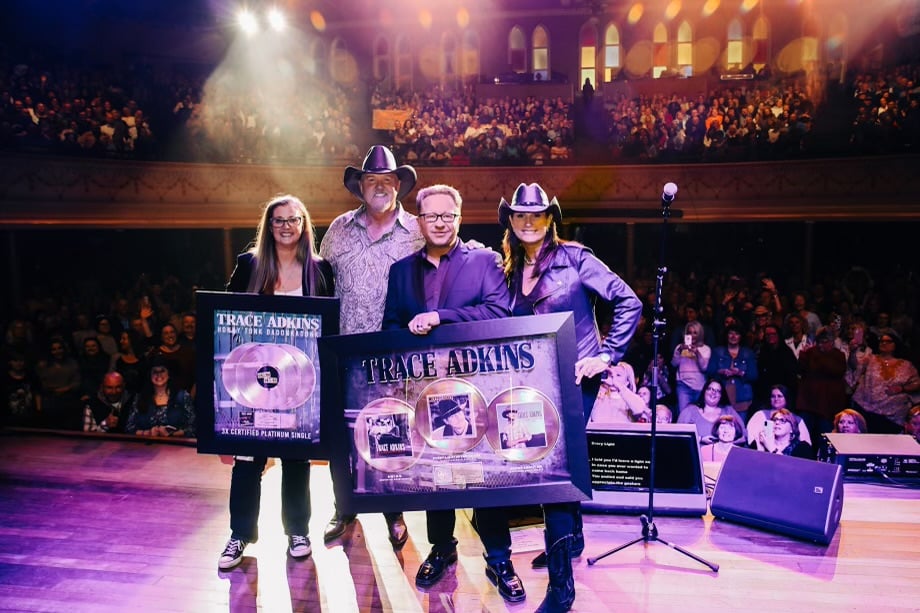
Photo: Courtesy of Carlson
Eventually, I decided to go to grad school at Mizzou for journalism. I thought maybe I could write about music. While there, I did alternative radio in Columbia and earned my degree. That’s when I finally realized: this could really be a career. And maybe, just maybe, I could get my parents to stop worrying.
What came next after grad school?
I had a real crossroads moment, like something out of a movie. I was the first in my family to go to college, so there was pressure to do something “important.” I had a radio offer in North Carolina, but then this random opportunity came up at a company called Spinner.com in San Francisco. I had no idea what it really was, but I said yes.
This was 1999, and Spinner was doing streaming radio—way ahead of its time. The day I started, AOL acquired us, and we became AOL Music. Three years later, a friend from Missouri radio called and said, “I just took a job I don’t totally understand, but you get digital. Come work at Apple. We’re launching something called iTunes.”
So I joined right after iTunes launched. Steve Jobs was still very involved. My path into the industry was unconventional—especially by Nashville standards—but it was rooted in digital from the start. At Apple, I eventually became head of editorial and programming for the U.S., working on things like Single of the Week and programming the front page of the iTunes Store.
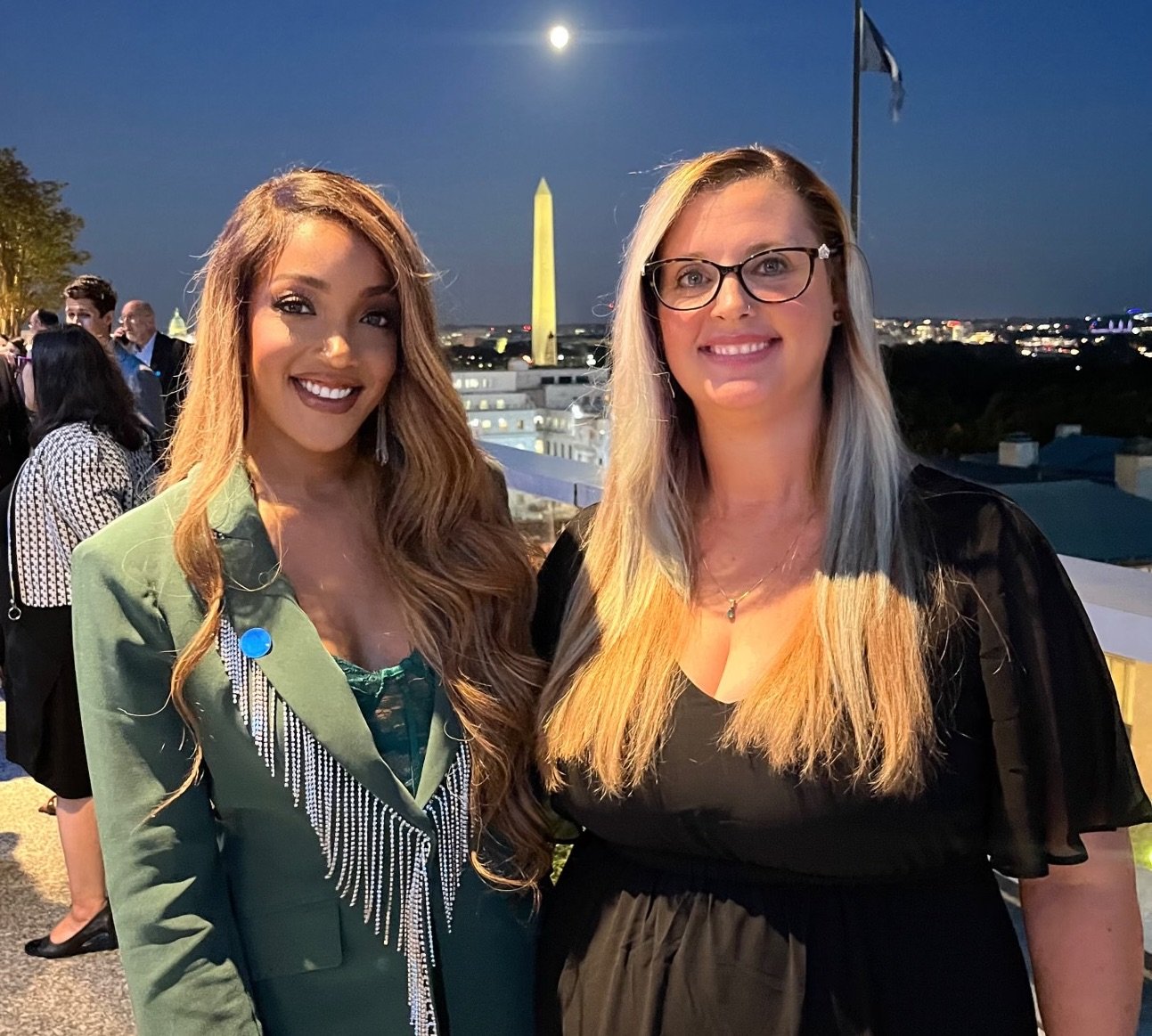
Photo: Courtesy of Carlson
Tell me about being on the cutting edge of that kind of technology.
At Spinner, I earned two totally useless—but fun—patents for software we built to make online radio behave more like traditional radio. I’d sit with engineers and say things like, “I want to play Pearl Jam twice as often as Bush,” and we’d figure it out. I wasn’t technical, but I could speak both languages—music and tech—which became a theme in my career.
That translator role continued at Apple. I loved bridging the gap between what the code could do and what music fans actually wanted. It was also my first real exposure to country music. I came in as the rock/alternative programmer, but we had a small team, so I took on country too.
At the time, country wasn’t performing well digitally. The audience was slower to adopt, so we spent a lot of time in Nashville. I remember seeing Taylor Swift play in a front room at Big Machine when she was 14 or 15. We were blown away. She became the first country artist we featured as our Single of the Week, which changed everything. For iTunes. For country. And honestly, for me.
What was next?
Eventually, labels started calling. There weren’t many digital people then, so we basically became the recruiting pool for the industry. I always swore I’d never work at a label or move to New York—and then I did both. I joined Republic and Motown, which were one combined group at the time.
We launched a joint venture with Scott Borchetta called Republic South and brought Taylor over. That was a full-circle moment; seeing her go from that first showcase to now being part of the team marketing her music.
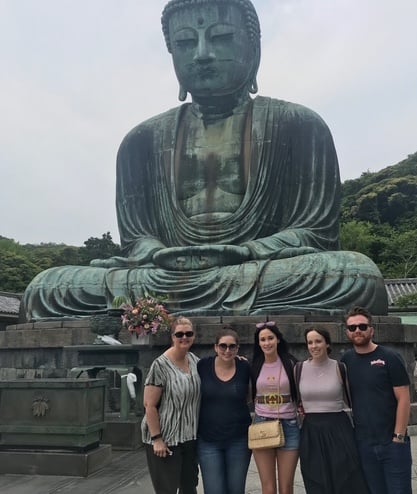
Photo: Courtesy of Carlson
When I started, I literally looked up the word “marketing” in the dictionary. I had no clue what it really meant, but realized I’d been doing it all along. My path—from political science to radio to digital—gave me a unique perspective. I helped shape campaign strategies and pitch Single of the Week placements. We launched the first countdown campaign with Lil Wayne and worked closely with Birdman and Nicki Minaj on download numbers. It was a totally different world.
That’s wild.
It was. I had this unexpected access to Doug Morris, who was running Universal at the time. He was fascinated—and frustrated—by iTunes, and suddenly I was the person he wanted to talk to because I’d worked there. Even though he had Steve Jobs on speed dial! I once took Steve to a concert, but I wasn’t close to him. Still, I became the stand-in for all of Doug’s digital questions.
It was a pivotal moment in the industry—right between the old model and the new one. Amy Winehouse was the Single of the Week during my last week at iTunes, and the first project I worked on at Republic. I took her to Lollapalooza for DSP interviews right before the iPhone launched. iTunes had just become the biggest music retailer, and the labels were not happy. They hated the 99-cent download and $9.99 album model.
I thought I could help fix it from the inside—that I could show labels digital wasn’t the enemy. But wow, I was in for a lesson. It turned out to be the worst job for me personally, but the best education I could’ve gotten. I’m not a label person. It felt like it was about shareholders more than music or artists. But I learned so much. Labels really do shape how the industry works. I came from a world where we didn’t even have the DMCA yet—at Spinner, we were helping shape digital from scratch.
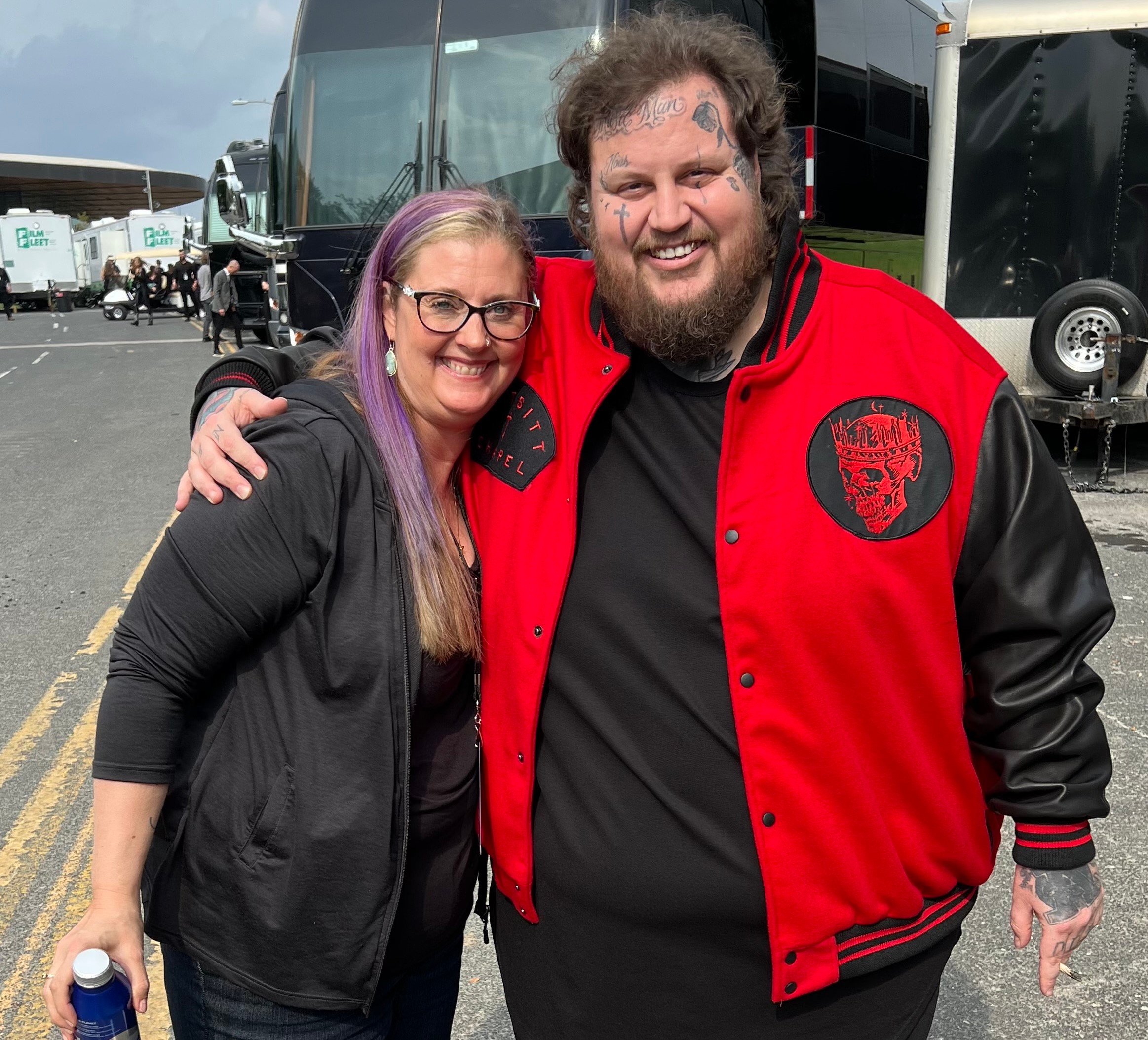
Photo: Courtesy of Carlson
What was next?
I always knew New York and the label were short-term for me. In my second or third year there, a dear friend—Michael Deputato—insisted I apply for Leadership Nashville. He said they liked having someone from out of town. I’d already bought a house in Nashville after leaving San Francisco, so I applied.
Leadership Nashville changed everything. I fell in love with the city and suddenly had a real network. Back then, around 2010, Nashville was still very insular. Everyone complains now about outsiders, but it really was a bubble.
How did you get in?
One of my classmates mentioned a job opening with Gary Borman, a forward-thinking manager who wanted to bring digital in-house. That wasn’t common yet,most artists didn’t have internal digital teams. He hired me, and I built a team focused on social media and digital strategy. Keith Urban was the first artist we supported. Gary also managed Lady A and Alison Krauss.
It was a chance to apply everything I’d learned from labels, DSPs and strategy to artist development. But it was a small company, and I missed working across more projects. Thankfully, the Leadership Nashville network helped. I wasn’t starting from scratch.
Still, I had to figure out how to fit in. I talked too fast, swore too much—I felt like a loud digital person in a quiet town. So I started a group with Amanda Cates, Dawn Gates and Jennie Smythe called Digital Divas. It began as a vent session, but turned into a mentoring group that helped bring more women into digital roles and pushed teams here to take digital seriously.

Photo: Courtesy of Carlson
How did mtheory come into the picture?
Gary’s company showed me I wanted to stay in management, but I wanted a broader scope. I reconnected with someone who’d worked for me at Universal, now at mtheory. They were thinking of expanding into Nashville but knew they couldn’t just “move in.” I told them, “I won’t come work for you. But if I can build it and own it, I’m in.” They trusted me.
So in January 2017, I launched mtheory’s Nashville office. The company had started during the rise of 360 deals, when labels were taking a cut of everything but not offering the support to manage it. Managers needed help—they just didn’t always know it.
I wasn’t sure if Nashville would go for it. But two people stepped up early: Marion Kraft brought me in to help with Miranda Lambert’s digital strategy, and Greg Baker had just started managing Trace Adkins. Trace wanted to scale back touring and earn more. When I looked at the digital side, it needed a lot of cleanup, and that’s what kicked things off.

Photo: Courtesy of Carlson
Tell me about the early days.
Miranda and Trace were our first clients, and I knew my first hire had to be Kaitlyn Moore. I’d hired her to run Keith Urban’s social when I first got to Nashville, and she’s still with me. Then Michael Corcoran joined. He’d been day-to-day for Alison Krauss. So it was me, Kaitlyn and Michael, figuring it out together.
Everything changed when Jason Owen called about working on Golden Hour for Kacey Musgraves. Kacey wanted to play Coachella and tour in Japan—things that weren’t typical for country at the time. We jumped in to help. Kacey is so globally and digitally minded—collaborating with Apple, Spotify in the UK, YouTube in Japan. That campaign was new territory for country, and it really opened doors for us. I didn’t come from the traditional Nashville mold, and I wanted to think bigger. That project proved we could.
Where does that bring you today?
In 2022, we sold part of the company to UMG. All of my partners went with that deal—except me. I stayed. I wasn’t interested in going back to a label. By then, we were working with Trace, Jelly Roll and Tyler Childers. Those three artists are central to our lives and our work, and staying independent let us continue that.
Now, I’m running mtheory independently. We still have offices in New York and LA, one person in New Orleans, but most of our 30 employees are in Nashville. That’s wild for a company that started in New York.
What’s your favorite part of the job now?
There’s a lot, but at the core, I just love helping artists. I really believe I have the best job in the world, helping people make their dreams come true. What could be better?
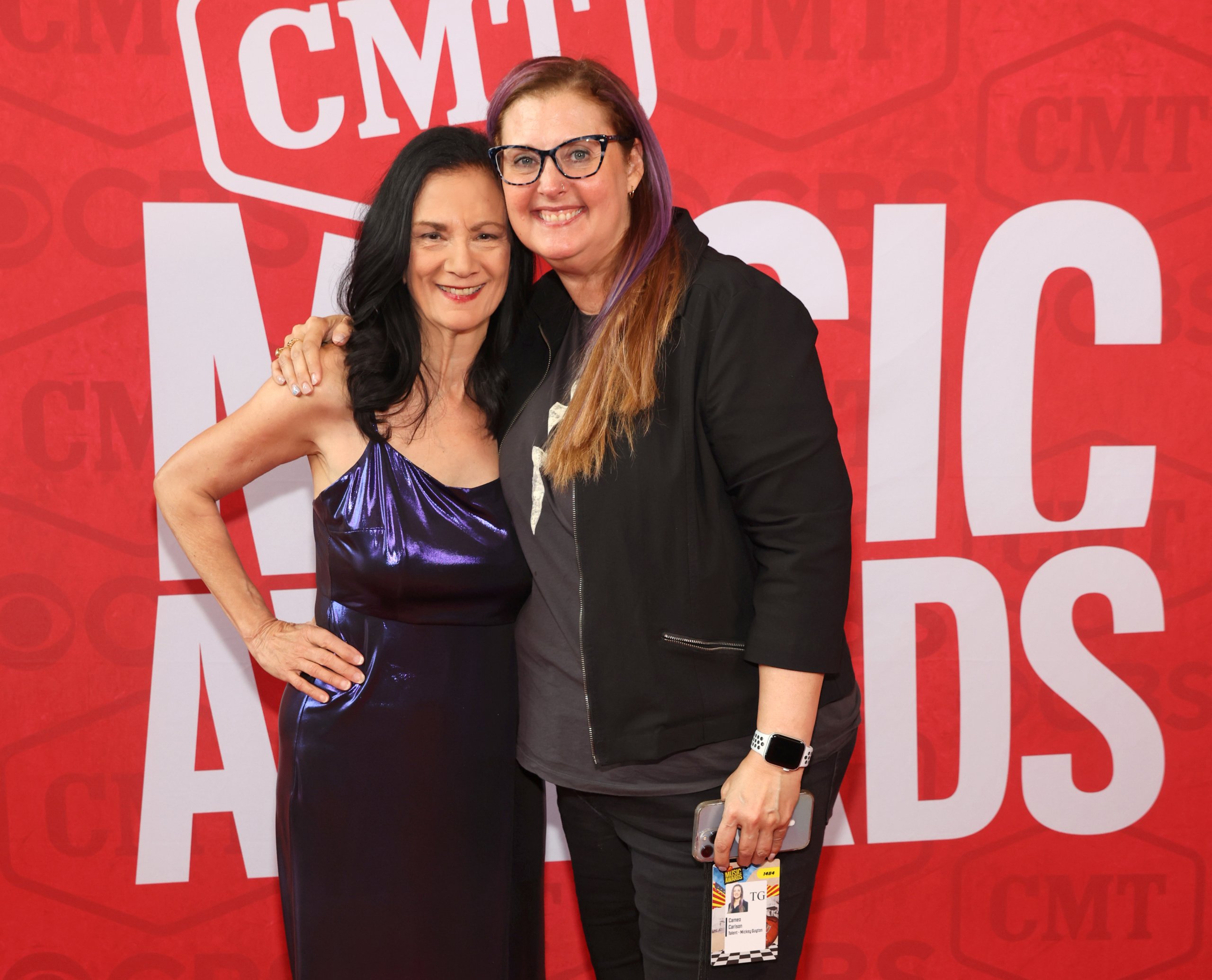
Photo: Courtesy of Carlson
In the last few years, I’ve also had the chance to shape our company culture in a way that reflects who I am. Our Equal Access program has been a huge part of that. I love country music for its storytelling, but for a long time, it’s been the same story. There are other stories that need to be told. Equal Access has given me so much life. It’s not just about artists—we’re focused on infrastructure. There hasn’t been a real path for artists outside the mainstream mold, especially when it comes to managers. This program is about building careers, not just songs.
I’ve worked with Mickey Guyton for years, off and on. When more artists of color started getting signed, she’d call and say, “Do you know any managers? Because no one on their teams looks like them.” That was a big reason we launched Equal Access. We don’t typically manage artists directly—we support managers—but Mickey’s an exception. What started as a temporary favor turned into a real partnership. I’m in China with her, which was definitely not the plan—but it’s been incredible.
Who have been your mentors?
I never had a female boss. I had one lower-level manager who was a woman, but that’s it. That’s part of why I care so much about mentoring now. Back then, I didn’t even know how to ask for it.
Outside of Nashville, Mel Lewinter at Universal taught me a lot about navigating label politics. In Nashville, Mike Dungan was a huge supporter when I was new. He helped me understand country and made me feel welcome. And honestly, my business partners at mtheory—John, JT, and Nat—taught me so much. I felt like I won the business lottery. They trusted that Nashville would need a different model and let me figure it out.
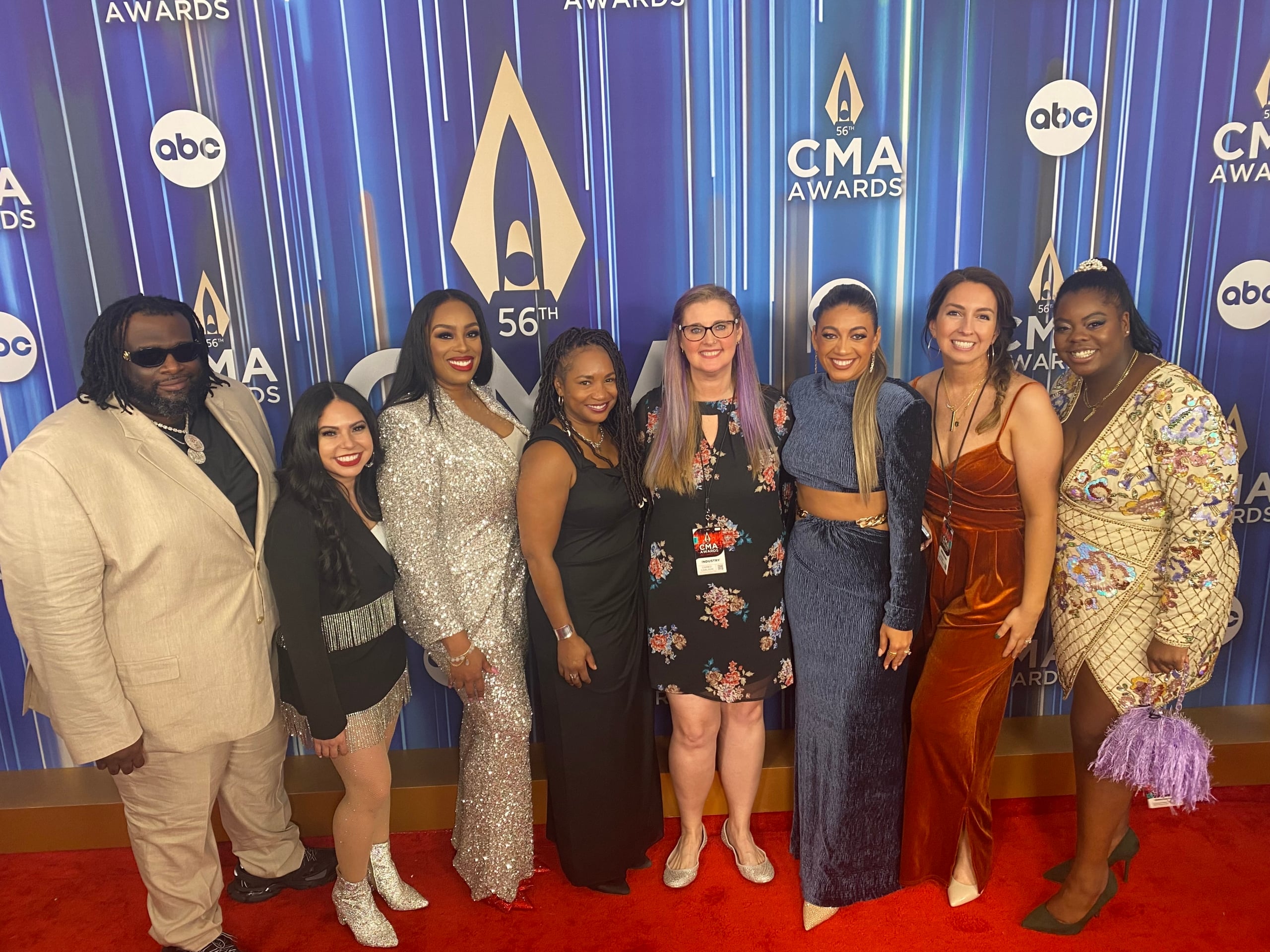
Photo: Courtesy of Carlson
More recently, I joined BrainTrust, a group of female entrepreneurs led by Sherry Deutschmann. None of them are in music, and it’s been game-changing to learn from women outside the industry.
What moment would your younger self think is the absolute coolest?
So many. I’ve done amazing things. I’ve attended Super Bowls, NBA All-Star Games and so many other things all because artists were involved. But honestly, it was the first time I stood on the side of a stage at an outdoor amphitheater.
It was Sandstone in Kansas City, and the band was Live. This was ’96 or ’97, and they were huge. The radio station I worked for was a sponsor, so we got to watch from the side of the stage. The crowd was packed, and when they started their biggest hit, the energy from the audience was unbelievable.
I’ll never forget it. That moment would’ve blown the mind of the kid sitting in the lawn seats as far away as possible, just hoping to go to a show at all.
- MusicRow Weekly (News, Charts, More…) - October 2, 2026
- Johnny Mike Walker Joins Country Music Hall of Fame And Museum Circle Guard - September 28, 2026
- Braxton Keith Reflects On Breakout Success, Announces 2027 Tour Dates [Q&A] - September 22, 2026