
My Music Row Story: SongwritingWith:Soldiers’ Jay Clementi
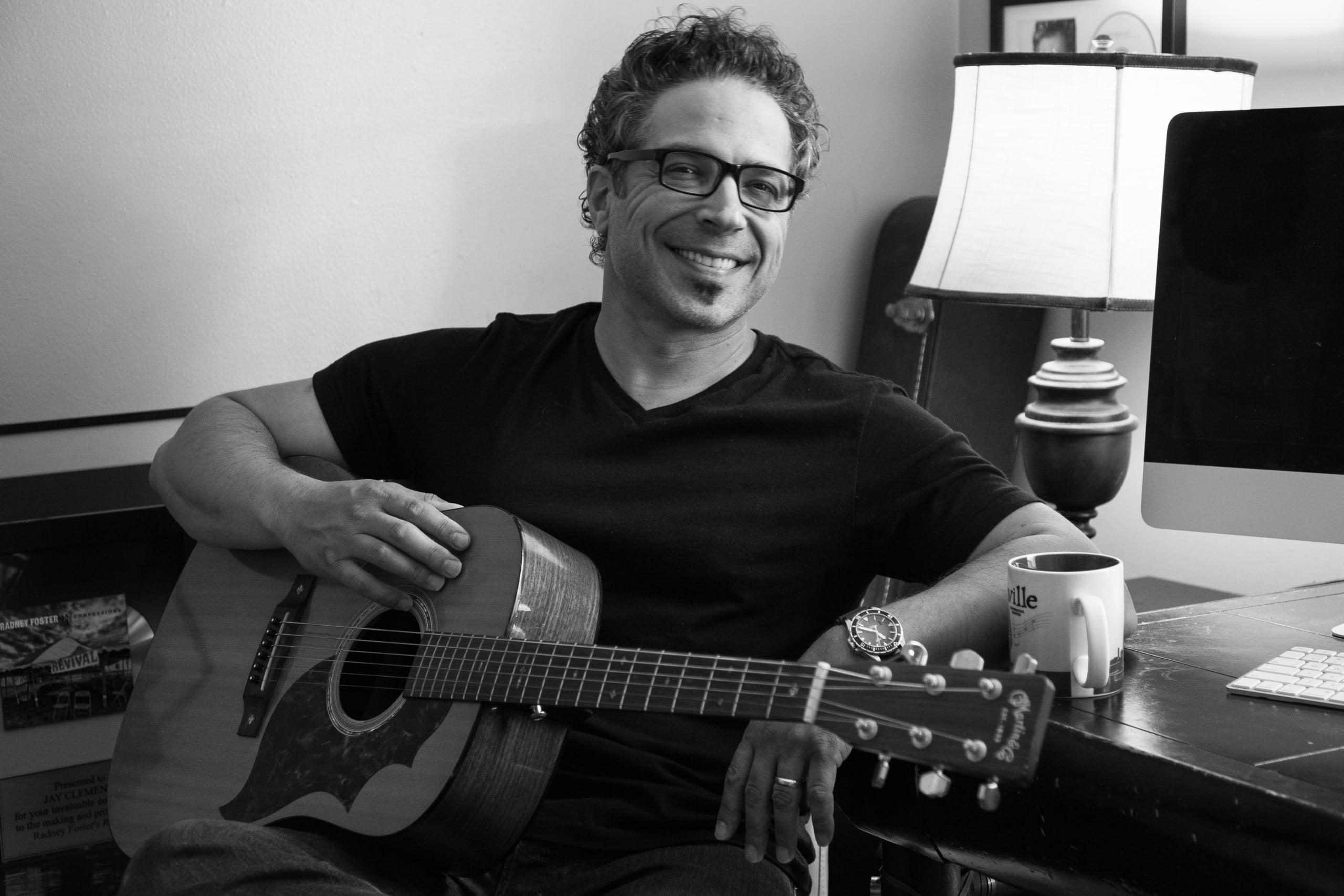
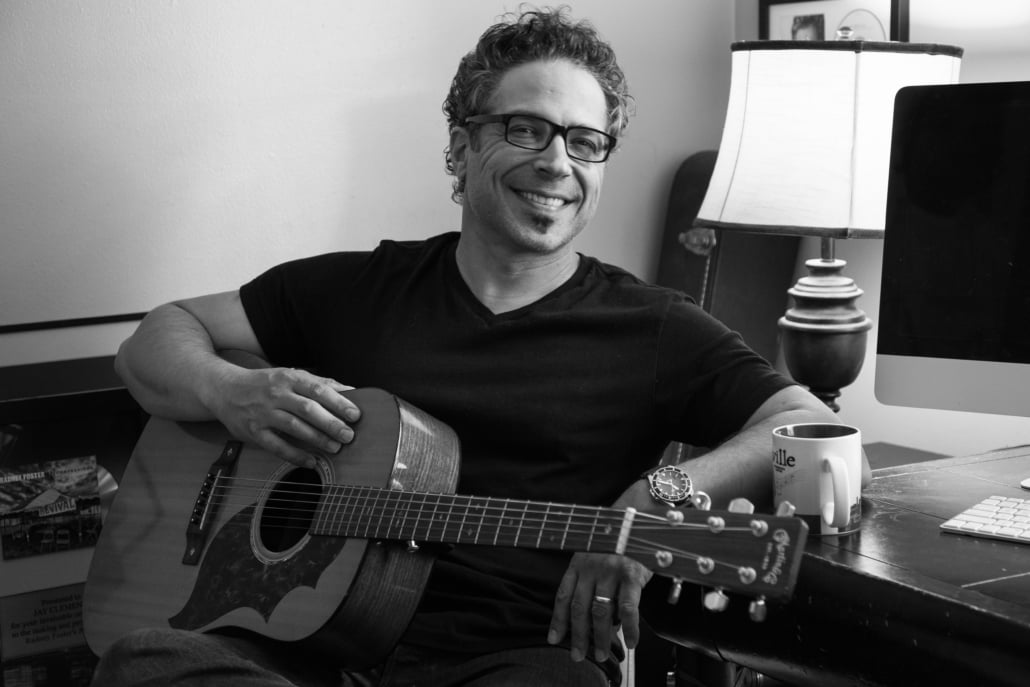
Jay Clementi. Photo: Courtesy of Clementi
Jay Clementi moved to Nashville to pursue music, where he developed a close songwriting partnership and friendship with acclaimed artist and songwriter Radney Foster. His songs and vocals have appeared on five of Foster’s albums, and the two also performed harmonies on Willie Nelson’s Grammy-nominated album The Songs of Cindy Walker. Jay previously fronted The Lucky Bucks, who signed with Warner Bros. Records and released a project produced by Paul Worley in 2006.
He spent 17 years as a staff songwriter and producer in Nashville, first with Warner Chappell and later with Sony/ATV. During that time, he built a successful songwriting relationship with Luke Bryan, co-writing numerous songs recorded by the artist, including the 2017 Billboard No. 1 hit “Move.” His songs have also been recorded by Dierks Bentley, Sara Evans, Martina McBride, Darius Rucker, Sunny Sweeney, The Josh Abbott Band and Suzy Bogguss, among others. He also co-wrote “Crazy Tonight” with Kacey Musgraves, which was featured on the television series Nashville.
Since 2012, Clementi has been involved with SongwritingWith:Soldiers, an organization that pairs professional songwriters with veterans and their families. Now serving as Music Director, he has helped write songs alongside nearly 1,000 veterans and family members.
MusicRow: Where did you grow up?
I grew up in Arvada, Colorado.
Were you into music as a child?
My family would get together on holidays and play music. My dad played in a couple of bands, and he taught me how to play and sing. I started singing with him early on, and we would sing two-part harmonies on Everly Brothers and Ray Price songs.
When he played local bars or VFW halls, he would call my mom and ask her to get me out of bed and bring me down to sing a few songs.
What instruments did you play with him?
I started gravitating toward guitar in high school. There were already a lot of great guitar players in my family, so I let them handle that for a while. Sports were my main focus early on because I wanted a football scholarship. I earned one to the University of Northern Colorado, where I played my whole college career and graduated.
While I was in college, I also started a country band. We played throughout the region and down in Denver, won a few battle-of-the-bands competitions, and landed some opening slots. I got to play football and be in a band that was working all over the area. It was a really fun time.
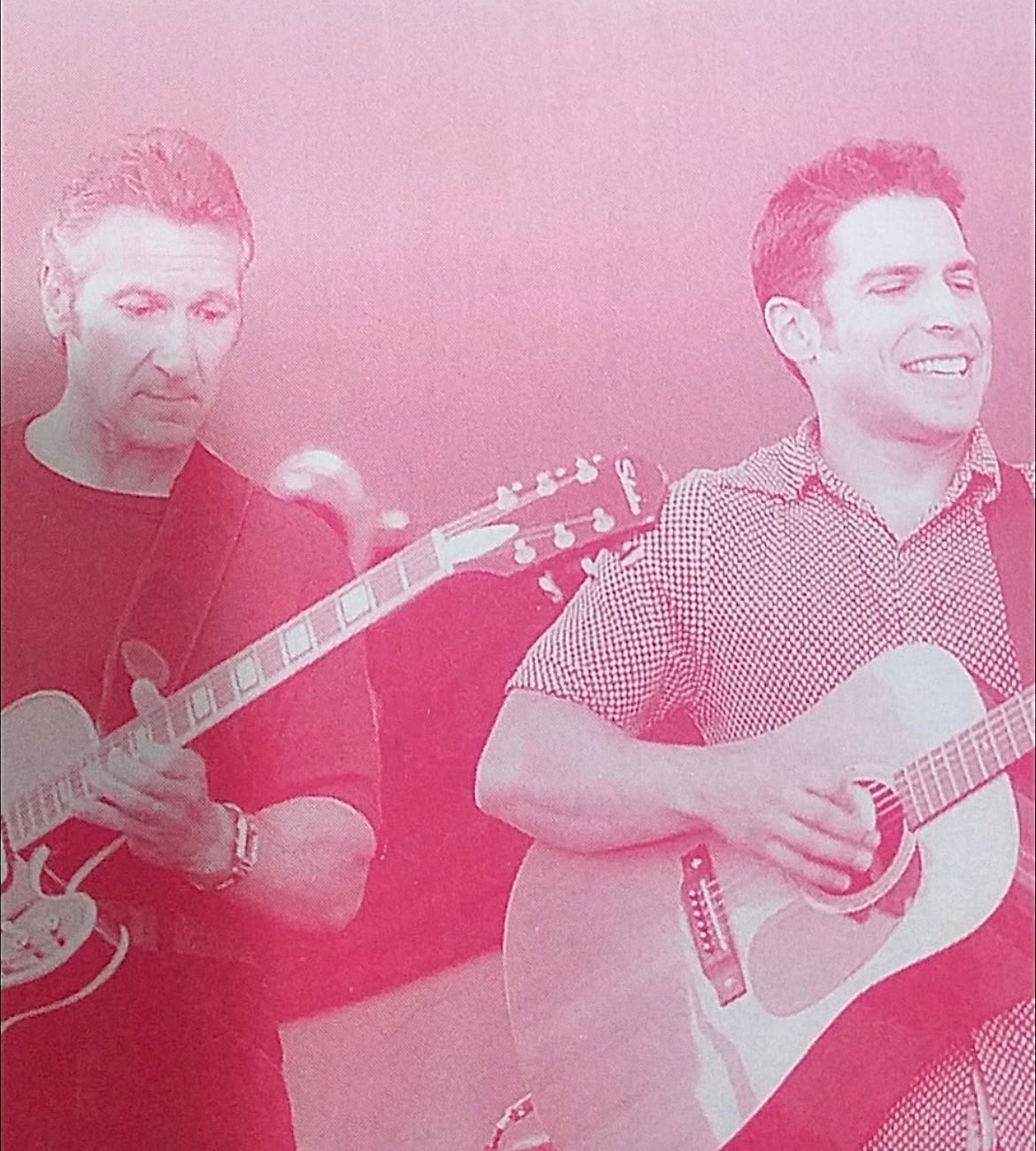
Photo: Courtesy of Clementi
You really had the best of both worlds. A lot of people focus on one or the other in college.
It was a great community for a country band in the early ’90s. We would finish a game, and I’d be sore and limping onto the stage. My cousins were involved, and my dad even played in the band. We had some amazing musicians, including steel and fiddle players. That’s where I really cut my teeth as a performer and started feeling the pull to move to Nashville.
Did you start songwriting in college, or had you been writing since you were younger?
I was always drawn to stories and songs. My dad wrote songs when I was young, and I remember watching him work on them. Some of his songs helped him work through trauma in his life. Looking back, I think that had a deep impact on me and informed what I do today.
He would share a new song with our family, and I remember feeling the emotion in those moments. I was also interested in the English language and writing in high school. I started writing songs in college and trying them out at places like The Gambler and the Grizzly Rose.
I was too young to play the Grizzly Rose on a regular night with my band, so we played Family Night. The place was packed, and I think you could get in if you were 16 or older. It was a true honky-tonk and a great place to try songs and develop as a performer.
Did you move directly to Nashville after college?
Not right away. I’m an avid fly fisherman, and I’ve been fly fishing since I was a kid. My first job was tying flies for some of my dad’s friends when I was eight or nine.
In 1995, I moved to Cooke City, Montana for the summer. A friend was getting ready to start a guide service and a small fly shop, and I wanted to spend some time fly fishing. I also picked up a little gig at one of the local grills.
It was important to be on my own, holding a crowd with just me and a guitar, trying new songs and writing while I was in Montana. When I got home, I returned to playing with the band.
Cathy Gurley, who was Garth Brooks’ publicist, saw us playing on a big stage and pulled me aside. She told me I should think about moving to Nashville. She passed away this year, but she was instrumenal in my career.
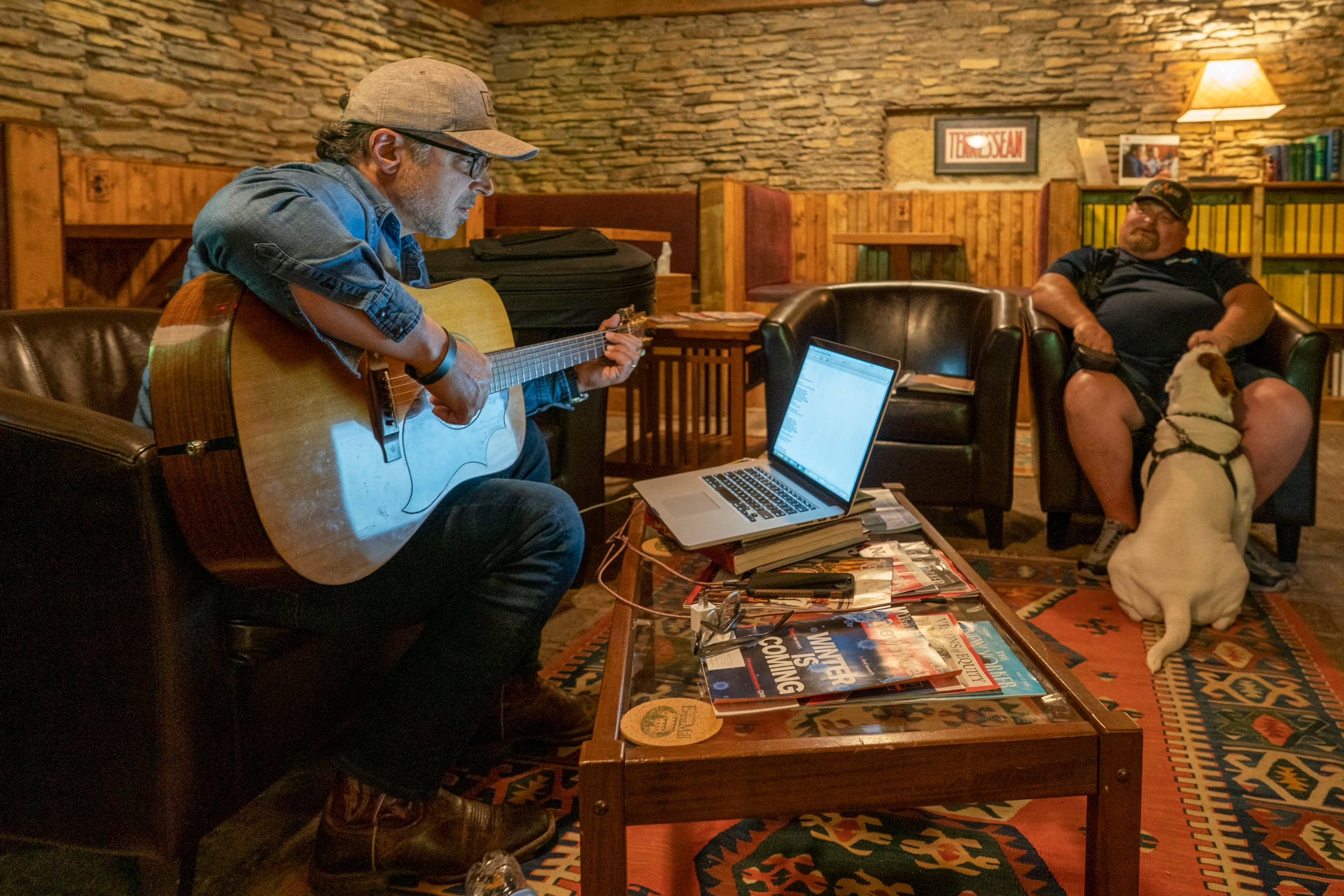
Photo: Courtesy of Clementi
How did you make the move to Nashville?
My wife Heather and I packed up a U-Haul and moved to Nashville to see what we could make happen. I started immersing myself in the songwriting community and trying to learn as much as I could.
Cathy introduced me to Radney Foster, who has been like a big brother to me and one of the most pivotal people in my musical career. I loved his music in college and played a lot of his songs with my band. When we met, I learned he was just getting into fly fishing. He became my songwriting mentor, and I became his fly fishing mentor.
We’ve written well over 100 songs together. Radney introduced me to other songwriters and artists, and he believed in me early on. He valued my opinions and encouraged my creativity, which gave me confidence. We’ve written songs that appeared on his records and on other artists’ projects, and I’m proud of what we’ve done together.
What was the journey like when you first arrived in Nashville and started working toward your first cuts?
At first, I was intimidated by writers’ rounds. I’d go into a room and hear all these incredible songwriters and wonder how I could ever measure up. But I kept showing up, kept learning, and kept writing with people who were better than me.
Word got around that I was a serious fly fisherman, and I ended up running a fly fishing shop in Nashville while pursuing music. I did that for quite a few years. I was also an Orvis-endorsed guide and served as president of Trout Unlimited in Nashville. It allowed me to make a living while I worked toward a record deal and more songwriting cuts.
I started getting cuts with Radney and appeared on a couple of his records. Then he introduced me to two talented brothers, Matt and Andy Thompson. We formed a band called The Lucky Bucks and began writing and recording at their home studio. They were incredible musicians and harmony singers, and the three of us developed our own sound.
We shopped the band around and received two major-label offers. In 2006, we signed with Warner Bros. through Paul Worley, Bill Bennett and Tracy Gershon. That was when I left the fly fishing business and moved into music full-time.
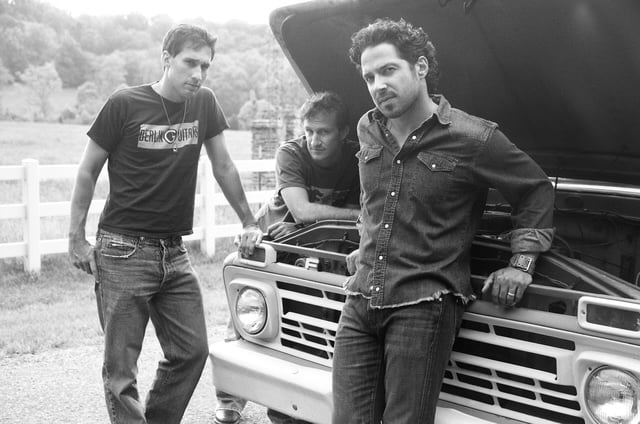
Photo: Courtesy of Clementi
What happened with The Lucky Bucks?
We made a record with Paul and were ready to launch it. We opened for Dierks Bentley and Eric Church at Red Rocks, and it felt like we were ready to take on the world. The deal opened doors, and we got to play with some great artists.
We also opened some shows for Luke Bryan early in his career. We had the same booking agent, Jay Williams, who told me I needed to meet Luke because he thought we’d become friends. We bonded right away over music and fishing. Luke was a Southern river guy, and I was a Western river guy, but we had a lot in common. We also had some parallel experiences with tragedy in our lives. We started writing songs and fishing together. We shared so much life together over the past 20 years!
Some of my favorite memories were on some of those western tour runs with him on his meteoric rise to becoming a superstar. There were weeks we would wake up in a different state every morning, roll off the bus and have a guide, a truck or a buddy waiting for us at every stop to take us fly fishing! We fly fished some of the greatest rivers in America before he had to play the giant stages at night. Management eventually made us slow down so we wouldn’t wear him out, and it was probably a good idea because we were pushing it to the limits. Our wives and kids became friends, too. His friendship has been an incredible blessing to me and my family.
In 2008, the market changed. The people who had signed us left Warner Bros., a new team came in, and several acts were dropped. The Lucky Bucks was one of them, so we had to figure out what came next.
That was when Alicia Pruitt at Warner Chappell encouraged me to focus on songwriting and set the artist side aside for a while. She believed we could gain traction if I concentrated on writing. I started writing every day as a full-time staff writer, and Alicia was instrumental in building relationships and helping me get more cuts. I never really returned to chasing an artist career, but I was happy writing and playing writers’ rounds.
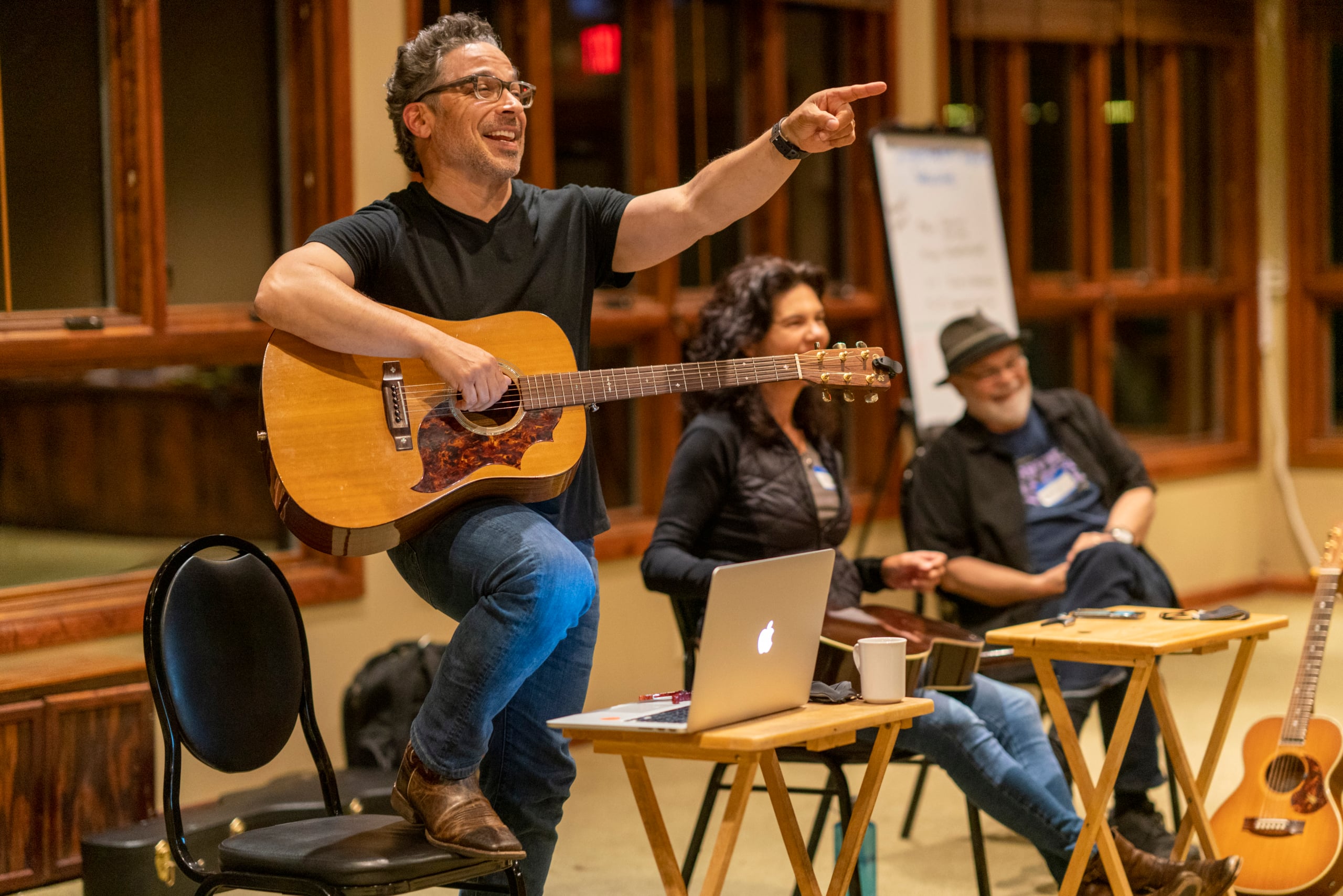
Photo: Courtesy of Clementi
What were some of your early cuts that made you feel like you were gaining traction as a songwriter?
Getting songs on Radney’s records was meaningful because I’d been such a fan of his. Then I started getting cuts with Martina McBride, and we wrote with Darius Rucker and got a cut with him.
Radney and I wrote “Sweet and Wild,” which Dierks Bentley included on his greatest-hits record. Radney had recorded it first, and then Dierks cut it.
I also wrote with Josh Abbott and had songs on several of his records. I wrote “When You Love A Sinner” with Kacey Musgraves and my friend Chip Boyd, and Martina McBride recorded it. Radney released a record called Revival, and we wrote the title track together. He makes such great records that other artists often hear the songs and end up recording them. That’s what happened when Sara Evans heard “Revival.”
How did you become involved with SongwritingWith:Soldiers?
Radney introduced me to Darden Smith, who co-founded SongwritingWith:Soldiers. When Darden was planning an early retreat with veterans and asked Radney who might be a good fit, Radney suggested me. The first retreat took place in 2011, before the organization officially became SongwritingWith:Soldiers in 2012.
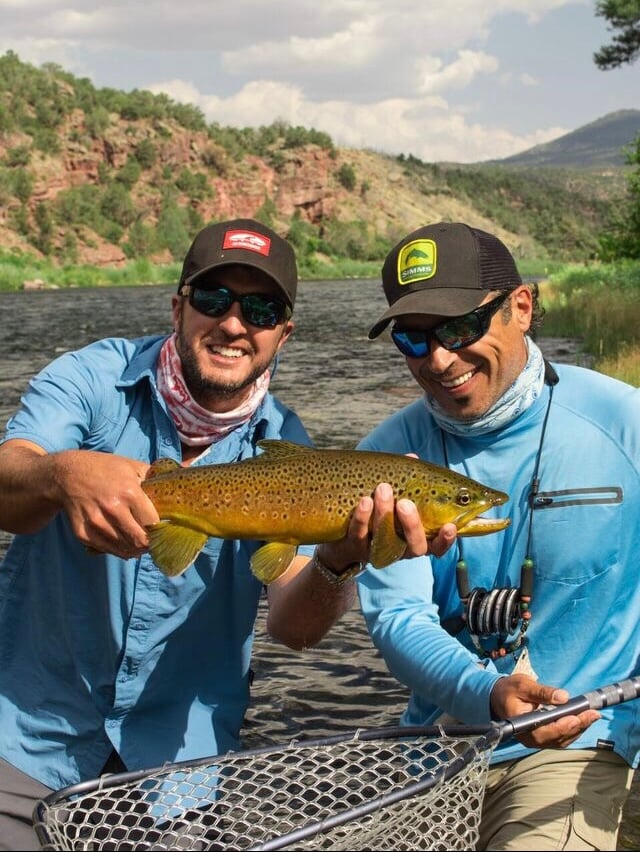
Photo: Courtesy of Clementi
What was the first retreat like?
That first retreat was near Vail. At the time, it was more like an arts project organized by the co-founders. Veterans came together to write songs, and the program also included meditation, journaling, and positive psychology exercises to prepare them for the writing sessions. That’s still part of what we do today.
I’ll never forget that first morning, when we broke into groups and each songwriter sat down with a veteran. The experience moved me in a way very few things in my life have. It felt almost spiritual.
At lunch, Radney, Darden, and I could barely talk. We looked at each other with tears in our eyes because we couldn’t believe what had just happened. We felt so blessed to be there and to write with these incredibly brave men and women.
The retreat was transformative. The people involved knew they needed to keep doing it, and Mary Judd, one of the co-founders, helped expand the program with more retreats. In the beginning, my role was simply as one of the songwriters.
The organization officially took the name SongwritingWith:Soldiers in 2012. It continued to grow, adding more two-and-a-half-day retreats for veterans and their families, and eventually first responders. As I worked as a staff writer for Warner Chappell and later Sony, the program kept expanding. We also helped develop partner programs that now include first responders, where we provide specially trained songwriters to lead sessions. Today, we provide songwriters for about 170 partner program sessions a year.
And how did you get into your current role with the organization?
In 2020, I was asked to become Music Director. At first, I balanced that role with my full-time songwriting career. As the organization grew and we reached more veterans, families, and first responders, I gradually shifted to doing SongwritingWith:Soldiers more full-time and writing for the mainstream market on the side.
The work is incredibly rewarding. I love bringing in songwriter friends whose artistry I respect and finding the right people for these sessions. Their credentials and accomplishments matter, but what matters most is their heart and how they interact with the veterans. We have an amazing group of writers who have really leaned into this work.
The songwriters have to be able to help someone tell a personal story and write a song in about two and a half hours. Then we record it and perform it at a concert shortly afterward. There is a lot happening in a short amount of time, but these writers approach it with so much care.
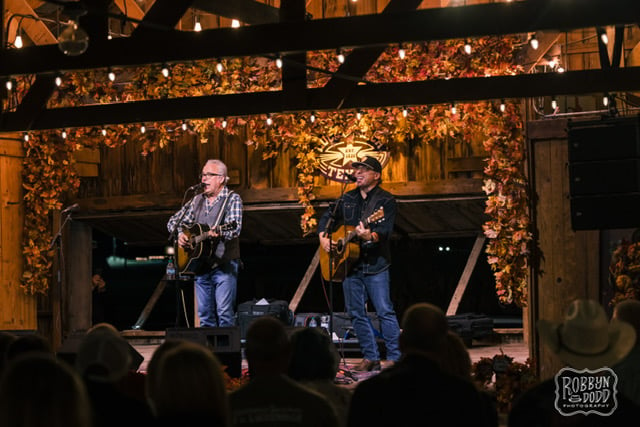
Photo: Courtesy of Clementi
What does your role as Music Director involve?
I schedule the writers for the sessions. We now have close to 190 sessions a year. I also train writers in our culture, do outreach, take part in concerts, and work with donors. There are a lot of moving parts, and we have an incredible team, including Program Directors, a President, Kristin Starling, and people focused on fundraising and other areas.
More recently, I’ve been leading a new music initiative. We have written more than 2,000 songs through the program, and we record every song at the retreats with a professional sound engineer. We call those recordings “field recordings.” They’re well recorded, but they’re acoustic and made very soon after the song is written. We often describe it as a song taking its first breath.
For years, we kept the recordings on a Bandcamp page mainly for the participants and their families. Eventually, we decided to release selected songs more widely because we believe these stories can help people and remind them they aren’t alone. We secured funding for the initiative and began releasing songs on streaming platforms under the songwriter-artists who wrote them with the participants.
We started with releasing songs with Will Kimbrough, followed by Trent Willmon, and Erin Enderlin. Each release includes the story behind the song, with videos and interviews with the participants. It’s a powerful way to share what SongwritingWith:Soldiers does while making these stories available to a wider audience.
What’s in the pipeline for SongwritingWith:Soldiers?
We’re very excited about the album coming out this year. It’s called The Power of Being Heard. It’s 15 amazing songs and amplifies the voices of 23 Veterans through music written and performed alongside hit songwriter. It just came out Nov. 6 and I hope everyone takes some time to check it out.
We had a collaborative A&R process, with people in our community, including board members, listening to the songs and helping select them. It has been wonderful to have artists lend their talent to these stories. Erin Enderlin recorded a song with Randy Houser that she wrote with a veteran couple, and it’s an incredible piece.
I produced 12 of the tracks. Will Kimbrough and Danny Myrick also did some great tracks and our sound engineer, Greg Strizek, did a tremendous amount of work on the album. We were able to bring the selected songs into great studios and record them with incredible musicians, giving them the treatment they deserve. At the retreats, the songs are often recorded just minutes after they’re written. They haven’t had much time to marinate, and that’s part of the beauty of the process.
There’s a lot of electricity when we perform those songs at the concerts. Sometimes it feels as if the song is playing you, rather than the other way around. We’ve just written it hours earlier, and then we get to watch the participants hear their stories in the lyrics and see their peers respond. It’s been a blessing in my life. This work checks all the boxes for me as a songwriter and artist, and I’m grateful to bring my friends into the program.
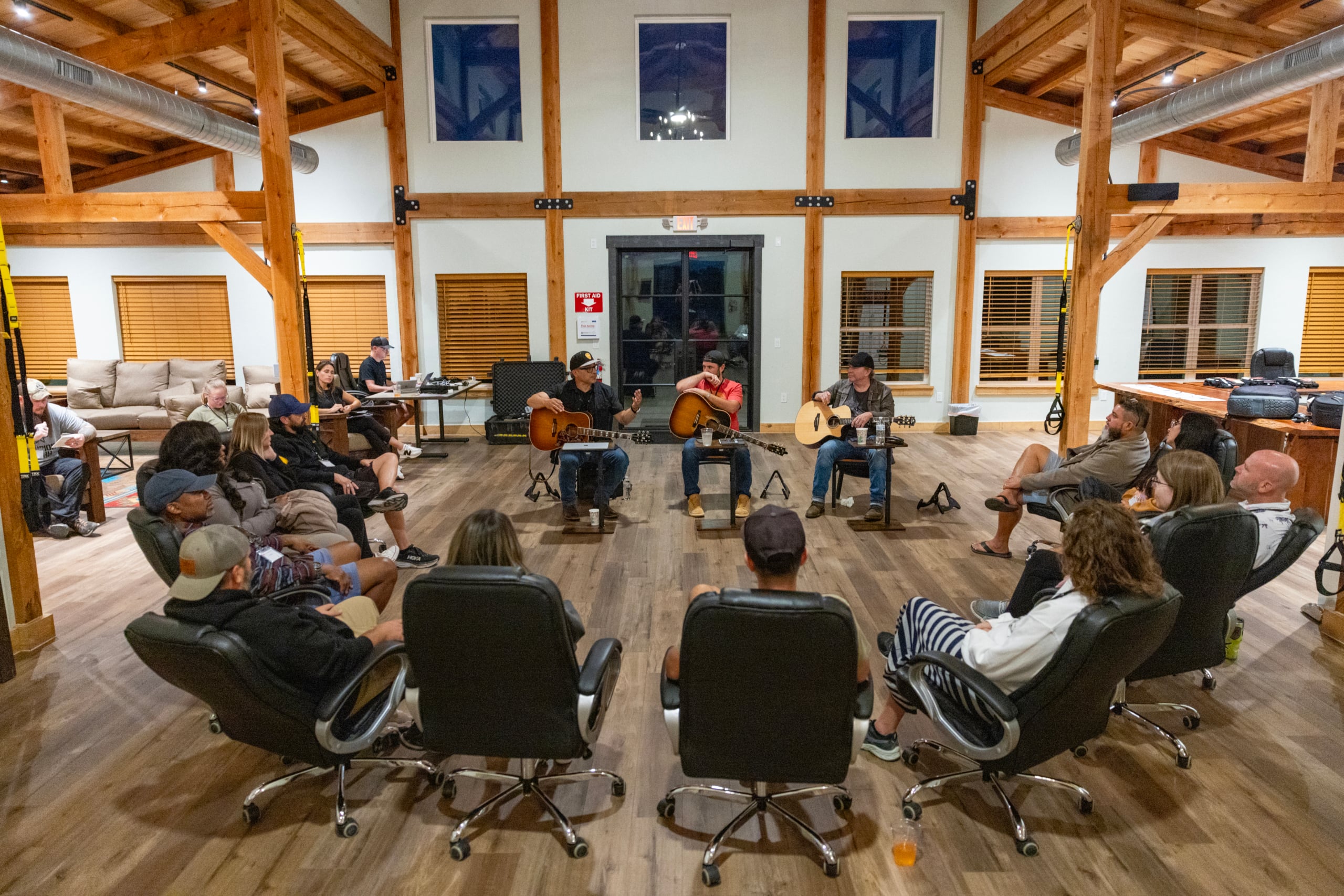
Photo: Courtesy of Clementi
How do veterans get connected with the program? Do they sign up?
Our program director, Jordan Hay, manages that process. People can reach out through our website, and she interviews them and talks with them. We have a waiting list. We also work with partner programs that connect veterans with us and bring us into their communities. Those relationships give veterans several ways to find us.
What’s one of the best pieces of advice you’ve received?
Treat people the way you want to be treated and listen to your heart. I’ve had some wonderful people believe in me, from my grandpa and dad to Radney and Luke, along with so many others. I try to approach life with that mindset, keep a glass-half-full attitude, and pay it forward.
What’s a moment your younger self would be most proud of?
As a kid, I loved fly fishing. I was fascinated by big fish, so it’s been amazing to travel around the country and parts of the world to fish. I’ve gone to Brazil with Luke to chase peacock bass and traveled all over to fish for big trout. My younger self would have thought, “Holy cow, you get to do these things.”
As I got older, I also became a fan of so many artists I’ve been fortunate enough to work with. Getting to sing on Willie Nelson’s tribute album, You Don’t Know Me: The Songs of Cindy Walker was incredible. I sang on four tracks with Radney, and the record was nominated for a Grammy. Willie’s music had been playing in my house for as long as I can remember, so hearing his voice and harmonizing with him was very special. Playing Red Rocks with my friends and band was another beautiful moment.
But when I look back on my career, I’m most proud and grateful that I get to sit with veterans and help them tell their stories. We can help people who are hurting express some of that pain through a melody and a chord progression. We listen, cry with them, and laugh with them. There’s nothing that compares to that.
I think my younger self would respect that work because the people I admired growing up helped instill those values in me. I’m proud to carry them forward through SongwritingWith:Soldiers. I’ve written nearly 300 songs with veterans and their families, and I’m grateful for every one of them. I never take it lightly that I get to sit down with someone and help tell a piece of their truth.

- My Music Row Story: SongwritingWith:Soldiers’ Jay Clementi - November 11, 2026
- Matt Gorman Signs With By Design Music - November 11, 2026
- Tyler Nance Turns Up The Energy At Exit/In [Recap] - November 10, 2026