

Tenille Townes Finds Freedom On ‘The Acrobat’ [Interview]

Tenille Townes. Photo: Madison Rensing
For Tenille Townes, stepping into independence didn’t begin with clarity, it began with uncertainty. But on the other side of that uncertainty, she’s found something far more meaningful: creative freedom.
With the release of her new album the acrobat, Townes enters a defining new chapter, one marked by vulnerability, self-trust and a return to her artistic core.
“I feel like I’ve reached the liberating side of freedom now,” Townes tells MusicRow. “It’s been a winding journey to get to this feeling.”
After years within the traditional label system, Townes admits the initial transition to independence was disorienting. Writing and recording the acrobat became a form of healing, one that allowed her to quiet outside expectations and rediscover her own voice. “This record was very much a return to my creative autonomy,” she explains.
That return has been met with overwhelming support. A vinyl-first launch aimed at dedicated listeners quickly exceeded expectations, selling out its initial goal within an hour.
The album’s title serves as both metaphor and mission statement. For Townes, the acrobat represents the courage required to step into the unknown, especially when it means breaking long-held patterns.
“It’s about returning to that courage inside yourself and taking that leap again,” she says. “And also putting aside people-pleasing tendencies.” 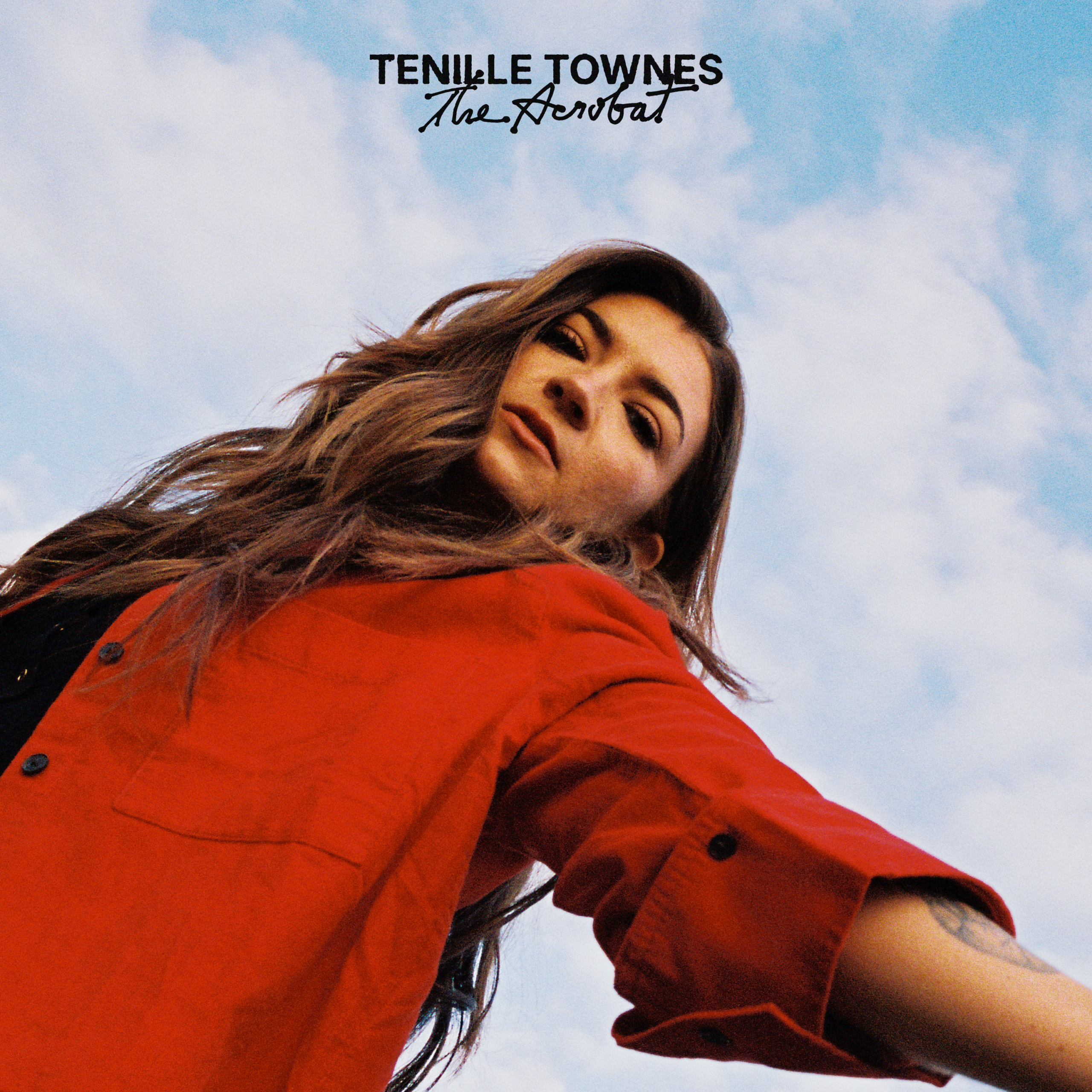
The concept was born from a song she co-wrote with Lori McKenna, one of Townes’ longtime songwriting heroes. Writing from the perspective of a character allowed her enough distance to tell deeper emotional truths, truths that ultimately became the backbone of the entire project.
Townes’ connection with McKenna traces back more than a decade, to her first trip to Nashville. Townes saw McKenna play a round at the Bluebird Cafe, and it left a lasting impression. Years later, that admiration evolved into friendship, mentorship, and eventually collaboration. McKenna not only co-wrote the title track but also lends her voice to it, an addition Townes describes as deeply meaningful.
Townes self-produced the entire album from her home studio, playing instruments and handling the mix herself. The result is intentionally raw and unpolished. Recorded largely on a single microphone, the project leans into its imperfections, creating a live, intimate listening experience.
“All these lead vocals are untuned,” she says. “I just sang it until the emotion felt right.”
The album wasn’t initially intended to be self-produced. What began as simple demo recordings evolved organically into the final product. “I didn’t set out to produce this whole record,” she admits. “But I’m really proud of how it ended up.”
The emotional center of the acrobat lies in its honesty. The song “enabling,” which Townes describes as the starting point for the record, emerged from a deeply personal moment.
“It was really hard to say those things out loud,” she says, recalling a relationship dynamic she recognized in real time. Writing the song allowed her to pause, reflect, and begin untangling those patterns.
From that starting place of turmoil, the album gradually moves toward healing and release. Themes of vulnerability, surrender, and the fleeting nature of time weave throughout the project, from reflections on changing relationships to a poignant song inspired by her great-grandmother’s experience with Alzheimer’s (“she plays the piano”).
Beyond McKenna, Townes also enlisted the folk trio I’m With Her for a collaboration on “grey like Emmylou,” a song inspired in part by Emmylou Harris. The track explores a theme not often addressed in songwriting, the ending of friendships and the evolution of relationships over time.
As the album neared completion, Townes felt something was missing. That missing piece arrived in the form of “we could use a little more,” written in response to the heaviness and division she was seeing in the world.
“I really believe that the love that we’re made of is so much bigger than all of that,” she says. The song became the final addition, and the emotional anchor the project needed.
At its core, the acrobat is about returning to instinct, to truth, and to self. For Townes, making the record was transformative.
“It felt like it helped me find my way back home to myself,” she says. “An I want the record to to help somebody feel a little less alone, that’s always my biggest mission with music.”
And for artists considering their own leap into independence, Townes shared: “Trust yourself. It’s so easy to get caught up in the opinions of others, but all of that has to be secondary to what feels true to your compass.”

- Emily Yahr Releases Book About Taylor Swift’s Country Music Years - October 7, 2026
- Halie Hampton Mosley Joins Breit Group [Exclusive] - October 6, 2026
- CMA Promotes Five - October 6, 2026