

My Music Row Story: Spotify’s Tim Foisset

Tim Foisset
The “My Music Row Story” weekly column features notable members of the Nashville music industry selected by the MusicRow editorial team. These individuals serve in key roles that help advance and promote the success of our industry. This column spotlights the invaluable people that keep the wheels rolling and the music playing.
Tim Foisset joined Spotify as the Head of Label Partnerships, Nashville & Canada, in late 2023. His team recently spearheaded impactful new release campaigns for Post Malone, Jelly Roll, Lainey Wilson, Tucker Wetmore, Kelsea Ballerini and more.
Prior to Spotify, he spent 13 years at Warner Music Nashville, most recently as SVP Commercial Partnerships, where he worked with WMN’s partners in streaming, digital retail, physical retail, e-commerce and D2C to drive strategic marketing and revenue. He’s guided new release strategies for artists including Blake Shelton, Kenny Chesney, Dan + Shay, Bailey Zimmerman, Ashley McBryde, Gabby Barrett, Ingrid Andress, Cole Swindell, Cody Johnson and more.
Foisset began his career in NYC and moved to Nashville in 2011 to join Warner Music Nashville.

Photo: Courtesy of Foisset
MusicRow: Where did you grow up?
I grew up in a tiny town called Shushan, New York, right on the New York–Southern Vermont border. I could basically throw a baseball from my backyard into Vermont. It was rural. My parents had 30 acres off a dirt road in the woods. The town had more cows than people. I graduated high school with 42 kids in the same building where I’d gone to kindergarten.
What were you into? What was your childhood like?
We didn’t have cable TV, so my younger brother and I were outside a lot. I spent a lot of time by myself, but I was also one of those kids who fit in with every group. I played football and baseball, did theater, hung out with the snowboarders and the stoners. I was in all the school plays—I was Daddy Warbucks one year—bald cap and everything. I bounced around, in a good way.
Did you like music then?
I did. I was lucky to grow up near an independent radio station called WEQX. That place changed everything for me. My formative years were the late ’80s and early ’90s. WEQX introduced me to cool music—The Replacements, Talking Heads, Jane’s Addiction, Pixies. And being from Vermont, I’m legally obligated to be a huge fan of Phish. I saw my first Phish show in ’92 and have been a fan ever since.
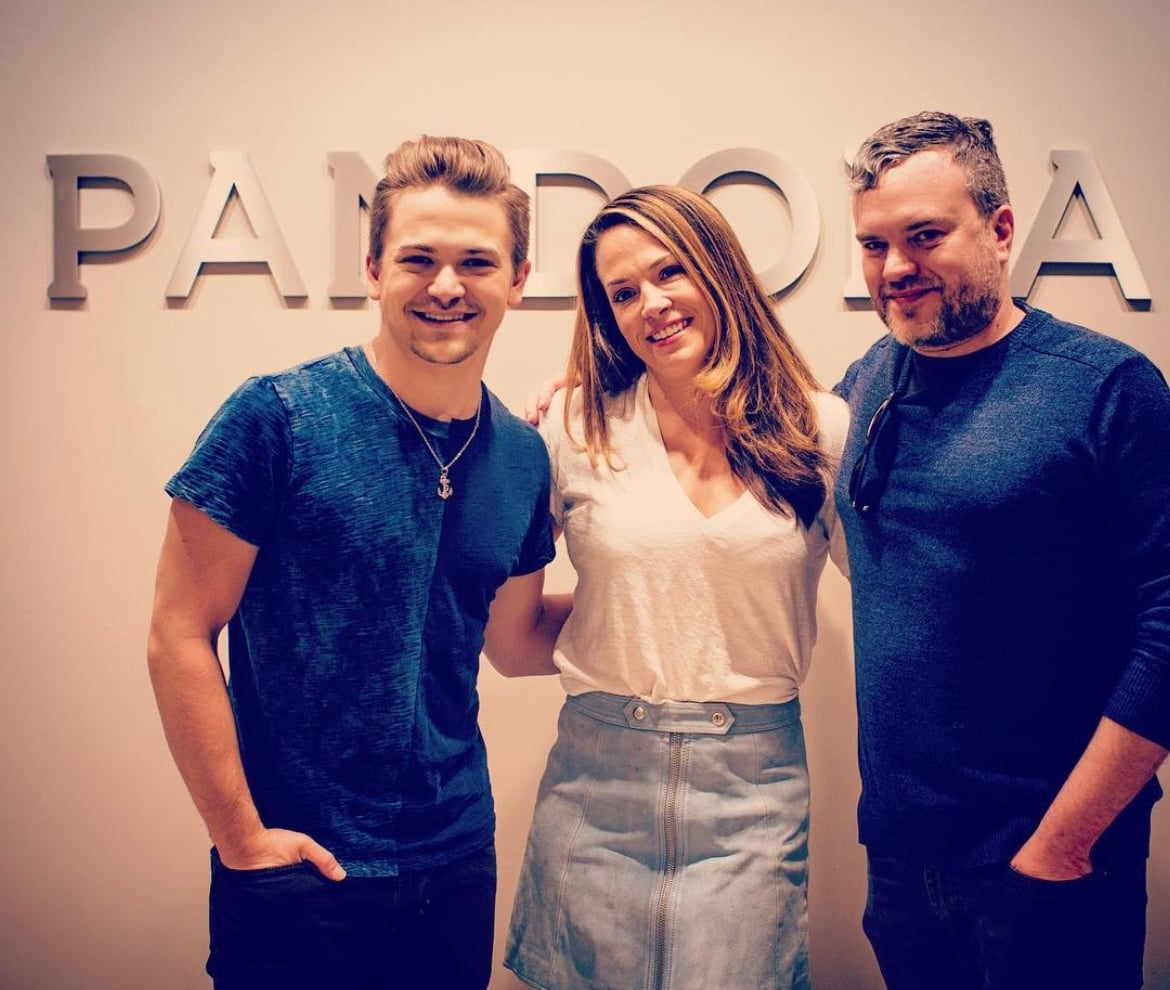
Photo: Courtesy of Foisset
So when did you know this was the path?
Pretty much right away. In high school, I did some announcing for our girls’ basketball team. We had a state-level team, and I’d do the mic work. And being inspired by WEQX, radio felt like a realistic path. That was always the goal.
When I was visiting colleges, I only cared about the campus radio station and that led me to SUNY Geneseo in western New York. They had a professionally run station called WGSU. I started with overnight shifts on Friday and Saturday nights. While everyone was partying, I was on the air. I still have the tapes. By sophomore year, I was the music director. It wasn’t a freeform station, we programmed it. I was picking the music, talking to record labels. Back then, labels had college promo teams, so I was building relationships with reps at Capitol, Interscope—people probably not much older than me. By senior year, I was running the station. I managed the staff, hired DJs, programmed shows. That’s where I got the leadership bug.
We were six hours from New York City, and every fall we’d go to this festival called CMJ Music Marathon, kind of like New York’s version of SXSW. I’d meet the labels, crash on couches, and see insane shows. I saw Johnny Cash open for Wilco. I saw Sleater-Kinney and Nine Inch Nails in tiny clubs. It was peak post-Nirvana alternative boom. That music’s in my DNA.

Photo: Courtesy of Foisset
I’m sure the industry cared a lot about college radio then.
Totally. Every station was flipping to alternative formats. We were trying to stay even more cutting-edge, playing artists like Pavement, Built to Spill, Liz Phair, PJ Harvey and Superchunk. I remember getting a new R.E.M. single—“What’s the Frequency, Kenneth?”—on CD in the mail and putting it on the air right away before we even listened to it. It was exciting.
And I built my community there. Some of my best friends today came from those years. I met my partner Michele through the station. She and her roommate used to listen to my show.
What happened after college?
After graduation, I mailed cassette tapes to radio stations, trying to get a job. It didn’t work. Michele and I moved to New York City a few months after graduation, that was always the goal. I got a college promo job at an indie label. I was the one calling college radio stations, just like people used to call me.That kicked off my career in New York.
Tell me about that. What was it like?
We moved to Brooklyn in 1997, back when it was still cool. But it was a struggle. I was making $200 cash under the table for that job. I did it for about eight months, then landed an opportunity at Burly Bear Network—a TV network owned by Lorne Michaels’ Broadway Video. We produced shows for college students—a cooking show called Half Baked and a music news show called Shuffle. We’d send VHS tapes to college TV stations to air. I programmed the music video show, which meant I was still talking to record labels—just about videos this time. I’d put together video playlists and send them out.
This was right at the dawn of the internet, and we had the brilliant, slightly illegal idea to stream those videos on our website.
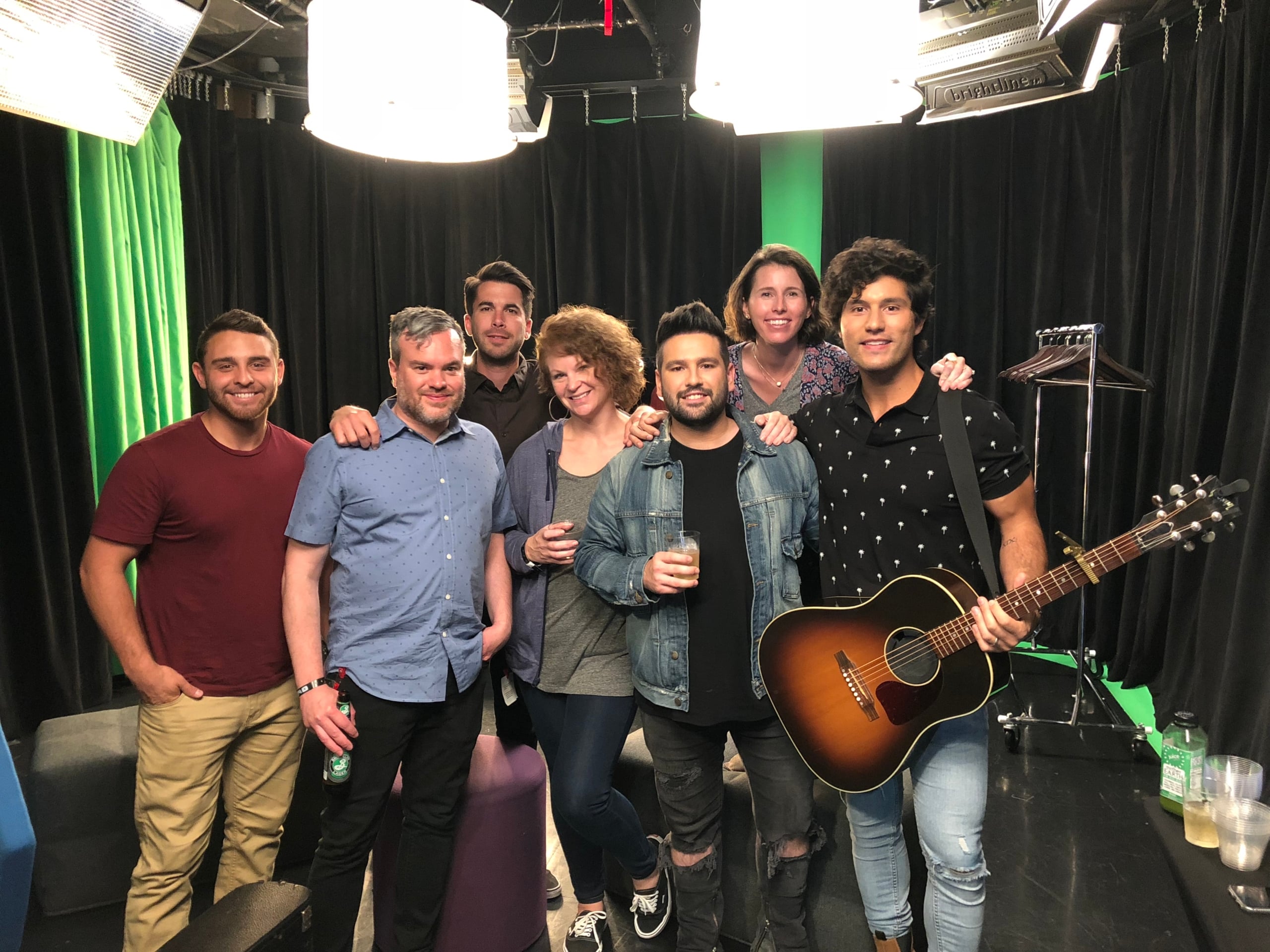
Photo: Courtesy of Foisset
So, you invented YouTube.
Basically, yeah. [Laughs] That kicked off my interest in the digital side of the music business.
How long did you do that?
A few years. Then I ended up at Fuse TV, which was also focused on music videos and was a competitor to MTV. I worked on their marketing team for shows like Steven’s Untitled Rock Show and Uranium. I spent the summer of 2004 on the Warped Tour as part of the team managing our on-the-ground activations.
I had some friends who worked at Razor & Tie. They were looking for someone to manage their new partnership with Apple—this brand-new thing called iTunes. I jumped. Right place, right time. Back then, we were mailing CDs to iTunes so they could ingest them. I was making sure our albums were featured in the early version of the iTunes store.
I did that job for about six years. And like every New Yorker, eventually we were ready to leave. After 14 years in the city, we moved to Nashville so I could manage the iTunes account for Warner—and also Word, their Christian division.

Photo: Courtesy of Foisset
How did you learn all of it in the early days?
I’ve always tried to be on the front end of new things. I cared about digital before most people did. At Razor & Tie, iTunes was such a small part of the business—most of it was still CDs, sold through 1-800 numbers and TV commercials. That gave me room to experiment, build relationships, fail, try again. Nobody cared yet. It was the same with streaming. At first, nobody was paying attention, which gave us time to figure things out.
Music used to come out Monday nights, and I’d stay up to make sure our albums dropped on iTunes at midnight. Sometimes it just didn’t show up—and there was nothing you could do. The systems weren’t built for it yet. That never happens now.
Do you have a favorite memory from that time?
One of our biggest brands at Razor & Tie was Kidz Bop. I was the first to suggest we put our music on Myspace, and I told my boss we should be on YouTube too. This was before Google owned it. I uploaded the Kidz Bop version of Kelly Clarkson’s “Since U Been Gone” to YouTube. I always tell people to go watch it—it’s the greatest Kidz Bop video of all time.
That felt exciting. We knew we were doing something new. Streaming videos was still a novelty.
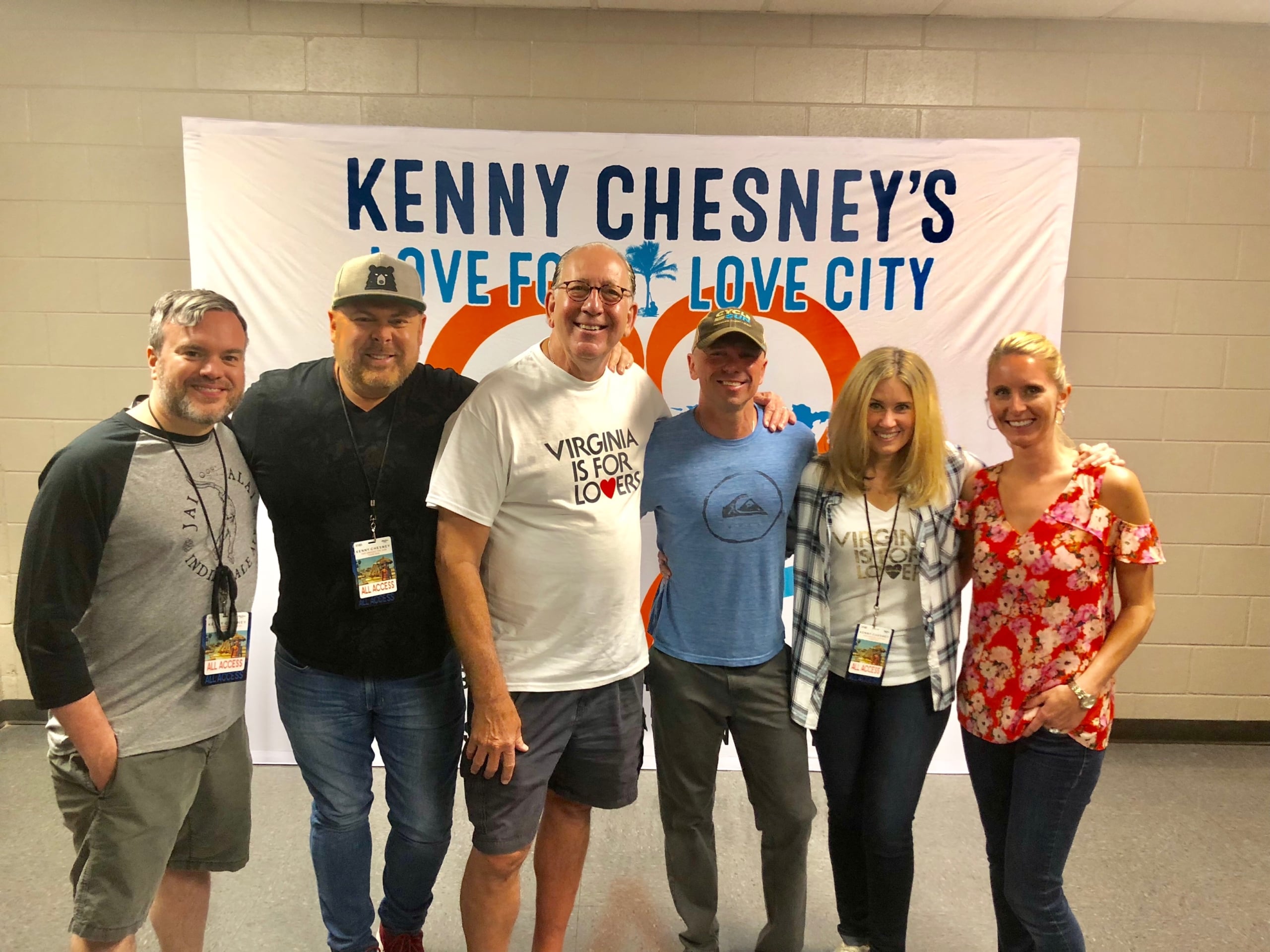
Photo: Courtesy of Foisset
Tell me about moving to Nashville.
I knew nothing about Nashville. I found the Warner job through LinkedIn—managing the iTunes account for Warner and Word. I figured out the hiring manager was Jeremy Holley. Between LinkedIn and Facebook, we had 75 mutual contacts, so I messaged every one of them asking if they’d reach out on my behalf. Eventually Jeremy called. His first words were, “I hear I need to meet you.”
He happened to be in New York, so we met up. Once I got the offer, my partner, Michele—who’d never even been to Nashville—and I flew down the next day. We sat in a honky tonk on Broadway that doesn’t exist anymore and said, yeah, we could do this. I didn’t grow up on country music. I moved here in 2011, the same year The Voice started. I didn’t even know who Blake Shelton was.
I had to learn quickly. But I’d already worked on genres I didn’t personally love, like children’s music and heavy metal. To me, the fun part is figuring out how to connect with the people who do love it. Whether it’s a mom buying music for her kid or a metalhead with a crumpled $10 bill, the challenge is the same—how do you reach that person? That same mindset applied to country and Christian music, and it really fueled me.

Photo: Courtesy of Foisset
Take me through that chapter at Warner.
I was at Warner for 13 years. The first five or so, I was working on things nobody really cared about. Spotify launched about a year after I started, and I became the unofficial Spotify person, trying to get our artists and team to care. I convinced Dan + Shay to release their debut album two weeks early on Spotify. That would never happen now, but we were just trying things. Back then, people only cared about iTunes chart position.
Eventually, streaming became a big enough revenue source that everything shifted. One day, suddenly John Esposito knew my name—and then I was in his office every day. When streaming passed 50% of our revenue, priorities changed. And again, I was lucky to be in the right place. Kristen Williams really fought for me and helped me build a team. By the time I left, I’d built and rebuilt two great teams. Most of them went on to even bigger jobs. I’m really proud of that.

Photo: Courtesy of Foisset
Then Spotify came calling.
Spotify approached me when Brittany Schaffer left during CRS in 2023. It was a long process. I wasn’t sure at first because I really loved Warner, but this was the one job I would leave for. Warner was supportive, and I joined Spotify in November 2023. After 13 years, I wanted new problems to solve, new people to meet. And it’s been exactly that—new fire drills every day, in a good way. Even a year and a half in, things still come up I’ve never dealt with. I’m using different parts of my brain. I love that.
The team was in transition when I joined, but I really connected with them. We built a culture based on teamwork. That’s the best part—watching them work together to crush an event like [Spotify House], or the Morgan Wallen or Jelly Roll releases. That’s what lights me up. I’ve learned this later in my career, but what I really love is leading people. Helping them succeed, clearing a path, helping them prioritize. And when they win, shouting it from the rooftops so they get the credit they deserve. That’s my favorite part.

Photo: Courtesy of Foisset
What are you most proud of when you look back?
That I was right… multiple times! [Laughs] But seriously, I’m proud of recognizing the moment, showing up and taking the swing.
What’s the best advice you’ve ever gotten?
Ben Kline once told me: “Report the news.” Meaning—just be honest. If something’s on fire, say it. If something’s going great, say that too.
One thing I always tell my team is: stay steady. Don’t get too high, don’t get too low. We experience this every Friday. One person’s thrilled, the next is furious. You have to stay even. That’s something I’ve really learned with time.
- MusicRow Weekly (News, Charts, More…) - October 2, 2026
- Johnny Mike Walker Joins Country Music Hall of Fame And Museum Circle Guard - September 28, 2026
- Braxton Keith Reflects On Breakout Success, Announces 2027 Tour Dates [Q&A] - September 22, 2026