

My Music Row Story: FBMM’s Dan Killian
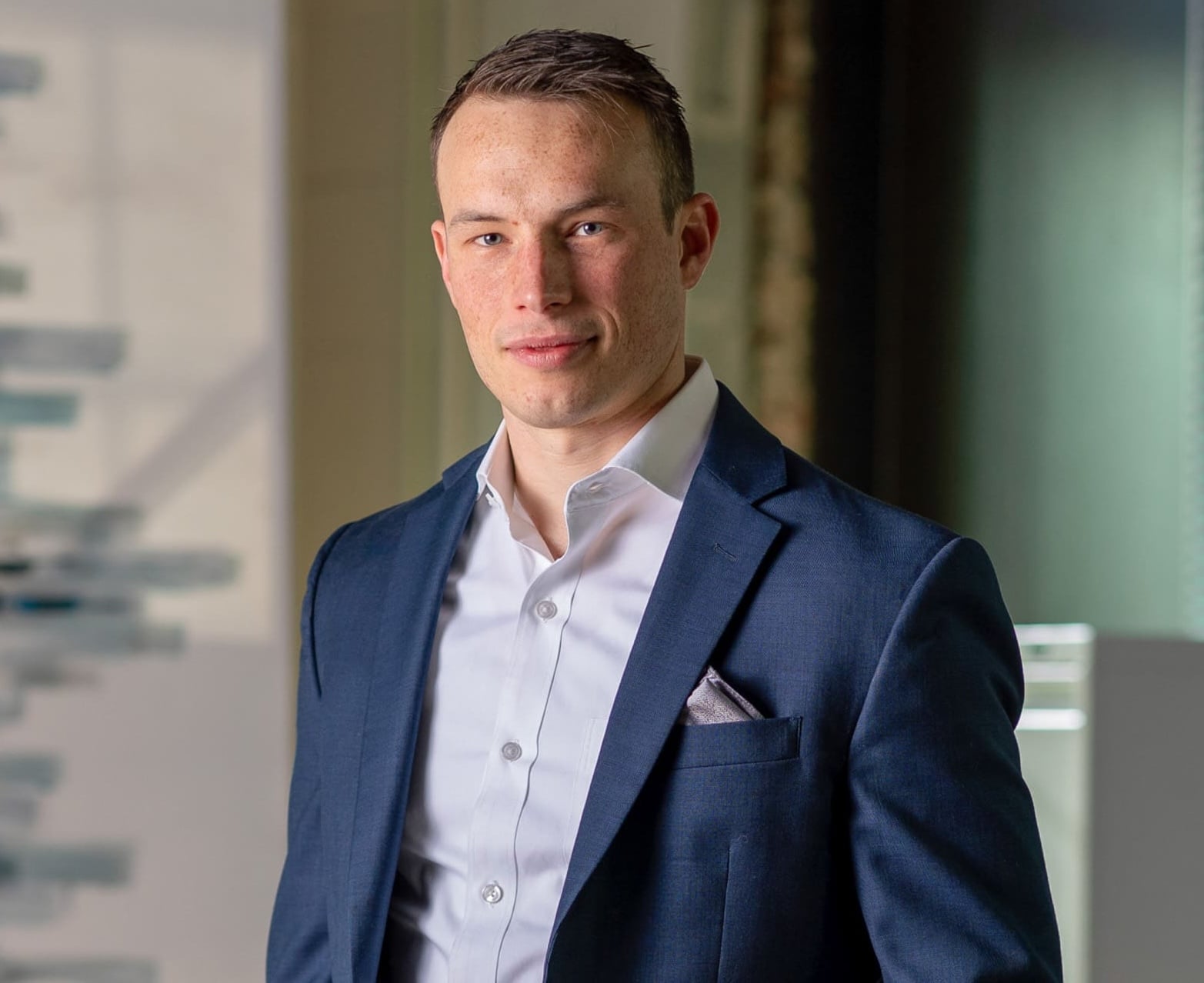
Dan Killian
The “My Music Row Story” weekly column features notable members of the Nashville music industry selected by the MusicRow editorial team. These individuals serve in key roles that help advance and promote the success of our industry. This column spotlights the invaluable people that keep the wheels rolling and the music playing.
Dan Killian is an Owner and Business Manager at FBMM. He acts as the financial and operational “quarterback” for his clients’ business activities, advising Grammy and Emmy-award-winning headlining arena acts, spanning virtually every genre of music. Using a holistic approach, Killian caters to every client’s individual needs through budgeting, financial planning, managing their accounting process and overall financial education. This approach allows clients to confidently make decisions that keep their businesses running with the best possible insight and information, ensuring their financial well-being for years to come.
Killian has been recognized as one of the industry’s brightest business managers and has been named to Billboard‘s Top Business Managers list in 2023 and 2024, and MusicRow‘s “Next Big Thing Industry Directory” two years in a row.
In 2017, Killian completed NYU’s certificate of financial planning program and earned his Certified Financial Planner designation. Killian is a regular volunteer with Big Brothers Big Sisters of Middle Tennessee. He also served on the board and as a pro bono financial planner through the Financial Planning Association, an organization that provides resources for underserved communities. Killian has also played a key role in spearheading internal initiatives at FBMM, including creating a health and wellness program, leadership training and mentorship and business development.
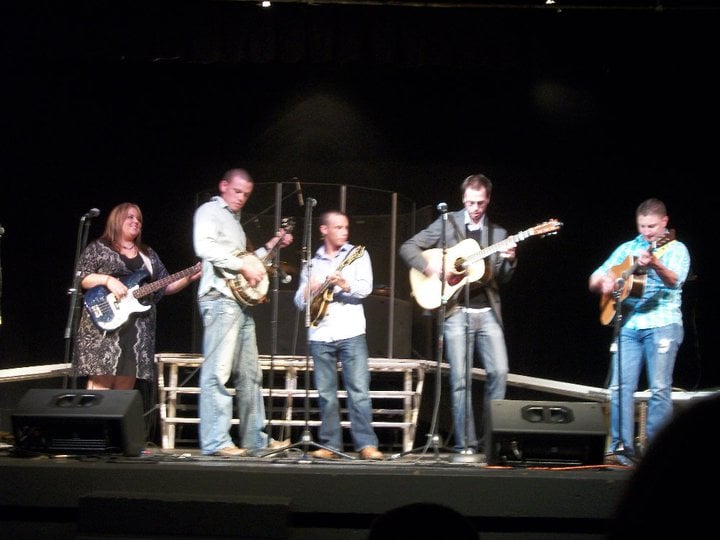
Photo: Courtesy of Killian
MusicRow: Where did you grow up?
Originally, my family’s all from Southern California, but they moved to a tiny little town in middle Tennessee called Linden when I was 10. I lived there while growing up, so I like to say I’m a native Tennessean—because I’m about as close as you can get.
What were you like as a kid? What did you like to do?
I loved music. When I was really young—I’m actually deaf in one ear—and when I was little, doctors didn’t know why. They started preparing for the possibility that I’d lose more hearing, so I was learning sign language and all that. I remember the doctor sitting me down when I was five and saying, “Listen to as much music as you can, because we don’t know how long you’ll be able to hear.” That put the fear in me, so that’s what I did. I listened to as much music as I possibly could, and I absolutely fell in love with it. My hearing is virtually the same today as it was then.
What did you listen to?
My parents were pretty strict, so early on I could really only listen to old gospel music—like the Gaither Vocal Band. The Isaacs were a big one too. Basically, I listened to anything I could get my hands on. Once I got to high school, I had a truck and a radio, and in my little town, there were only two stations you could get reception for: one classic rock station and one country station. That’s when I really fell in love with early-to-mid 2000s country. That’s what I was exposed to, and I loved it all.
What was your dream job then?
When I started high school, they sat me down and said, “Okay, there are two tracks: one for college-bound kids and one for people who are going to work.” And I said, “Definitely don’t put me on the college one.” [Laughs]
So I started working over the summers and realized—wait a second—this is hard. I was talking to people in their 30s, 40s, 50s who had been doing manual labor their whole lives, and they were like, “Buddy, you might want to think about college.”
Long story short, I got a scholarship to go to a tiny school halfway between here and Memphis called Bethel University. I played mandolin and guitar and sang in their bluegrass band, which paid my way through school. My dream was to be a touring musician.
After the first year, touring in a van, doing tons of shows, carrying our own gear… it was rough. And I realized again, like with construction, I was talking to people 10, 20, 30 years older who were still doing it, touring 200 days a year. That’s when I thought, maybe I need to rethink this college thing. I wasn’t bad at school, I just didn’t enjoy it. I always saw myself doing something more exciting.

Photo: Courtesy of Killian
So you go to college at Bethel.
Yep. I majored in music business. I still thought I was going to be a touring musician, and this was the backup plan. But this was also right after the 2008 financial crisis, and I remember my first accounting professor telling me, “You’re good at this. You should change your major to accounting.” That was hard to hear. But I listened.
That summer, I got an internship at Universal Music Publishing in Nashville, back when Pat Higdon was running it. He was just a legend. They signed Hunter Hayes while I was there. Andrew Dorff would come into the office and chat with me. It was such a fun environment.
Unlike other jobs I’d had where older people were miserable and warning me away from the industry, everyone there was happy, listening to music, helping songwriters. I remember thinking, “If there’s even a chance I can do this, I’ve got to try.”
I went back to school that fall and told my accounting professor, “I’ve seen the other side. I can’t unsee it.” But I promised him I’d take accounting for every elective I had left. I ended up graduating one class shy of a second major in accounting—so I had a major in music business and a minor in accounting.
How did you discover business management could be an option?
Cyndi Forman at UMPG was the first person who put it on my radar. But even then, she wasn’t hyping it as this exciting career. She just said, “They do numbers.” [Laughs] But I was still thinking about going to law school. I thought that would be more exciting—doing contracts, negotiating deals, representing artists.
I graduated early, in December, and had eight months to fill before law school in the fall. I needed a job. So I thought, “Let me use my accounting skills, work at a CPA firm from January to April, then take the summer off and backpack through Europe.” It was a great plan.
But I had done another internship at CMT and met someone named Kelly Wilson. Her mom worked at FBMM. When I was reaching out to everyone I knew for job leads, Kelly said, “You should reach out to my mom’s company,” so I cold emailed them. Betty Sanders interviewed me and said, “We don’t do temporary jobs, but we have a full-time opening in the mailroom.” I didn’t even fully understand what FBMM did, but the walls were covered in pictures of artists and it was clearly all music-related. I figured, let me just throw caution to the wind and give it a shot. Any job can be seasonal if I quit at the end.
So I started in the mailroom, working under Jamie Cheek and his team. Two weeks in, I was like, “Forget law school. Forget every other plan. Business management is 100% what I want to do.” And I haven’t looked back since.

Photo: Courtesy of Killian
What did you like about it?
It combined everything I loved about music and what I was good at—advocating for artists, helping them understand the behind-the-scenes, the nuts and bolts. My parents, at times, had money and at other times didn’t, but they never did much financial planning. So being able to help artists be wise and thoughtful with their finances felt really meaningful to me. It allowed me to support the art I loved and be a part of making it happen. And that close, interpersonal relationship with artists–that was really important to me. Business management just checked every single box.
You didn’t stay in the mailroom very long at FBMM.
I worked in that mailroom-adjacent role for about four months, then got promoted to work with Duane Clark, who’s now one of my partners. I learned so much from him. It was intimidating, but it was also the first time I was directly working with clients—on the front lines. I realized how messy and rewarding it could be. Every day was different. It was the opposite of what I thought accounting would be.
Some days you’re helping someone who got pulled over and needs their insurance card sent to them on the side of the road. Other days, you’re helping an artist set up a personal budget or find a place to rent after getting their first record deal. Those things matter. If we’re serving our clients well, those things make a huge difference.
What happened next?
I was handling a lot of day-to-day work, and then someone senior left unexpectedly. That opened the door for me to step up. It was a little early, but I was eager. I’ll never forget when Duane pulled me into his office and said, “Okay, batter up.” He made it clear they’d support me, but it was on me to step up and deliver. That opportunity let me start having clients come directly to me. And then it got interesting—people started calling me about business management even though I wasn’t officially one yet.
My clients and their teams—managers, tour managers—were recommending me. I had one band where we had a great meeting, and three days later the manager called and said, “The guys love you. They want to hire you.” I was like, “Absolutely, sounds great.” Then I hung up the phone and thought, “Oh crap… I don’t think I’m actually allowed to say that yet.”
I walked into Duane’s office and told him the truth. He said, “Yeah, you shouldn’t have done that. But since we’re here, let’s dig in. Don’t mess it up.” That was the beginning for me.
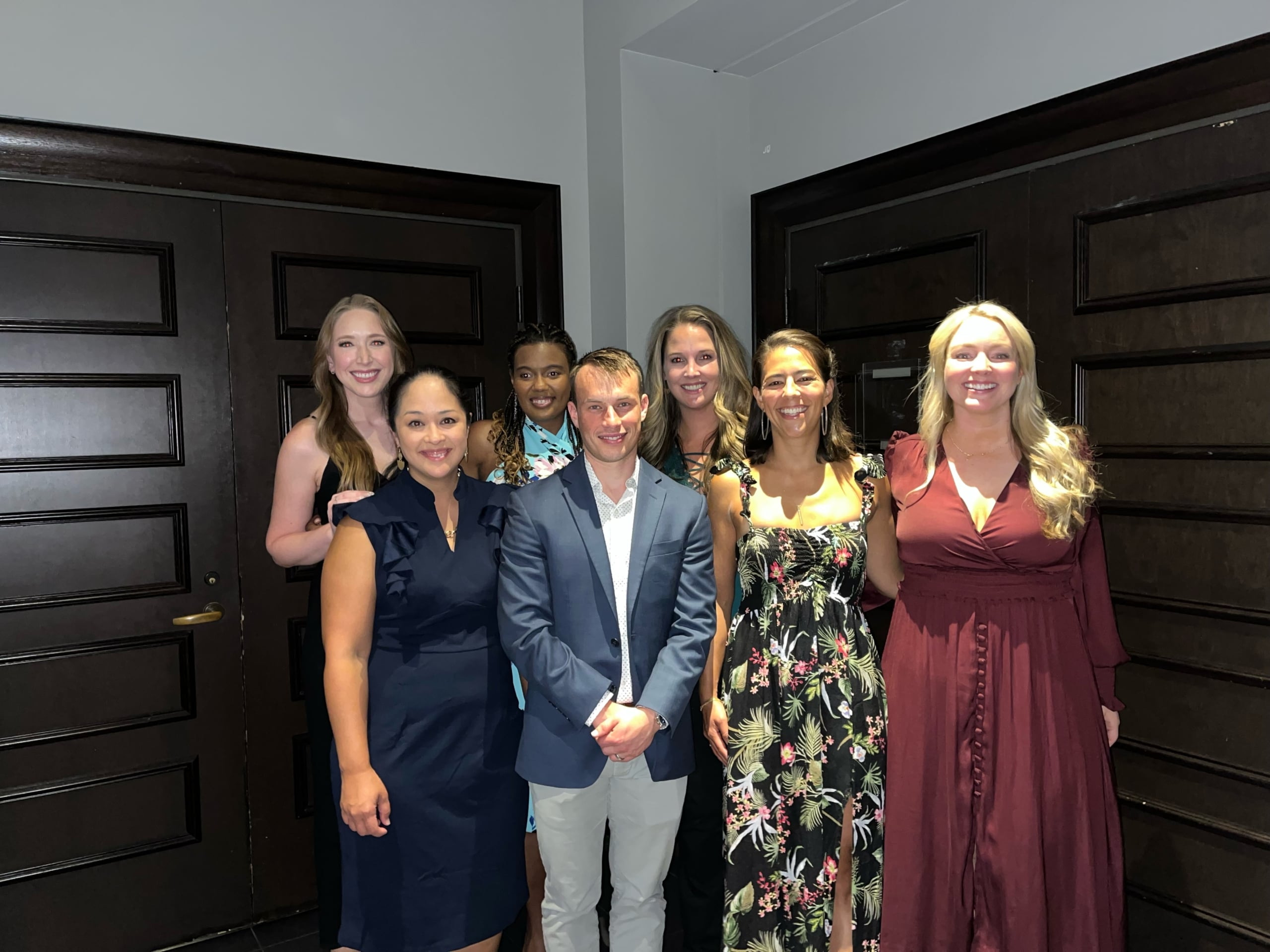
Photo: Courtesy of Killian
Then you became the youngest owner in the firm.
So far. FBMM’s always been built on the idea of lifetime business management—supporting artists throughout their whole careers. But obviously, some of our current owners are in their 50s and working with teenage artists. You do the math—it’s not realistic for one person to be there for 40 years. So from the beginning, the firm has had a plan for generational leadership. Becoming an owner wasn’t a surprise, but it’s incredibly humbling. I’ve got big shoes to fill, but I’m proud to be part of that next chapter.
Do you feel like your age has ever been used against you—or, on the flip side, has it ever helped you?
Oh yeah—mainly against me. [Laughs] I’d been working with a client for almost two years. He was out of state, so we’d only talked on the phone. One day, he came to Nashville for a Whiskey Jam set. I needed him to sign something tax-related, so I went to his bus, introduced myself, and he goes, “Oh that’s funny—I have a guy on my business management team named Dan.” I said, “Yeah, that’s me.” And he said, “No no, this Dan is, like, an adult. A professional.” I’d just talked him out of buying a Mercedes a few days before, so I guess he had a more impressive image of me than the reality.
But you learn to roll with it. At the end of the day, your work speaks for itself. As for positives—sometimes it helps that my clients are around my age or younger. There’s less of a generational gap. That said, my partners in their 50s do just fine.
Who have been your mentors?
Definitely Duane at FBMM. It’s hard to overstate how much he’s poured into me. Cyndi Forman at UMPG has always been supportive. Jake Gear, who now runs Lost Highway, was another early influence. I interned at CMT when he was a coordinator. He was cool—tattoos, dating an artist—and I was the nerdy accounting kid. But he took me around, brought me to shows, introduced me to people, and helped me feel comfortable in the industry. That meant a lot.
What’s your favorite part of the job now?
Working with my team. I knew I’d love working with clients and going to shows, but I didn’t expect how rewarding it would be to see the light bulb go off for someone else. Watching the people on my team go above and beyond—it’s really special. Sometimes I get copied on an email and someone beats me to the reply with an answer that’s better than what I would’ve written. And I’m like, “Yes!”
- BREAKING: Mike Sistad, Evyn Mustoe Johnston Exit ASCAP - October 15, 2026
- MusicRow Weekly (News, Charts, More…) - October 2, 2026
- Johnny Mike Walker Joins Country Music Hall of Fame And Museum Circle Guard - September 28, 2026